 Back
Consciousness, Dreaming, and Psychoactive Substances: Study Notes for Introduction to Psychology
Study Guide - Smart Notes
 Tailored notes based on your materials, expanded with key definitions, examples, and context.
Dreams and Theories of Dreaming
Functions of Dreaming
Dreams serve several psychological and cognitive functions, including processing emotional memories, integrating new experiences, learning new strategies, simulating threatening events, and reorganizing memories.
Emotional Processing: Dreams help us process and regulate emotions.
Memory Consolidation: They assist in integrating new experiences with established memories.
Learning: Dreams can facilitate learning new strategies and coping mechanisms.
Threat Simulation: They allow us to rehearse responses to threatening situations.
Reorganization: Dreams help consolidate and reorganize memories for long-term storage.
Freud’s Dream Protection Theory
Freud proposed that dreams transform our sexual and aggressive instincts into symbols, which require interpretation to reveal their true meaning. He distinguished between manifest content (surface meaning) and latent content (hidden meaning), suggesting dreams fulfill wishes. However, this theory is largely rejected by modern scientists due to lack of empirical evidence.
Manifest Content: The literal storyline of the dream.
Latent Content: The symbolic, hidden meaning.
Wish Fulfillment: Dreams as expressions of unconscious desires.
Activation-Synthesis Theory
This theory posits that dreams reflect the brain’s attempt to make sense of random neural signals generated during REM sleep. These signals originate in the pons and are sent to the forebrain, which synthesizes them into a coherent narrative.
Random Neural Activity: Dreams are constructed from random signals.
Pons and Forebrain: The pons generates signals; the forebrain interprets them.
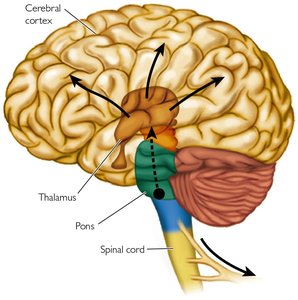
Dreaming and the Forebrain
Alternative theories emphasize the forebrain’s role in dreaming. Damage to the forebrain or parietal lobes can eliminate dreams, even if the pons is intact. Additionally, dreams are often consistent over time, challenging the randomness predicted by Activation-Synthesis Theory.
Forebrain Damage: Can abolish dreaming.
Consistency: Dreams often reflect stable themes and concerns.
Neurocognitive Theory
Neurocognitive theory suggests that dreams are shaped by our cognitive capacities and life experiences. Children’s dreams are simple, while adults’ are more complex, reflecting neurodevelopment and personal history. The dream continuity hypothesis argues that dreams mirror waking life experiences.
Cognitive Achievements: Dream complexity increases with cognitive development.
Dream Continuity Hypothesis: Dreams reflect ongoing life events.
Altered States of Consciousness
Hallucinations
Hallucinations are realistic perceptual experiences in the absence of external stimuli. The brain activates similarly during hallucinations and real sensory experiences. They are relatively common and can occur due to sensory deprivation, hypoxia, or drug use.
Prevalence: 10-35% of people report at least one hallucination.
Causes: Sensory deprivation, hypoxia, drugs.
Out-of-Body Experiences (OBEs)
OBEs involve the sensation that consciousness has left the body. They are more common among individuals with other unusual experiences and may occur in various disorders, with medication, or recreational drugs.
Association: Linked to temporal-parietal junction activity.
Occurrence: Can happen during near-death experiences (NDEs).
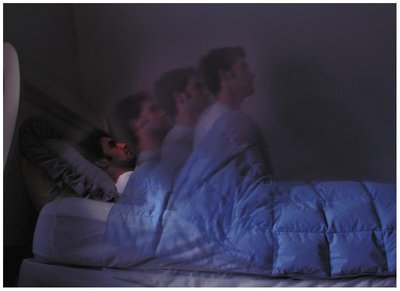
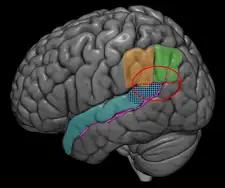
Near-Death Experiences (NDEs)
NDEs are reported during life-threatening situations and often include themes influenced by cultural expectations about the afterlife. Similar experiences can be induced by drugs, hypoxia, or temporal lobe stimulation.
Cultural Variation: NDEs differ across cultures.
Common Themes: Feelings of peace, seeing light, or meeting spiritual beings.


Déjà Vu
Déjà vu is the feeling of reliving an experience that is actually new. It is very common and may be caused by excess dopamine or small seizures in the temporal lobes, or by similarity between new and previous experiences.
Prevalence: Up to 2/3 of people experience déjà vu.
Possible Causes: Dopamine excess, temporal lobe activity.
Mystical Experiences
Mystical experiences involve a sense of unity or oneness with the world, often religious in nature. They can be induced by fasting, seizures, prayer, or drugs.
Induction: Fasting, prayer, drugs, seizures.
Characteristics: Profound sense of connection and transcendence.
Hypnosis
Nature of Hypnosis
Hypnosis is an interpersonal situation in which imaginative suggestions are administered for changes in consciousness. It is useful as adjunctive therapy but less effective alone. Suggestibility varies among individuals.
High Suggestibility: 15-20% of people.
Low Suggestibility: 15-20% of people.

Hypnosis Myths
Common myths about hypnosis include the belief that it produces a trance state, turns people into mindless robots, or is biologically similar to sleep. In reality, hypnotic phenomena are not unique, and most people are fully aware of their surroundings during hypnosis.
Awareness: Most people remember what happens during hypnosis.
Memory Enhancement: Hypnosis increases recall but much of it is inaccurate.

Theories of Hypnosis
Two main theories explain hypnosis: sociocognitive theory, which emphasizes attitudes, beliefs, and experiences; and dissociation theory, which posits a separation between normally integrated personality functions.
Sociocognitive Theory: Hypnosis depends on social and cognitive factors.
Dissociation Theory: Hypnosis involves a split in consciousness.
Substance Abuse and Dependence
Definitions and Symptoms
Substance abuse causes recurrent problems related to drug use, while dependence leads to significant impairment or distress. Tolerance requires higher doses for the same effect, and withdrawal symptoms emerge when use is discontinued. Physical dependence is related to withdrawal, psychological dependence to cravings.
Tolerance: Increasing dose needed for effect.
Withdrawal: Distressing symptoms after stopping use.
Physical vs. Psychological Dependence: Physical involves withdrawal; psychological involves cravings.
Explanations for Use and Abuse
Several factors influence substance use and abuse, including sociocultural acceptance, personality traits, self-medication, and genetic influences. The tension reduction hypothesis suggests people use substances to reduce anxiety.
Sociocultural Influences: Acceptance and norms affect use.
Personality Traits: Certain traits increase risk.
Genetic Influence: Genes affect metabolism and experience.

Types of Psychoactive Drugs
Depressants
Depressants, such as alcohol and sedative-hypnotics, decrease CNS activity. Sedatives are calming, hypnotics induce sleep. Alcohol is the most widely used and abused depressant, with stimulating effects at low doses and depressant effects at higher doses.
Alcohol: Effects vary by dose and individual.
Sedative-Hypnotics: Used for calming or sleep.
Alcohol Effects
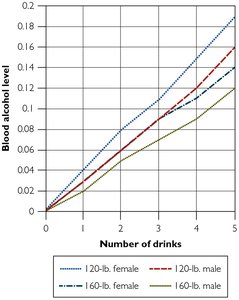
Females experience alcohol effects more heavily. Expectations about alcohol influence social behavior.
Gender Differences: Females have higher blood alcohol levels for the same number of drinks.
Expectancy Effects: Social behavior is influenced by beliefs about alcohol.
Stimulants
Stimulants increase CNS activity, heart rate, respiration, and blood pressure. Nicotine is highly addictive and activates acetylcholine receptors, providing adjustive value by enhancing positive and minimizing negative emotions.
Nicotine: Highly addictive, affects mood.

Cocaine and Amphetamines
Cocaine is a powerful natural stimulant, increasing dopamine and serotonin activity. Amphetamines are used occasionally, medically, or abused in repeated doses.
Cocaine: Euphoria, enhanced capacity, decreased hunger.
Amphetamines: Patterns include occasional, medical, and street use.
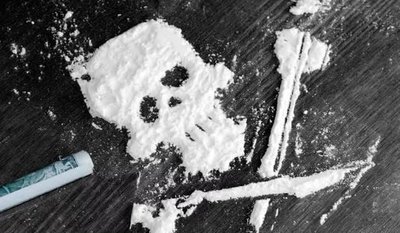
Narcotics
Narcotics, such as opiates, relieve pain and induce sleep. Heroin, morphine, and codeine are common examples. Heroin is the most abused, and these drugs can interact dangerously with others.
Opiates: Derived from opium poppy.
Heroin: Most abused opiate.
Psychedelics
Psychedelics, or hallucinogens, produce dramatic changes in perception, mood, and thought. Marijuana is the most used psychedelic in Canada, with effects due to THC. Ecstasy (MDMA) is both stimulant and hallucinogenic, increasing serotonin and promoting well-being, but can cause long-term harm.
Marijuana: Legal in Canada, affects cognition and physiology.
Ecstasy (MDMA): Increases serotonin, empathy, and well-being; long-term abuse is harmful.
