 Back
BackDevelopmental and Educational Psychology: Achievement, Stereotypes, and Learning Differences
Study Guide - Smart Notes
 Tailored notes based on your materials, expanded with key definitions, examples, and context.
Gender and Group Differences in Academic Achievement
Gender Differences in Math Achievement
Research on gender differences in math achievement reveals that males and females are highly similar in most cognitive abilities, with only small differences in specific skills. Stereotypes persist, however, influencing both performance and expectations.
Gender Similarities Hypothesis: Proposed by Janet Hyde (2005), this hypothesis states that males and females are more alike than different in cognitive abilities.
Observed Differences: On average, girls perform slightly better on verbal ability tests, while boys perform better on numerical reasoning tests.
Stereotypes: The stereotype that boys are 'naturally' better at math can negatively affect girls' performance and self-concept.
Attribution Differences: Girls' math difficulties are often attributed to lack of ability, while boys' are attributed to lack of effort.
Role Models: Exposure to counter-stereotypical role models can improve girls' math performance.
Racial and Ethnic Group Differences
Achievement differences among racial and ethnic groups are closely linked to socioeconomic status and systemic factors rather than inherent ability.
IQ and Achievement: High IQ scores are associated with high achievement across all groups.
Impact of Poverty: Children living in poverty, regardless of race or ethnicity, tend to have lower achievement scores.
Systemic Inequities: Black, Hispanic, and Indigenous children are more likely to experience poverty, which contributes to achievement gaps.
Exclusionary Discipline
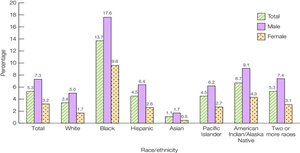
Exclusionary discipline, such as out-of-school suspension, disproportionately affects Black, Hispanic, and Indigenous children, leading to missed instruction and further achievement gaps.
Disproportionate Impact: These groups are more likely to be disciplined with out-of-school suspension, missing more days of instruction.
Risks: Beyond missed instruction, exclusionary discipline is correlated with lower achievement and other risks.
Reform Efforts: Some schools are banning out-of-school suspension and training teachers to ensure discipline is based solely on behavior.
Stereotype Threat
Stereotype threat refers to the pressure individuals feel when they are at risk of confirming negative stereotypes about their group, which can undermine performance.
Definition: A subtle sense of pressure experienced by members of negatively stereotyped groups during performance tasks.
Effects: Research confirms stereotype threat among both children and adults, though effects are smaller in children.
Example: Students of color may underperform on cognitive tests due to stereotype threat.
Cross-National Differences in Math Achievement
International Comparisons
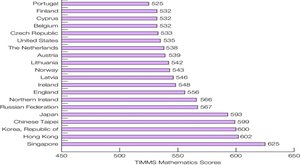
Studies comparing math achievement across nations show significant differences, with U.S. students often lagging behind peers in East Asian countries.
U.S. Performance: U.S. school children score lower on international math assessments compared to students in many other developed nations.
East Asian Excellence: Students in East Asian countries (e.g., Singapore, Hong Kong, Korea, Japan) consistently achieve the highest scores.
Explaining Cross-National Differences
Beliefs about ability, instructional practices, and cultural values contribute to cross-national differences in achievement.
Beliefs: U.S. parents and teachers emphasize innate ability, while East Asians emphasize effort.
Instruction: East Asian instruction focuses more on computational fluency and parental involvement in skill development.
External Rewards: The value placed on external rewards for achievement varies across cultures.
Children with Learning Differences
Overview of Learning Differences
Some children are born with or develop differences that interfere with their education. In the U.S., 15% of school children receive special instruction for disabilities defined by law.
Special Education: Schools are legally required to provide services for qualifying children.
Learning Disabilities
Learning disabilities are characterized by difficulty acquiring specific academic skills despite normal intelligence. The term is controversial, and identification is complex.
Dyslexia: Refers to reading difficulties; most children with reading disabilities can read, but not as well as peers.
Skill Deficit: Often a deficit in a specific skill rather than a general cognitive dysfunction.
Responses to Intervention
The response-to-intervention (RTI) framework is used to identify and support students with learning disabilities through a tiered approach:
Tier 1: High-quality, evidence-based instruction for all students.
Tier 2: Small group sessions (20–40 minutes) for students who fall short of benchmarks.
Tier 3: More intensive, often individual instruction for students not responding to Tier 2.
Assessment: Students who do not progress through Tier 3 are referred for comprehensive evaluation.
Causes of Learning Disabilities
Genetic and Family Risk: Family history can increase risk.
Phonological and Visual Processing: Difficulties in processing sounds or visual information can contribute.
Developmental Delays: Delays in oral language or general cognitive development are also factors.
Instruction: Intensive, structured phonics instruction can help children catch up.
Teaching Children with Learning Disabilities
Inclusive Education: Integrating children with disabilities into regular classrooms supports social skill development.
Pull-Out Programs: Some children require specialized instruction outside the regular classroom.
Full Inclusion: Increasingly common, but some students still need individualized support.
Attention-Deficit/Hyperactivity Disorder (ADHD)
Characteristics and Prevalence
ADHD is characterized by high activity levels, impulsivity, and/or inattention. It affects about 9.4% of U.S. school children, with boys five times more likely to be diagnosed.
Not a Legal Special Education Category: ADHD is not recognized as a special education category under U.S. law.
Causes of ADHD
Genetic and Environmental Factors: ADHD is multifactorial, involving genetics, prenatal exposures (e.g., nicotine, marijuana), and brain injury.
Cultural Factors: Diagnosis rates and perceptions of ADHD vary across countries due to cultural beliefs and expectations.
Parental Ratings: Differences in parental expectations and use of rating scales contribute to cross-national differences in diagnosis.
Managing and Treating ADHD
Behavioral Regulation: Treatment focuses on helping children regulate behavior and impulses.
Parent Training: Helps parents manage challenging behaviors and regain control.
Medication: About two-thirds of children with ADHD are treated with medication, though some effects may be placebo.
Chapter Summary
Physical development in middle childhood is steady, with notable brain growth and improvements in cognitive abilities.
Language and literacy skills continue to develop, with bilingual education supporting English learners.
Achievement differences are influenced by gender, race, ethnicity, poverty, and cultural beliefs.
Learning disabilities and ADHD require specialized support and intervention.
Inclusive education and appropriate interventions can help children with learning differences succeed academically and socially.
