 Back
BackDevelopmental Psychology: Life Span Development
Study Guide - Smart Notes
 Tailored notes based on your materials, expanded with key definitions, examples, and context.
Developmental Psychology
Introduction to Developmental Psychology
Developmental psychology is the scientific study of how and why human beings change over the course of their life. It focuses on physical, cognitive, social, and emotional development from conception to old age.
Origins: Examines the emergence and development of mind and body throughout the life span.
Central Questions: Sources of variability, plasticity, continuity vs. discontinuity, and reasons for individual differences.

Nature and Nurture in Development
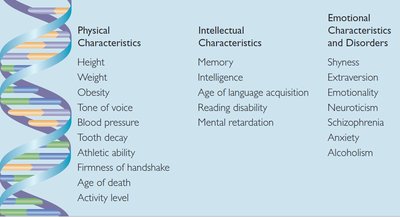
The nature-nurture issue explores the degree to which environment and heredity influence behavior and development.
Nature: Genetic inheritance and biological factors.
Nurture: Environmental influences, including upbringing and experiences.
Behavioral Geneticists: Study the effects of heredity on behavior.
Genetic Studies
Identical Twins: Genetically identical, useful for studying genetic influence.
Fraternal Twins: Share 50% of genes, same womb.
Siblings: Share 50% of genes, different wombs.
Adopted Children: Little genetic overlap, useful for studying environmental influence.

Research Techniques in Developmental Psychology
Cross-sectional Research: Compares people of different ages at the same point in time.
Longitudinal Research: Investigates behavior as participants age, tracking changes over time.
Sequential Research: Combines cross-sectional and longitudinal approaches.
Prenatal Development
Genetics and Conception
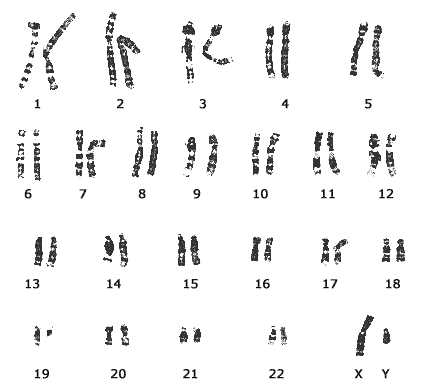
Chromosomes: Structures containing hereditary information.
Genes: Units of heredity composed of DNA.
Zygote: Single cell formed by union of egg and sperm.

Stages of Prenatal Development
Germinal Period: First two weeks after conception.
Embryonic Period: Weeks 2 through 8; major organs develop.
Fetal Period: From 8 weeks until birth; growth and maturation.
Age of Viability: Point at which fetus can survive if born prematurely (around 22 weeks).
Prenatal Environmental Influences
Teratogens: Environmental agents (drugs, chemicals, viruses) that can cause birth defects.
Mother’s Nutrition and Illness: Can impact fetal development.
Mother’s Emotional State and Drug Use: Includes alcohol and nicotine.
Infancy and Childhood
Physical Development
Neonate: A newborn child.
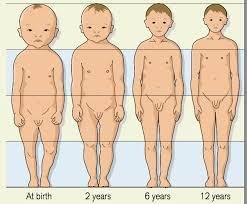
Growth: Birth weight typically triples in the first year; height increases by about half.
Brain Development: Synaptogenesis, myelination, and synaptic pruning.

Motor Development
Reflexes: Unlearned, involuntary responses (rooting, sucking, gag, startle, Babinski).
Voluntary Movements: Coordination of behavior in smooth, integrated sequences.

Cognitive Development
Piaget’s Sensorimotor Stage: Birth to 2 years; knowledge through sensory and motor activities.
Object Permanence: Understanding that objects exist independent of actions.
Social Development: Attachment
Attachment: Positive emotional bond between child and adult.
Imprinting: Critical period for attachment to first moving object (studied by Konrad Lorenz).
Harlow’s Study: Wire monkey vs. cloth monkey experiment.

Attachment Styles
Secure: Child uses caregiver as a safe base.
Insecure: Includes avoidant, ambivalent, and disorganized styles.

Peer Relationships and Social Development
Peer Relationships: Games with rules, perspective taking, emotional self-control.
Vygotsky’s Theory: Cognitive development through social interaction; Zone of Proximal Development (ZPD).
Parenting Styles
Parenting styles influence social and emotional development.
Parenting Style | Parent Behavior | Type of Behavior Produced in Child |
|---|---|---|
Authoritarian | Rigid, punitive, strict standards | Unsociable, unfriendly, withdrawn |
Permissive | Lax, inconsistent, undemanding | Immature, moody, dependent, low self-control |
Authoritative | Firm, sets limits and goals, uses reasoning | Good social skills, likable, self-reliant, independent |
Uninvolved | Detached emotionally, provides only basic needs | Indifferent, rejecting behavior |

Adolescence
Physical Development
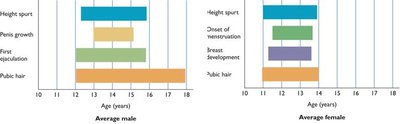
Puberty: Maturation of sexual organs; girls (11-12 years), boys (13-14 years).
Menstruation and Spermarche: Onset of reproductive capability.
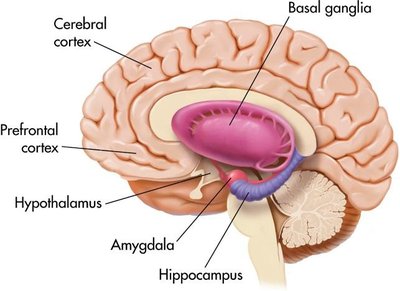
Brain Development
Frontal Lobes: Memory, decision making, reasoning, impulse control.
Limbic System: Expression and interpretation of emotions.
Plasticity: Increased vulnerability to addiction and risky behaviors.
Moral and Cognitive Development
Kohlberg’s Theory: Three levels of moral reasoning: preconventional, conventional, postconventional.
Criticisms: Focuses on judgments, not behavior; Western bias.
Identity Formation
Erikson’s Theory: Identity vs. role confusion; exploration and commitment.
Adulthood and Aging
Physical and Social Changes
Emerging Adulthood: Late teens to mid-twenties.
Peak Health: Early adulthood; slight decline after 25.
Menopause: End of fertility in women.
Midlife Transition: Period of questioning and possible crisis.


Cognitive Changes in Late Adulthood
Fluid Intelligence: Information-processing skills; declines in late adulthood.
Crystallized Intelligence: Accumulated knowledge; remains steady.
Senility: Progressive deterioration of mental abilities.
Alzheimer’s Disease: Irreversible decline in cognitive abilities.
