 Back
BackEarly Adulthood: Development, Relationships, and Well-being
Study Guide - Smart Notes
 Tailored notes based on your materials, expanded with key definitions, examples, and context.
Early Adulthood
Emerging Adulthood
Emerging adulthood is a distinct developmental period spanning the late teens through the twenties (ages 18-25, sometimes up to 29). This stage is characterized by independence from childhood and adolescence, but not yet full adult responsibilities. Individuals explore various life possibilities, with many directions open and few decisions finalized.
Key Point: Emerging adulthood is a time of exploration and transition, marked by uncertainty and opportunity.
Key Point: Physical maturation is complete, but responsibilities and life paths are still forming.
Example: College students deciding on careers, relationships, and lifestyle choices.
The Physiological Peak
Early adulthood is the period of peak physiological functioning. Muscle strength, reaction time, sensory abilities, and cardiac functioning are at their best. Most professional athletes reach their peak performance during this stage.
Key Point: Physical strength and health peak in the 20s and early 30s, then gradually decline.
Key Point: Young adults have robust immune systems, but accidents are the leading cause of death.
Example: Olympic athletes often compete in their early adulthood.
Health Behaviors and Risks
Despite peak health, many young adults neglect healthy behaviors. Poor diet, lack of exercise, smoking, and excessive drinking are common. Regular physical activity (30 minutes, five days a week) reduces risks of cardiovascular disease, diabetes, and some cancers.
Key Point: Health habits formed in early adulthood often persist throughout life.
Key Point: Smoking and alcohol use are prevalent, with significant health consequences.
Example: Binge drinking peaks at ages 21-22, then declines.
Tobacco Use and Its Consequences
Tobacco is the leading cause of preventable death worldwide. Smoking is highly addictive, with genetic factors influencing addiction and cessation. Cigarette smoke contains numerous carcinogens, leading to heart disease, cancer, and respiratory illnesses.
Key Point: Smoking causes most lung cancer deaths and is a major risk factor for multiple diseases.
Key Point: Quitting smoking reduces healthcare costs and improves health, even later in life.
Example: Federal strategies aim to reduce smoking rates below 5% by 2035.
Obesity and Evolutionary Perspective
Obesity rates have doubled in recent decades. Long-term weight loss is difficult due to evolutionary adaptations favoring fat storage. Body fat served as energy reserves for early humans facing food scarcity.
Key Point: Consuming more calories than burned leads to fat storage.
Key Point: Genetic predisposition to store fat is now maladaptive in modern societies with abundant food.
Example: Most people who lose significant weight regain it within a few years.
Mental Health in Early Adulthood
Incidence and Types of Disorders
Mental health often improves for most emerging adults, but the incidence of psychological disorders increases. Three-quarters of all mental illnesses begin by age 24. Anxiety disorders are the most common, affecting 12% of the population.
Key Point: Major depression, schizophrenia, and bipolar disorder often onset in early adulthood.
Key Point: Anxiety disorders include generalized anxiety, panic disorder, phobias, and OCD.
Example: OCD rituals relieve anxiety but are recognized as irrational by sufferers.
Depressive Disorders and Neurotransmitters
Major Depressive Disorder (MDD) is the most prevalent psychological disorder. Mood disorders are linked to neurotransmitters such as serotonin, dopamine, and norepinephrine. Low levels of these chemicals are associated with depression, but direct measurement is not possible.
Key Point: SSRIs and SNRIs increase serotonin and norepinephrine in synapses to treat depression.
Key Point: Depression rates are higher in women, with stress as a major risk factor.
Example: Prozac is a common SSRI used to treat depression.
Genetics and Psychological Disorders
The nature versus nurture debate explores the influence of genetics and environment on development. Most experts agree both interact continuously throughout life. Genetic vulnerability increases risk, but environmental stressors often trigger disorders.
Key Point: Identical twins have higher concordance rates for disorders, indicating genetic influence.
Key Point: Most psychological disorders are polygenic, involving many genes.
Example: Heritability for depression is about 45%, and for autism, ADHD, schizophrenia, and bipolar disorder about 80%.
Epigenetics and Protective Factors
Epigenetics refers to how life experiences can turn genes on or off, affecting health. Positive experiences (nutrition, exercise, support) promote health, while negative experiences (stress, poor diet, smoking) can harm health.
Key Point: Protective factors include support networks, education, healthy routines, and safe environments.
Key Point: Genetic tests cannot yet predict mental illness risk.
Example: Happiness is about 40-50% genetically determined; the rest is shaped by life choices.
Relationships and Marriage in Early Adulthood
Establishing Long-term Relationships
Early adulthood is a time for forming intimate relationships, often leading to marriage and family. The age of first marriage and childbirth has increased as individuals pursue higher education and careers.
Key Point: Choices about marriage and family are made during emerging adulthood.
Key Point: Common-law families and childless couples are increasingly common.
Example: The average age of first marriage in Canada is 31 for men and 28 for women.
Love at First Sight and Relationship Dynamics
Love at first sight is a real phenomenon, often driven by infatuation and physical attraction. Neurotransmitters like oxytocin, dopamine, and serotonin play roles in the experience of love and attraction.
Key Point: Infatuation is a fast, intense attraction, while true love develops over time with trust and commitment.
Key Point: The honeymoon stage is marked by a flood of feel-good chemicals, but lasting love requires deeper connection.
Example: The ventral tegmental area (VTA) produces dopamine, fueling pleasure and passion.
Partner Selection and Similarity
Intimate partners usually meet through social networks and share similarities in age, ethnicity, SES, attitudes, and interests. Similarity supports relationship satisfaction and stability, while proximity increases likelihood of interaction.
Key Point: Consensual validation occurs when partners share values and interests.
Key Point: Social and cultural pressures often encourage homogamy (marrying within one's group).
Example: Inter-racial marriages are rising but still a minority in Canada.
Passionate and Companionate Love
Relationships evolve from passionate love (intense sexual attraction) to companionate love (warm, trusting affection). Intimacy and commitment increase over time, forming the basis for lasting relationships.
Key Point: Passion declines, but intimacy and commitment can grow.
Key Point: Communication and commitment are crucial for relationship maintenance.
Example: John Gottman identifies contempt, criticism, defensiveness, and stonewalling as "marriage killers."
Marriage, Happiness, and Parenthood
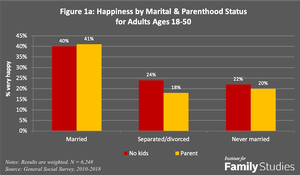
Research shows married people are more likely to report being "very happy" than unmarried individuals. However, having children does not necessarily increase happiness, and parents experience more daily stress than non-parents.
Key Point: Marriage is associated with higher happiness, but not guaranteed.
Key Point: Child-free couples often have more stability and less stress.
Example: Divorce rates are high, with 40-50% of marriages ending in divorce.
Divorce and Changing Cultural Norms
Divorce rates have risen due to changing cultural beliefs, increased economic independence of women, and higher expectations for marriage. Women are more likely to initiate divorce, especially among college-educated groups.
Key Point: Divorce is more common in Western societies, where marriage is seen as alterable and fulfilling.
Key Point: Cultural norms strongly influence marriage, divorce, and family life.
Example: In India, divorce is stigmatized and rare due to cultural expectations.




Expectations and Marriage Satisfaction
Modern couples expect marriage to be personally fulfilling and a foundation for family life. Higher expectations can lead to dissatisfaction if not met, contributing to divorce rates.
Key Point: Marriage satisfaction depends on communication, equality, and mutual support.
Key Point: Egalitarian marriages are rare, but increasingly desired.
Example: Women still perform more housework than men, even in dual-income households.

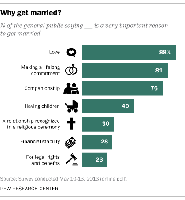
Summary Table: Reasons for Marriage
Reason | Percentage |
|---|---|
Love | 88% |
Making a lifelong commitment | 81% |
Companionship | 76% |
Having children | 49% |
Religious beliefs | 30% |
Legal rights and benefits | 23% |
Conclusion
Early adulthood is a period of peak physical health, evolving mental health, and significant life decisions regarding relationships and family. Both genetic and environmental factors shape well-being, and cultural norms influence marriage and divorce. Understanding these dynamics is essential for psychology students studying human development and social behavior.
