 Back
BackEmotion and Well-Being: Foundations, Universality, and Social Functions
Study Guide - Smart Notes
 Tailored notes based on your materials, expanded with key definitions, examples, and context.
Emotion and Well-Being
Defining Emotion
Emotions are brief, subjective responses to challenges or opportunities that are appraised as important to our goals. They manifest in patterns of experience, expression, and physiological changes. Understanding emotions is crucial for interpreting human behavior and mental processes.
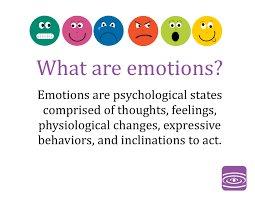
Emotion: A complex psychological state involving thoughts, feelings, physiological changes, expressive behaviors, and inclinations to act.
Mood: A more diffuse feeling state not necessarily linked to a specific event.
Affect: An automatic response indicating whether something is good or bad.
Appraisal: The subjective evaluation of events as relevant to one’s goals, which explains why people react differently to the same situation.
Example: Two students may experience different levels of stress about giving a presentation, depending on their personal appraisals of the situation.
Why Do We Have Emotions?
Emotions serve adaptive functions that are essential for survival and social interaction.
Promote belongingness and facilitate social bonds.
Communicate social information to others through facial expressions, voice, and touch.
Guide thinking and learning by influencing attention and memory.
Motivate behavior by preparing the body for action.
Counteract negative emotions with positive emotions, supporting psychological resilience.
Emotional Expression: Universal and Culturally Specific
Universality of Emotional Expression
Some emotional expressions are universal, rooted in biology and evolution. Paul Ekman identified six basic emotions that are recognized across cultures: happiness, sadness, anger, fear, surprise, and disgust.
Evolutionary Theory: Emotions are biologically based and have evolved because they are adaptive for survival.
Genetic Basis: Genetics lay the foundation for the development of emotional responses.
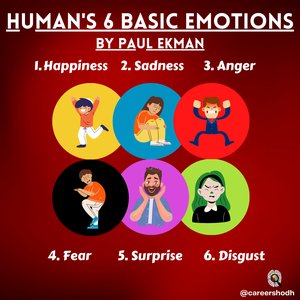
Example: The Fore tribe in Papua New Guinea demonstrated recognition of these basic emotions, supporting their universality.
Cultural Specificity of Emotional Expression
While basic emotions are universal, cultures differ in how emotions are expressed, valued, and regulated.
Focal Emotions: Some emotions are more prominent in certain cultures.
Emotional Regulation: Strategies for managing emotions (e.g., suppression or expression) vary across cultures.
Value of Emotions: Cultures differ in which emotions are considered desirable or appropriate.
Emotional Expression in Other Animals
Many animals display emotional expressions similar to humans, such as embarrassment, which serves social functions like appeasement and reconciliation.

Example: Embarrassment in humans resembles appeasement signals in other species, helping to avoid conflict and promote group cohesion.
Emotional Development
Basic Emotions in Childhood
Emotional development begins in childhood, with basic emotions emerging early and becoming more differentiated with age.
Self-Awareness: Develops between 12 and 24 months, as demonstrated by the rouge test.
Self-Conscious Emotions: Such as embarrassment, guilt, and pride, emerge as children become aware of themselves as individuals.
Emotions and Social Relationships
Social Functioning Theory
Emotions play a critical role in forming, maintaining, and negotiating social relationships, including romantic bonds, friendships, and group identities.
Commitment: Emotions promote behaviors that benefit others and strengthen social bonds.
Collaboration: Emotional expressions coordinate interactions and attachments, such as between parents and children.
Emotional Mimicry: People often mimic the emotions of others, especially those with higher status, enhancing group cohesion.
Oxytocin: A hormone that contributes to building commitment and trust in relationships.
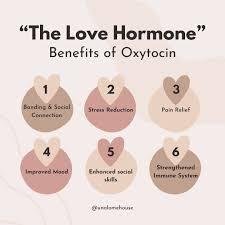
Example: Supportive touch, such as a pat on the back, can facilitate collaboration and trust through the release of oxytocin.
Group Identity and Status
Emotions help individuals find their place within groups and understand social hierarchies. Emotions like pride, envy, and anger signal status and influence group dynamics.
Emotions and Understanding the Social World
Influence on Social Perception
Emotions shape how people interpret social contexts. For example, fear or trauma can heighten sensitivity to threats, while positive emotions broaden attention and foster empathy.
Broaden and Build Model: Positive emotions expand cognitive and behavioral repertoires, increasing social connections and resources.
Happiness and Subjective Well-Being
Defining Happiness
Happiness, or subjective well-being, is typically defined as a combination of life satisfaction and emotional well-being (experiencing more positive than negative emotions).
Benefits of Happiness: Stronger relationships, increased creativity, better health, and greater longevity.
Social Connections: The presence of social ties is a strong predictor of happiness.
Health: Satisfaction with one’s health predicts happiness more strongly than objective health status.
Affective Forecasting
Affective forecasting refers to predictions about how future events will impact happiness. People often overestimate the impact of single events (impact bias) and neglect other factors (focalism).
Example: People may believe winning the lottery or experiencing a setback will have a lasting effect on happiness, but typically adapt over time.
Cultivating Happiness
Happiness can be increased through gratitude, generosity, mindfulness, and focusing on experiences rather than material possessions.
Gratitude Practice: Regularly listing positive experiences can boost happiness.
Emotional Intelligence
Definition and Importance
Emotional intelligence (EI) is the ability to recognize, understand, and manage one’s own emotions and the emotions of others. High EI is associated with better relationships, greater life satisfaction, and psychological well-being.
Components of EI: Perceiving emotions, assimilating emotion-related feelings, understanding emotional information, and managing emotions.
