 Back
BackExercise as a Support Tool for Depression and Anxiety: Mechanisms, Measurement, and Evidence
Study Guide - Smart Notes
 Tailored notes based on your materials, expanded with key definitions, examples, and context.
Exercise and Mental Health: Depression and Anxiety
Introduction
This section explores the relationship between exercise and two major psychological disorders: depression and anxiety. It covers definitions, epidemiology, measurement, evidence for exercise as prevention and treatment, and the mechanisms underlying these effects.
Understanding Depression and Anxiety
Major Depressive Disorder (MDD)
Major Depressive Disorder is a common and serious medical illness that negatively affects how you feel, think, and act. Also known as major depression or clinical depression, it is characterized by persistent sadness and a lack of interest or pleasure in previously rewarding or enjoyable activities.
Symptoms: Persistent sadness, changes in appetite, sleep disturbances, loss of pleasure, feelings of worthlessness.
Diagnosis: Based on symptom duration, impact on functioning, and disproportionate response to circumstances.

Anxiety Disorders
Anxiety disorders differ from normal feelings of nervousness or anxiousness and involve excessive fear or anxiety. They include several subtypes:
Generalized Anxiety Disorder (GAD): Persistent and excessive worry that interferes with daily life.
Panic Disorder: Frequent and unexpected panic attacks.
Social Anxiety Disorder: Intense, persistent fear of being watched or judged by others.
Phobia Disorders: Intense fear of specific objects or situations.
Obsessive-Compulsive Disorder (OCD): Unreasonable thoughts, fears, and ritualistic behaviors.
State vs. Trait Anxiety
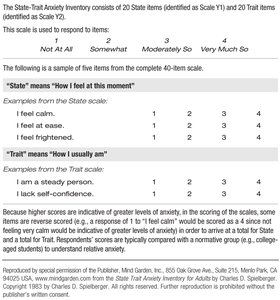
State Anxiety: A transient emotional state characterized by feelings of apprehension, doom, or threat, often accompanied by heightened autonomic nervous system activity. Induced by specific situations.
Trait Anxiety: A general predisposition to respond with apprehension, worry, and nervousness across many situations. Occurs on a daily basis.
Components of Anxiety
Cognitive: Worry, fear.
Somatic: Physiological arousal such as increased heart rate, blood pressure, muscle tension, and sweaty palms.
Epidemiology of Depression and Anxiety
Prevalence and Impact
Globally, 450 million people struggle with mental illness, making it a leading cause of disability.
In Canada, 1 in 2 people experience mental illness by age 40, with peak onset between ages 15-24.
The economic burden in Canada is estimated at $51 billion per year.
Measuring Depression and Anxiety in Exercise Psychology
Measuring Depression
Symptomatic Measures: Assess feelings, appetite, sleep, loss of pleasure, etc.
Diagnostic Measures: Include seeking treatment, medical diagnosis, and medication use.
Example: Beck Depression Inventory (BDI) – a 21-item self-report scale measuring severity of depression.
Measuring Anxiety
Psychological Measures: Self-report inventories such as the State-Trait Anxiety Inventory (STAI).
Physiological Measures: Muscle tension (electromyography), blood pressure, heart rate, skin conductance.
Effects of Exercise on Depression and Anxiety
Prevention: Primary and Secondary
Primary Prevention: Preventing the onset of depression or anxiety in healthy individuals.
Secondary Prevention: Early treatment and resolution among those already diagnosed.
Evidence for Prevention
Cross-sectional studies show higher levels of exercise are associated with lower levels of depression and anxiety symptoms across countries and age groups.
Prospective cohort studies indicate that inactivity precedes depression, suggesting a causal relationship.
Meta-analyses show that 2.5 hours of brisk walking per week is associated with a 25% lower risk of depression; 1.5 hours per week yields an 18% lower risk.

Evidence for Treatment
Meta-analyses of randomized controlled trials (RCTs) demonstrate that exercise has a large and significant antidepressant effect among people with MDD.
Exercise interventions also show moderate to large effects in reducing anxiety symptoms, especially with mind-body modalities (e.g., Tai Chi, Pilates, Yoga, Qigong, resistance training).
Optimal parameters: 3 sessions/week, 50 minutes/session, for 8 weeks.

Treatment Approaches for Depression and Anxiety
Standard Treatments
Psychotherapy: Cognitive-behavioral therapy (CBT) is a common and effective approach.
Pharmacological Treatment: Antidepressant or anti-anxiety medications (e.g., SSRIs).
Other: Relaxation techniques, engaging in pleasurable activities, and social contact.
Treatment | Effect Size |
|---|---|
Walking or Jogging | 0.63 |
Yoga | 0.55 |
SSRIs + Exercise | 0.55 |
Strength Training | 0.49 |
Cognitive Behavioral Therapy | 0.55 |
SSRIs | 0.26 |



Exercise as a Treatment
Exercise is a well-tolerated and effective treatment for depression, with walking, yoga, and strength training showing the greatest benefits.
Exercise can be considered alongside psychotherapy and antidepressants as a core treatment for depression.
Moderators and Optimal Exercise Parameters
Who Benefits Most?
Exercise benefits men and women, active and inactive, young and old.
Larger effects are observed in unfit, highly anxious or depressed individuals compared to fit, low-anxious/depressed individuals.
Type, Frequency, and Intensity
All types of exercise are beneficial, but aerobic, rhythmic, repetitive, and enjoyable activities yield the largest effects.
Optimal frequency: 3 sessions per week.
Optimal session length: 20-50 minutes.
Optimal intensity: Mild to moderate.
Mechanisms: How Does Exercise Affect Mood, Depression, and Anxiety?
Cognitive Explanations
Expectancy Hypothesis: Individuals expect to feel better after exercise, which influences their self-reported mood improvement.
Perceived Health: Feeling healthier after exercise mediates the relationship between physical activity and happiness.
Distraction Hypothesis: Exercise provides a 'time out' from stress, but studies show greater psychological benefit than distraction alone.
Mastery/Achievement Hypothesis: Accomplishing exercise goals enhances mood through a sense of achievement.
Physiological Explanations
Thermogenic Hypothesis: Increased core body temperature from exercise leads to muscle relaxation and reduced anxiety.
Endorphin Hypothesis: Exercise increases endorphin release, which may enhance mood and reduce pain, though research is inconclusive.
Serotonin Hypothesis: Exercise increases serotonin availability, improving mood and emotional regulation (similar to SSRIs).
Opponent Process Hypothesis: The brain counteracts unpleasant exercise experiences by initiating pleasant processes, leading to improved mood post-exercise.
Take-Home Points
Exercise can serve as an effective treatment and preventive strategy for depression and anxiety.
Numerous factors may prevent individuals with depression or anxiety from utilizing exercise as a management tool.
Exercise should be considered as part of a comprehensive approach to mental health, alongside psychotherapy and medication.
