 Back
BackGenetics and Development: Foundations for Psychology Students
Study Guide - Smart Notes
 Tailored notes based on your materials, expanded with key definitions, examples, and context.
Genetics & Development
Core Concepts in Genetics
Genetics is the study of heredity and variation in organisms. Understanding genetics is fundamental to developmental psychology, as it explains how traits are inherited and how genetic and environmental factors interact to shape human development.
Genes: Small sections of DNA that act as instructions for cell growth, function, and development. Humans share over 20,000 genes.
Chromosomes: Structures that contain genes; most humans have 46 chromosomes (23 pairs).
Alleles: Different versions of the same gene. Homozygous means two identical alleles; heterozygous means two different alleles.
Dominant vs. Recessive: Dominant alleles express their trait if present; recessive alleles require two copies to be expressed.
Polygenic Traits: Traits influenced by multiple genes, such as height, weight, and personality.

Sex Chromosomes and Genetic Variation
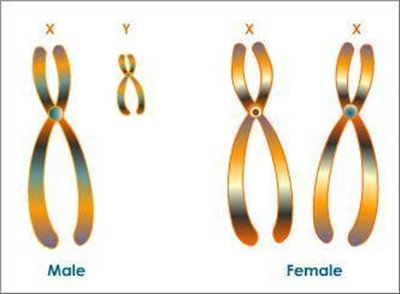
Sex chromosomes determine biological sex and contribute to genetic diversity. The 23rd pair of chromosomes are sex chromosomes: XX (typically female) or XY (typically male), but natural variations exist.
Sex Chromosome Inheritance: The sex chromosome from the father determines assigned sex at conception.
Variation: Not all individuals fit the XX/XY binary; chromosomal variations (e.g., XXY, XO) can occur.
Twins and Genetic Research
Twin studies are a powerful tool in behavioral genetics, helping to distinguish genetic and environmental influences.
Monozygotic (MZ) Twins: Identical twins from one fertilized egg; share ~100% of genes.
Dizygotic (DZ) Twins: Fraternal twins from two eggs; share ~50% of genes.

Animal Models in Genetic Research
Animal models are used to study brain anatomy, function, and genetic disorders. They provide insight into evolutionary origins and allow testing of treatments before human trials.
Common Genes: Many genes are conserved across species due to evolution.
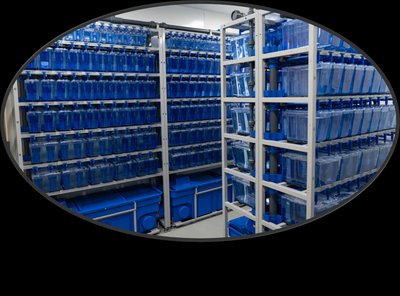
Examples: Zebrafish are used to study anxiety and responses to chemicals.
Precautionary Statement: Anthropomorphism
Anthropomorphism is the attribution of human characteristics to animals or objects. In research, it is important to avoid over-interpreting animal behaviors as directly equivalent to human behaviors.
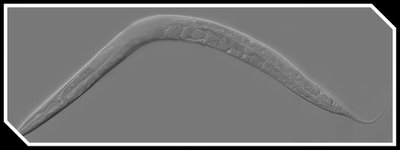
Example: Habituation in worms may be linked to human developmental disorders, but social behaviors may not be comparable.
Meiosis and Genetic Diversity
Meiosis is a type of cell division that produces sex cells (sperm and eggs), reducing chromosome number by half and increasing genetic diversity.
Purpose: Ensures offspring have the correct number of chromosomes.
Genetic Diversity: Meiosis introduces variation through recombination.
Inheritance Patterns
Traits and disorders can be inherited in different ways, including dominant, recessive, and sex-linked patterns.
Dominant: One copy needed for trait expression.
Recessive: Two copies needed for trait expression.
Sex-linked: Traits/disorders located on sex chromosomes, often affecting males more.
Polygenic Traits
Polygenic traits are influenced by multiple genes, resulting in a range of possible outcomes.
Example: Height is determined by the cumulative effect of many genes.

Behavioral Genetics: Genes and Environment
Behavioral genetics examines how genes and environments interact to shape behavior. The interplay is bidirectional: environments can influence gene expression, and genetic tendencies shape experiences.
Genotype–Environment Correlations: Passive, evocative, and active (niche picking).
Genotype–Environment Interaction: Environmental effects depend on genetic risk.


Epigenetics
Epigenetics refers to changes in gene expression that do not alter DNA sequence but can be influenced by environmental factors such as nutrition, stress, and teratogens. These changes can be inherited and explain differences in identical twins over time.
Example: Early environments can shift gene expression, affecting learning and growth.

Genetic Disorders
Genetic disorders can be inherited in autosomal dominant, autosomal recessive, or sex-linked patterns. Early identification and intervention can improve outcomes.
Inheritance Pattern | Examples | Implications |
|---|---|---|
Autosomal Recessive | Cystic Fibrosis, Sickle Cell, PKU, Tay-Sachs | Two copies needed; carriers may be unaware |
Autosomal Dominant | Huntington's, Tourette, Achondroplasia | One copy needed; often shows up if inherited |
X-linked | Fragile X, Hemophilia, Duchenne Muscular Dystrophy | Males at higher risk; females may be carriers |
Aneuploidy and Chromosomal Disorders
Aneuploidy refers to an abnormal number of chromosomes. The most common example is Down syndrome (trisomy 21), where there is an extra copy of chromosome 21.
Other Trisomies: Trisomy 13 (Patau), Trisomy 18 (Edward's); often associated with severe developmental issues.
Triploidy/Tetraploidy: Rare conditions with three or four copies of every chromosome; long-term survival is rare.
Genetic Counselling
Genetic counselling helps individuals and families understand genetic risks, interpret testing results, and make informed decisions about reproduction and health management.
Approaches: Risk surveillance (monitoring and early intervention) and genetic pre-selection (testing to reduce risk).
Factors: Decision-making is shaped by inheritance risk, treatability, family values, and access to care.
Manipulating Genetics
Modern techniques allow manipulation of genetics for research and therapy.
Cloning: Creating genetically identical organisms (e.g., Dolly the sheep).
Selective Breeding: Choosing parents to produce desired traits.
Transgenic Techniques: Inserting genes from other species (e.g., fluorescent genes in animals).
CRISPR: A recent development in gene editing, allowing precise changes to DNA.
Pharmacogenetic Testing
Pharmacogenetic testing examines how genes affect responses to medications, helping to guide treatment choices and reduce side effects.
Brain Anatomy and Development
The cerebral cortex is divided into four lobes, each with distinct functions. Brain development continues into the mid-20s, with processes such as myelination and synaptic pruning improving efficiency and specialization.
Frontal Lobe: Executive functions, voluntary movement, speech production.
Parietal Lobe: Touch, spatial awareness, attention.
Temporal Lobe: Hearing, language, memory, emotion.
Occipital Lobe: Visual processing.
Myelination: Speeds up neural communication.
Synaptic Pruning: Removes unused connections, strengthens used ones.
Corpus Callosum: Connects hemispheres, improves coordination.
Summary Table: Key Genetic Concepts
Concept | Definition | Example |
|---|---|---|
Gene | DNA segment coding for a trait | Eye color gene |
Allele | Variant of a gene | B (brown), b (blue) |
Dominant | Expressed with one copy | B (brown eyes) |
Recessive | Expressed with two copies | b (blue eyes) |
Polygenic | Multiple genes influence trait | Height |
Epigenetics | Gene expression changes | Stress affecting learning |
Sample Exam Questions
Multiple Choice: Most humans have _____ PAIRS of chromosomes. A) 18 B) 21 C) 23 D) 46
Short Answer: When is gene-editing research for neurodevelopmental conditions ethical or unethical? Give one example of ethical use and one example of unethical use. Recommend how researchers should involve families to make gene therapy research ethical.
Key Takeaways
Genetics and environment interact to shape development.
Animal models provide insight into human development and disorders.
Inheritance patterns affect risk and expression of genetic disorders.
Epigenetics explains how experiences can alter gene expression.
Brain development is a prolonged process, influenced by genetics and environment.
