Back
BackGoal Setting and Self-Regulated Learning: Psychological Foundations for University Success
Study Guide - Smart Notes
 Tailored notes based on your materials, expanded with key definitions, examples, and context.
Goal Setting in University Life
Introduction to Goal Setting
Goal setting is a fundamental psychological process that empowers university students to transform their academic and personal experiences. By establishing clear objectives, students can unlock their potential and navigate the complexities of university life with greater focus and resilience.

Why Goal Setting Matters
Goal setting is crucial for university students as it provides structure and motivation, helping them manage competing demands and achieve success.
Provides Direction and Focus: Goals help students prioritize tasks and manage coursework, exams, extracurriculars, and personal well-being.

Boosts Motivation and Effort: Clear goals encourage persistence during challenges and sustain effort during demanding tasks.

Enhances Time Management: Goal setting enables effective time allocation, breaking down large tasks, and reducing procrastination.

Promotes Self-Reflection and Growth: Regular goal evaluation fosters self-awareness and identifies areas for improvement.

Builds Confidence and Resilience: Achieving goals increases self-efficacy and adaptability in the face of setbacks.

Effective Goal Setting Methods
SMART Goals Framework
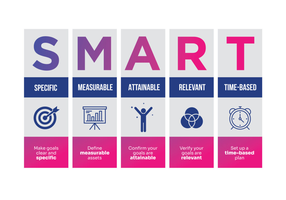
The SMART framework is a widely used method in psychology for setting effective goals. It ensures goals are well-defined and achievable.
Specific: Clearly define what you want to achieve. Example: "Finish reading two chapters of my psychology textbook by Friday."

Measurable: Ensure progress can be tracked, such as using a checklist.

Achievable: Goals should be challenging but realistic.

Relevant: Connect goals to long-term aspirations, such as improving GPA.

Time-bound: Set deadlines to maintain urgency and focus.


Short-Term, Medium-Term, and Long-Term Goals
Psychological research emphasizes the importance of aligning daily actions with broader ambitions through a hierarchy of goals.
Short-Term Goals: Daily or weekly tasks that contribute to immediate progress.

Medium-Term Goals: Semester-long objectives that bridge short-term actions and long-term aspirations.

Long-Term Goals: Career or personal ambitions that guide overall direction.

Connecting the Dots: Linking these goals ensures coherence and sustained motivation.

The Self-Regulated Learning Cycle
Self-regulated learning is a psychological model that integrates goal setting into three phases: forethought, performance, and self-reflection.
Forethought: Set clear, SMART goals before starting a task.

Performance: Monitor progress and stay focused during the task.

Self-Reflection: Evaluate outcomes and adjust strategies for future tasks.

Maintaining Accountability
Accountability Systems
Accountability is a psychological mechanism that increases commitment to goals. Sharing goals or using self-monitoring tools can significantly enhance achievement.
Shared Goals with Peers: Group accountability fosters motivation.

Mentorship Accountability: Mentors provide guidance and external accountability.

Self-Accountability Tools: Planners, apps, and journals help track progress.

Breaking Down Big Goals
Stepwise Approach to Large Goals
Dividing large goals into smaller, manageable tasks is a psychological strategy that reduces overwhelm and increases the likelihood of success.
Identify the Larger Goal: Clearly define the main objective.

Break It Down into Smaller Tasks: Segment the goal into actionable steps.

Assign Deadlines: Set specific deadlines for each task.

Create a Timeline: Sequence tasks logically to visualize progress.

Monitor and Adjust: Regularly review and adapt your plan.

Celebrating Small Wins
Positive Reinforcement
Recognizing progress and small milestones is a psychological technique that boosts motivation and reinforces positive habits.
Example: Completing an assignment, acing a quiz, or maintaining focus during a study session are all small wins worth celebrating.

Staying Flexible
Adaptability in Goal Setting
University life is unpredictable, and effective goal setting requires adaptability. Psychological research supports the importance of flexibility and a growth mindset.
Embrace the Unpredictable: Adapt to shifting deadlines and opportunities.

Adjust Timelines as Needed: Refine goals and strategies to remain relevant.

Revisit and Refine: Regularly review and modify goals to align with evolving priorities.

Maintain a Growth Mindset: View challenges as opportunities for learning and improvement.
Key Takeaways
SMART Goals: Set specific, measurable, achievable, relevant, and time-bound goals.

Align Short-Term and Long-Term: Link daily actions to broader aspirations.

Embrace Self-Regulated Learning: Integrate goal setting into the learning cycle.

Maintain Accountability: Use peer, mentor, or self-accountability tools.

Break Down Big Goals: Divide goals into manageable steps.

Celebrate Small Wins: Recognize progress to boost motivation.

Stay Flexible: Adapt goals and strategies as needed.

Conclusion
By embracing the power of goal setting, university students can unlock their full potential, navigate academic challenges with focus and resilience, and lay the foundation for long-term success. Start your university journey with a clear vision, and let goal setting be your compass to academic and personal fulfillment.