 Back
BackHealth Psychology: Stress, Coping, and Health
Study Guide - Smart Notes
 Tailored notes based on your materials, expanded with key definitions, examples, and context.
Health Psychology and Stress
Introduction to Health Psychology
Health psychology examines the interplay between psychological processes and physical health, focusing on how stress, behavior, and mental states influence well-being and illness. This field integrates knowledge from psychology, biology, and social sciences to understand health outcomes.
Psychoneuroimmunology
Definition and Scope
Psychoneuroimmunology is the study of the relationship between the immune system and nervous system functioning. It explores how psychological factors such as stress and emotions can impact immune responses and overall health.
Stress can suppress immune function, increasing susceptibility to illness.
Positive emotions and adequate sleep can enhance immune functioning.
Understanding Stress
Definition and Appraisal
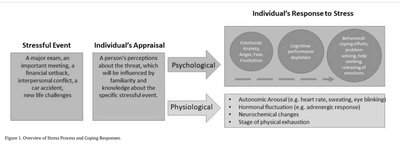
Stress is the psychological and physiological response to events that threaten or challenge an individual. The experience of stress is subjective and depends on personal perception and available coping resources.
Primary appraisal: Assessing whether an event is significant or threatening.
Secondary appraisal: Evaluating whether one has the resources to cope with the event.
Example: A surprise test may be stressful for one student but not for another, depending on their appraisal of the situation and their coping resources.
Types of Stressors
Cataclysmic events: Sudden, large-scale events affecting many people (e.g., natural disasters, pandemics).
Personal stressors: Major life events (e.g., death, job loss, marriage).
Background stressors: Daily hassles and minor irritations (e.g., traffic, long lines).
Post-Traumatic Stress Disorder (PTSD)
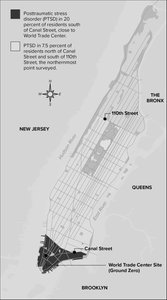
PTSD is a disorder resulting from exposure to major stressors or trauma, characterized by flashbacks, emotional numbing, sleep difficulties, and interpersonal problems. Incidents that produce feelings of helplessness can lead to PTSD.
Measuring Stress: Holmes-Rahe Life Stress Inventory
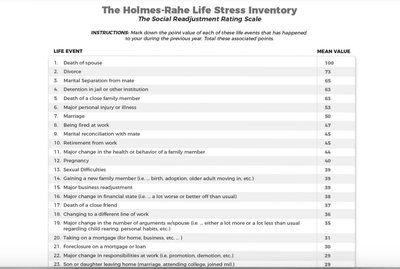
The Holmes-Rahe Life Stress Inventory assigns numerical values to major life events to quantify stress levels. Higher scores are correlated with increased risk of physical and mental health issues.
Stress and Technology
Screen Time and Mental Health
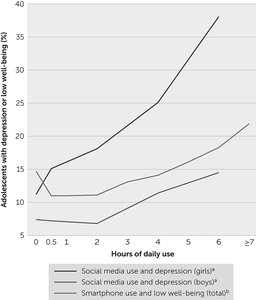
Research indicates that increased screen time, especially among adolescents, is associated with higher rates of depression, anxiety, and behavioral problems. Reducing screen time can improve well-being, sleep quality, and reduce stress.
Physiological Responses to Stress
The Science of Stress
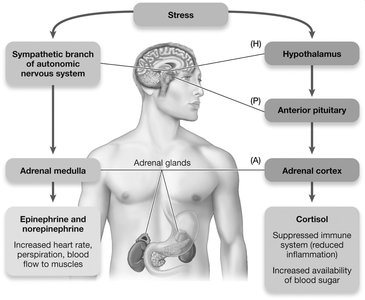
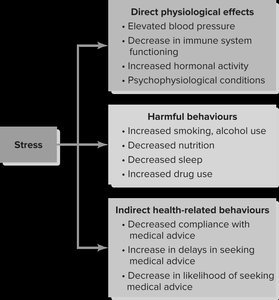
When stressed, the body releases hormones such as adrenaline and cortisol from the adrenal glands. These hormones prepare the body for a 'fight or flight' response but can be harmful if activated chronically.
Short-term stress: Increased heart rate, blood pressure, sweating, and rapid breathing.
Long-term (chronic) stress: Can damage the heart, weaken the immune system, and increase susceptibility to illness.


Stress and the Immune System
The immune system defends against infection and cancer. Chronic stress suppresses immune function, particularly by reducing the activity of lymphocytes (white blood cells), leading to increased illness.
Health Consequences of Stress
Cardiovascular: High blood pressure, arterial buildup, risk of heart attack.
Digestive: Changes in gut bacteria, heartburn, weight gain due to cortisol.
Other effects: Weaker immune system, acne, hair loss, headaches.


Psychophysiological Disorders
These disorders highlight the link between mental states and physical health. Stress can directly cause physical symptoms such as headaches, back pain, skin rashes, fatigue, and stomach problems.

General Adaptation Syndrome (GAS)
Stages of GAS
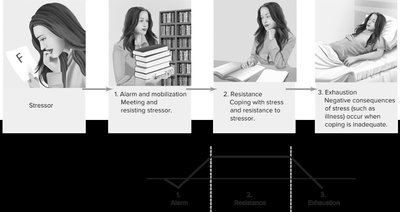
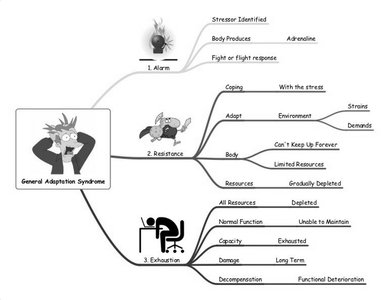
Hans Selye's General Adaptation Syndrome describes the body's response to stress in three stages:
Alarm: Initial reaction, fight or flight response.
Resistance: Coping with the stressor, maintaining arousal.
Exhaustion: Resources depleted, increased risk of illness.
Personality and Stress: Coronary Heart Disease
Personality Types
Personality Type | Characteristics | Chance of Coronary Heart Disease |
|---|---|---|
Type A | Competitive, aggressive, hostile, impatient | High |
Type B | Easy-going, calm, patient, creative | Low |
Type D | Negative emotions, anxious, insecure | Very high |
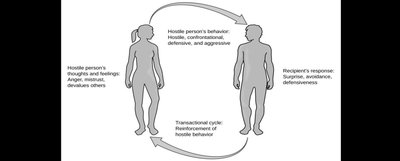
Type A personality, especially hostility, is linked to higher rates of heart disease due to increased physiological arousal and stress hormone release.
Coping and Stress Management
Types of Coping
Emotion-focused coping: Managing emotional responses to stress (e.g., deep breathing, talking to friends).
Problem-focused coping: Addressing the source of stress directly (e.g., study groups, seeking help).


Building Resilience
Resilience is the ability to bounce back from adversity. High resilience is associated with optimism, confidence, and effective coping.
Support systems (friends, family)
Growth mindset (belief in improvement through effort)
Learning from challenges




Hardiness
Hardiness is a personality trait linked to lower stress-related illness, consisting of commitment, control, and viewing change as a challenge rather than a threat.
Sense of Control and Locus of Control
A strong sense of control predicts better stress responses and health outcomes. Locus of control refers to beliefs about the degree of control over life events:
Internal locus: Belief in personal control over outcomes.
External locus: Belief that outcomes are determined by external factors (luck, fate).








Learned Helplessness
Learned helplessness occurs when individuals believe they have no control over negative situations, leading to passivity and depression. Classic studies by Seligman & Maier (1967) demonstrated this effect in animals and humans.
Compensatory Control
When personal control is threatened, people may use compensatory strategies to restore a sense of order, such as detecting patterns or attributing meaning to random events.
Social Support
Being part of a supportive social network provides emotional, informational, and practical resources that buffer against stress and promote health.
Expressive Writing and Confiding
Research shows that writing or talking about traumatic events can improve immune function and reduce health problems, especially when discussing previously undisclosed experiences.
Unhealthy (Maladaptive) Coping
Avoidance
Substance use
Excessive screen time
Social withdrawal
Doomscrolling
Doomscrolling is a maladaptive coping strategy where individuals compulsively consume negative news online, increasing anxiety and rumination without resolving underlying stressors.
Prayer and Health
Some studies suggest that prayer and spiritual practices may have health benefits, including improved outcomes in medical settings, possibly through psychological and social mechanisms.
