Back
BackHealth, Stress, and Coping: Key Concepts in Health Psychology
Study Guide - Smart Notes
 Tailored notes based on your materials, expanded with key definitions, examples, and context.
Health Psychology
Definition and Scope
Health psychology examines how biological, social, and psychological factors influence health and illness. It explores behaviors such as smoking and obesity, and their impact on physical and mental well-being.
Health Psychology: The study of how psychological processes affect health, illness, and healthcare.
Example: Investigating how stress contributes to heart disease.
Smoking
Nicotine and Its Effects
Nicotine, the active compound in tobacco, acts as an acetylcholine (ACh) agonist and influences both physical and psychological health.
Positive Effects: Improved memory, concentration, reduced stress and anxiety, enhanced mood, hunger suppression.
Negative Effects: Toxic chemicals damage lungs and body, increased risk of cancer, heart disease, pulmonary diseases, and death.
Prevention: Laws banning smoking, taxes, and warning labels.
Conditioning and Reward Circuit
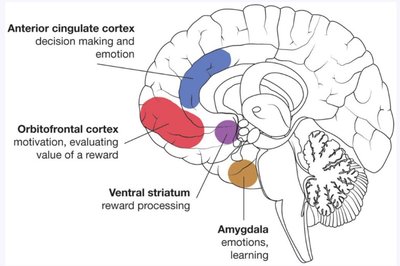
Smoking behaviors are reinforced through conditioning, with cues activating the brain's reward circuit.
Positive Reinforcement: Smoking provides pleasurable effects.
Negative Reinforcement: Smoking reduces unpleasant feelings (e.g., stress).
Obesity
Body Mass Index (BMI) and Health Consequences
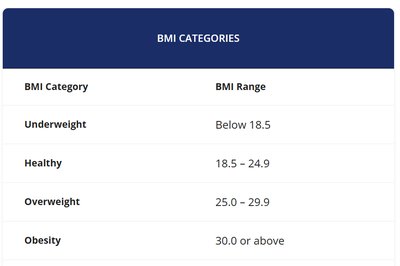
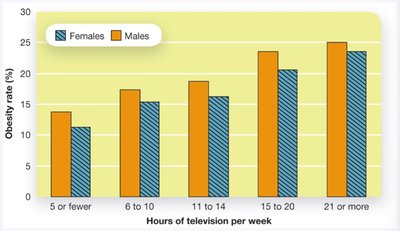
Obesity is measured using the Body Mass Index (BMI), which estimates healthy body weight based on height. Obesity is associated with several health risks.
BMI Formula:
Health Consequences: Cardiovascular disease, diabetes, osteoarthritis, cancer.
Influences: Genetics, set point theory, sedentary lifestyle.
Barriers to Weight Loss: Biological, psychological, and environmental factors.

Stress
Causes and Appraisal
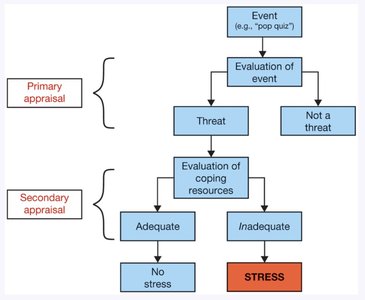
Stress is a psychological and physiological reaction occurring when perceived demands exceed existing resources. The cognitive appraisal theory explains how individuals evaluate stressors.
Stress: Response to challenging or threatening situations.
Cognitive Appraisal Theory: Stress depends on how an event is interpreted and the perceived ability to cope.
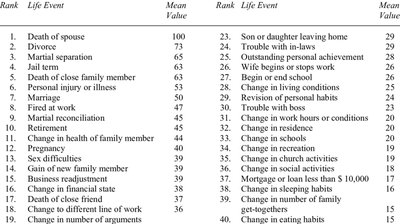
Social Readjustment Rating Scale: Measures stress based on life events.
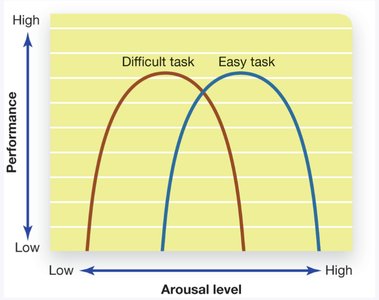
Task Performance: Stress affects performance depending on task difficulty and arousal level.
Physiology of Stress
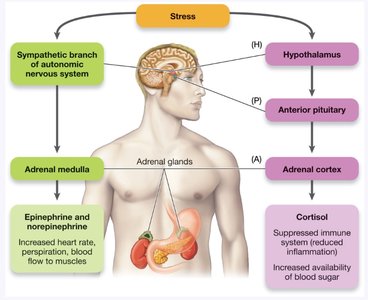
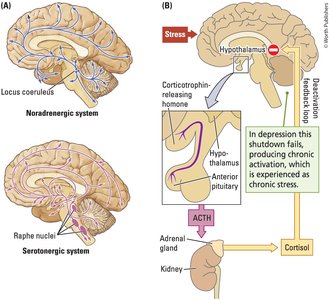
The body responds to stress through the fight-or-flight response and the general adaptation syndrome (GAS), involving the autonomic nervous system (ANS) and the hypothalamic-pituitary-adrenal (HPA) axis.
Fight or Flight Response: Physiological changes in response to threats.
General Adaptation Syndrome (GAS): Stages of alarm, resistance, and exhaustion.
ANS: Sympathetic (activates) and parasympathetic (calms) branches.
HPA Axis: Regulates stress hormones (e.g., cortisol).
Immunity & Illness
Psychoneuroimmunology and Disease
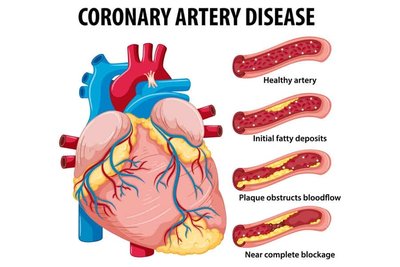
Psychoneuroimmunology studies the relationship between the nervous system and immune function. Chronic stress can increase the risk of coronary heart disease and other illnesses.
Coronary Heart Disease: Blockage of arteries due to fatty deposits, often linked to stress.
Stress and Personality: Type A (impatient, competitive) vs. Type B (relaxed, easygoing).
Stress Eating: Emotional eating in response to stress.
Coping & Well-Being
Coping Strategies
Coping refers to the processes used to manage demands, stress, and conflict. Strategies include problem-focused and emotion-focused coping, and positive psychology emphasizes human strengths and resilience.
Problem-Focused Coping: Addressing the source of stress directly.
Emotion-Focused Coping: Managing emotional responses to stress.
Positive Psychology: Study of strengths, positive emotions, and potential.
Resilience: Ability to recover from adversity.
Post-Traumatic Growth: Positive psychological change following trauma.
Example: Viktor Frankl's "Despair equals Suffering minus Meaning" highlights the importance of finding meaning in adversity.
Meditation & Relaxation
Meditation Techniques and Benefits
Meditation involves shifting consciousness to a state of high focus and awareness. Techniques include focused attention (FA) and open monitoring (OM) meditation. Mindfulness-based stress reduction (MBSR) is a structured approach to reducing stress and increasing well-being.
Meditation: Procedures for enhancing focus, awareness, and control of mental processes.
FA Meditation: Concentrating on a single object or thought.
OM Meditation: Observing thoughts and sensations without judgment.
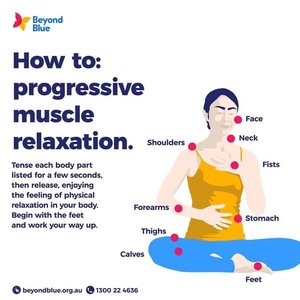
MBSR: Mindfulness-based stress reduction, including techniques like body scan.
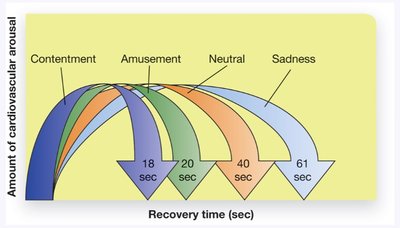
Benefits: Reduced stress, increased happiness, improved recovery of ANS, greater sense of meaning.