 Back
BackHeredity and Genetics: Foundations of Biological Psychology
Study Guide - Smart Notes
 Tailored notes based on your materials, expanded with key definitions, examples, and context.
Heredity and Genetics
Introduction to Heredity and Genetics
Heredity and genetics are foundational concepts in understanding how biological factors influence behavior and development. Genetics explores how traits are passed from parents to offspring through genes, while heredity refers to the transmission of these genetic characteristics across generations.
Conception and the Formation of a New Life
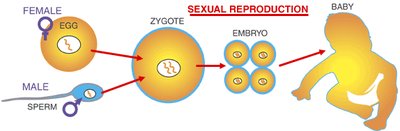
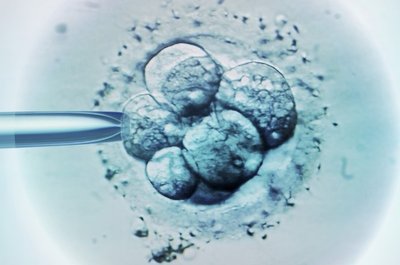
Conception occurs when a sperm cell from a male fertilizes an egg cell from a female, resulting in the formation of a zygote.
The zygote contains a complete set of 46 chromosomes (23 pairs), half from each parent, which carry the genetic instructions for development.
After fertilization, the zygote undergoes mitosis, a process of cell division that leads to the formation of an embryo and, eventually, a fully developed human being.
Each cell in the human body contains the same genetic information, but different cells express different genes, leading to specialized functions.
Genes, Chromosomes, and DNA
Structure and Function of Genes and Chromosomes
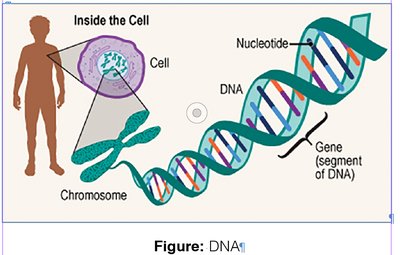
Genes are segments of DNA located on chromosomes within the cell nucleus. They serve as instructions for building proteins, which are essential for the structure and function of the body.
Chromosomes are thread-like structures made of DNA and proteins, found in the nucleus of each cell.
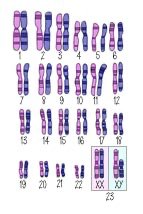
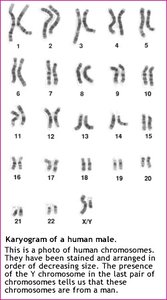
Humans have 23 pairs of chromosomes: 22 pairs of autosomes and 1 pair of sex chromosomes (XX for females, XY for males).
Genes are the basic units of heredity, each coding for specific proteins or traits.
DNA (deoxyribonucleic acid) is composed of four nucleotide bases: adenine (A), thymine (T), cytosine (C), and guanine (G).
The sequence of these bases determines genetic information.
DNA Structure and Base Pairing
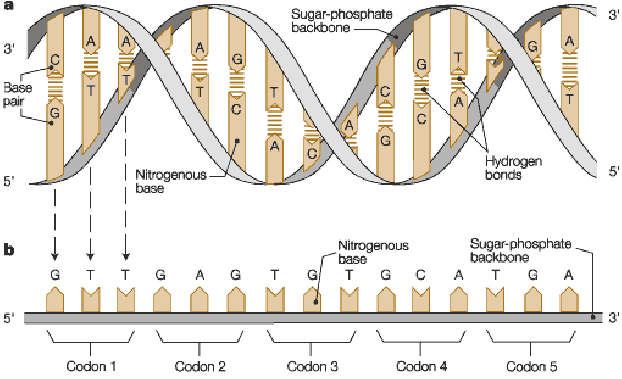
DNA is structured as a double helix, with base pairs forming the rungs of the ladder. The rules of base pairing are:
Adenine (A) pairs with Thymine (T)
Cytosine (C) pairs with Guanine (G)
This complementary base pairing ensures accurate replication and transmission of genetic information.
From Genes to Proteins: The Genetic Code
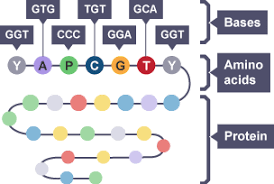
The genetic code is read in sets of three bases called codons, each specifying a particular amino acid. Proteins are synthesized through two main processes:
Transcription: DNA is transcribed into messenger RNA (mRNA).
Translation: mRNA is translated into a chain of amino acids, forming a protein.
There are 20 standard amino acids, and the sequence of codons determines the sequence of amino acids in a protein.
Genetic Variation and Inheritance
Chromosome Numbers in Different Species
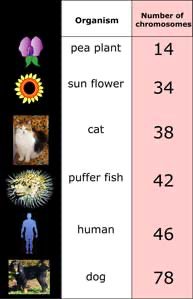
Different organisms have varying numbers of chromosomes, but the number does not directly correlate with complexity. For example:
Organism | Number of Chromosomes |
|---|---|
Pea plant | 14 |
Sunflower | 34 |
Cat | 38 |
Puffer fish | 42 |
Human | 46 |
Dog | 78 |
Human Chromosomes and Karyotypes
Human chromosomes can be visualized and identified using a karyotype, which arranges chromosomes by size and shape. The 23rd pair determines biological sex (XX or XY).
Genotype, Phenotype, and Patterns of Inheritance
The genotype is the genetic makeup of an individual, while the phenotype is the observable expression of traits. Genes exist in different forms called alleles. Inheritance patterns include:
Homozygous: Two identical alleles for a trait.
Heterozygous: Two different alleles for a trait.
Dominant alleles express their trait even if only one copy is present.
Recessive alleles require two copies to be expressed.
Polygenic and Multifactorial Inheritance
Many traits, such as height, intelligence, and personality, are influenced by multiple genes (polygenic inheritance) and environmental factors (multifactorial inheritance). These traits show continuous variation rather than simple dominant-recessive patterns.
Twins and Genetic Uniqueness
Monozygotic and Dizygotic Twins
Twin studies help researchers understand the influence of genetics and environment. There are two main types of twins:
Monozygotic (identical) twins: Develop from a single fertilized egg that splits, sharing 100% of their genes.
Dizygotic (fraternal) twins: Develop from two separate eggs fertilized by different sperm, sharing about 50% of their genes.
Monozygotic twins are genetically identical, while dizygotic twins are as genetically similar as regular siblings.
Conjoined Twins
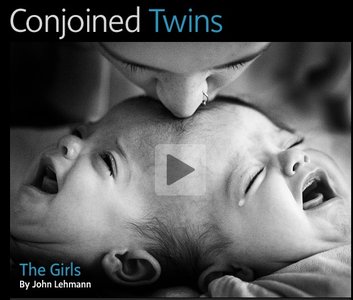
Conjoined twins result from incomplete splitting of the zygote. They are always genetically identical and may share organs or body parts. Separation surgery is complex and risky, depending on the extent of shared structures.



Patterns of Inheritance
Dominant and Recessive Inheritance
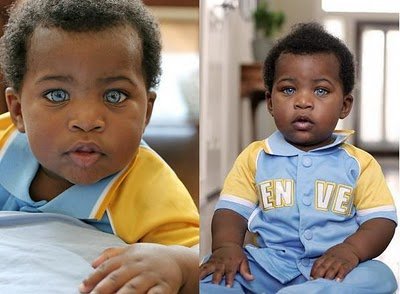
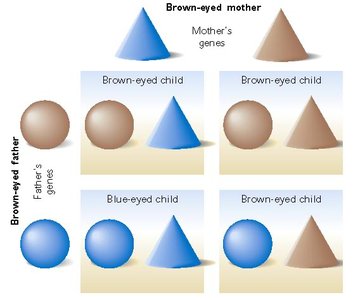
Some traits are determined by simple dominant-recessive relationships. For example, brown eyes are dominant over blue eyes. A child must inherit two recessive alleles (one from each parent) to express a recessive trait like blue eyes.
Recessive Disorders
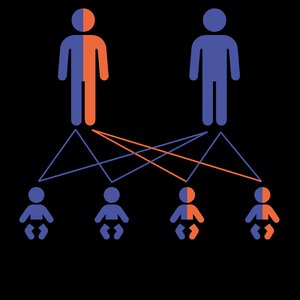
Some genetic disorders are inherited in a recessive manner, meaning both parents must pass on the defective gene for the child to be affected. Examples include:
Sickle cell disease
Cystic fibrosis
Tay-Sachs disease
Phenylketonuria (PKU)
Sex-Linked (X-Linked) Disorders
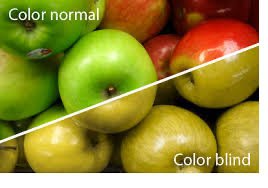
Sex-linked disorders are associated with genes on the X chromosome. Males are more likely to express these disorders because they have only one X chromosome. Examples include:
Red-green color blindness
Hemophilia
Duchenne muscular dystrophy
Fragile X syndrome
Chromosomal Abnormalities
Common Chromosomal Disorders
Chromosomal abnormalities occur when there are extra or missing chromosomes. The most common is Down syndrome (Trisomy 21), where an individual has three copies of chromosome 21. Other examples include Turner syndrome (XO) and Klinefelter syndrome (XXY).

Epigenetics and Gene Expression
Epigenetic Mechanisms
Epigenetics studies how environmental factors can influence gene expression without altering the DNA sequence. Mechanisms include DNA methylation and histone modification, which can turn genes on or off. Epigenetic changes are reversible and can be influenced by diet, stress, and other environmental factors.
Gene Therapy and Genetic Engineering
Gene Therapy
Gene therapy involves inserting, altering, or removing genes to treat or prevent disease. There are two main types:
Somatic gene therapy: Targets body cells and is not inherited by offspring.
Germline gene therapy: Targets reproductive cells and can be passed to future generations (currently not practiced in humans due to ethical concerns).
CRISPR and Gene Editing
CRISPR-Cas9 is a revolutionary gene-editing technology that allows precise modifications to DNA. It holds promise for treating genetic disorders such as sickle cell disease, cystic fibrosis, and more. However, ethical and safety concerns remain, especially regarding potential heritable changes.
Summary Table: Key Genetic Concepts
Concept | Definition |
|---|---|
Gene | Segment of DNA coding for a protein |
Chromosome | Structure carrying genetic information |
Allele | Different version of a gene |
Genotype | Genetic makeup of an individual |
Phenotype | Observable traits |
Dominant | Allele expressed with one or two copies |
Recessive | Allele expressed only with two copies |
Polygenic | Trait influenced by multiple genes |
Epigenetics | Study of changes in gene expression not involving DNA sequence changes |
Additional info: This guide expands on the original notes with definitions, examples, and tables for clarity. It is designed to be a comprehensive yet concise resource for psychology students studying the biological basis of behavior.
