 Back
BackIntroduction to Psychology: Foundations and Research
Study Guide - Smart Notes
 Tailored notes based on your materials, expanded with key definitions, examples, and context.
Introduction to Psychology
Definition and Scope
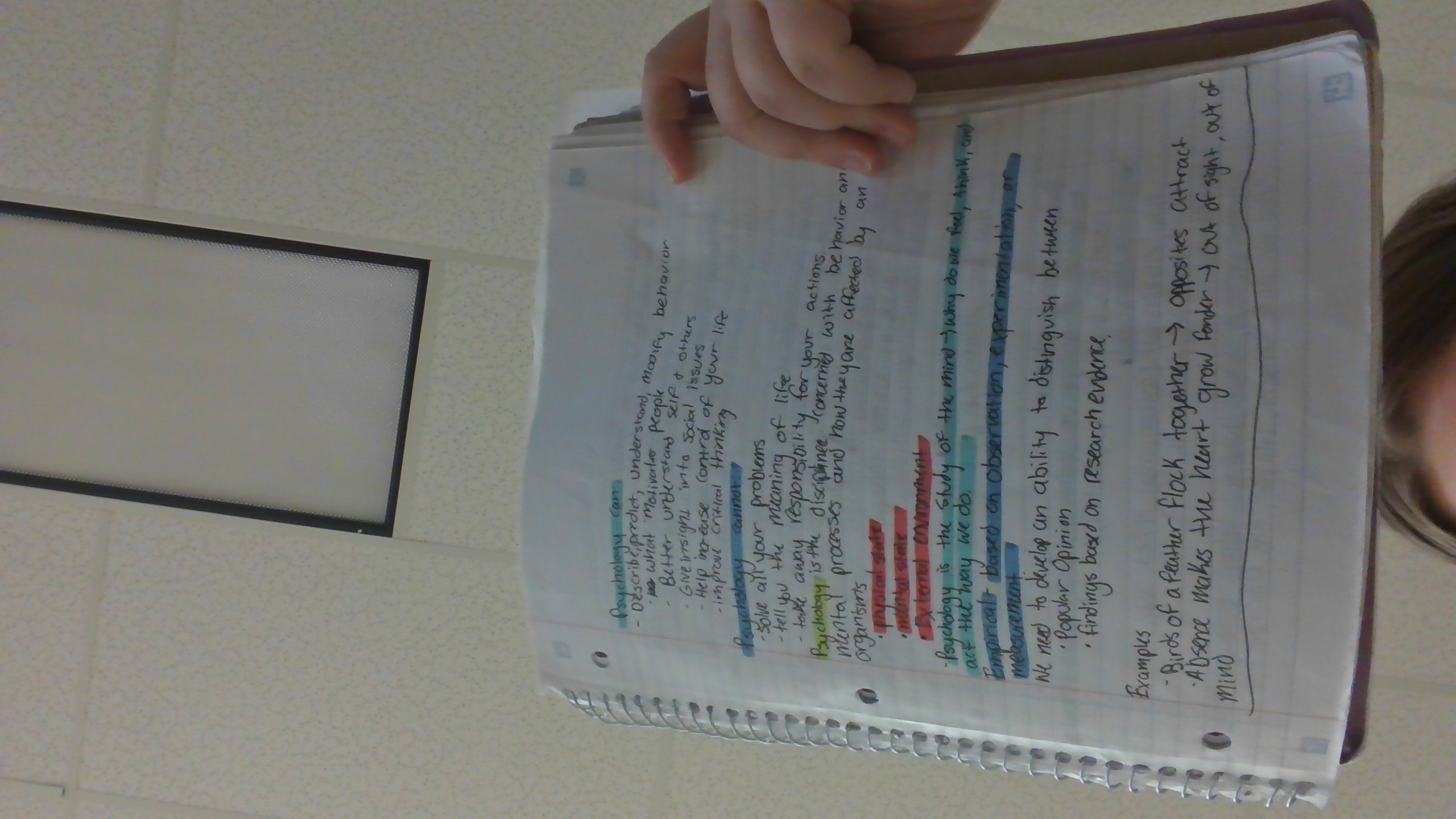
Psychology is the scientific study of the mind and behavior. It explores how people think, feel, and act, and seeks to understand the underlying processes that govern these actions. Psychologists use observation and experimentation to gather evidence and draw conclusions about mental processes and behavior.
Key Point 1: Psychology examines both observable behaviors and internal mental processes.
Key Point 2: The field relies on scientific methods, including observation and experimentation, to ensure findings are reliable and valid.
Example: Studying how stress affects decision-making or how memory works in different age groups.
Distinguishing Popular Opinion from Research Evidence
Critical Thinking in Psychology
It is important to distinguish between popular opinions and findings based on research evidence. Psychology encourages critical thinking and skepticism, requiring students to evaluate claims and seek evidence before accepting them as true.
Key Point 1: Popular opinions are often based on anecdotal evidence or cultural beliefs, while scientific findings are supported by systematic research.
Key Point 2: Critical thinking involves questioning assumptions and evaluating the quality of evidence.
Example: "Birds of a feather flock together" versus "Opposites attract"—both are popular sayings, but research is needed to determine which is more accurate.
Psychological Concepts and Applications
Understanding Behavior and Mental Processes
Psychology helps individuals understand themselves and others, solve personal problems, and make informed decisions. It also provides tools for analyzing behavior and mental processes, which can be applied to improve relationships, work performance, and overall well-being.
Key Point 1: Psychological concepts can be used to better understand the motivations behind actions and the effects of external influences.
Key Point 2: Applying psychological principles can enhance self-awareness and interpersonal skills.
Example: Using psychological theories to manage stress or improve communication in a team setting.
Examples of Popular Sayings and Psychological Evidence
Common Expressions and Their Scientific Basis
Many common expressions reflect beliefs about human behavior, but not all are supported by scientific evidence. Psychology investigates these claims to determine their validity.
Key Point 1: "Birds of a feather flock together" suggests people with similar traits are drawn to each other.
Key Point 2: "Opposites attract" implies that differences can foster attraction.
Key Point 3: "Absence makes the heart grow fonder" and "Out of sight, out of mind" are conflicting ideas about the effects of separation.
Example: Research studies can test these sayings by examining relationship patterns and emotional responses.
Additional info: Expanded explanations and examples were added to provide academic context and ensure the notes are self-contained for exam preparation.
