 Back
CH. 1: Introduction to Psychology: Foundations, Approaches, and Key Concepts
Study Guide - Smart Notes
 Tailored notes based on your materials, expanded with key definitions, examples, and context.
Introduction to Psychology
Definition and Scope
Psychology is the scientific study of the mind and behavior. Psychologists investigate all aspects of human experience, from the workings of the brain to consciousness, memory, language, reasoning, personality, and mental health.
Psychology comes from 'psych' (soul) and 'ology' (scientific study).
It encompasses both observable behaviors and internal mental processes.
Contemporary psychology includes diverse fields such as biopsychology, cognitive psychology, developmental psychology, personality psychology, social psychology, health psychology, industrial-organizational psychology, sports psychology, clinical psychology, and forensic psychology.
Three Fundamental Ideas
Behavior and mental experiences have physical causes that can be studied scientifically.
People's behaviors, thoughts, and feelings are shaped by their experiences and environment.
The body's machinery, which produces behavior and mental experiences, is a product of evolution by natural selection.
Biopsychology (Neuroscience)
Structure and Function of the Nervous System
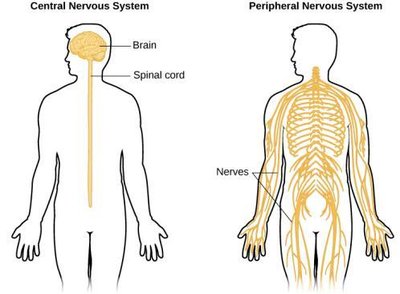
Biopsychology explores how the nervous system's structure and function generate behavior. Research topics include sensory and motor systems, sleep, drug use and abuse, ingestive and reproductive behavior, neurodevelopment, nervous system plasticity, and biological correlates of psychological disorders.
Central Nervous System (CNS): Consists of the brain and spinal cord.
Peripheral Nervous System (PNS): Composed of nerves that connect the CNS to the rest of the body.
Sensation and Perception
Distinction and Influence
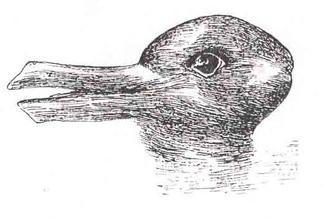
Sensation refers to the process of receiving sensory information (sights, sounds, touch, smell), while perception is the experience of interpreting this information, influenced by attention, prior experiences, and cultural background.
Sensation: The physiological process of detecting stimuli.
Perception: The psychological process of interpreting and making sense of sensory input.
Perception can vary dramatically even when sensory information remains constant.
Developmental Psychology
Physical and Mental Attributes of Aging and Maturation
Developmental psychology studies how people change physically and mentally as they age. This includes the acquisition of skills such as moral reasoning, cognitive abilities, and social skills.
Jean Piaget is renowned for his theories on cognitive development from infancy to adulthood.
Key areas: moral reasoning, cognitive skills, social skills.
Personality Psychology
Traits and Patterns
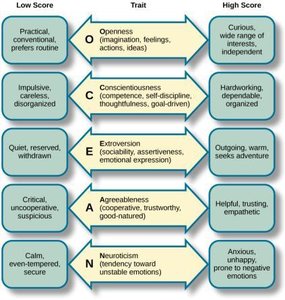
Personality psychology focuses on behaviors and thought patterns unique to each individual. It examines both conscious and unconscious processes and identifies personality traits.
Major studies include trait theory, which classifies personality characteristics.
The Big Five personality traits: Openness, Conscientiousness, Extraversion, Agreeableness, Neuroticism.
Social Psychology
Interactions and Their Effects
Social psychology investigates how individuals interact and relate with others, and how these interactions affect behavior.
Topics include prejudice, attraction, interpersonal conflicts, and obedience.
Social influences can shape attitudes, beliefs, and actions.
Health Psychology
Biopsychosocial Model
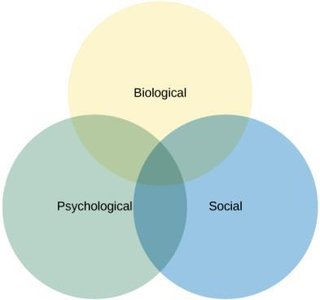
Health psychology examines how individual health is affected by biological, psychological, and sociocultural influences. The biopsychosocial model posits that health and illness result from the interaction of these three factors.
Biological: Genetics, physical health, medication.
Psychological: Thoughts, emotions, behaviors.
Social: Social support, cultural influences.
Clinical Psychology
Diagnosis and Treatment
Clinical psychology focuses on diagnosing and treating psychological disorders and problematic patterns of behavior.
Approaches include psychotherapy, behavioral interventions, and medication.
Clinical psychologists often use standardized diagnostic manuals, such as the DSM-5.
Major Approaches to Psychology
Overview of Unique Approaches
Psychology has evolved through several major theoretical approaches, each offering distinct perspectives on mind and behavior.
Structuralism: Understanding conscious experience through introspection (Wilhelm Wundt).
Functionalism: Focused on how mental activities help organisms adapt to their environment (William James).
Psychoanalytic Theory: Emphasizes the role of the unconscious in affecting conscious behavior (Sigmund Freud).
Gestalt Psychology: Focuses on humans as a whole rather than individual parts (Wertheimer, Koffka, Kohler).
Behaviorism: Observing and controlling behavior (Pavlov, Watson, Skinner).
Humanism: Emphasizes the innate potential for good in all humans (Maslow, Rogers).
Structuralism
Wilhelm Wundt is credited as one of the founders of psychology.
Created the first laboratory for psychological research.
Used introspection to analyze the structure of the mind.
Functionalism
William James, the first American psychologist, established functionalism.
Focused on how mental activities contribute to environmental survival.
Psychoanalytic Theory
Sigmund Freud studied hysteria and neurosis, theorizing that many problems arise from the unconscious mind.
Dream analysis was one method to access the unconscious.
Emphasizes early childhood experiences.
Gestalt Psychology
Founded by Kohler, Koffka, and Wertheimer.
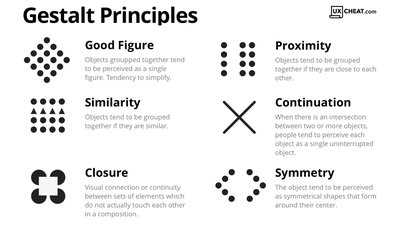
Gestalt means "whole"; perception is shaped by how parts relate to each other as a whole.
Gestalt principles include good figure, proximity, similarity, continuation, closure, and symmetry.
Behaviorism
John B. Watson focused on observable behavior and ways to control it.
B.F. Skinner studied operant conditioning, emphasizing reinforcement and punishment.
Humanism
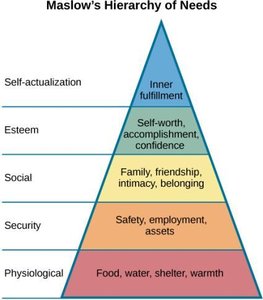
Abraham Maslow proposed a hierarchy of human needs, motivating behavior from basic survival to self-actualization.
Carl Rogers developed client-centered therapy, emphasizing unconditional positive regard, sincerity, and empathy.
The Cognitive Revolution
Shift in Focus
By the 1950s, new perspectives in linguistics, neuroscience, and computer science led to a renewed focus on the mind.
Noam Chomsky was influential in advocating for the inclusion of mental functioning in psychology.
The cognitive revolution emphasized scientific inquiry into mental processes.
Additional info:
Some content was expanded for clarity and completeness, including definitions and examples of key terms.
Images were included only when directly relevant to the explanation of the adjacent paragraph.
