 Back
BackIntroduction to Psychology: Foundations, Goals, and Perspectives
Study Guide - Smart Notes
 Tailored notes based on your materials, expanded with key definitions, examples, and context.
Introduction to Psychology
Definition and Scope
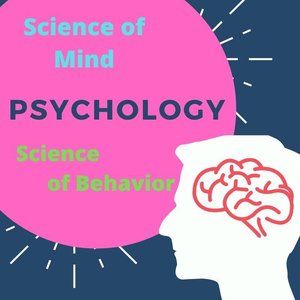
Psychology is the scientific study of mind and behavior. It explores how biological, social, and environmental factors influence thoughts, actions, and feelings. Understanding psychology provides insights into personal actions and enhances comprehension of others.
Mind: Refers to mental processes such as thinking, feeling, and perceiving.
Behavior: Encompasses observable actions and responses.
Applications: Psychology is used in clinical, educational, organizational, and social contexts.
Areas of Psychology
Major Subfields
Psychology is a diverse discipline with several specialized areas, each focusing on different aspects of human and animal behavior.
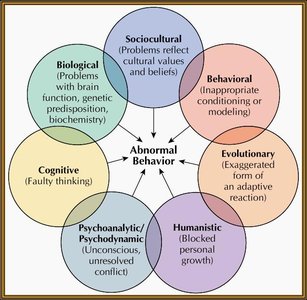
Abnormal Psychology: Studies abnormal behavior and mental disorders; closely linked to clinical psychology.
Biological Psychology: Examines how biological processes (e.g., brain function, genetics) influence behavior.
Clinical Psychology: Focuses on assessment, diagnosis, and treatment of mental disorders.
Cognitive Psychology: Investigates mental processes such as attention, memory, perception, and problem-solving.
Comparative Psychology: Studies animal behavior to understand similarities and differences with humans.
Developmental Psychology: Explores human growth and development across the lifespan.
Forensic Psychology: Applies psychological principles to legal and criminal justice settings.
Industrial-Organizational Psychology: Enhances workplace performance and employee selection.
Personality Psychology: Examines personality development and individual differences.
Social Psychology: Studies group behavior, social influences, attitudes, and prejudice.
The Goals of Psychology
Four Main Goals
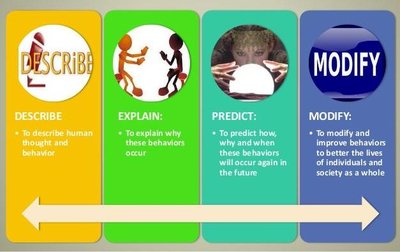
Psychology aims to describe, explain, predict, and change behavior and mental processes. These goals guide research and application in the field.
Describe: Identify and catalog behaviors or mental processes.
Explain: Understand the causes and mechanisms behind behaviors.
Predict: Forecast future behaviors based on empirical findings.
Change: Modify behaviors to improve individual and societal well-being.
History of Psychology
Emergence and Major Schools of Thought
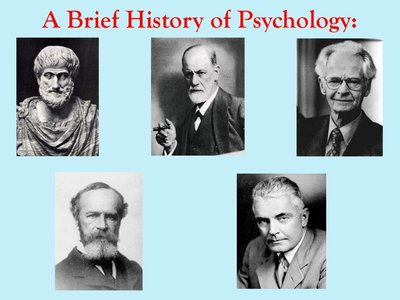
Psychology became a distinct scientific discipline in 1879 with Wilhelm Wundt's laboratory. Over time, various schools of thought have shaped the field.
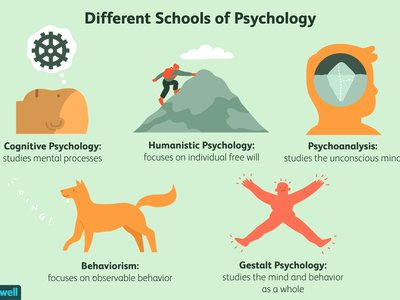
Structuralism: Focused on breaking down mental processes into basic components.
Functionalism: Emphasized the purpose of consciousness and behavior.
Psychoanalysis: Explored the influence of the unconscious mind (Freud).
Behaviorism: Studied observable behaviors, minimizing internal mental states.
Humanistic Psychology: Highlighted personal growth and self-actualization.
Cognitive Psychology: Investigated internal mental processes.
Psychology as a Science
Empirical Approach and Scientific Features
Psychology employs scientific methods to study behavior and mental processes. Empiricism, founded by John Locke, asserts that knowledge comes from sensory experience.
Empirical Evidence: Data collected through observation or experimentation.
Objectivity: Minimizing bias and personal influence in research.
Hypothesis Testing: Formulating and testing predictions derived from theories.
Replication: Repeating studies to verify results and ensure reliability.
Predictability: Using research findings to anticipate future behaviors.
Major Perspectives in Modern Psychology
Contemporary Approaches
Modern psychology integrates multiple perspectives to understand complex behaviors. Each perspective offers unique insights and methods.
Psychodynamic Perspective: Emphasizes the unconscious mind, early experiences, and interpersonal relationships.
Behavioral Perspective: Focuses on learned behaviors and reinforcement.
Cognitive Perspective: Studies mental processes using information-processing models.
Biological Perspective: Investigates genetic, neurological, and physiological bases of behavior.
Cross-Cultural Perspective: Examines how culture influences behavior and thinking.
Evolutionary Perspective: Applies principles of evolution to psychological phenomena.
Humanistic Perspective: Highlights motivation, self-actualization, and personal growth.
Impact of Psychology
Applications and Societal Benefits
Psychology benefits individuals and society by improving mental health, understanding behavior, enhancing productivity, and designing safer environments. Psychologists use scientific methods to diagnose, treat, and predict human behavior.
Diagnosis and Treatment: Addressing mental health issues.
Understanding Behavior: Explaining why people act as they do.
Improving Ergonomics: Designing better products and workspaces.
Motivation and Productivity: Helping people achieve goals.
The Scientific Method in Psychology
Key Terms and Steps
The scientific method is a structured process for investigating psychological phenomena. It involves forming hypotheses, operationalizing variables, designing research, and publicizing findings.
Hypothesis: An educated, testable prediction about the relationship between variables.
Variable: An element that can change and be measured.
Operational Definition: Specifies how variables are measured and manipulated.
Theory: A set of principles explaining phenomena, which must be testable and falsifiable.
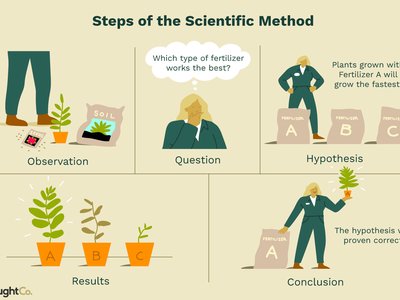
Steps of the Scientific Method:
Observation (Empiricism)
Formulation of a problem/issue
Frame a hypothesis to be tested
Research design and data collection
Theorize and publicize findings
References
American Psychological Association. (2023). Publication manual of the American Psychological Association (7th ed.).
Baron, R. A., Branscombe, N. R., & Byrne, D. (2017). Social psychology (14th ed.). Pearson Education.
Carlson, N. R., & Birkett, M. A. (2017). Physiology of behavior (12th ed.). Pearson.
Ciccarelli, S. K., & White, J. N. (2021). Psychology (6th ed.). Pearson.
Coon, D., & Mitterer, J. O. (2016). Introduction to psychology: Gateways to mind and behavior (15th ed.). Cengage Learning.
Feldman, R. S. (2019). Understanding psychology (15th ed.). McGraw-Hill Education.
Hockenbury, D. H., & Hockenbury, S. E. (2018). Discovering psychology (8th ed.). Worth Publishers.
Myers, D. G., & DeWall, C. N. (2020). Psychology (13th ed.). Worth Publishers.
Plotnik, R., & Kouyoumdjian, H. (2017). Introduction to psychology (11th ed.). Cengage Learning.
Schacter, D. L., Gilbert, D. T., Wegner, D. M., & Nock, M. K. (2021). Psychology (6th ed.). Worth Publishers.
