 Back
Karen Horney’s Theory of Personality and Coping: Study Guide
Study Guide - Smart Notes
 Tailored notes based on your materials, expanded with key definitions, examples, and context.
Personality & Coping
Exploring Reactions to Common Scenarios
Our responses to everyday situations, such as social exclusion or roommate conflict, reveal important aspects of our personality and coping strategies. These reactions are shaped by both our individual traits and learned behaviors.
Scenario 1: Social Exclusion – Feeling left out by friends can trigger emotional responses and coping mechanisms.
Scenario 2: Roommate Conflict – Dealing with unfairness or conflict at home tests our ability to manage stress and assert needs.
Consistency of Responses – How we react across different scenarios may indicate stable personality traits or flexible coping skills.
Effective Coping Strategies – Some strategies, such as problem-solving or seeking support, are more adaptive than avoidance or aggression.
Example: A person who consistently seeks social support when stressed may be more resilient than someone who withdraws.

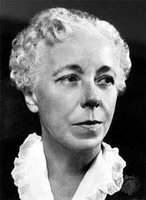
Karen Horney: Social Psychoanalysis
Departure from Traditional Psychoanalysis
Karen Horney (1885–1952) was a pioneering psychologist who challenged Sigmund Freud’s views, especially regarding female psychology and the role of biological instincts. She emphasized the importance of social and cultural factors in personality development.
Anatomy ≠ Destiny – Horney rejected the idea that biological sex determines psychological destiny.
Female Motivation ≠ Penis Envy – She argued that women’s motivations are not rooted in envy of male anatomy.
Instincts Not the Source of All Behavior – Social needs and relationships play a greater role than instincts.
Personality Development
Parent-Child Relationship and Self-Realization
Horney believed that the relationship between parents and child is the decisive factor in personality growth. The goal of a healthy personality is self-realization, which involves developing one’s potentials and the desire to be loved by others.
Social Needs – Children require safety and warmth from parents for healthy development.
Biological Needs – While important, these are secondary to social needs.
Basic Evil – Parental indifference, hostility, broken promises, or overprotection can lead to feelings of isolation.
Basic Anxiety – The child feels lonely and threatened in a hostile world.
Basic Hostility – Anger towards parents, often repressed to maintain survival.
Example: A child who experiences warmth and nurturing is more likely to develop a secure personality, while one exposed to basic evil may develop anxiety and hostility.
Neurotic Needs and Coping Strategies
Development of Coping Styles
When children feel anxious, they develop specific coping strategies known as neurotic needs. These are ways to manage basic anxiety and hostility, and while everyone experiences them, neurotics focus on one or two throughout life.
Neurosis – A part of normal life, serving as a way to make life bearable through interpersonal control and coping.
Neurotic Needs – Insatiable and often worsen anxiety rather than relieve it.
Three Categories of Neurotic Trends
Horney classified neurotic needs into three main categories, each reflecting a different way of relating to others:
Category | Type | Characteristics | Example Thought |
|---|---|---|---|
Moving Toward Others | Compliant | Dependent, unassertive | "If I give in, I won’t be hurt" |
Moving Against Others | Hostile | Aggressive, competitive, exploits | "If I have power, no one can hurt me" |
Moving Away from Others | Detached | Self-sufficient, alienated, aloof | "If I withdraw, no one can hurt me" |



Defense Mechanisms and Coping with Anxiety
Real vs. Ideal Self
Horney described a conflict between the real self (often seen as unlovable) and the ideal self (the way one "should" be). The "tyranny of the shoulds" refers to the pressure to conform to unrealistic standards.
Externalization – Attributing one’s feelings to others and believing they are responsible for one’s difficulties.
Blind Spots – Unawareness of behaviors inconsistent with the ideal self.
Compartmentalization – Not recognizing incompatible behaviors simultaneously.
Excessive Self-Control – Avoiding strong emotions to prevent being overwhelmed.
Elusiveness – Avoiding commitment to escape conflict.
Comparison: Horney vs. Freud
Agreements and Disagreements
Both Horney and Freud recognized the importance of anxiety and conflict, as well as childhood experiences. However, Horney was more optimistic and emphasized sociocultural factors over biological instincts.
Freud – Focused on id, ego, and superego; biological instincts.
Horney – Focused on real vs. ideal self; dependency and hostility; self-realization and desire to be loved.
Penis Envy – Horney rejected Freud’s concept, suggesting women’s envy is of social power, not anatomy. She also introduced "womb envy" for men.
Applications of Horney’s Theory
Sexuality and Relationships
Horney identified three types of sexual relationships: establishing contact, submitting for fear of rejection, and using sexuality as an outlet for anxiety.
Need for Achievement – Women may be discouraged from success due to social consequences ("fear of success").
Consumer Psychology – Different personality types prefer different products: compliant types favor personal products, hostile types prefer "masculine" products, and detached types show no preference.
Therapy and Self-Analysis
Horney’s therapeutic approach involves confronting neurotic needs and challenging the ideal self. Self-analysis can provide insights, though some blind spots may remain.
No "Band-Aid" Solutions – Therapy aims for deep understanding and change.
Self-Analysis – Useful for specific problems or regular reflection.
Summary Table: Horney’s Main Points
Concept | Description |
|---|---|
No biological (instinct) motivations | Personality shaped by social needs |
Self-realization | Health and motivation |
Basic evil, hostility, anxiety | Sources of personality problems |
10 Neurotic Needs, 3 Trends | Categories of coping styles |
Defense Mechanisms | Real vs. ideal self, externalization, etc. |
Role of anxiety, conflict, childhood | Central to personality development |
Example: When faced with stress, a compliant type may seek approval, a hostile type may try to win, and a detached type may avoid the situation.
Additional info: Horney’s theory is influential in modern psychology for its focus on social and cultural factors, and its optimistic view of human growth and self-realization.
