 Back
BackLifespan Development II: Adolescence, Adulthood, and Aging
Study Guide - Smart Notes
 Tailored notes based on your materials, expanded with key definitions, examples, and context.
Adolescence
Definition and Puberty
Adolescence is defined as the transitional period between childhood and adulthood, marked by the onset of sexual maturity and the assumption of adult roles and responsibilities. Puberty is a key biological process during this stage, involving significant hormonal and physical changes.
Adolescence: The period between sexual maturation and attainment of adult roles.
Puberty: The process of reaching sexual maturity and reproductive capability, driven by a brain-neuroendocrine process involving the hypothalamus, pituitary gland, and gonads.
Primary sexual characteristics: Changes in sexual organs (e.g., ovaries, testes).
Secondary sexual characteristics: Other physical changes indicating sexual maturity (e.g., breast development, voice changes).
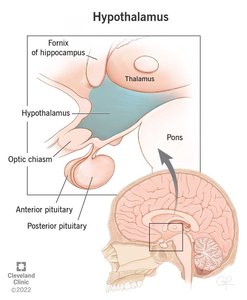
Example: The hypothalamus releases GnRH, which stimulates the pituitary gland to release hormones that act on the gonads, initiating puberty.
Physical and Emotional Changes
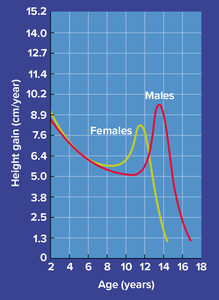
The timing and experience of puberty can vary between individuals and genders, with notable differences in the age of onset and the sequence of physical changes. Puberty is occurring earlier now compared to a century ago, which has social and emotional consequences.
Gender differences: Girls typically begin puberty earlier than boys, with differences in height and weight gain patterns.
Consequences: Early or late puberty can lead to emotional and social pressures, and different gender expectations.
Brain development: The frontal lobes, responsible for decision-making and self-control, continue to mature during adolescence.
Emotional Regulation
Adolescents often experience heightened emotionality due to ongoing brain development, particularly in regions involved in self-control and emotional regulation. Strategies for managing emotions are still developing during this period.
Self-control strategies: Emotion suppression, sharing emotions, and cognitive reframing.
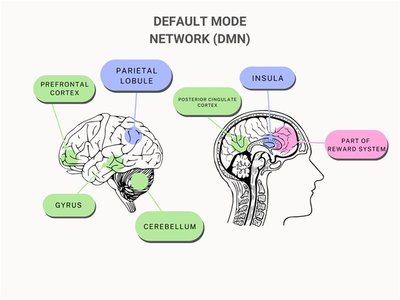
Default mode network (DMN): A network of brain regions active during self-referential thought and emotion regulation.
Delayed gratification: The ability to resist immediate rewards in favor of long-term goals, which improves with age.
Risk-taking: Adolescents are more likely to engage in risky behaviors, influenced by cultural and neurological factors.
Moral Reasoning
Moral reasoning evolves throughout development, with adolescents beginning to consider more complex ethical dilemmas. Lawrence Kohlberg's theory outlines stages of moral development, and the social intuitionist model emphasizes the role of intuition and emotion in moral judgments.
Kohlberg's stages:
Preconventional morality: Focus on personal consequences.
Conventional morality: Focus on social rules and approval.
Postconventional morality: Focus on abstract principles and justice.
Social intuitionist model: Suggests that moral judgments are often driven by intuitive emotional responses rather than deliberate reasoning.

Identity Formation
Identity formation is a central task of adolescence, involving the development of a clear sense of self and social belonging. Peer groups, romantic relationships, and experiences of social inclusion or exclusion all contribute to identity development.
Identity: Understanding who you are, your social groups, and your roles in society.
Peer groups: Cliques and crowds provide social support and influence identity.
Social exclusion: Experiences of exclusion or shame can impact self-esteem and identity.
Romantic relationships: Begin to play a significant role in social and emotional development.
Adulthood & Aging
Emerging, Early, and Middle Adulthood
Adulthood is divided into several stages, each characterized by unique developmental tasks and challenges. Emerging adulthood (18-24) is a period of continued brain maturation and exploration of identity, while early (30-45) and middle adulthood (45-65) involve physical stability and life transitions such as menopause.
Emerging adulthood: Continued brain development, exploration of autonomy, relatedness, and competence.
Early & middle adulthood: Physical changes plateau, with some gender-specific changes (e.g., menopause in women).
Love, Marriage, and Relationships
Romantic relationships and marriage are significant aspects of adult life. Research explores the impact of marriage and cohabitation on happiness, as well as factors that predict relationship success or failure.
Marriage rates: Vary by culture and over time.
Relationship satisfaction: Commitment and cohabitation can both contribute to happiness.
Divorce predictors: The "Four Horsemen of the Apocalypse"—criticism, defensiveness, contempt, and stonewalling—are strong predictors of relationship breakdown.

Late Adulthood
Late adulthood is marked by changes in social priorities, cognitive functioning, and brain structure. The socioemotional selectivity theory (SST) suggests that older adults prioritize emotionally meaningful relationships and experiences. Cognitive decline, including dementia and Alzheimer's disease, becomes more prevalent with age.
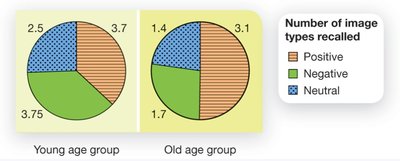
Socioemotional selectivity theory (SST): Older adults focus on positive, emotionally satisfying experiences and relationships.
Loneliness: Peaks in the 20s, mid-40s, and is lowest in the 60s.
Positivity effect: Older adults tend to recall more positive than negative information.
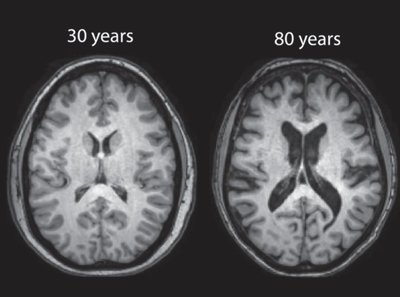
Brain changes: Structural and functional changes, including shrinkage and loss of volume.
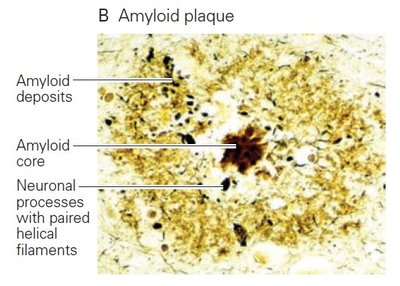
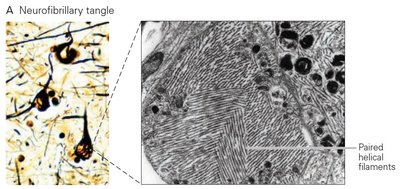
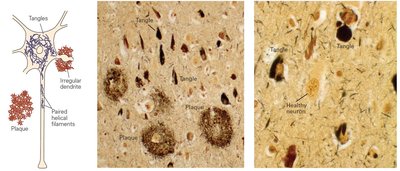
Dementia & Alzheimer's disease: Characterized by the accumulation of neurofibrillary tangles and β-amyloid plaques, leading to deterioration of the medial temporal lobe (MTL) and hippocampus (HC).
Additional info:
Improving cognitive functioning: Research is ongoing into interventions that may slow cognitive decline, such as cognitive training, physical exercise, and social engagement.
