 Back
BackLifespan Development: Introduction and Key Concepts
Study Guide - Smart Notes
 Tailored notes based on your materials, expanded with key definitions, examples, and context.
Lifespan Development
Introduction to Lifespan Development
Lifespan development is a core area of psychology that examines how individuals change and remain the same throughout their lives. This field explores the physical, cognitive, and psychosocial domains of development from conception to death. Understanding these processes helps explain how genetics, environment, culture, and relationships shape who we are and who we become.
Lifespan Development: The study of human growth and changes across the entire life cycle, including infancy, childhood, adolescence, adulthood, and old age.
Domains of Development: Includes physical (biological changes), cognitive (thinking, learning, memory), and psychosocial (emotions, relationships, social development).
Continuity and Change: Lifespan development investigates both the aspects of our lives that remain stable and those that evolve over time.
Influences: Genetics, environment, culture, and relationships all interact to influence development.
Applications: Insights from lifespan development inform education, parenting, healthcare, and counseling.
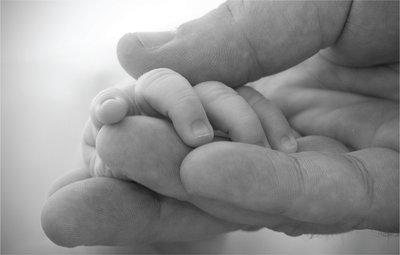
Three Domains of Development
Psychological science divides human development into three main domains, each with distinct characteristics and milestones. These domains interact throughout life, shaping our overall development.
Physical Development: Refers to changes in the body and brain, including growth, motor skills, puberty, aging, and health.
Cognitive Development: Involves changes in thinking, reasoning, problem-solving, memory, and language.
Psychosocial Development: Encompasses emotional regulation, personality, relationships, and social interactions.
Example: An infant's ability to walk (physical), recognize objects (cognitive), and form attachments (psychosocial) are all developmental milestones.
Key Questions in Lifespan Development
Lifespan development addresses fundamental questions about human nature and change. These questions guide research and theory in developmental psychology.
How do people change from childhood to adulthood?
What aspects of personality and ability remain stable?
How do genetics and environment interact to shape development?
What are the major milestones in each domain?
How do culture and relationships influence development?
Major Theories and Research in Lifespan Development
Several influential theories and research studies have shaped our understanding of lifespan development. These include attachment theory, cognitive development models, and studies on parenting and culture.
Attachment Theory: Developed by Bowlby and Ainsworth, this theory explains how early relationships with caregivers influence emotional and social development.
Cognitive Development: Piaget's stages describe how children's thinking evolves from infancy to adulthood.
Parenting Styles: Baumrind's research identifies different approaches to parenting and their effects on child outcomes.
Socioemotional Selectivity: Carstensen's theory explores how social and emotional priorities change in adulthood.
Example: The "Strange Situation" experiment by Ainsworth assesses attachment security in infants.
References and Further Reading
The chapter provides a comprehensive list of references, including foundational studies and contemporary research in developmental psychology. These sources cover topics such as attachment, cognitive milestones, parenting, culture, and aging.
Classic Studies: Bowlby (1969), Ainsworth (1970, 1978), Piaget (1930, 1932, 1954), Erikson (1963, 1968).
Contemporary Research: Arnett (2000), Carstensen (1992), Baumrind (1991), Hertzog et al. (2009).
Applications: Research informs practices in education, healthcare, and counseling.
Additional info: The notes above expand on brief introductory points, providing definitions, examples, and context for key concepts in lifespan development. The included image visually reinforces the concept of development and care across the lifespan, directly supporting the explanation of the paragraph.
