 Back
BackLifespan Development: Key Concepts and Theories
Study Guide - Smart Notes
 Tailored notes based on your materials, expanded with key definitions, examples, and context.
Lifespan Development
Introduction to Lifespan Development
Lifespan development is the scientific study of how humans change and grow from conception through childhood, adolescence, adulthood, and death. Developmental psychologists examine changes across three primary domains: physical, cognitive, and psychosocial development.
Physical development: Growth and changes in the body and brain, senses, motor skills, and health.
Cognitive development: Learning, attention, memory, language, thinking, reasoning, and creativity.
Psychosocial development: Emotions, personality, and social relationships.

Normative Approach
The normative approach seeks to determine what is considered 'normal' development by studying large groups to establish developmental milestones. Biological milestones (e.g., puberty) are generally universal, while social milestones (e.g., starting school) can vary across cultures.
Continuous vs. Discontinuous Development
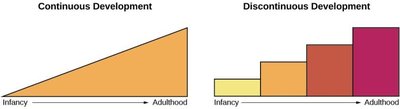
Developmental psychologists debate whether development is a gradual, cumulative process (continuous) or occurs in distinct stages (discontinuous).
Continuous development: Gradual improvement of skills (e.g., height increases each year).
Discontinuous development: Development occurs in unique stages at specific times or ages.
One Course of Development or Many?
Some theories propose a universal course of development, while others emphasize individual differences due to genetics and environment. For example, language milestones are reached in a similar sequence worldwide, but cultural practices can influence the timing of other milestones.
Nature vs. Nurture
The nature vs. nurture debate explores whether genetics (nature) or environment and culture (nurture) play a greater role in shaping personality and traits. Most psychologists agree that both factors interact to influence development.
Theories of Development
Psychosexual Theory (Freud)
Freud's psychosexual theory posits that childhood experiences shape adult personality and behavior. Development is discontinuous, occurring in five stages, each focused on different erogenous zones. Fixation can occur if a stage is not properly resolved.
Oral
Anal
Phallic
Latency
Genital
Psychosocial Theory (Erikson)
Erikson emphasized the social nature of development, proposing eight stages across the lifespan. Each stage presents a psychosocial task that must be mastered for healthy personality development.
Trust vs. Mistrust (0-1 yr): Trust that basic needs will be met.
Autonomy vs. Shame/Doubt (1-3 yrs): Develop independence.
Initiative vs. Guilt (3-6 yrs): Take initiative; risk feeling guilt.
Industry vs. Inferiority (7-11 yrs): Develop self-confidence or feel inferior.
Identity vs. Confusion (12-18 yrs): Develop identity and roles.
Intimacy vs. Isolation (19-29 yrs): Form intimate relationships.
Generativity vs. Stagnation (30-64 yrs): Contribute to society and family.
Integrity vs. Despair (65+): Reflect on life and its meaning.
Cognitive Theory (Piaget)
Piaget theorized that children progress through four stages of cognitive development, constructing schemata to understand the world. Schemata are adjusted through assimilation (incorporating new information) and accommodation (changing schemata based on new information).

Sensorimotor (0-2 yrs): Experience world through senses and actions; develop object permanence.
Preoperational (2-6 yrs): Use words/images; egocentric; develop language.
Concrete Operational (7-11 yrs): Logical thinking about concrete events; understand conservation.
Formal Operational (12+ yrs): Abstract reasoning and moral thinking.
Theory of Moral Development (Kohlberg)
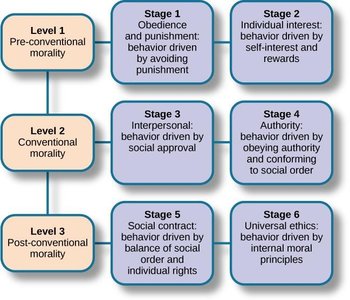
Kohlberg identified three levels of moral development, each with two stages, describing how individuals learn to discern right from wrong.
Stages of Development
Prenatal Development
Prenatal development occurs in three stages: germinal, embryonic, and fetal. Each stage is characterized by specific biological processes and vulnerabilities to environmental influences.
Germinal Stage (Weeks 1-2): Zygote forms and undergoes mitosis.
Embryonic Stage (Weeks 3-8): Organs begin to function; placenta forms.
Fetal Stage (Weeks 9-40): Brain develops; body grows to full term.

Prenatal Influences
Genetic and environmental factors, including teratogens (e.g., alcohol, drugs, viruses), can affect prenatal development. Prenatal care is essential for monitoring health and reducing risks.

Fetal Alcohol Syndrome
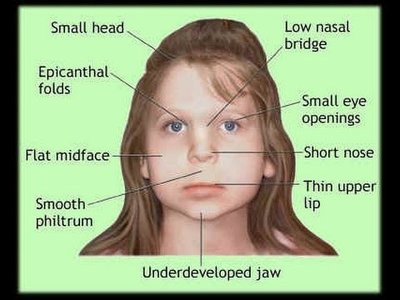
Heavy alcohol consumption during pregnancy can cause fetal alcohol syndrome, leading to physical abnormalities and cognitive deficits.
Infancy and Childhood
Newborn Reflexes and Sensory Abilities
Newborns display automatic reflexes (rooting, sucking, grasping, Moro) that aid survival. Sensory abilities are not fully developed at birth; vision is the least developed sense.
Physical Development
Physical growth is rapid in infancy, slows in early childhood, and includes neural blooming and pruning. Motor skills develop in sequence, with fine motor skills (small muscles) and gross motor skills (large muscles).
Cognitive Development
Children achieve cognitive milestones such as object permanence, symbolic thinking, and logical reasoning at different ages. Research suggests some cognitive abilities emerge earlier than Piaget proposed.

Psychosocial Development: Attachment
Attachment is a long-standing emotional bond with caregivers. Classic studies by Harlow, Bowlby, and Ainsworth identified the importance of comfort, security, and responsiveness in forming healthy attachments.

Secure attachment: Distressed when caregiver leaves, comforted upon return.
Avoidant attachment: Unresponsive to caregiver, indifferent to departure/return.
Resistant attachment: Clingy, difficult to comfort, angry upon return.
Disorganized attachment: Odd, inconsistent behaviors, often linked to abuse.
Self-Concept and Social Behavior
Self-concept develops in early childhood, influencing confidence, independence, and social interactions. Children begin to identify with groups and understand gender roles.
Parenting Styles
Baumrind identified four parenting styles that influence self-concept and behavior:
Authoritative: Warm, reasonable, and responsive.
Authoritarian: Rigid, high demands, little warmth.
Permissive: Few demands, rarely discipline.
Uninvolved: Indifferent, neglectful.
Temperament
Temperament refers to innate traits influencing emotional reactivity and self-regulation. Parenting style may interact with a child's temperament to shape development.
Adolescence
Physical Development
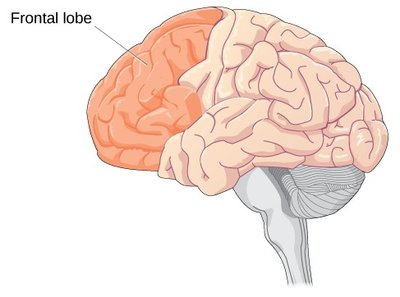
Adolescence is marked by puberty, including the development of secondary sexual characteristics, growth spurts, and continued brain maturation, especially in the frontal lobe (judgment, impulse control, planning).

Cognitive Development
Adolescents develop advanced reasoning, abstract thinking, and cognitive empathy (theory of mind). These skills support social problem-solving and conflict avoidance.
Psychosocial Development
Adolescents refine their sense of self, experiment with roles, and focus on peer relationships. According to Erikson, this is the stage of identity vs. role confusion.
Emerging Adulthood and Adulthood
Emerging Adulthood
Emerging adulthood (18 to mid-20s) is a period of identity exploration in work and love, influenced by cultural and societal changes such as extended education and delayed family formation.
Physical Development in Adulthood
Early adulthood (20s-40s): Physical abilities peak.
Middle adulthood (40s-60s): Gradual physical decline, menopause, weight gain, hair changes.
Late adulthood (60+): Further decline in strength, senses, and reaction time; can be minimized with healthy lifestyle.
Cognitive Development in Adulthood
Cognitive abilities remain steady in early and middle adulthood. Crystallized intelligence (knowledge from experience) remains stable or improves, while fluid intelligence (reasoning, memory) may decline.

Psychosocial Development in Adulthood
Adults seek meaning through work, relationships, and social connections. Job satisfaction and stable relationships contribute to well-being. Socioemotional selectivity theory suggests that social networks become smaller but more meaningful with age.

Death and Dying
Stages of Grief
Elizabeth Kübler-Ross identified five stages of grief experienced by individuals facing death or loss:
Denial
Anger
Bargaining
Depression
Acceptance
Cultural Perspectives on Death
Practices and beliefs about death vary widely across cultures and religions, influencing how individuals and societies cope with loss.

Additional info: These notes are based on OpenStax materials and are intended as a concise, structured study guide for college-level psychology students.
