Back
BackMotivation, Emotion, and Lifespan Development: Psychology Study Notes
Study Guide - Smart Notes
 Tailored notes based on your materials, expanded with key definitions, examples, and context.
Motivation & Emotion
Motivation: Definition and Key Concepts
Motivation refers to the physiological and psychological processes underlying the initiation of behaviors that direct organisms toward specific goals. It is essential for survival, as it contributes to homeostasis by prompting actions that fulfill biological and psychological needs.
Drive: A biological trigger indicating deprivation, causing us to seek what is needed (e.g., thirst).
Incentives: Stimuli we seek to reduce drives (e.g., water, sex).
Goal-Directed Behavior: Behaviors are initiated to complete specific goals, such as drinking when thirsty or seeking social contact when lonely.
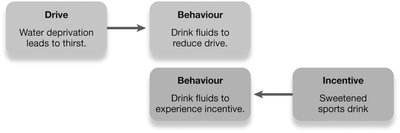
Example: Water deprivation leads to thirst (drive), prompting fluid intake to reduce the drive or to experience an incentive (e.g., sweetened sports drink).
Physiological Aspects of Hunger
The hypothalamus plays a central role in regulating hunger by detecting changes in glucose levels and acting as an on/off switch for eating behavior.
Lateral hypothalamus: Initiates hunger ("go").
Ventromedial hypothalamus: Inhibits hunger ("stop").
Hormones: Ghrelin increases eating, leptin signals satiety, and insulin regulates food intake.
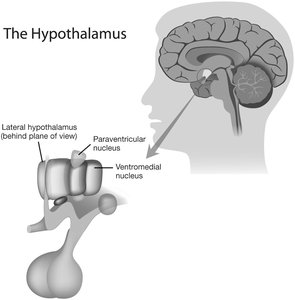
Example: Injury to the hypothalamus can radically alter eating behavior.
Pharmacological Influences: Ozempic
Ozempic (glucagon-like peptide 1) mimics the GLP-1 hormone, which helps regulate blood sugar and appetite. It lowers hunger drive, reduces cravings, and slows gastric emptying, making eating less rewarding.
GLP-1 receptors: Reduce hunger signals, increase satiety.
Brain response: Dampens reward from food-related cues.
Example: Ozempic is used clinically to manage obesity and diabetes.
Food and Reward
The brain's reward system is activated when fat receptors on the tongue are stimulated, linking food taste and texture with reward. Highly palatable foods trigger dopamine release, reinforcing eating behaviors.
Cingulate cortex: Involved in emotional processing and food reward.
Dopamine: Reinforces consumption of palatable foods.
Eating and Cognition: Unit Bias & Portion Sizes
Portion sizes and unit bias influence how much we eat. Unit bias is the assumption that the unit of sale or portioning is the appropriate amount to consume.
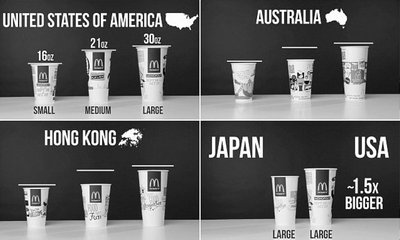
Portion distortion: Modern portion sizes are much larger than in the past, contributing to overeating.
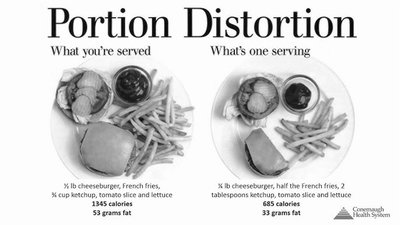
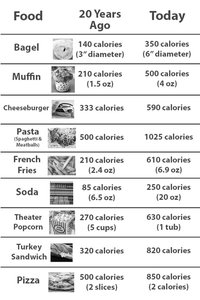
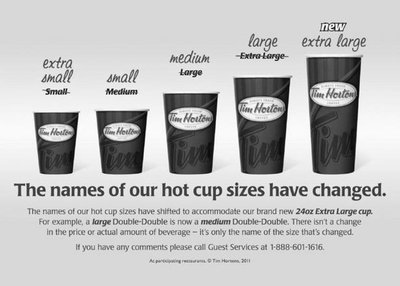
Example: Portion sizes in Philadelphia are significantly larger than in Paris, correlating with higher obesity rates.
Social and Environmental Factors in Eating
Biological factors alone do not explain eating behaviors. Social context, cultural norms, and environmental cues play significant roles.
Social facilitation: Eating more in groups.
Impression management: Eating less to manage social perceptions.
Modeling: Eating what others eat.
Cultural influences: Preferences, habits, and norms affect when and what we eat.
Stress: Heightened arousal and negative emotions can lead to overeating.

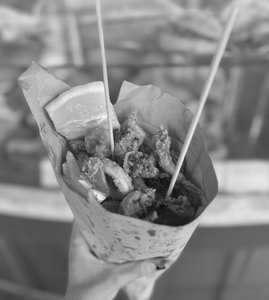
Example: Eating in Italy emphasizes social interaction, seasonal foods, and specific norms for food and beverage consumption.
Belongingness & Love Needs
The Need to Belong
Belongingness is a basic human need, essential for well-being. Motivation to maintain warm, affectionate, mutually caring relationships is fundamental.
Permanence: Stable ties matter more than frequent interactions.
Social connectedness: Predicts overall physical and mental health.
Loneliness: Major risk factor for health issues, including hypertension and weakened immunity.
Technology & Belongingness
Technology can foster global communities but may also isolate individuals from local ties, impacting the sense of belonging.
Love: Passionate vs. Compassionate
Love is motivated by both physical and emotional factors. Passionate love involves longing and attraction, while compassionate love is characterized by tenderness, commitment, and enduring affection.
Passionate love: Physical attraction, desire, powerful cravings, "honeymoon stage."
Compassionate love: Tolerance, commitment, nurturing, enduring relationships.
Emotions
Understanding Emotional Experiences
Emotions are mental states or feelings associated with our evaluation of experiences. They involve arousal, cognitive appraisal, subjective feelings, and behavioral expressions, all shaped by cultural rules.
Cognitive component: Subjective conscious experience.
Physiological component: Bodily arousal.
Behavioral component: Overt expressions.
Function of Emotions
Prepare for action: Link events to responses.
Shape future behavior: Act as reinforcement or punishment.
Social interaction: Signal to observers, aiding understanding and prediction.
Labelling Emotions & Cultural Differences
Basic emotions include happiness, anger, fear, sadness, and disgust. Cultural differences exist in descriptions and expressions of emotions.
Emotional Expression: Innate and Universal
Darwin proposed that emotional expression is shaped through evolution and is universal. Paul Ekman identified six basic emotions recognized worldwide, biologically hardwired and not learned.
Microexpressions: Brief, unconscious displays of concealed emotion.
Theories of Emotion
Three major theories explain the relationship between physical responses and subjective feelings:
James-Lange Theory: Bodily reaction precedes emotional experience.
Cannon-Bard Theory: Body and emotion occur simultaneously.
Schachter-Singer Two-Factor Theory: Emotion arises from physiological arousal and cognitive interpretation.
Example: The Capilano bridge study illustrates misattribution of arousal.
Lifespan Development
Developmental Psychology
Developmental psychology studies human physical, cognitive, social, and behavioral characteristics across the lifespan. Methods include cross-sectional and longitudinal designs.
Prenatal development: Age of viability is 22 weeks.
Teratogens: Substances or environmental factors that can harm a developing fetus (e.g., alcohol, tobacco, viruses, pollution).
Infancy & Childhood
Development is driven by biological maturation and active exploration. Visual perception is sophisticated, and newborns can imitate adult expressions, providing a foundation for social interaction.
Kindchenschema: Physical features trigger caregiving and affection in adults.
Attachment Theory
Attachment is the emotional bond between child and caregiver, providing evolutionary advantages. Early studies by Lorenz and Harlow demonstrated the importance of contact comfort.
Bowlby: Attachment is innate, ensuring survival.
Ainsworth: Identified attachment styles: secure, avoidant, ambivalent, disorganized.
Parenting Styles
Parenting styles influence social and emotional development:
Authoritarian: Rigid, punitive; produces unsociable, withdrawn children.
Permissive: Lax, inconsistent; produces immature, dependent children.
Uninvolved: Detached; produces indifferent, rejecting children.
Authoritative: Firm, encouraging independence; produces socially skilled, self-reliant children.
Cognitive Development: Piaget's Theory
Jean Piaget proposed that children progress through stages of cognitive development:
Sensorimotor (birth–2): Understanding through physical interaction; object permanence.
Preoperational (2–7): Language, symbolic thinking, egocentrism.
Concrete operational (7–12): Logical thinking, conservation, reversibility.
Formal operational (12+): Abstract and logical thinking.
Adolescence
Adolescence is marked by emotional regulation challenges, risk-taking, peer influence, and identity formation. Cognitive development includes abstract thinking, egocentrism, imaginary audience, and personal fables.
Adulthood & Relationships
Adulthood involves transitions, marriage, parenting, and late-life happiness. Socioemotional selectivity theory suggests older adults focus on positive, meaningful experiences.
Personality
Trait Theories
Personality traits are stable psychological characteristics. Allport classified traits as cardinal, central, and secondary. The Big Five model includes openness, conscientiousness, extraversion, agreeableness, and neuroticism.
HEXACO: Adds honesty-humility as a sixth factor.
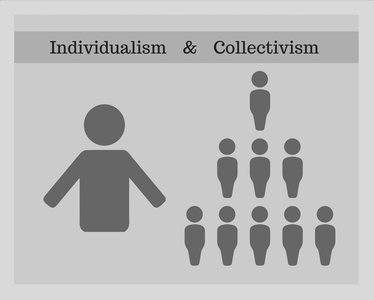
Example: Individualist cultures value independence; collectivist cultures value social harmony.
Biological, Behaviourist, and Social Cognitive Approaches
Biological: Twin studies show genetic influence on personality.
Behaviourist: Personality is a collection of learned behavior patterns.
Social cognitive: Personality shaped by interaction between behavior, cognition, and environment (Bandura).
Psychoanalytic Theory
Freud proposed that unconscious forces determine personality. The id, ego, and superego interact, and personality develops through psychosexual stages. Defense mechanisms mediate conflicts.
Humanistic Approaches
Humanistic theories emphasize positive qualities and self-actualization. Carl Rogers highlighted the importance of self-concept and unconditional positive regard.
Personality Assessment
Self-report measures: MMPI-2, NEO-PI-R.
Projective tests: Rorschach, TAT.
The Dark Triad & Tetrad
Narcissism: Grandiosity, entitlement.
Psychopathy: Impulsivity, low empathy.
Machiavellianism: Manipulation, lack of empathy.
Sadism: Pleasure from inflicting pain.
Health, Stress, and Coping
Psychoneuroimmunology
Studies the relationship between immune and nervous system functioning. Stress impacts immunity, and positive emotions boost health.
Stress: Definition and Models
Stress is a response to events perceived as threatening or challenging. Lazarus & Folkman's Transactional Stress Model emphasizes subjective appraisal.
Primary appraisal: Is this important or threatening?
Secondary appraisal: Can I cope with it?
Types of Stressors
Cataclysmic events: Sudden, affect many people.
Personal stressors: Major life events.
Background stressors: Everyday annoyances.
Physiological Response to Stress
Short-term: Fight or flight response, increased heart rate, blood pressure.
Long-term: Chronic stress weakens immune system, increases risk of illness.
Personality and Stress
Personality Type | Characteristics | Chance of Coronary Heart Disease |
|---|---|---|
Type A | Competitive, aggressive, hostile, achievement-oriented | High |
Type B | Easy-going, calm, patient, creative | Low |
Type D | Negative emotions, anxious, insecure, irritable | Very high |
Hostility: Excessive physiological arousal increases risk of heart disease.
Coping Strategies
Emotion-focused coping: Managing feelings (e.g., talking to a friend).
Problem-focused coping: Solving the problem (e.g., study group).
Resilience: Ability to bounce back from stress.
Hardiness: Commitment, control, challenge.
Sense of Control & Learned Helplessness
Locus of control: Internal (belief in personal influence) vs. external (belief in luck/fate).
Learned helplessness: Belief that one cannot change a bad situation, leading to passivity.
Social Support & Confiding
Social support and confiding about traumatic events benefit mental and physical health. Avoidance, substance use, and excessive screen time are maladaptive coping strategies.
Doomscrolling
Doomscrolling is a maladaptive coping strategy, reinforcing negative bias and increasing rumination and distress.
Prayer and Health
Research suggests prayer may have health benefits, even when recipients are unaware.
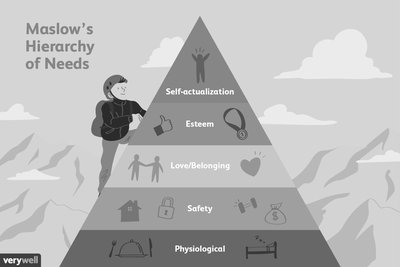
Maslow's Hierarchy of Needs
Maslow's hierarchy organizes human needs from physiological to self-actualization, emphasizing the importance of motivation and belongingness.