 Back
BackPhysical and Cognitive Development in Early Childhood CH. 7
Study Guide - Smart Notes
 Tailored notes based on your materials, expanded with key definitions, examples, and context.
Physical and Cognitive Development in Early Childhood
Physical Changes in Early Childhood
During early childhood (ages 2–6), children experience steady but less dramatic physical growth compared to infancy. This period is marked by increased independence, social engagement, and readiness for school.
Growth Patterns: Children typically gain 5–8 cm in height and about 2.7 kg in weight each year.
Motor Development: Significant improvements in both gross (large muscle) and fine (small muscle) motor skills occur.
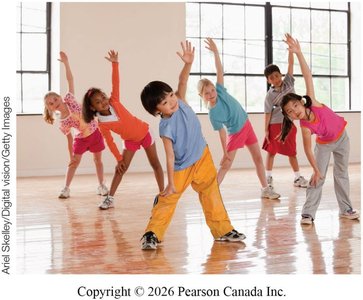
Gross Motor Skills: By age 5 or 6, children can run, jump, and hop with coordination.
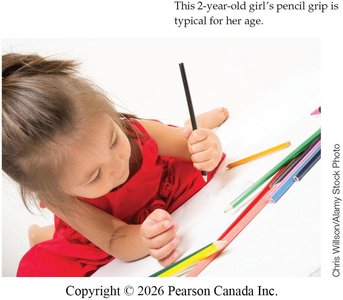
Fine Motor Skills: Skills such as drawing, stacking blocks, and using utensils improve, following a developmental sequence.
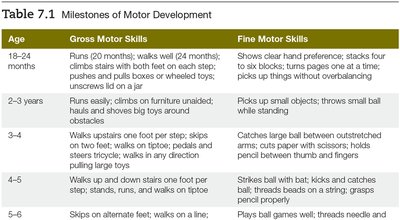
Milestones of Motor Development
Age | Gross Motor Skills | Fine Motor Skills |
|---|---|---|
18–24 months | Runs, walks well, climbs stairs, pushes/pulls toys | Stacks blocks, turns pages, picks up objects |
2–3 years | Runs easily, climbs, shoves big toys | Picks up small objects, throws small ball |
3–4 years | Walks upstairs, skips, pedals tricycle | Catches large ball, cuts paper, holds pencil |
4–5 years | Walks up/down stairs, stands/runs on tiptoe | Strikes ball with bat, threads beads, grasps pencil |
5–6 years | Skips on alternate feet, walks on a line | Plays ball games well, threads needle |
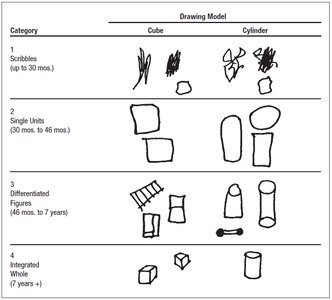
Development of Drawing Skills
Children's drawing abilities progress through predictable stages, from scribbles to integrated representations of objects.
The Brain and Nervous System
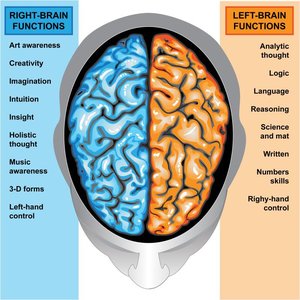
Brain development continues rapidly in early childhood, with ongoing synapse formation and myelination. Lateralization, or the specialization of brain hemispheres, becomes more pronounced, especially for language in the left hemisphere.
Lateralization: The left hemisphere specializes in language and logic, while the right is more involved in creativity and spatial abilities.
Corpus Callosum: Growth and maturation facilitate communication between hemispheres.
Myelination: Especially in the reticular formation (attention/concentration) and hippocampus (memory).
Handedness: Preference for one hand develops, with right-handedness being genetically dominant.
Neurodiversity: Recognizes neurological differences (e.g., autism) as natural variations rather than deficits.
Health Promotion and Well-being
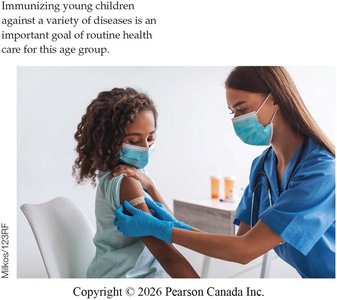
Promoting health in early childhood involves adequate sleep, balanced nutrition, physical activity, and accident prevention.
Sleep: 3–5-year-olds need 10–13 hours per night.
Nutrition: Food aversions are common; genetic taste differences and obesogenic environments influence eating habits.
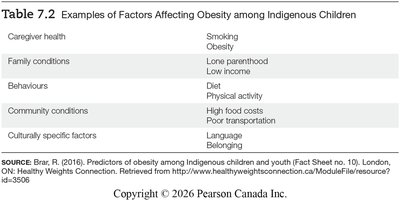
Obesity: About 33% of Canadian children aged 2–5 are at risk; rates are higher among Indigenous children.
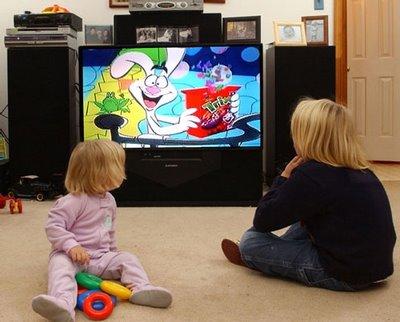
Physical Activity: Excessive screen time reduces physical activity and motor skill practice.
Accident Prevention: Most injuries are preventable with supervision and safe environments.

Adverse Childhood Experiences (ACEs)
ACEs include neglect, abuse, and exposure to violence, with both immediate and long-term developmental impacts. Prevention involves education, identifying at-risk families, and mandatory reporting of abuse.
Categories: Neglect, intimate partner violence, physical abuse, emotional maltreatment, sexual abuse.
Risk Factors: Sociocultural stressors, child and abuser characteristics, household stress.
Outcomes: Toxic stress can impair intellectual, emotional, and social development.
Prevention: Education, identification, and protection from further harm.
Cognitive Changes in Early Childhood
Piaget’s Preoperational Stage
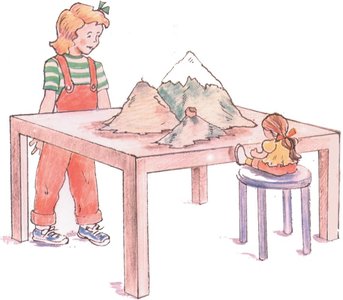
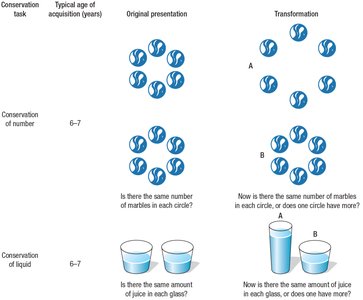
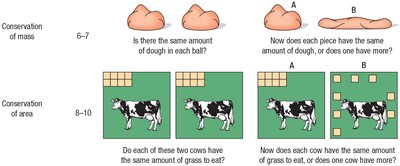
Children in the preoperational stage (ages 2–7) become proficient in using symbols but struggle with logical operations. Key features include egocentrism, centration, and lack of conservation.
Egocentrism: Difficulty understanding perspectives other than their own.
Centration: Focusing on one aspect of a situation at a time.
Conservation: Not yet understanding that quantity remains the same despite changes in appearance.

Challenges to Piaget’s View
Research shows preschoolers are more cognitively advanced than Piaget proposed. They can take others' perspectives earlier and understand appearance vs. reality and the false belief principle.
Perspective Taking: Flavell’s stages show increasing ability to understand others’ viewpoints between ages 2–5.
False Belief Principle: Understanding that others can hold beliefs different from reality, emerging around age 4–5.

Theory of Mind (ToM)
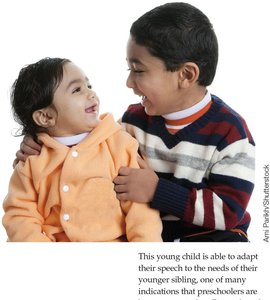
Theory of mind refers to the understanding that others have thoughts, beliefs, and desires different from one's own. It develops through social interaction, pretend play, and language acquisition.
Developmental Milestones:
10 months: Recognize others have goals/intentions.
Age 3: Understand links between thoughts, feelings, and behavior.
Age 4: Recognize actions are based on individual representations of reality.
Age 5–7: Understand reciprocal thought and inference.
Alternative Theories of Early Childhood Thinking
Other theories emphasize information processing and the role of social context in cognitive development.
Information Processing: Working memory (short-term storage space) and operational efficiency improve with age. Metamemory and metacognition (awareness of memory and thought processes) also develop.
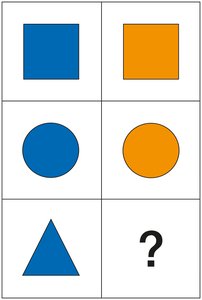
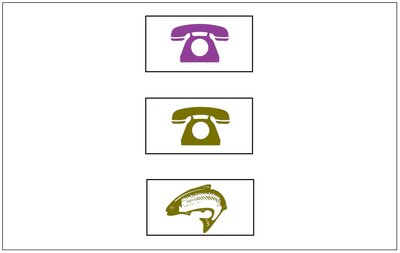
Neo-Piagetian Tasks: Matrix classification and flexible item selection tasks assess abstraction and cognitive flexibility.
Vygotsky’s Socio-Cultural Theory: Cognitive development is shaped by social interaction and language, progressing through stages from primitive to logical thinking.
Language Development in Early Childhood
Vocabulary and Grammar
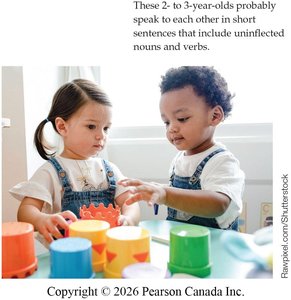
Children's vocabulary expands rapidly through fast-mapping, and their grammar becomes more complex during the 'grammar explosion' period.
Fast-Mapping: Quickly linking new words to their referents.
Grammar Explosion: Use of inflections, questions, negatives, and complex sentences increases.
Overregularization: Applying grammatical rules too broadly (e.g., "goed" instead of "went").
Phonological Awareness
Phonological awareness is the understanding of sound patterns and their representation with letters, crucial for learning to read. It develops through word play, nursery rhymes, and shared reading.
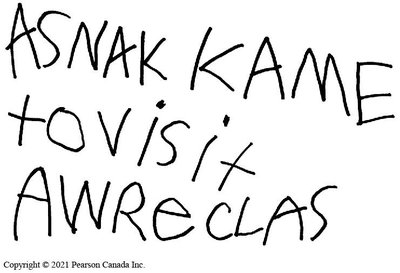
Invented Spelling: Young children use their understanding of sounds to spell words as they hear them.

Language and Numeracy
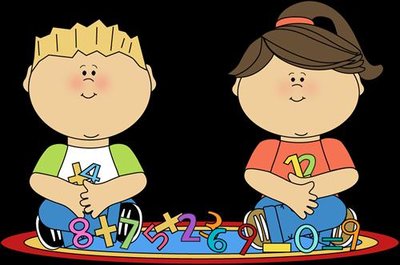
Language influences numeracy skills. For example, children who speak languages with shorter number words (e.g., Chinese) can remember more numbers. Early caregiver involvement supports numeracy development.
Differences in Intelligence
Measuring Intelligence
Intelligence tests, such as the Stanford-Binet and Wechsler scales, assess vocabulary, reasoning, and cognitive skills. IQ scores are stable and predict academic success but have limitations, including cultural bias.
IQ (Intelligence Quotient): Ratio of mental age to chronological age.
Wechsler Intelligence Scales for Children (WISC-V): Measures verbal comprehension, visual-spatial skills, fluid reasoning, working memory, and processing speed.
Normal Distribution: IQ scores form a bell curve, with most children scoring near the average.

Origins of Individual Differences in Intelligence
Both heredity and environment influence intelligence. Family interactions, early education, and enrichment programs can enhance IQ, especially for high-risk children. The concept of reaction range explains how genes set limits, but environment determines where within those limits a child falls.
Heredity: Twin and adoption studies show strong genetic influence.
Environment: Enrichment programs, parental involvement, and stimulating environments boost IQ.
Limitations of IQ Tests: Do not measure all skills important for life success and may be culturally biased.
