 Back
BackPsychological and Biological Treatments for Mental Disorders
Study Guide - Smart Notes
 Tailored notes based on your materials, expanded with key definitions, examples, and context.
Psychological and Biological Treatments
Introduction to Treatment of Mental Disorders
Mental disorders are addressed through a combination of psychological and biological treatments. The goal is to alleviate symptoms, improve functioning, and restore mental health. Treatments are tailored to the individual's needs and may involve medication, psychotherapy, or a combination of both.
The Medical Model of Psychological Disorders
Understanding the Medical Model
The medical model views psychological disorders as illnesses of the mind, similar to physical diseases. This model emphasizes diagnosis, treatment, and the goal of restoring mental health. Disorders are identified as collections of symptoms that tend to occur together and can be treated through various interventions.
Diagnosis of Mental Disorders
The Role of the DSM-5
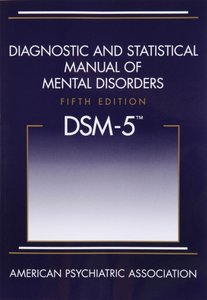
The Diagnostic and Statistical Manual of Mental Disorders (DSM-5) is the primary tool used by professionals to classify and diagnose mental disorders. The DSM-5 provides clear diagnostic categories, lists symptoms, onset, predisposing factors, course of disorder, prevalence, sex ratio, and cultural considerations.









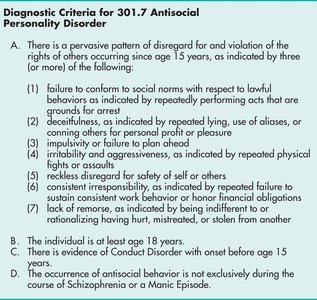
Example: The DSM-5 provides diagnostic criteria for disorders such as Antisocial Personality Disorder, outlining specific behavioral patterns and requirements for diagnosis.
Biological Treatments
Psychopharmacology
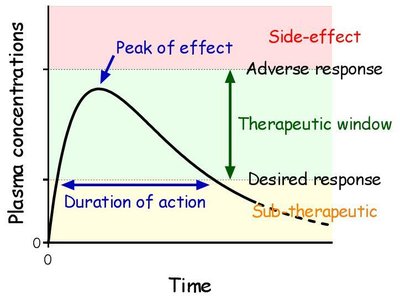
Psychopharmacology involves the use of medications to alter brain chemistry and treat mental disorders. Medications may affect neurotransmitter production or response, and finding the correct dosage is crucial to maximize benefits and minimize side effects. The optimal dosage range is known as the therapeutic window.








Example: Antidepressants, antipsychotics, and anxiolytics are common classes of psychotropic medications.
Direct Brain Interventions
Some severe mental disorders may be treated with direct brain interventions, such as:
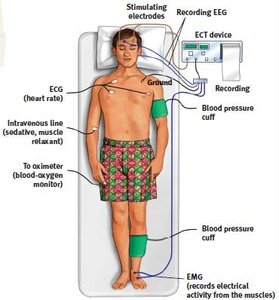
Electroconvulsive Therapy (ECT): Induces mild seizures to treat severe depression, potentially allowing neural rewiring and increased neurogenesis.
Transcranial Magnetic Stimulation (TMS): Uses magnetic fields for milder stimulation, often for depression.
Psychosurgery (e.g., lobotomy): Rarely used today, involves surgical intervention in brain circuits.
Psychological Treatments (Psychotherapy)
Overview of Psychotherapy
Psychotherapy is an interactive process with a trained professional aimed at understanding and changing behavior, thoughts, relationships, and emotions. There are several major schools of psychotherapy, each with unique approaches and techniques.
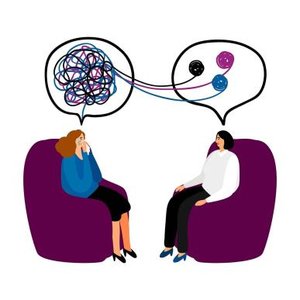
Major Schools of Psychotherapy
Psychodynamic therapy
Behavioural therapy
Cognitive therapy
Humanist therapy
Existential therapy
Family & group therapy

Psychoanalysis and Psychodynamic Therapy
Founded by Sigmund Freud, psychoanalysis focuses on bringing unconscious conflicts into conscious awareness to resolve inner tension. Techniques include free association and interpretation of dreams and resistance.

Example: A client discusses dreams and memories, and the therapist helps interpret underlying meanings.
Humanistic Therapy
Humanistic therapy emphasizes personal growth, self-actualization, and conscious feelings. The therapist provides a supportive environment for growth, focusing on the present and future.
Cognitive Therapy
Cognitive therapy targets negative thoughts and interpretations that contribute to depression and anxiety. Therapists help clients identify and challenge cognitive distortions, such as catastrophizing.
Example: A client who lost a job learns to reframe their thoughts about their abilities and future prospects.
Behavioural Therapy
Behavioural therapy uses principles of learning, such as classical and operant conditioning, to change unwanted behaviors. Techniques include exposure therapy, systematic desensitization, and skills training.

Example: Exposure therapy helps clients gradually face and habituate to feared situations, reducing anxiety over time.

Cognitive Behavioural Therapy (CBT)
Cognitive Behavioural Therapy (CBT) integrates cognitive and behavioural approaches to address both thoughts and behaviors contributing to mental health disorders. CBT is effective for conditions such as OCD, depression, and anxiety.

Combining Therapies
An eclectic approach combines techniques from various therapies to best fit the client's needs. Medication and psychotherapy are often used together for optimal outcomes.
When Therapy Helps
Effectiveness of Therapy
Psychotherapy offers many benefits, and certain therapies are more effective for specific disorders. For emotional and mood disorders, cognitive and behavioural therapies, often combined with medication, are the preferred methods. Successful therapy involves clients feeling accepted, understood, and respected.

Choosing a Therapist
Qualities of a Good Therapist
Open communication and trust
Active listening and understanding
Warmth, directness, and useful feedback
Clear explanation of treatment plans and qualifications
Use of scientifically supported approaches
Regular monitoring and flexibility in treatment
Warning Signs: Avoid therapists who are defensive, use a one-size-fits-all approach, lack focus, or blur professional boundaries.
Summary Table: Humanistic vs. Psychoanalytic Therapy
Aspect | Humanistic Therapy | Psychoanalytic Therapy |
|---|---|---|
Goal | Promote growth | Cure mental illness |
How to Improve | Take responsibility for feelings and actions | Bring unconscious conflicts into awareness |
Role of Therapist | Provide environment for growth | Interpret dreams, resistance, transference |
Content of Therapy | Conscious feelings, actual vs. ideal self | Unconscious conflicts |
Time Focus | Present and future | The past |
Additional Resources
VCC Counselling Services
BC Crisis Centre
Kids Help Phone
BetterHelp and Here2Talk Apps
Additional info: For more details on specific therapies, see the DSM-5 and consult professional guidelines.
