 Back
BackPsychological Disorders: History, Diagnosis, and the Justice System
Study Guide - Smart Notes
 Tailored notes based on your materials, expanded with key definitions, examples, and context.
Psychological Disorders
Defining Mental Illness
Psychological disorders are defined as patterns of behavior or experience that cause distress, impair day-to-day functioning, or increase the risk of harm. The DSM-5 (Diagnostic and Statistical Manual of Mental Disorders) provides official diagnostic criteria and decision rules for mental disorders, emphasizing a biopsychosocial approach that considers biological, psychological, and social factors.
Maladaptive behavior: Actions that interfere with daily life or pose risks.
Distress: Emotional suffering caused by symptoms.
Impairment: Difficulty functioning in social, occupational, or other important areas.
Risk of harm: Increased likelihood of injury or negative outcomes.
Discussion: Not all maladaptive behaviors are mental illnesses, and some individuals may be considered mentally ill without clearly meeting these criteria.
Historical Conceptions of Mental Illness
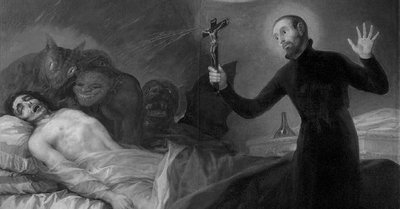
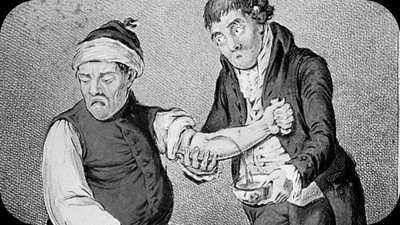
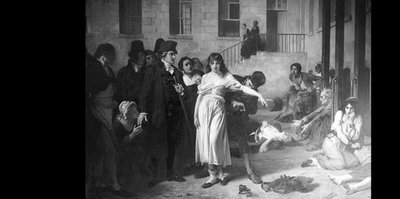
The understanding and treatment of mental illness have evolved significantly over time. Early conceptions often attributed mental illness to supernatural causes, leading to practices such as exorcisms and witch hunts. The Renaissance introduced the medical model, viewing mental illness as a physical disorder requiring treatment, though early treatments were often ineffective and inhumane.
Demonic model: Mental illness seen as possession by evil spirits.
Medical model: Emergence of asylums and physical treatments (e.g., bloodletting).
Moral treatment: Reformers like Phillippe Pinel and Dorothea Dix advocated for dignity and kindness in care, though effective treatments remained elusive.
The Modern Era and Deinstitutionalization
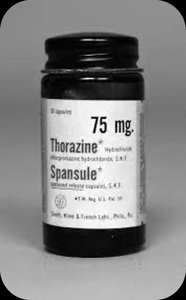
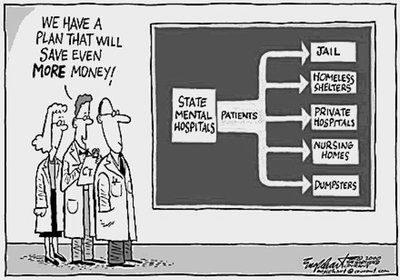
The development of antipsychotic medications, such as chlorpromazine (Thorazine), in the 1950s led to a decrease in symptoms for disorders like schizophrenia. Deinstitutionalization in the 1960s and 70s released many patients from hospitals, but lack of community support led to mixed outcomes, including increased homelessness and incarceration.
Antipsychotics: Moderately effective in reducing symptoms.
Deinstitutionalization: Shift from asylums to community-based care, often without adequate infrastructure.
Diagnosis Across Cultures
Certain mental disorders are culture-bound, while others (e.g., schizophrenia, alcoholism, psychopathy) appear universal. Culture influences the expression and interpretation of symptoms, such as Taijin Kyofusho in Japan, which is a form of social anxiety focused on offending others.
Culture-bound syndromes: Disorders unique to specific cultures.
Universal disorders: Severe mental disorders found across cultures.
Biopsychosocial Model
The biopsychosocial model integrates biological, psychological, and social factors in understanding mental illness.
Biological: Brain chemistry, genetics, neurodevelopment, physical health.
Psychological: Cognitive patterns, emotional regulation, personality, coping skills.
Social: Environment, culture, family dynamics, socioeconomic status.
Explosion of Mental Disorders in DSM
The number of diagnoses in the DSM has increased dramatically, raising debates about over-treatment and the influence of the insurance industry.
DSM Version | Year | No. Diagnoses |
|---|---|---|
DSM I | 1952 | 106 |
DSM II | 1968 | 182 |
DSM III | 1980 | 265 |
DSM IV | 1994 | 365 |
DSM 5 | 2013 | 400+ |
Supporters: Improved precision and communication among clinicians. Critics: Over-treatment and removal of services from those truly in need.
Applications of Psychological Disorders
ADHD
Attention-Deficit/Hyperactivity Disorder (ADHD) is a developmental disorder characterized by inappropriate levels of hyperactivity, impulsivity, and problems maintaining attention. Diagnosis requires a minimum of six symptoms of inattention or hyperactivity/impulsivity. Treatment includes behavioral therapies and pharmaceuticals.
Prevalence: Increased from 3% to 16% in North America; much lower in Europe.
Controversy: Concerns about medicating normal childhood behavior.
Anxiety-Related Disorders
Anxiety disorders are characterized by distressing, persistent anxiety or maladaptive behaviors that reduce anxiety. While transient anxiety can be adaptive, excessive and inappropriate anxiety is problematic.
Generalized Anxiety Disorder (GAD): Continual feelings of worry, tension, and irritability about many areas.
Panic Disorder: Repeated, unexpected panic attacks and persistent concern about future attacks.
Phobias: Unrealistic fear of specific situations, activities, or objects (e.g., agoraphobia).
Obsessive-Compulsive Disorder (OCD): Intrusive obsessions and ritualistic compulsions.
OCD-related disorders: Hoarding, excoriation, trichotillomania, body dysmorphic disorder.
Mood Disorders
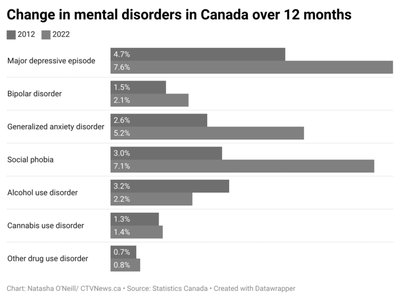
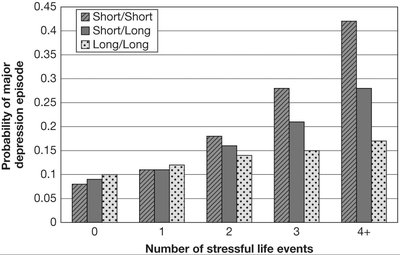
Mood disorders include depression and bipolar disorder, affecting nearly 10% of adults in Canada and the US. Depression rates are higher among women and those living in poverty, with genetic susceptibility playing a role.
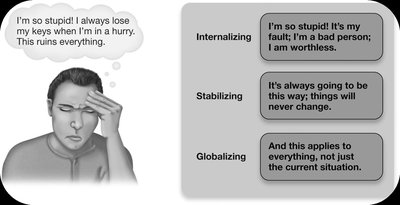
Major Depression: Periods of sadness, worthlessness, hopelessness, social withdrawal, and cognitive/physical sluggishness.
Bipolar Disorder: Extreme shifts in mood, motivation, and energy, including periods of depression and mania.

Schizophrenia
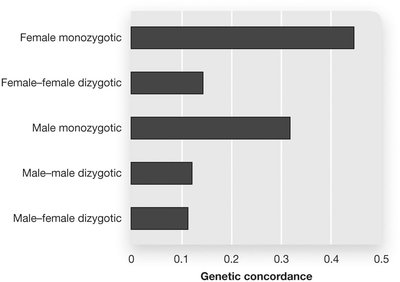
Schizophrenia is characterized by significant breaks from reality, lack of integration of thoughts and emotions, and problems with attention and memory. Symptoms are classified as positive (hallucinations, delusions, thought disorder, movement disorder) and negative (absence of adaptive behavior, social withdrawal).
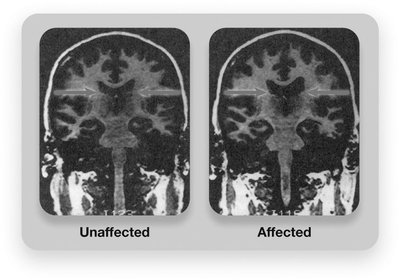
Brain structure: Larger ventricles, loss of brain tissue, differences in hippocampus and amygdala.
Brain activity: Reduced activity in frontal lobes, emotion, and memory regions.
Neurotransmitters: Dopamine overactivity linked to positive symptoms; glutamate underactivity may play a role.
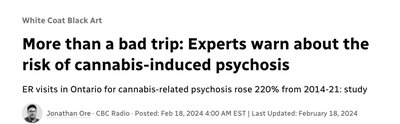
Environmental causes: Extreme stress, low SES, minority status, prenatal environment, cannabis use.

Personality Disorders
Personality disorders are unusual patterns of behavior that are maladaptive, distressing, and resistant to change. They are grouped into three clusters:
Cluster A: Odd or eccentric behavior (e.g., paranoid, schizoid).
Cluster B: Dramatic, emotional, erratic behavior (e.g., antisocial, narcissistic).
Cluster C: Anxious, fearful, inhibited behavior (e.g., avoidant).
Borderline Personality Disorder: Intense emotional swings, unstable sense of self, impulsivity, difficult relationships, rooted in emotional insecurity and early adverse experiences.
Antisocial Personality Disorder (APD): Profound lack of empathy, disregard for others' rights, resistant to treatment, often linked to trauma and frontal lobe dysfunction.
Psychopathy: Extreme antisocial traits, under-reactive to stress, amygdala abnormalities, frontal lobe impairments, less grey matter, and weaker connections between frontal lobes and amygdala.
Uncommon Psychiatric Syndromes
Capgras's syndrome: Belief that a close person has been replaced by an exact double.
Ekbom's syndrome: Delusions of infestation.
Munchausen syndrome: Fabrication of medical symptoms leading to unnecessary treatment.
Mental Illness and the Justice System
Insanity Defense and NCRMD
Mental illness can impact legal responsibility. The insanity defense (NCRMD: Not Criminally Responsible by Reason of Mental Disorder) is a legal definition, not psychological. Criminal guilt requires actus reus (guilty action) and mens rea (guilty mind). Mental illness can negate mens rea.
S. 16 Canadian Criminal Code: No person is criminally responsible for an act committed while suffering from a mental disorder that rendered them incapable of appreciating the nature and quality of the act or knowing it was wrong.
Possible outcomes: Absolute discharge, conditional discharge, detention in a hospital.
Review Board: Decisions are made based on risk to public safety and treatment needs.

Myths Regarding NCRMD
Frequent use: Myth that it is regularly used; reality is only 1% of felony cases.
Loophole: Myth that it lets the guilty go free; reality is most NCR defendants spend time in jail or hospital.
Dangerousness: Myth that mentally ill people are hazardous; reality is most NCR cases are non-violent.
Quick release: Myth that NCRMD leads to early release; reality is longer commitment than jail sentences.
Mental Health in the Correctional System
Mental illness is significantly more common in prison than in the general population. Incarceration often worsens mental health due to harsh conditions, lack of services, and overuse of segregation.
Prevalence: ~70% of federally incarcerated individuals report mental health symptoms.
Segregation: 22% of inmates placed in segregation; 42%+ of segregated inmates had a mental health alert.
Effects: Hallucinations, cognitive disabilities, insomnia, self-harm, paranoia, suicidal tendencies.
Neurological effects: Changes in brain structure, neuron shrinkage.
Case Examples
Kalief Browder: Held in solitary for 700+ days, never recovered from trauma.
Edward Snowshoe: Spent 162 days in solitary, died by suicide.
Ashley Smith: 1 month sentence turned into 4 years in isolation, committed suicide.
Community Support and Advocacy
Organizations such as the John Howard Society, Fred Victor, Elizabeth Fry Society, AMHO, CMHA, and CAMH work to support individuals with mental illness and reduce conflict with the law.
