 Back
BackPsychological Disorders: History, Diagnosis, and the Justice System
Study Guide - Smart Notes
 Tailored notes based on your materials, expanded with key definitions, examples, and context.
Psychological Disorders and Mental Health
Introduction to Psychological Disorders
Psychological disorders, also known as mental disorders, are patterns of behavior or experience that cause distress, impair day-to-day functioning, or increase the risk of harm. The study of these disorders includes their definition, historical conceptions, diagnosis, and their intersection with the justice system.
Defining Mental Illness
Criteria for Mental Disorders
Maladaptive Behavior: According to the DSM, mental disorders are defined by patterns that cause distress, impair functioning, or increase risk of harm.
Limitations: Not all maladaptive behaviors are mental illnesses, and some individuals may be considered mentally ill without meeting all criteria.
Historical Conceptions of Mental Illness
Demonic Model: In the Middle Ages, mental illness was often attributed to evil spirits, leading to exorcisms and witch hunts.

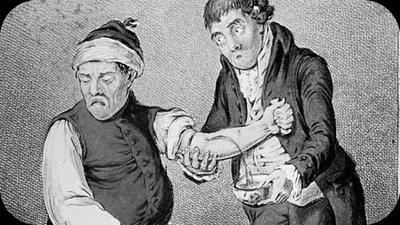
Medical Model: Emerged during the Renaissance, viewing mental illness as a physical disorder requiring treatment. Treatments included bloodletting and confinement in asylums, which were often overcrowded and inhumane.
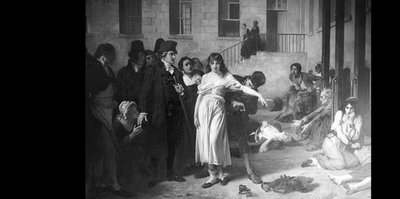
Moral Treatment: Reformers like Philippe Pinel and Dorothea Dix advocated for humane treatment, allowing patients more freedom and dignity, though effective treatments were still lacking.
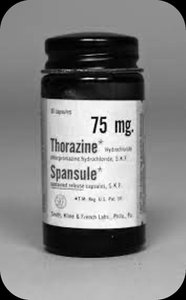
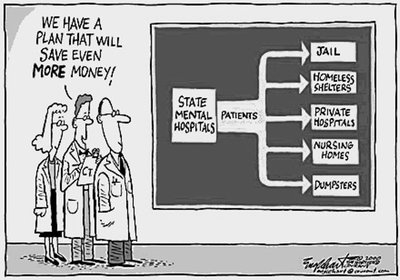
Modern Era: The development of antipsychotic medications like chlorpromazine (Thorazine) in the 1950s led to deinstitutionalization, releasing many patients from hospitals but often without adequate community support.
Diagnosis and Classification
The DSM-5 and the Biopsychosocial Model
DSM-5: The official classification system for mental disorders, providing diagnostic criteria and decision rules. It emphasizes ruling out medical or substance-related causes first.
Biopsychosocial Approach: Considers biological (e.g., genetics, brain chemistry), psychological (e.g., cognition, coping skills), and social (e.g., environment, culture) factors in diagnosis and treatment.
Culture and Mental Disorders
Culture-Bound Syndromes: Some disorders are specific to certain cultures, while others (e.g., schizophrenia, alcoholism) are universal.
Examples: Malocchio (Italy), Calor do corpo/nervos (Portugal/Brazil), Taijin Kyofusho (Japan).


Major Categories of Psychological Disorders
Anxiety Disorders
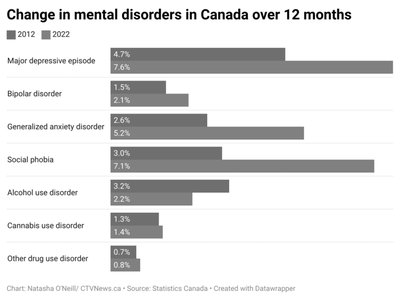
Anxiety disorders are characterized by excessive and persistent anxiety or maladaptive behaviors that reduce anxiety. They include generalized anxiety disorder, panic disorder, specific phobias, obsessive-compulsive disorder (OCD), and post-traumatic stress disorder (PTSD).
Mood Disorders
Major Depression: Marked by persistent sadness, hopelessness, social withdrawal, and cognitive and physical sluggishness.
Bipolar Disorder: Involves extreme mood shifts between depression and mania, with high rates of suicide and treatment challenges.
Schizophrenia
Symptoms: Includes positive symptoms (hallucinations, delusions), negative symptoms (emotional withdrawal), and cognitive dysfunction.
Biological Factors: Brain structure differences (e.g., enlarged ventricles), neurotransmitter imbalances (dopamine, glutamate).

Personality Disorders
Clusters: Cluster A (odd/eccentric), Cluster B (dramatic/emotional/erratic), Cluster C (anxious/fearful).
Examples: Borderline Personality Disorder (emotional instability, impulsivity), Antisocial Personality Disorder (lack of empathy, disregard for others).
Mental Illness and the Justice System
Intersection of Mental Health and Law
Insanity Defense (NCRMD): Not criminally responsible by reason of mental disorder. Legal, not psychological, definition. Requires lack of capacity to appreciate the nature or wrongfulness of the act.
Outcomes: Absolute discharge, conditional discharge, or detention in a hospital, determined by a Review Board based on risk and treatment needs.
Myths: NCRMD is rarely used, not a loophole, and does not result in quick release. Most individuals spend longer in institutions than they would in jail.
Mental Health in Correctional Settings
Prevalence: Mental illness is 2–3 times more common in prison than in the general population. Many inmates enter with pre-existing conditions, and incarceration often worsens mental health.
Conditions: Overuse of segregation and solitary confinement leads to profound psychological harm, including hallucinations, cognitive disabilities, and increased suicide risk.

Conclusion
Understanding psychological disorders requires a multidisciplinary approach, considering historical, cultural, biological, psychological, and social factors. The intersection of mental health and the justice system highlights the importance of humane treatment, accurate diagnosis, and appropriate legal responses to mental illness.
