 Back
BackPsychopathology: Historical and Integrative Approaches
Study Guide - Smart Notes
 Tailored notes based on your materials, expanded with key definitions, examples, and context.
Chapter 1 – Psychopathology in a Historical Context
What is a Psychological Disorder?
A psychological disorder is defined as a psychological dysfunction within an individual, associated with distress or impairment in functioning, and a response that is not typical or culturally expected. This definition is foundational in the study of abnormal psychology and guides clinical diagnosis.
Psychological Dysfunction: Breakdown in cognitive, emotional, or behavioral functioning.
Personal Distress or Impairment: The individual is extremely upset or unable to function normally.
Atypical or Not Culturally Expected: The response is unusual or not accepted within the individual's culture.
The Science of Psychopathology
Psychopathology is the scientific study of psychological disorders. Professionals in this field include psychologists, psychiatrists, clinical social workers, and psychiatric nurses, each with distinct roles and qualifications.
Profession | Number Currently Practising (per 100,000 population) |
|---|---|
Psychiatrists | 5452 (14) |
Psychologists | 19,103 (52) |
Psychiatric nurses | 6,050 (5) |
Social workers | 52,823 (165) |
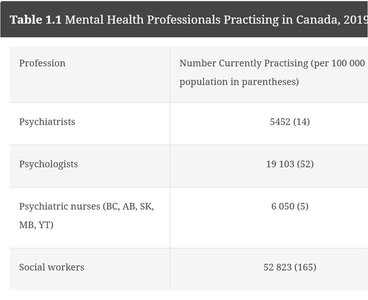
The scientist-practitioner model emphasizes evidence-based practice, practice-based evidence, and conducting research to generate new knowledge.
Clinical Description and Course of Disorders
Understanding disorders involves describing the presenting problem, clinical description, prevalence, and course.
Presenting Problem: The specific issue prompting a person to seek help.
Clinical Description: Unique combination of behaviors, thoughts, and feelings.
Prevalence: How common the disorder is in the population.
Course: Chronic, episodic, or time-limited.
Onset: Acute (sudden) or insidious (gradual).
Historical Etiology – The Supernatural Tradition
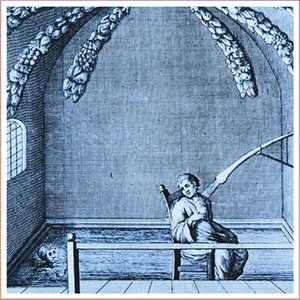
Historically, psychological disorders were often attributed to supernatural causes such as demons, witches, and celestial influences. Treatments included exorcism and shock therapies.
Demons and Witches: Unusual behavior seen as possession; exorcism was common.
Stress and Melancholy: Enlightened views saw disorders as natural phenomena, treatable by rest and healthy environments.
The Moon and Stars: Paracelsus suggested celestial bodies influenced psychological functioning.
The Biological Tradition
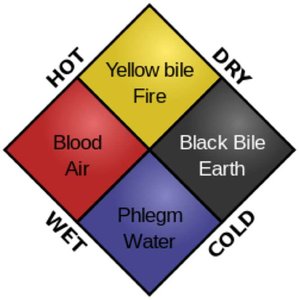
The biological tradition posits that psychological disorders have physical causes, such as brain pathology, genetics, or infections. Hippocrates and Galen were early proponents, introducing the humoral theory.
Humoral Theory: Four bodily fluids (blood, black bile, yellow bile, phlegm) influence mental health.
Imbalance Treatments: Regulating environment, bloodletting, and induced vomiting.
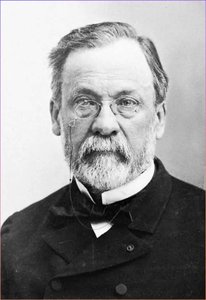
In the 19th century, the discovery that syphilis could cause psychosis and was treatable with penicillin reinforced the biological model.
The Development of Biological Treatments
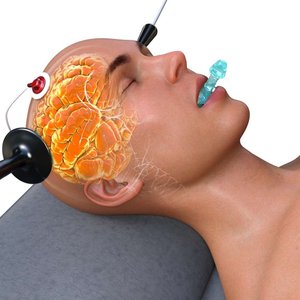
Early biological treatments included insulin shock therapy, electroconvulsive therapy (ECT), and neuroleptics (major tranquilizers).
The Psychological Tradition
Moral therapy emerged in the 18th century, emphasizing humane treatment, social interaction, and individual attention for patients in institutions.
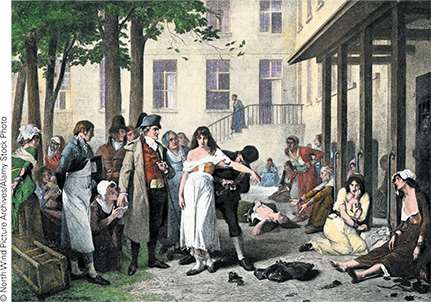
Asylums provided refuge but often had poor conditions. The rise of moral therapy improved treatment, but overcrowding led to its decline.
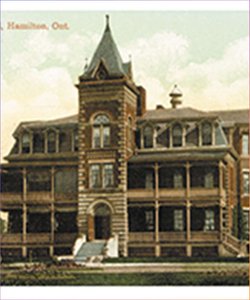
Dorothea Dix's mental hygiene movement increased patient numbers, inadvertently reducing the effectiveness of moral therapy.
Chapter 2 – An Integrative Approach to Psychopathology
The Multidimensional Model
This model asserts that psychological disorders result from systemic interactions among biological, behavioral, cognitive, emotional, social, and cultural factors. No single influence acts in isolation.
Biological Influences – Genetics
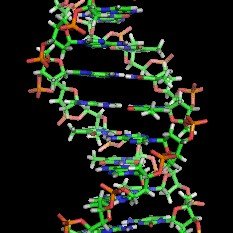
Genetic factors play a significant role in psychological disorders. Most traits are polygenic, influenced by many genes and environmental factors.
Quantitative Genetics: Estimates heritability without identifying specific genes.
Molecular Genetics: Examines gene structure and function.
The Interaction of Genes and the Environment
The diathesis–stress model explains that genetic predispositions (diathesis) may be triggered by environmental stressors. Epigenetics studies how environmental factors alter gene expression.
Gene–Environment Correlation Model: Genetic endowment may increase the likelihood of experiencing stressful events.
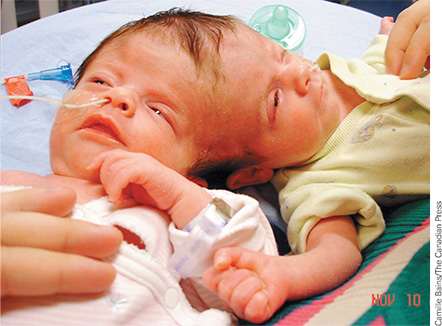
Neuroscience Contributions
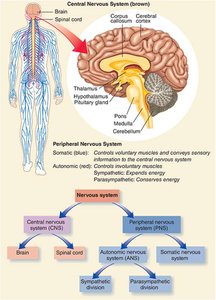
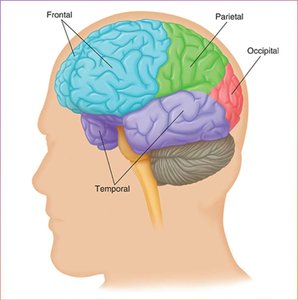
Neuroscience explores the structure and function of the nervous system, including the brain and neurotransmitters, to understand psychological disorders.
Neurotransmitters
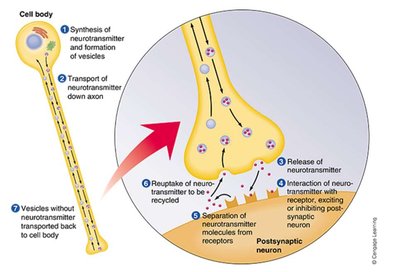
Neurotransmitters are chemicals that transmit signals across synapses. Key neurotransmitters include:
Glutamate: Excites neurons, leading to action.
GABA: Inhibits activity, reducing anxiety.
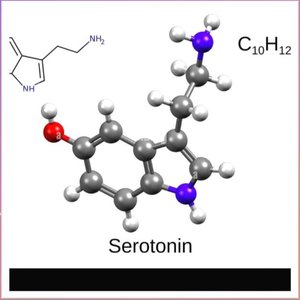
Serotonin: Regulates mood, eating, sexual, and aggressive behaviors.
Norepinephrine: Controls heart rate, blood pressure, and alarm reactions.
Dopamine: Implicated in schizophrenia and addiction.
The Brain–Gut Connection
Recent research highlights the influence of gut bacteria on mental health, with conditions like irritable bowel syndrome and autism spectrum disorder often associated with digestive issues.
Behavioural and Cognitive Science Contributions
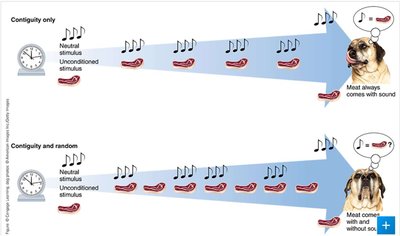
Behavioral and cognitive sciences examine how learning, memory, and cognition contribute to psychological disorders.
Learned Helplessness: When individuals perceive no control over their environment, they may develop depression-like symptoms.
Social Learning: Learning by observing others, as described by Albert Bandura.
Prepared Learning: Certain associations (e.g., fear of snakes) are more easily learned due to evolutionary adaptation.
Cognitive Science and the Unconscious: Implicit memory and cognition influence behavior without conscious awareness.
Emotion Science Contributions
Emotions play a crucial role in psychological disorders. The fight-or-flight response is a biological reaction to stress, and fear involves subjective feelings, motivation, and physiological arousal.
Cultural, Social, and Interpersonal Factors
Cultural beliefs, gender roles, social relationships, and stigma all affect the prevalence and expression of psychological disorders.
Fright Disorders: Culture-specific syndromes, such as susto in Latin America.
Gender Roles: Influence the likelihood and type of phobias.
Social Effects: Rich social networks increase longevity; stigma reduces help-seeking.
The Principle of Equifinality
This principle states that multiple pathways can lead to the same outcome. For example, delusional syndromes may arise from schizophrenia or substance abuse.
Summary: The study of psychopathology integrates historical, biological, psychological, and social perspectives to understand the complexity of mental disorders.
