 Back
BackRelationships and Attraction: Foundations of Social Bonds in Psychology
Study Guide - Smart Notes
 Tailored notes based on your materials, expanded with key definitions, examples, and context.
Relationships and Attraction
Characterizing Relationships
Understanding relationships involves classifying the fundamental nature and structures that define social bonds. The earliest social bond forms in utero, with physical and emotional connections continuing after birth. As individuals grow, autonomy increases, but the foundation of early secure relationships supports healthy development throughout life.
Definition: Relationships are enduring social bonds that influence emotional, cognitive, and behavioral development.
Developmental Trajectory: Begins with mother/child attachment, evolving toward independence and self-responsibility.
Importance: Secure early relationships provide the basis for future social and emotional well-being.
The Importance of Relationships
Relationships are essential from birth to death, fulfilling the core human need to belong. This need is deeply rooted in our biology and psychology, influencing health, happiness, and longevity.
Need to Belong: A fundamental human drive, critical for healthy development and psychological well-being.
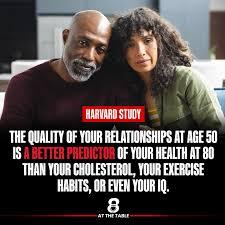
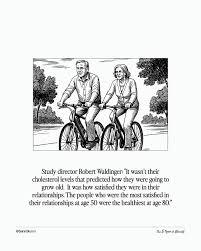
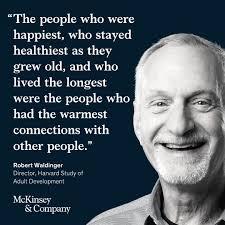
Evidence: Social isolation is linked to higher mortality, increased suicide and crime rates, and negative health outcomes.

Evidence for the Need to Belong
Classic studies and meta-analyses provide strong evidence for the need to belong as a biological and psychological imperative.
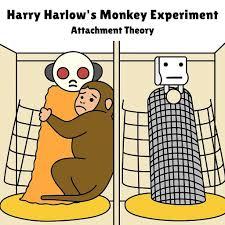
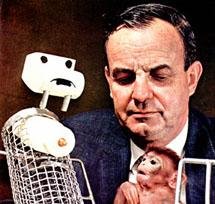
Harlow's Contact Comfort Studies: Demonstrated that infant monkeys preferred comfort and warmth over food, highlighting the importance of emotional bonds.
Social Deprivation: Cases such as Romanian orphanages and the Genie case study show severe developmental deficits from lack of social bonds.
Health Outcomes: Social support is linked to lower rates of smoking, obesity, and better overall health.
The Biological Basis of the Need to Belong
The need to belong is considered an adaptive survival mechanism, hardwired into human biology. It is supported by genetic, neurological, and evolutionary evidence.
Genetics: Sociability traits show heritability, with estimates ranging from 6% to 40% for related traits.
Neurology: Social connection triggers oxytocin release, enhancing trust and bonding. Social exclusion activates brain regions associated with physical pain.
Evolutionary Theory: Early humans with strong social bonds had higher survival and reproductive success.
Drive Theory of the Need to Belong
Baumeister and Leary (1995) proposed that the need to belong is a fundamental human drive, similar to hunger. Once satisfied, the drive diminishes until it is needed again.
Drive Theory: Pursuit of social connection is motivated by a deficiency, and satisfaction reduces the drive.
Criticisms: Overemphasis on dyadic relationships, individual differences, and inability to explain counterproductive behaviors (e.g., rejection, bullying).
Cultural Specificity: The need is universal, but the ways it is satisfied vary across cultures.
Other Biological Theories of the Need to Belong
Additional biological perspectives emphasize genetic, neurological, and evolutionary factors in social connection.
Genetic Component: Heritability of sociability and family connectedness.
Neurological Response: Oxytocin release and pain centers activated by social exclusion.
Evolutionary Adaptation: Social bonds increase survival and reproductive fitness.
Different Ways of Relating to Others
Social relationships can be categorized into exchange and communal types, each with distinct characteristics and psychological implications.
Exchange Relationships: Based on equity and reciprocity, often short-term and transactional.
Communal Relationships: Partners prioritize each other's needs without keeping score, typically long-term and emotionally close.
Social Exchange Theory: Relationship satisfaction depends on perceived costs, rewards, and alternatives.
Attachment Styles
Attachment theory posits that early relationships with caregivers shape patterns of attachment throughout life. These styles influence later social and romantic relationships.
Secure Attachment: Characterized by comfort with intimacy and autonomy.
Insecure Attachment: Includes two dimensions:
Anxiety: Fear of rejection and abandonment.
Avoidance: Discomfort with closeness and dependence.
Stability: Attachment styles are relatively stable but can change with new experiences and relationships.


Attraction
Proximity
Physical closeness increases the likelihood of attraction and relationship formation. The mere exposure effect explains why repeated encounters with a person or stimulus increase liking.
Functional Distance: The layout of environments can facilitate or hinder social contact.
Mere Exposure Effect: Repeated exposure to a stimulus increases positive feelings toward it.
Similarity
People are more likely to be attracted to others who are similar in background, interests, and values. Contrary to popular belief, opposites rarely attract unless complementary traits fulfill each other's needs.
Similarity: Shared class background, recreational preferences, and core values foster attraction.
Opposites: Little evidence supports the idea that opposites attract, except in specific complementary situations.
Physical Attractiveness
Physical attractiveness influences popularity, dating opportunities, and social outcomes. The halo effect leads people to attribute additional positive qualities to attractive individuals.
Halo Effect: The tendency to assume that physically attractive people possess other desirable traits.
Gender Differences: Physical appearance has a greater impact on women's social experiences than men's, especially in terms of external treatment.
Gender Differences in Mate Preferences
Evolutionary psychology suggests that mate preferences are shaped by reproductive fitness and parental investment. Men and women seek traits that enhance reproductive success and offspring survival.
Reproductive Fitness: The ability to pass on genes to future generations.
Parental Investment: Men prefer signs of fertility; women prefer partners who can provide resources and protection.

Romantic Relationships
What Is Love?
Love is a multifaceted construct, encompassing companionate, compassionate, and romantic (passionate) forms. Each type of love involves different emotional and behavioral components.
Companionate Love: Deep affection, trust, and shared activities, typical of friendships and family bonds.
Compassionate Love: Focuses on caring for another's needs, often seen in parental or spousal relationships.
Romantic (Passionate) Love: Intense emotion and sexual desire, often at the beginning of romantic relationships.

An Investment Model of Commitment
The investment model explains relationship commitment as a function of satisfaction, alternatives, and investments. High commitment is linked to longer-lasting, more satisfying relationships.
Satisfaction: Balance of rewards and costs in the relationship.
Alternatives: Perceived quality and availability of alternative partners.
Investments: Resources (time, effort, shared experiences) put into the relationship.
Perceived Partner Responsiveness: Feeling understood and cared for increases satisfaction and commitment.
Relationship Dissatisfaction
Several factors predict relationship dissatisfaction and divorce, including personality traits, socioeconomic status, age at marriage, and communication patterns.
Predictors: Criticism, stonewalling, defensiveness, contempt, and blame are key behavioral predictors of dissatisfaction.
Prevention: Addressing these behaviors can improve relationship quality and stability.


Creating Stronger Romantic Bonds
Healthy relationships are strengthened by positive interactions, gratitude, playfulness, and benefit-finding. Seeing each other's positive attributes fosters closeness and satisfaction.
Capitalizing on Good Events: Sharing and celebrating positive experiences together.
Playfulness: Engaging in fun, lighthearted activities.
Benefit-Finding: Identifying growth and positive outcomes from challenges.
Idealization: Viewing one's partner in a positive light is linked to greater satisfaction.
Benefit Finding in Relationships
Benefit finding involves recognizing personal growth and positive outcomes from adversity within relationships. This mindset enhances empathy, self-growth, gratitude, and relationship satisfaction.
Relationship Benefits: Improved problem-solving, increased closeness, mood stabilization, and self-expansion.
Health Benefits: Greater longevity, cardiovascular health, reduced anxiety and depression, and better cognitive function.
Seeing Each Other’s Positive Attributes
Research shows that idealizing one's partner, or being idealized, is associated with higher relationship satisfaction across diverse couples.
Virtues and Desirable Attributes: Understanding, patience, wit, and easygoing nature are commonly idealized traits.
Faults: Being critical or distant can undermine satisfaction unless balanced by positive perceptions.
The Brain in Love
Neuroimaging studies reveal that romantic love activates reward regions in the brain, such as the ventral striatum, and increases oxytocin and dopamine activity. The amygdala, associated with threat perception, is deactivated, which may explain the 'love is blind' phenomenon.
Oxytocin: Promotes trust and bonding (the 'cuddle hormone').
Dopamine: Drives approach-related behavior and pleasure.
Amygdala Deactivation: Reduces fear and threat perception, especially in early romantic love.
Love and Marriage Across Cultures
Marriage practices vary across cultures, with arranged marriages common in many societies. These arrangements can offer advantages such as lower divorce rates, more rational partner selection, and better in-law relationships.
Arranged Marriages: Often result in stable, long-lasting unions with strong family support.
Western Marriages: Typically guided by emotion and individual choice, with higher rates of divorce.
