 Back
BackSexual Problems and Therapy: Disorders, Causes, and Treatments
Study Guide - Smart Notes
 Tailored notes based on your materials, expanded with key definitions, examples, and context.
Sexual Problems and Therapy
Overview of Sexual Problems
Sexual problems are common among both men and women and can occur consistently or only in specific relationships. These issues may stem from differences in expectations, assumptions, or preferences between partners, and are often influenced by relationship dynamics and communication.
Prevalence: Many individuals experience sexual problems at some point in their lives.
Context: Problems may be persistent or situational, depending on the partner or relationship context.
Common Sources: Differences in expectations, assumptions about preferences, desired frequency, and preferred behaviors.
Relationship Factors: Solid relationships are less likely to have sexual problems; communication is a key factor in both the development and resolution of sexual issues.
Interpersonal Conflict and Relationship Distress
Relationship well-being and effective communication are crucial for sexual satisfaction. Stressors, whether short-term or long-term, can interfere with sexual relationships and contribute to sexual problems.
Communication: Poor communication is a common contributing factor; therapy often addresses this issue.
Stressors: Life stressors can negatively impact sexual functioning and satisfaction.
Sexual Therapy: Approaches and Components
Therapeutic Approaches
Several therapeutic models are used to address sexual problems, each with distinct methods and goals.
Cognitive-Behavioral Therapy (CBT): Focuses on altering maladaptive thoughts (cognitive restructuring) and associating positive feelings with sexual behavior (behavior modification).
Medical Model: Utilizes medication, surgery, or other medical interventions to address physiological causes of sexual problems.
Biopsychosocial Approach: Integrates biological, psychological, and social factors in treatment.
Couples Therapy: Emphasizes communication and conflict management skills.
Components of Sexual Therapy
Medical History: Assessment of medical conditions, medications, and substance use that may contribute to sexual problems.
Sexual History: Exploration of past sexual problems, their relation to life events, and partner history.
Educational Information: Providing accurate information about anatomy and dispelling myths that may contribute to dysfunction.
Sensate Focus: A technique involving non-goal-oriented mutual pleasure, progressing from less to more intimate touching, with feedback between partners. This method is strongly associated with positive outcomes.
Specific Exercises: Tailored activities designed to address the unique problems faced by the individual or couple.
Sexual Disorders (DSM-5)
Definition and Criteria
According to the DSM-5, sexual disorders are a heterogeneous group of conditions characterized by clinically significant disturbances in sexual response or pleasure. These disorders must be persistent (lasting 6+ months), subjectively distressing, and not attributable to other personal or interpersonal issues.
Subjectivity: The individual must perceive the issue as problematic and distressing.
Duration: Symptoms must persist for at least six months.
Exclusion: The disorder should not be better explained by other psychological or interpersonal factors (e.g., depression).
Male Sexual Disorders
Hypoactive Sexual Desire Disorder
This disorder involves a persistent and pervasive lack of sexual interest, thoughts, and fantasies. It may be primary (lifelong) or secondary (acquired), and is often associated with depression, stress, anger, or relationship problems.
Sexual Aversion: An extreme form where sex becomes almost phobic.
Treatment: Couples therapy and communication-focused interventions are key.
Erectile Disorder
Characterized by a persistent or recurrent inability to achieve or maintain an erection. It can be primary (lifelong), secondary (acquired), global (all situations), or situational (specific situations/partners).
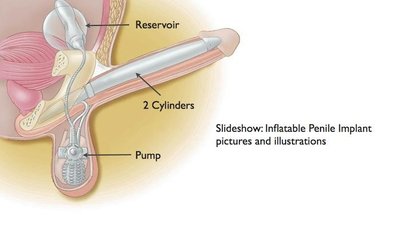
Medicalization: Treatments include medications (e.g., Viagra) and penile implants.
Therapy: Sensate focus and couples therapy are effective non-medical interventions.
Premature Ejaculation
Defined as persistent or recurrent ejaculation with minimal stimulation, occurring before it is desired and with an inability to control the timing.
Causes: Psychological (anxiety, trauma, relationship problems) and organic (medication, hormones, physiological issues).
Treatment: Medications and behavioral techniques such as the squeeze technique, where the tip of the penis is squeezed to delay orgasm.
Delayed Ejaculation Disorder
Involves difficulty achieving orgasm and ejaculation, which may be primary (lifelong) or secondary (acquired), and global or situational.
Origins: Often related to anxiety, fear, guilt, trauma, medical conditions, or age.
Treatment: The bridge maneuver, a gradual process involving masturbation alone, with a partner present, and then with partner involvement, leading to intercourse.
Sexual Pain Disorders (Male)
Dyspareunia: Painful intercourse, which may be due to phimosis (tight foreskin) or Peyronie’s disease (curved penis).
Priapism: Prolonged erection, often requiring immediate medical attention due to risk of tissue damage.
Female Sexual Disorders
Female Sexual Interest/Arousal Disorder
This disorder is characterized by a persistent or recurrent lack of sexual fantasies, thoughts, desire, or receptivity to sexual activity, and/or inability to maintain sufficient sexual excitement. It is the most commonly reported sexual problem among partnered women.
Causes: Relationship issues, psychological factors (anxiety, trauma), and other stressors.
Treatment: Couples therapy focusing on communication and conflict management is most effective.
Female Orgasmic Disorder
Defined by persistent or recurrent difficulty, delay, or absence of orgasm following sufficient sexual stimulation. It may be primary (lifelong) or secondary (acquired), and global or situational.
Prevalence: One of the most common reasons women seek sexual therapy.
Treatment: Sensate focus, masturbation, and changing sexual positions.
Sexual Pain Disorders (Female)
Dyspareunia: Painful sexual intercourse, which may be caused by vulvodynia (chronic vulva pain), endometriosis, pelvic inflammatory disease, or infections.
Vaginismus: Involuntary spasms of the vaginal muscles causing pain and preventing penetration, often due to anxiety. Treated with vaginal dilators.
Hypersexuality
Controversy and Definitions
Hypersexuality, including sexual addiction or compulsion, is controversial and not included in the DSM-5 but appears in the ICD-10. It involves an inability to control sexual behavior and continuation of sexual activity despite significant negative consequences.
Symptoms: Excessive sexual drive, inability to control sexual activity, and engagement in risky behaviors (e.g., infidelity, loss of job, disease).
Clinical Debate: The existence and classification of hypersexuality as a disorder remain debated among professionals.
