Back
BackSocial and Personality Development in Middle Childhood CH. 10
Study Guide - Smart Notes
 Tailored notes based on your materials, expanded with key definitions, examples, and context.
Social and Personality Development in Middle Childhood
Theories of Social and Personality Development
Social and personality development in middle childhood centers on the development of self-perceived competence. Various theoretical perspectives offer different explanations for how children develop this sense of competence.
Psychoanalytic Theory (Freud): Freud emphasized the importance of forming emotional bonds with peers and moving beyond earlier attachments to parents during middle childhood.
Erikson’s Psychosocial Theory: The industry versus inferiority stage is the fourth psychosocial stage, where children develop a sense of competence through mastery of culturally valued tasks, such as reading and writing.
Trait Theories: These focus on the origins of individual differences in emotional responses. A trait is a stable pattern of responding to situations.
The Big Five Personality Traits: Extraversion, agreeableness, conscientiousness, neuroticism, and openness/intellect are identifiable and stable in middle childhood. These traits contribute to feelings of competence and are associated with temperament components.
Trait | Qualities | Temperament Components |
|---|---|---|
Extraversion | Active, outgoing, enthusiastic | High activity, sociability, positive emotionality |
Agreeableness | Affectionate, forgiving, generous | High approach, effortful control |
Conscientiousness | Efficient, organized, reliable | Effortful control, task persistence |
Neuroticism | Anxious, tense, unstable | Negative emotionality, irritability |
Openness/Intellect | Curious, imaginative, original | Approach new situations, low inhibition |
Social-Cognitive Perspectives (Bandura): Bandura’s concept of reciprocal determinism describes how personal, behavioral, and environmental factors interact. Self-efficacy—a child’s belief in their ability to achieve goals—is shaped by peer models, encouragement, and real-life experiences.
Self-Concept
Children’s understanding of themselves becomes more complex during middle childhood, incorporating both a psychological self and a valued self.
Psychological Self: Refers to an understanding of one’s stable, internal traits and self-judgments of competency. Children’s self-descriptions become more precise, comparative, and focused on internal qualities.
Self-Efficacy: Influenced by peer models, encouragement from respected individuals, and personal experiences.

The Valued Self
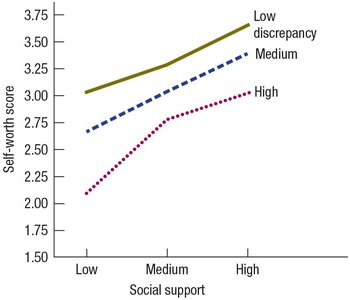
The valued self includes self-esteem and, for some, a spiritual self. Self-esteem is a global evaluation of one’s self-worth, influenced by the perceived gap between the ideal and actual self and by social support.
Self-Esteem: Both low discrepancy between ideal and actual self and high social support are needed for high self-esteem.
Spiritual Self: Spirituality can play a significant role in children’s lives, shaping their perceptions of meaning and well-being, especially among Indigenous children.
Active Learning: When teachers and students learn together and share decisions, children develop a stronger sense of identity.

Advances in Social Cognition
Children’s ability to understand others improves, supported by the development of theory of mind. By the end of middle childhood, children have a broader understanding of others and begin to grasp the moral aspects of social relationships.
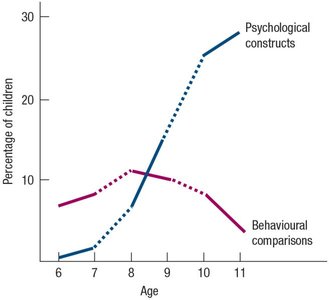
Development of Person Perception: Children’s descriptions of others shift from concrete to abstract, focusing more on psychological constructs than behavioral comparisons as they age.
Moral Reasoning
Moral reasoning involves making judgments about the rightness or wrongness of actions. Children’s understanding of others’ internal experiences supports the development of mature moral reasoning.
Piaget’s Two-Stage Theory of Moral Development:
Moral Realism Stage: Rules are seen as inflexible and unchangeable.
Moral Relativism Stage: Children understand that rules can be changed by social agreement.

Social Relationships
As children’s social cognition advances, their relationships with caregivers and peers change. They become more independent from caregivers, while peer relationships become more stable and significant.
Caregiver Relationships: Independence increases, but attachment remains important. Caregivers’ self-regulation and parenting style (especially authoritative) influence children’s self-regulation.
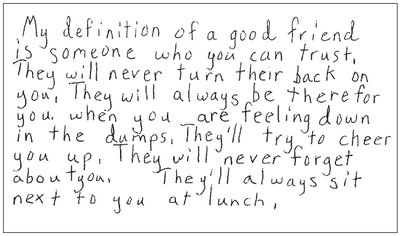
Peer Relationships: The concept of a “best friend” emerges and is valued across cultures. Gender self-segregation in play is common and may reflect social contexts and values.
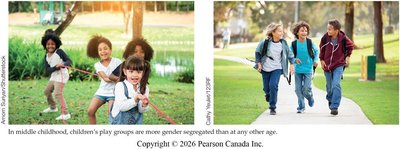
Patterns of Aggression
Physical aggression decreases as children learn cultural rules about expressing anger. However, relational aggression (damaging self-esteem or relationships) becomes more common, especially among females. Retaliatory aggression increases as children better understand intentions.
Bullying: Involves repeated, deliberate harm to others. Roles in bullying include bully, victim, assistant, reinforcing bystander, nonparticipant bystander, and defender. Bullying can lead to psychological and academic problems for victims.
Social Status
Children’s social status is typically categorized as popular, rejected, or neglected. Physical attractiveness and social behavior influence popularity more than temperament. Neglect is less stable over time than rejection.
Influences Beyond Family and Peers
Children’s development is shaped by factors beyond family and peers, including self-care arrangements and media exposure.
Self-Care: Refers to children who are home alone after school. The impact depends on behavioral history, maturity, age, gender, temperament, neighborhood, and parental monitoring.
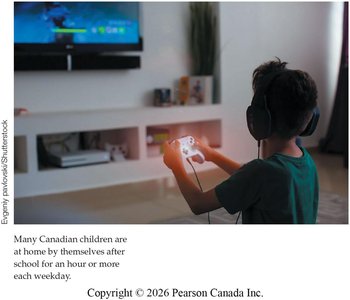
Media Influences: Children spend significant time on screens. The content viewed is more important than the amount. Educational programs can have positive effects, while heavy TV viewing is linked to lower academic skills. Exposure to televised violence increases aggressive behavior, as shown in Bandura’s Bobo doll study.
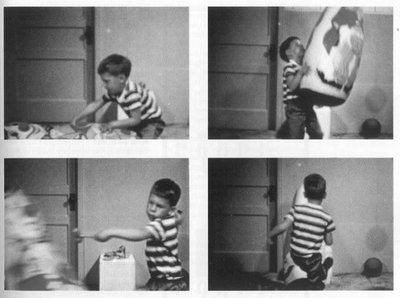
Long-term exposure to violent media is associated with negative socioemotional and academic outcomes, possibly due to neural activation patterns.
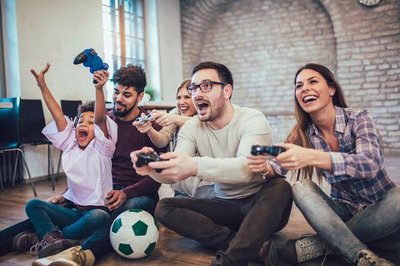
Video gaming can have positive effects, such as enhancing spatial-cognitive skills and providing a sense of competence for children who struggle academically.