 Back
BackSocial Psychology: Group Dynamics, Conformity, Obedience, and Social Cognition
Study Guide - Smart Notes
 Tailored notes based on your materials, expanded with key definitions, examples, and context.
Social Psychology
Norms & Group Dynamics
Social psychology examines how individuals' thoughts, feelings, and behaviors are influenced by the presence of others. Social norms are implicit guidelines for behavior in social contexts, while social roles are expectations for behavior associated with particular positions within a group. These norms and roles shape group dynamics and individual actions.
Social norms: Unwritten rules about how to behave; often learned through observation and socialization.
Social approval and ostracism: Conforming to norms can lead to acceptance, while violating them may result in exclusion.
Social roles: Patterns of behavior expected of individuals in specific positions (e.g., leader, follower).
Stanford Prison Experiment: Demonstrated the power of social roles in influencing behavior.
Formula: (Behavior is a function of the Person and the Environment)
Group Dynamics
Group dynamics refer to the ways in which group membership influences individual behavior. Two key phenomena are social loafing and social facilitation.
Social loafing: Individuals exert less effort when working in groups compared to working alone. Causes include low efficacy beliefs, perceived lack of importance, and diffusion of responsibility.
Social facilitation: The presence of others can enhance performance on simple tasks but may impair performance on complex tasks due to increased arousal and attention demands.
Example: People may work harder at the gym when others are present.

Conformity
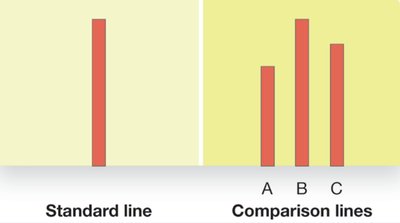
Conformity is the change in behavior to align with group norms. Classic studies, such as Asch's line experiments, illustrate how individuals conform to group pressure even when the group is clearly wrong.
Normative influence: Conforming to be liked or accepted (public compliance).
Informational influence: Conforming because the group is perceived as a source of accurate information (private acceptance).
Both influences can operate together, such as in attractiveness ratings.
Factors Affecting Conformity
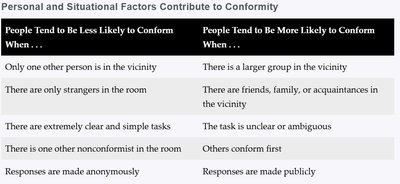
People Tend to Be Less Likely to Conform When... | People Tend to Be More Likely to Conform When... |
|---|---|
Only one other person is in the vicinity | There is a larger group in the vicinity |
There are only strangers in the room | There are friends, family, or acquaintances in the vicinity |
Tasks are extremely clear and simple | The task is unclear or ambiguous |
There is one other nonconformist in the room | Others conform first |
Responses are made anonymously | Responses are made publicly |
Groupthink
Groupthink is a flawed decision-making process in which group members suppress dissenting viewpoints to maintain harmony and consensus. This can lead to poor decisions, as potential problems and risks are minimized and alternative ideas are not fully considered.
Problems: Overconfidence, rapid consensus, minimization of risks.
Examples: The Challenger disaster, misjudgments about weapons of mass destruction (WMDs).

Obedience to Authority
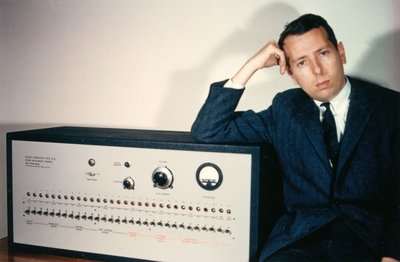
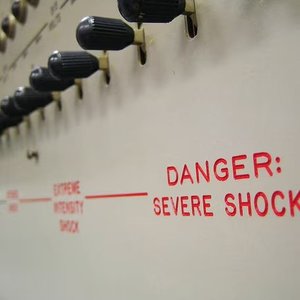
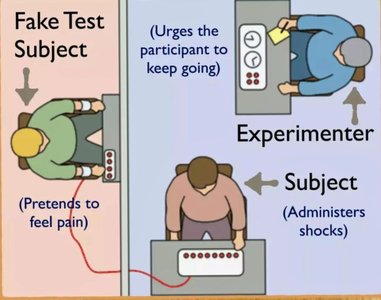
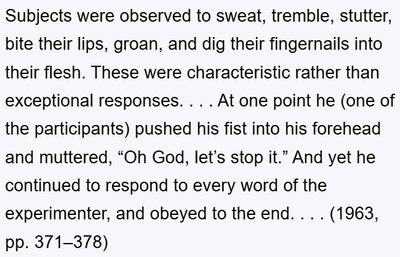
Obedience refers to following orders from an authority figure, even when those orders conflict with personal conscience. The Milgram experiment demonstrated that ordinary people can commit harmful acts under authority pressure.
Milgram's study: Participants were instructed to administer what they believed were electric shocks to another person.
Reducing obedience: Lowering authority pressure, increasing awareness of harm, and introducing dissent can reduce obedience rates.
The Bystander Effect
The bystander effect (or bystander apathy) is the phenomenon where individuals are less likely to help someone in need when others are present. This is partly due to the diffusion of responsibility and both normative and informational influences.
Reciprocity norm: The expectation to help those who have helped us.
Example: The case of Kitty Genovese, where multiple witnesses failed to intervene.

Social Cognition
Person Perception
Person perception involves the processes by which we categorize and form judgments about others. This is influenced by schemas—organized clusters of knowledge, beliefs, and expectations—and can be based on 'thin slices' of behavior.
Explicit vs. implicit processes: Conscious vs. unconscious judgments.
Examples: Snap judgments about professors, 'resting face' stereotypes, and 'gaydar.'
Consequences: Can affect legal and political outcomes, and lead to self-fulfilling prophecies.
Self-Perception and Attribution
People generally strive for a positive self-image, often through self-serving biases—attributing successes to internal factors and failures to external ones. When judging others, people tend to commit the fundamental attribution error (FAE), overemphasizing dispositional factors and underestimating situational influences.
Internal (dispositional) attribution: Attributing behavior to personal traits.
External (situational) attribution: Attributing behavior to environmental factors.
FAE: Overestimating the role of personality in others' actions, underestimating context.
Prejudice and Discrimination
Prejudice and discrimination arise from social categorization and group identification. Ingroup bias leads individuals to favor their own group over others. Stereotypes are schemas about groups, prejudice is an emotional response, and discrimination is behavior that disadvantages outgroup members.
Ingroup vs. outgroup: Tendency to see one's own group as superior.
Automaticity: Social categorization often occurs unconsciously.
Implicit Associations Test (IAT)
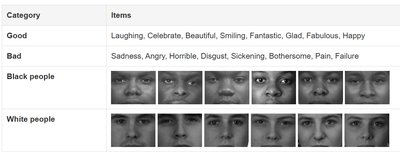
The Implicit Associations Test (IAT) measures the strength of automatic associations between concepts (e.g., race, age) and evaluations (e.g., good, bad). Participants categorize words or images rapidly, revealing implicit biases.
Procedure: Participants sort stimuli into categories as quickly as possible.
Congruent vs. incongruent trials: Faster responses when associations match societal stereotypes (e.g., 'good' with 'White'), slower when they do not.
Applications: Used to assess biases related to race, age, sexuality, etc.
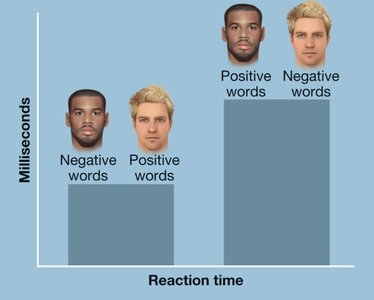
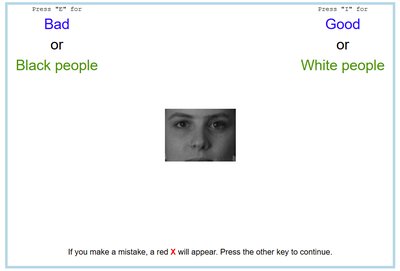
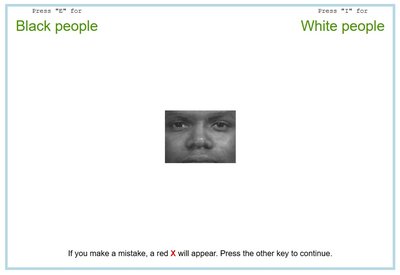
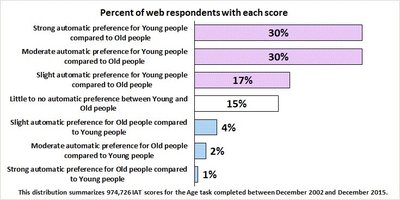
Example: IAT results often show faster associations between 'good' and socially favored groups, revealing implicit preferences even when explicit attitudes are egalitarian.
Additional info: The IAT is widely used in psychological research to uncover implicit biases that may not be accessible through self-report measures.
