 Back
BackSport Psychology and Youth Sport Development Pathways: Risks, Benefits, and Models
Study Guide - Smart Notes
 Tailored notes based on your materials, expanded with key definitions, examples, and context.
Sport Psychology Research and Youth Sport Development
Introduction to Sport Psychology in Youth Development
Sport psychology research provides critical insights into how participation in sport and physical activity influences the psychological and physical development of children and adolescents. This field examines the structures, outcomes, and best practices for youth sport programs, with a focus on optimizing both performance and well-being.
Sport Development Pathways
3P’s Objectives of Youth Sport
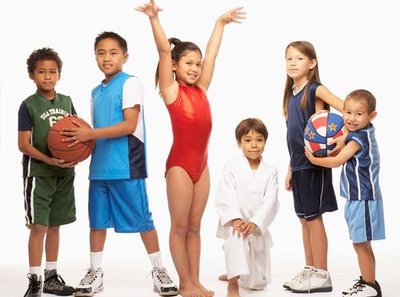
Youth sport programs are designed with three primary objectives, often referred to as the 3P’s:
Participation: Encouraging physical activity to enhance physical health.
Performance: Providing an environment to learn motor skills for sport participation and competition.
Personal Development: Fostering healthy psychological development and life skills.
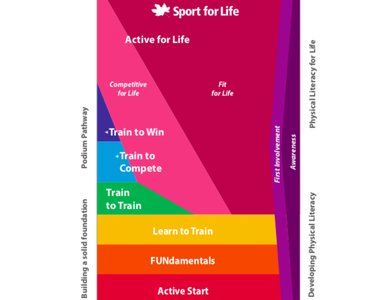
Long-Term Development in Sport and Physical Activity (LTD Model)
The LTD model outlines stages of sport and physical activity engagement from early childhood through adulthood. Each stage is tailored to the developmental needs of participants:
Awareness: Recognizing the existence of an activity and knowing where to find it.
First Involvement: Initial experience in a sport or physical activity.
Active Start (0-6 years): Mastery of basic movement skills through daily active play.
FUNdamentals: Development of fundamental movement skills in enjoyable, structured and unstructured contexts.
Learn to Train: Acquisition of foundational sport skills and tactics.
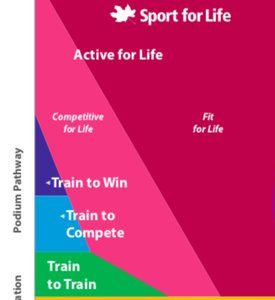
Train to Train: Decision point for pursuing elite pathways or continued participation.
Train to Compete/Win: Advanced skill development for high-level competition.
Competitive for Life / Fit for Life: Lifelong engagement in sport or physical activity for satisfaction and health.
Developmental Model of Sport Participation (DMSP)
The DMSP describes typical trajectories in youth sport, distinguishing between sampling, specializing, and investment years:
Sampling Years (ages 6-12): Involvement in multiple activities, high deliberate play, low deliberate practice.
Specializing Years (ages 13-15): Focus narrows to 2-3 activities, moderate play and practice.
Investment Years (ages 16+): Commitment to 1-2 activities, high deliberate practice, low play.
Two main pathways are identified:
Sampling to Elite: Gradual specialization leading to elite performance.
Sampling to Participation: Continued recreational involvement without elite focus.
Deliberate Practice vs. Deliberate Play
Deliberate Practice: Highly structured, effortful activities aimed at improving performance, often with no immediate rewards.
Deliberate Play: Informal, enjoyable activities with modified equipment, intrinsically motivating and immediately gratifying.
Early Specialization in Youth Sport
Definition and Characteristics
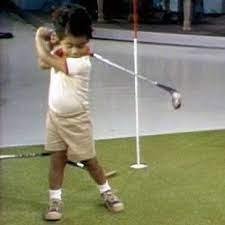
Early specialization involves starting a single sport at a young age, engaging in high-intensity training, and early competition. Key features include:
Early start age
Exclusive focus on one sport
High training volume
Early competitive involvement

Risks of Early Specialization
Research highlights several negative outcomes associated with early specialization:
Physical Risks: Increased risk of overuse injuries (Jayanthi et al., 2015), lower overall health (Law, Côté & Ericsson, 2007).
Psychological Risks: Higher rates of dropout (Fraser-Thomas et al., 2005), emotional exhaustion (Strachan et al., 2009), and psychological needs dissatisfaction (McFadden et al., 2016).
Debate and Lack of Standardization
Despite the risks, not all studies find negative outcomes, and there is no universally accepted definition of early specialization. Classification methods vary, leading to inconsistent findings (Ferguson & Stern, 2014; Buckey et al., 2017).
Some studies report no increased risk of injury, burnout, or dropout (Frome et al., 2019; Ross et al., 2021; Larson et al., 2019).
Classification tools include single-sport status, year-round participation, and specialization scales, but agreement between these is low.
Preschoolers and Organized Sport
Participation Trends and Outcomes
Over half of Canadian children aged 3-4 participate in organized sport. Research on preschooler sport programs reveals both positive and negative outcomes:
Positive: Improved social skills, self-regulation, and cognitive abilities.
Negative/Inconclusive: Reduced perceived competence, social maladjustment, and reinforcement of gender stereotypes.
Program Structure and Coaching Challenges
Preschool sport programs are typically multi-sport and semi-structured. Coaches face challenges such as varied ability levels and parental expectations, and employ strategies like age-appropriate delivery and creative engagement.
Parental Expectations and Social Trends
Influence of Social Trends
Children's sport trajectories are often shaped by social trends and program availability rather than empirical evidence. The COVID-19 pandemic shifted participation patterns, increasing unstructured play and family time.
Recommendations for Youth Sport Program Design
Key Suggestions
Promote Outdoor Play: Encourage unstructured physical activity for holistic development.
Ensure Accessibility: Strive for sport opportunities for all children, especially those who may benefit most.
Adapt Structures: Consider cultural, economic, and governmental differences in sport program design.
Support Physical Literacy: Develop strategies that connect to culture, spirituality, and intergenerational activities, especially for Indigenous communities.
Summary Table: Comparison of Sport Participation Pathways
Pathway | Age Range | Number of Activities | Type of Engagement | Outcomes |
|---|---|---|---|---|
Sampling | 6-12 | Multiple | High play, low practice | Broad skill base, enjoyment |
Specializing | 13-15 | 2-3 | Moderate play/practice | Skill refinement, moderate risk |
Investment/Early Specialization | 16+ | 1-2 | High practice, low play | Elite performance, increased risk |
Conclusion
Sport psychology research underscores the importance of developmentally appropriate, inclusive, and evidence-based youth sport programs. While early specialization can lead to elite performance, it carries significant risks, and a balanced approach that values participation, personal development, and performance is recommended for optimal youth development.
