 Back
BackStages of Development: Adolescence to Adulthood
Study Guide - Smart Notes
 Tailored notes based on your materials, expanded with key definitions, examples, and context.
Adolescence
Definition and Social Context
Adolescence is a socially constructed period of development that begins at puberty and ends at emerging adulthood. In modern societies, adolescence is seen as a time for developing independence from parents while maintaining connections.
Typical Age Range: 12–18 years
Milestones: Physical, cognitive, and psychosocial changes
Physical Development During Puberty
Puberty marks the onset of adolescence, characterized by predictable physical changes, though the timing and pace vary.
Adrenarche and Gonadarche: Maturation of adrenal and sex glands
Primary Sexual Characteristics: Organs needed for reproduction (e.g., uterus, ovaries, testes)
Secondary Sexual Characteristics: Physical signs not directly related to reproduction (e.g., breast development, facial hair, deepened voice)
Menarche: Onset of menstruation in girls (around 12–13 years)
Spermarche: First ejaculation in boys (around 13–14 years)
Growth Spurt: Rapid increase in height; girls typically begin earlier than boys
Influences: Both genetic and environmental factors affect physical development
Psychosocial Impact: Early or late maturation can affect self-esteem and risk for depression, substance abuse, and eating disorders
Brain Development
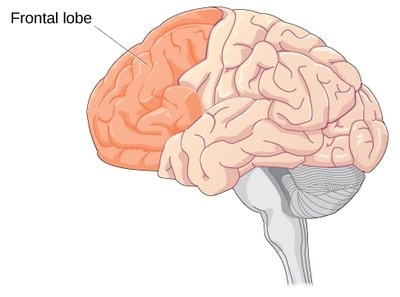
The adolescent brain continues to develop, especially the frontal lobes, which are responsible for judgment, impulse control, and planning.
Frontal Lobe Development: Ongoing maturation into early adulthood
Behavioral Impact: Increased risk-taking and emotional outbursts
Cognitive Development
Adolescents develop more complex thinking abilities, moving beyond concrete thought to abstract reasoning.
Formal Operational Thought: Piaget's stage where abstract and hypothetical thinking emerges
Multiple Perspectives: Ability to consider different viewpoints and debate ideas
Cognitive Empathy (Theory of Mind): Ability to take others' perspectives and feel concern for them; increases during adolescence
Psychosocial Development
Adolescents refine their sense of self and identity, often pulling away from parents and focusing on peer relationships.
Erikson's Identity vs. Role Confusion: Central task is developing a personal identity
Peer Influence: Peer groups become central to social life
Parent-Child Relationships: Most teens report positive feelings toward parents; healthy relationships are linked to positive outcomes
Conflict: Most disagreements are minor and decrease with age
Adulthood
Stages of Adulthood
Adulthood begins around age 20 and is divided into early, middle, and late stages, each with distinct challenges and rewards.
Early Adulthood: 20–40 years
Middle Adulthood: 40–60 years
Late Adulthood: 60+ years
Emerging Adulthood
Emerging adulthood is a newly defined period (18–mid-20s) characterized by identity exploration in work and love.
Legal vs. Sociological Adulthood: Definitions vary by culture and milestones (e.g., self-support, marriage, parenthood)
Western Trends: Delayed independence due to longer lifespans, changing workforce, and cultural expectations
Physical Development in Adulthood
Early Adulthood: Physical abilities peak (muscle strength, reaction time, sensory abilities)
Middle Adulthood: Gradual physical decline (skin elasticity, visual acuity, fertility, weight gain, hair changes)
Late Adulthood: Further decline (skin, reaction time, muscle strength, sensory abilities, cognitive function)
Healthy Aging: Exercise, nutrition, and active lifestyle can minimize physical declines

Cognitive Development in Adulthood
Cognitive abilities remain steady through early and middle adulthood, with crystallized intelligence often improving.
Crystallized Intelligence: Accumulated knowledge and skills; remains stable or improves
Fluid Intelligence: Information processing, reasoning, and memory; declines in late adulthood
Delaying Cognitive Decline: Mental and physical activity can reduce risk of impairment and dementia

Psychosocial Development in Adulthood
Social and emotional aspects of aging are influenced by activities, relationships, and cultural context.
Meaning in Life: Found through work and family (Erikson's generativity and intimacy)
Career and Job Satisfaction: Linked to meaningful work and independence
Relationships: Positive relationships with family and significant others contribute to well-being
Social Connectedness: Socioemotional selectivity theory suggests fewer but closer friendships in later years
Summary of Developmental Stages
Prenatal Development: Germinal, embryonic, and fetal stages; rapid growth and organ formation
Infancy: Reflexes and attachment are critical for healthy development
Childhood: Parenting styles influence well-being
Adolescence: Challenging transition due to puberty and emerging adulthood
Adulthood: Physical decline begins in middle adulthood; cognitive decline starts later
Healthy Aging: Activities and social supports help maintain health and well-being
