 Back
BackStages of Development: Prenatal to Childhood – Physical, Cognitive, and Psychosocial Growth
Study Guide - Smart Notes
 Tailored notes based on your materials, expanded with key definitions, examples, and context.
Stages of Development: Prenatal to Childhood
Prenatal Development
Prenatal development is the process by which a human organism grows from a single cell to a full-term infant. This period is divided into three main stages: germinal, embryonic, and fetal. Each stage is characterized by unique biological changes and is sensitive to genetic and environmental influences.
Germinal Stage (Weeks 1–2): Begins at conception when a sperm fertilizes an egg, forming a zygote. The zygote undergoes rapid cell division (mitosis) and travels to the uterus for implantation. The genetic makeup and sex of the baby are determined at this stage.
Embryonic Stage (Weeks 3–8): The implanted zygote is now called an embryo. Major organs and structures begin to form, including the heart, brain, and spinal cord. The placenta develops to provide nourishment and oxygen.
Fetal Stage (Weeks 9–40): The organism is now called a fetus. Growth and maturation of tissues and organs occur. By week 24, the fetus has developed hearing and can survive outside the womb with medical support. By week 37, all organ systems are developed for independent survival.

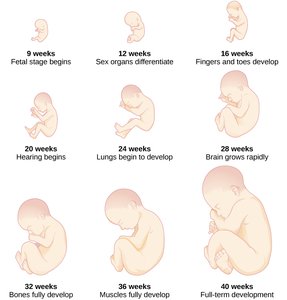
Influences on Prenatal Development
Prenatal development is influenced by both genetic and environmental factors. The mother’s health, nutrition, and exposure to harmful substances can significantly affect fetal development.
Teratogens: Environmental agents (biological, chemical, or physical) that can cause harm to the developing embryo or fetus. Examples include alcohol, nicotine, drugs, certain medications, radiation, and infectious diseases.
Fetal Alcohol Spectrum Disorders (FASD): Caused by maternal alcohol consumption, leading to physical abnormalities and cognitive impairments.
Prenatal Care: Regular medical care during pregnancy is essential to monitor and promote the health of both mother and fetus, reducing the risk of complications.
Physical Development in Infancy and Childhood
Physical development from infancy through childhood is marked by rapid growth in body size, brain development, and motor skills. Growth rates vary by age and are influenced by genetics and environment.
Newborn Reflexes: Inborn automatic responses (e.g., rooting, sucking, grasping, Moro reflex) that aid survival and disappear as the brain matures.
Motor Skills: Gross motor skills involve large muscle groups (e.g., walking, running), while fine motor skills involve small muscles (e.g., grasping, writing).
Developmental Milestones: Children achieve specific physical, social, language, and cognitive skills at predictable ages. Delays may indicate developmental concerns.
Brain Development: Rapid neural growth (blooming) followed by pruning for efficient functioning. The frontal lobes, responsible for planning and impulse control, grow rapidly in early childhood.

Cognitive Development: Piaget and Vygotsky
Cognitive development refers to the progression of thinking, problem-solving, and understanding the world. Two major theories explain this process:
Jean Piaget’s Theory: Children move through four stages of cognitive development, each characterized by different abilities. Piaget emphasized the role of interaction with the environment in learning. He may have underestimated young children’s cognitive abilities, as later research shows infants understand object properties earlier than he proposed.
Lev Vygotsky’s Sociocultural Theory: Emphasizes the role of social interaction and culture in cognitive development. The zone of proximal development is the range of tasks a child can perform with guidance but not alone. Learning is scaffolded by more knowledgeable others.

Language Acquisition
Language development is a key aspect of cognitive growth. Children are biologically predisposed to learn language, but social interaction is also crucial. Language acquisition follows a predictable sequence: cooing, babbling, first words, and rapid vocabulary expansion. Both nature (innate ability) and nurture (environmental input) contribute to language learning.
Psychosocial Development: Attachment and Self-Concept
Psychosocial development involves forming relationships, understanding emotions, and developing a sense of self.
Attachment: A strong emotional bond between child and caregiver. Harry Harlow’s monkey studies and John Bowlby’s attachment theory highlight the importance of comfort and security. Mary Ainsworth identified attachment styles: secure, avoidant, resistant, and disorganized.
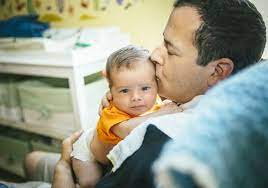
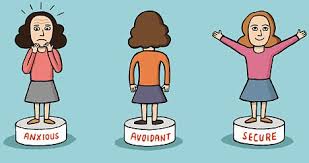
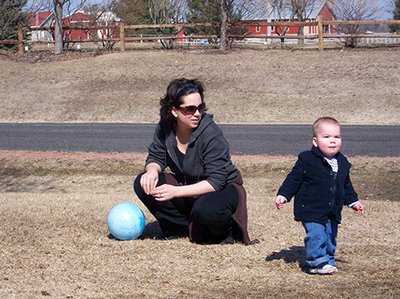
Self-Concept: The understanding of oneself, which develops through self-recognition and social comparison. Positive self-concept is linked to confidence and social competence.
Parenting Styles
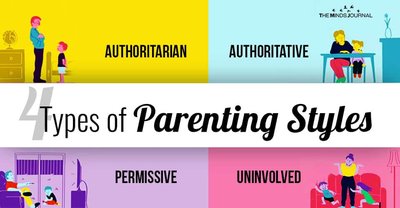
Diana Baumrind identified four main parenting styles, each with distinct effects on child development:
Parenting Style | Description | Child Outcomes |
|---|---|---|
Authoritative | High warmth, reasonable demands, consistent limits, open communication | High self-esteem, social competence, independence |
Authoritarian | High demands, low warmth, strict rules, little flexibility | Anxiety, withdrawal, lower happiness |
Permissive | Low demands, high warmth, few rules | Lack of self-discipline, higher self-esteem, possible risky behaviors |
Uninvolved | Low demands, low warmth, neglectful | Emotional withdrawal, poor academic performance, higher risk behaviors |
The Importance of Play
Unstructured play is vital for creativity, problem-solving, social skills, and physical health. Outdoor play supports sensory development and reduces the risk of obesity. Over-scheduling and reduced recess time can negatively impact development.
Key Terms and Concepts
Zygote: Single-cell formed at conception
Embryo: Early multi-cellular organism
Fetus: Later stage of prenatal development
Teratogen: Harmful agent affecting prenatal development
Attachment: Emotional bond with caregiver
Self-concept: Understanding of oneself
Parenting styles: Authoritative, authoritarian, permissive, uninvolved
Sample Review Questions
What are the three stages of prenatal development?
What is a teratogen? Give examples and their effects.
Describe Piaget’s and Vygotsky’s theories of cognitive development.
What are the four parenting styles and their outcomes?
How does attachment form, and why is it important?
