 Back
BackStress, Coping, and Happiness: Key Concepts in Psychology
Study Guide - Smart Notes
 Tailored notes based on your materials, expanded with key definitions, examples, and context.
Stress and Coping
What is Stress?
Stress refers to the process by which we perceive and respond to certain events, called stressors, that we appraise as threatening or challenging. Stressors can be acute or chronic and vary in their impact on individuals.
Major Life Events: Significant, singular occurrences requiring substantial adjustment (e.g., death of a loved one, divorce, job loss).
Daily Hassles: Everyday minor irritations and annoyances (e.g., traffic, workload, minor illnesses).
Chronic Adversity: Ongoing, persistent sources of stress (e.g., poverty, chronic illness, war).
Most Stressful Events: Characterized by lack of control, unpredictability, and long-term impact.
The Stress Response
The stress response involves both cognitive and physiological components. How we interpret and react to stressors determines our overall experience of stress.
Cognitive Appraisals: Our interpretations of events and their significance for our well-being.
Primary Appraisal: Assessment of the potential harm or threat posed by a stimulus ("What are the stakes?").
Secondary Appraisal: Evaluation of available resources and options for coping ("What can I do about it?").
Threat Appraisal: When one believes they cannot cope with the stressor, leading to anxiety or fear.
Challenge Appraisal: When one believes they have the resources to manage the stressor, leading to motivation and engagement.



Physiological and Behavioral Responses
Fight-or-Flight Response: An emotional and physiological reaction to an emergency that increases readiness for action. This response is an evolved adaptation to physical threats but can be triggered by modern psychological stressors.
Evolutionary Mismatch: Modern stressors are often chronic and psychological, differing from the acute physical threats our ancestors faced.

Challenge Appraisals and Performance
Research (Jamieson et al., 2016) shows that teaching individuals to view stress responses as beneficial (challenge appraisal) can reduce anxiety and improve performance, especially in academic settings.

Coping Strategies
Coping refers to the cognitive and behavioral efforts to manage the demands of stressful situations.
Problem-Focused Coping
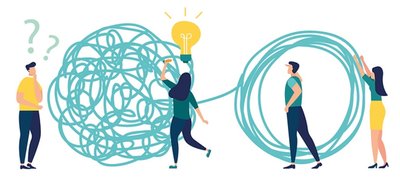
Problem-focused coping involves strategies aimed at confronting and directly dealing with the demands of the situation or changing the situation so it is no longer stressful.
Evaluating options
Seeking information
Taking control of the situation
Most effective when the stressor is controllable; can be harmful if not.
Emotion-Focused Coping
Emotion-focused coping involves managing the emotional responses that result from a stressor, rather than changing the stressor itself.
Disengagement (Negative Emotion-Focused Coping): Avoidance, denial, wishful thinking, substance use, venting.
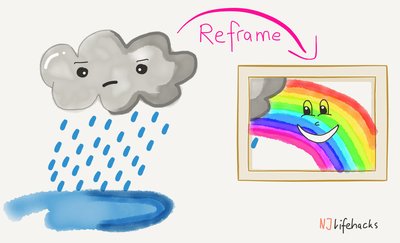
Positive Emotion-Focused Coping: Reframing (finding a new way to think about a stressor), self-distancing (viewing the situation as an observer).
Positive strategies are effective when the stressor is uncontrollable.

Social Support
Social support is a critical resource for coping with stress and is associated with better psychological and physical health outcomes.
Instrumental Support: Tangible aid and services.
Informational Support: Providing helpful information or advice.
Emotional Support: Expressions of empathy, caring, and trust.
Perceived social support is linked to lower psychological distress, depression, and anxiety.

Social Relationships and Health
Meta-analytic research (Holt-Lunstad et al., 2010) demonstrates that strong social relationships increase survival rates and have health effects comparable to or greater than those of smoking, alcohol consumption, physical inactivity, and obesity.
Happiness and Subjective Well-Being
Defining Happiness
Psychologists define happiness as subjective well-being (SWB), which includes:
High positive affect (frequent positive emotions)
Low negative affect (infrequent negative emotions)
Overall sense of life satisfaction (cognitive evaluation of one’s life)
Other components: existential meaning, spiritual connection, harmony with the world

Predictors of Happiness
High self-esteem
Personality traits: extraversion, conscientiousness, kindness, emotional stability
Close relationships
Meaningful religious faith
Sleep and exercise
Genetic heritability (around 0.4 to 0.5)

Wealth and Happiness
While average wealth predicts happiness across countries (r = .64), the relationship is weaker within wealthy nations. Basic needs must be met for happiness, but beyond a certain income, other factors (community, equality, freedom) become more important.

Extrinsic vs. Intrinsic Goals
Extrinsic Goals: Pursuits dependent on external rewards or approval (e.g., money, fame, beauty).
Intrinsic Goals: Inherently satisfying pursuits (e.g., intimacy, community, health, self-growth).
Intrinsic goals are associated with greater vitality and positive emotions, while extrinsic goals are linked to lower well-being.

Adaptation and the Hedonic Treadmill
People quickly adapt to positive changes (especially extrinsic rewards), leading to rising expectations and little lasting increase in happiness. Intrinsic pursuits, however, provide lasting satisfaction because they are inherently rewarding and not subject to comparison with others.

Happiness Across Cultures
WEIRD (Western, Educated, Industrialized, Rich, Democratic) societies place a higher value on happiness than non-WEIRD societies. Holistic and collectivistic societies may emphasize harmony, interdependence, and acceptance of life's contradictions over the pursuit of individual happiness.
Life Lessons from Emotion Research
Facing difficulties directly is more effective than avoidance.
Beliefs and appraisals profoundly influence emotional experiences.
Relationships are central to well-being.
Meeting fundamental human needs is key to happiness.
