 Back
BackTherapies in Psychology: Historical and Modern Approaches
Study Guide - Smart Notes
 Tailored notes based on your materials, expanded with key definitions, examples, and context.
Therapies in Psychology
Historical Approaches to Mental Health Treatment
The treatment of mental illness has evolved significantly over the centuries, reflecting changes in societal attitudes, scientific understanding, and available resources.
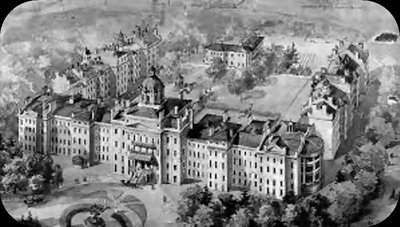
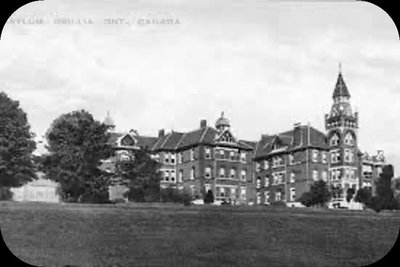
1400s: The first institutions for the mentally ill were established, often characterized by harsh and inhumane conditions.
Late 1800s: Overcrowded asylums became common, with ineffective and sometimes harmful treatments such as cold water submersion and early forms of electroshock therapy.
1960s: The discovery of antipsychotic medications led to deinstitutionalization, shifting care from asylums to community-based settings and residential treatment centers.
Mental Health and Homelessness
Mental health challenges are prevalent among homeless populations, with youth and Indigenous individuals experiencing higher rates of mental health and substance use issues. Deinstitutionalization has contributed to increased rates of homelessness and justice involvement among people with mental illness.
85% of homeless individuals report at least one health challenge.
Youth (13-24) have the highest prevalence of mental health issues (67%).
Indigenous respondents report higher rates of substance use (69%) compared to non-Indigenous (57%).
Former youth in care have significantly higher rates of mental health and substance use issues (59% vs. 41%).
The Courts and Mental Health
The legal system sometimes mandates mental health treatment for individuals whose behavior is highly erratic or disturbing. Community treatment orders require individuals to live in the community under legally mandated treatment conditions, such as taking medication or attending psychiatric appointments. This is a controversial issue, balancing public safety and individual rights.
Modern Mental Health Treatment Settings
Today, mental health treatment is provided in a variety of settings, including psychiatric hospitals, community hospitals, and outpatient clinics. Hospitalization is typically reserved for individuals who pose an imminent threat to themselves or others, and may be voluntary or involuntary.
Involuntary admission: Used when there is a risk of serious harm or inability to care for oneself. Legal safeguards include the right to legal representation and review boards.
Sources of treatment: Family doctors, psychiatrists, psychologists, community mental health services, and crisis/emergency services.
Types of Therapists
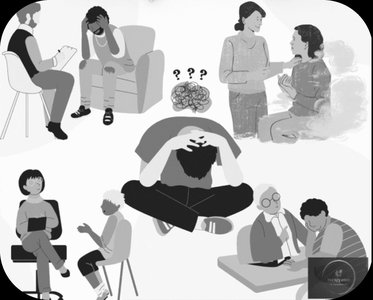
There are several types of mental health professionals, each with different qualifications and roles:
Clinical Psychologists: Hold a PhD or PsyD and specialize in assessment and treatment of psychological difficulties.
Counseling Psychologists: Typically treat day-to-day adjustment problems.
Psychiatrists: Medical doctors who can prescribe medication and treat severe psychological disorders.
Psychoanalysts: Specialize in psychoanalysis, a technique developed by Freud.
Registered Psychotherapists: Provide therapy for a range of mental health issues, with varying educational backgrounds.
Licensed Professional Counsellors/Clinical Mental Health Counsellors: Hold a master’s degree and certification.
Clinical or Psychiatric Social Workers: Hold a master’s degree and provide therapy for common family and personal problems.
Barriers to Psychological Treatment
Many factors can prevent individuals from seeking or receiving effective mental health care:
Ambiguity of disorders
Stigma about mental illness
Attitudes toward treatment
Gender roles and cultural expectations
Geographical and financial barriers
Cultural Barriers to Therapy
Cultural background influences attitudes toward mental health treatment. In Canada, Asian Canadians and Indigenous people are less likely to seek mental health treatment than Canadians of European background. Therapy is more widely accepted in individualistic cultures than in collectivist cultures.
Men and Mental Health
Men face unique barriers to seeking mental health treatment, including masculinity norms, difficulty recognizing symptoms, attitudinal barriers, stigma, and poor service fit.
Masculinity Norms: Emotional disclosure seen as weakness.
Symptom Recognition: Depression may manifest as anger or substance use.
Attitudinal Barriers: Preference for self-reliance and discomfort with vulnerability.
Stigma: Fear of judgment from peers and family.
Service Fit: Services may not be tailored to men’s communication styles.
Insight Therapies
Psychoanalysis
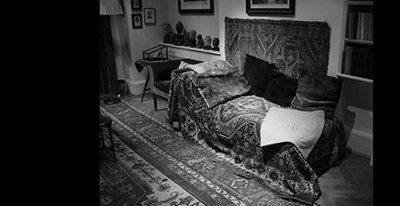
Psychoanalysis, developed by Freud, aims to release unconscious thoughts and feelings to reduce their influence on behavior. Techniques include free association and dream analysis. Resistance and transference are common phenomena in psychoanalysis.
Resistance: Unwillingness to discuss certain memories or motivations.
Transference: Transferring feelings toward significant others onto the therapist.

Psychodynamic Therapy
Modern psychodynamic therapy is shorter in duration and focuses on early childhood experiences and emotional attachments. It is partially empirically supported, especially for panic disorder, opiate addiction, and borderline personality disorder.
Person-Centered Therapy
This humanistic approach, developed by Carl Rogers, emphasizes the importance of the therapeutic relationship, self-actualization, and empathy. A strong therapeutic alliance is a good predictor of successful therapy outcomes.
Core conditions: Congruence, unconditional positive regard, and empathy.

Behavioral Approaches
Classical Conditioning Techniques
Behavioral therapies apply principles of learning to change undesirable behaviors. Classical conditioning techniques include aversive conditioning, systematic desensitization, and flooding.
Aversive Conditioning: Pairing an unpleasant stimulus with an unwanted behavior.
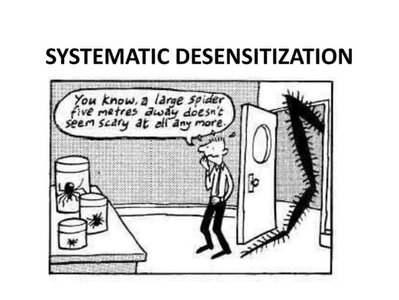
Systematic Desensitization: Gradual exposure to anxiety-provoking stimuli paired with relaxation techniques.
Flooding: Rapid and intense exposure to the feared stimulus.


Operant Conditioning Techniques
Operant conditioning techniques reinforce desirable behaviors and extinguish negative ones through rewards, contracts, and modeling.
Token Systems: Rewarding desirable behaviors with tokens.
Contingency Contracting: Written agreements outlining goals and consequences.
Observational Learning: Modeling appropriate behaviors to teach new skills.
Evaluation of Behavioral Therapy
Advantages: Effective for phobias, compulsions, impulse control, and social skills training.
Disadvantages: Does not address underlying thoughts or severe disorders like deep depression.
Cognitive-Behavioral Therapies (CBT)
Principles and Techniques
CBT, developed by Aaron Beck, assumes that negative emotions stem from faulty thinking. It helps clients identify and restructure negative beliefs, face avoided situations, and practice relaxation techniques.
Cognitive Restructuring: Rethinking negative beliefs.
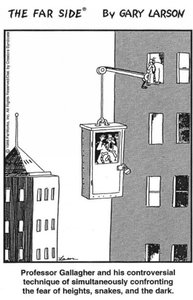
Exposure: Facing avoided situations.
Relaxation: Regaining emotional control.

Dialectical Behavioral Therapy (DBT)
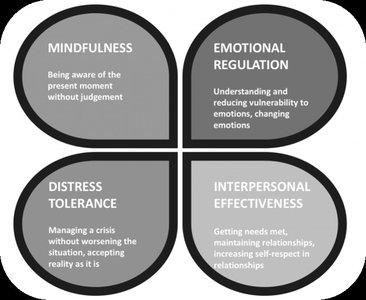
DBT focuses on acceptance and change, teaching behavioral skills for emotional regulation, distress tolerance, mindfulness, and interpersonal effectiveness. It is especially effective for some personality disorders.

Interoceptive Exposure Therapy
This therapy is used for panic disorder, helping clients become accustomed to physical sensations associated with panic attacks by purposefully inducing symptoms in a controlled setting.
Mindfulness-Based Cognitive Therapy
This approach combines mindfulness meditation with CBT tools, encouraging clients to "decenter" and observe their thoughts and feelings objectively.
Evaluation of CBT
Advantages: Effective for anxiety, depression, substance abuse, and eating disorders. Can be combined with other approaches.
Disadvantages: May not address irrational aspects of life or be helpful in all cases.
Group and Family Therapies
Group therapy involves multiple clients meeting with a therapist for support and advice. Family therapy aims to improve family dynamics and roles. Self-help groups like Alcoholics Anonymous (AA) are also common.


Effectiveness of Therapy
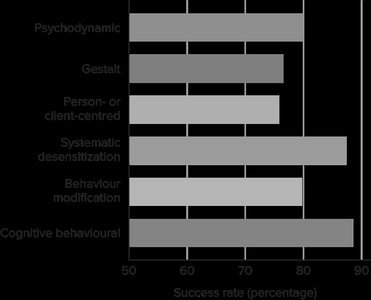
Psychotherapy is generally effective for most people, though not universally so. Different treatments are suited to different problems, and therapists often use an eclectic approach.
Biomedical Therapies
Antipsychotic Drugs
Antipsychotic medications reduce psychotic symptoms by blocking dopamine receptors. Newer drugs may increase dopamine in specific brain regions. They are not a cure-all and can have serious side effects.
Antianxiety Drugs
Benzodiazepines (e.g., Xanax, Valium, Ativan) reduce excitability and increase well-being by affecting GABA activity. There are concerns about dependence and interactions with alcohol.
Antidepressant Drugs
Antidepressants improve mood and are also used for anxiety disorders. Types include tricyclics, MAO inhibitors, and selective serotonin reuptake inhibitors (SSRIs) like Prozac and Zoloft. Not all patients respond, and side effects vary.
Herbal Remedies
St. John’s Wort is a supplement shown to reduce depression in some studies, but quality and regulation are concerns, and it can interact with other medications.
New Directions in Psychopharmacology
Ketamine Therapy: Blocks NMDA receptors, promising for treatment-resistant depression but with side effects and addiction concerns.
Transcranial Magnetic Stimulation (TMS)
TMS uses magnetic pulses to activate specific brain regions, effective for depression but with risks such as seizures.
Electroconvulsive Therapy (ECT)
ECT is used for severe depression, involving brief electrical currents to the brain. It is controversial due to potential side effects like memory loss, and its mechanism is not fully understood.
Psychosurgery
Historically, procedures like lobotomies were common. Modern psychosurgery is a last resort for severe cases and uses more precise techniques.
Biomedical Therapies in Perspective
Biomedical therapies have revolutionized mental health treatment, allowing more outpatient care. However, they often provide only temporary symptom relief and may not address underlying problems.
Controversial and Emerging Therapies
Eye Movement Desensitization and Reprocessing (EMDR)
EMDR involves recalling traumatic events while performing guided eye movements. Its effectiveness is debated, and there is little evidence for its physiological or behavioral benefits.
On Being Sane in Insane Places (Rosenhan Study)
This classic study demonstrated the challenges of psychiatric diagnosis and the depersonalization experienced by patients in mental hospitals. Eight "sane" individuals were admitted to hospitals by feigning hallucinations and were subsequently diagnosed with schizophrenia.
