 Back
chapter 1 flashcards
 04:24


Terms in this set (32)
randomize block
simliar groups first then randomize
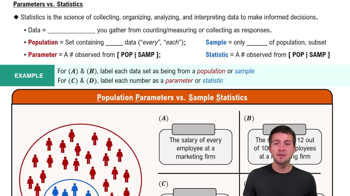
popualtion
whole group
sample
part of the group
paramter
number about the population
number descrbing population
statstic
number about the sample
census
collect data from every member of the population
ex: all 800 of the nurses not just 100
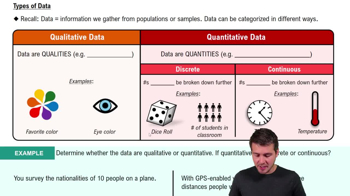
qual
qualative ex: eye color, fav music
quality
catagroies
quan
quantities
actual numerical amount
numbers
ex: age, number of goals, weight, and height
discrete
count/ numbers of patients, number of goals , cars
continuous
measure
ex; heigh and weight
temp
nominal
name no ranking
categories with no order
ex: hair
color
music
ordinal
ranking/ order
categories have meaningful ranking
ex: mild, moderte, and sever
inertial
no true 0
ratio
true 0
ex: high, weight, distance
prepare
figure out what were studying
analyze
actually study the data
conclude
decide what the results mean
retrospective
past
prospective
future
cross-sectional
now
randomize block
similar people first than random
first divide subject then randomly give treatment
matched pairs
the same person measured twice
SRS
group
every possible group of the same size has an equal chance
random sample
person
every person has an equal chance
representative sample
what the sample looks like
mini version of the population
multistage sampling
sampling done in multiple stages
multistage sampling
many steps
confounding sampling
another factor may cause/ explain the cause
missing date
missing completely at random
random accident
no pattern
missing not at random
missing for a related reason
sampling error
randome change
ex: wrong number enterd
non-sampling error
human method mistakes
non-random
bad selction