

• Three Ways to Have a More Productive Day

    by Saige O’Rourke

    As a college student fresh on your own, it’s difficult to learn how to get things done without the structure that high school provided. Since we are all on different class schedules and learning different things, not everything works the same for each student. With the culture shock that college comes with, here are three things I have learned that work for me to be productive throughout my days at the University of Tennessee.

    Start With Breakfast

    I always start my school days with a good breakfast that I can look forward to. I try to keep this item consistent to limit the stress of “what am I going to eat?” This item becomes something I get excited about when I wake up in the morning and provides me with motivation to get out of bed. Usually, I’ll make waffles or drink a protein shake; these are quick items that keep me moving and take little amounts of time to make.

    Tackle Your To-Do List After Class

    I have morning classes, so usually when I have a chance to sit down after class, I plan the rest of my day. In my plan, I will create two different lists detailing what must be completed and what I would like to complete. I do this after class because there isn’t anything I can finish during class that needs to be done throughout the day, so to avoid added stress I wait to create a list. This relieves a lot of my anxiety throughout the day as I cross off things, and it promotes productivity as I know exactly what I need to carry out.

    Get Some Exercise

    Either at the middle or end of my day, I will work out. Working out is so beneficial for your brain and your body. It is a good chance to step away from your computer and the overloading information to spend time with yourself. Any kind of workout is beneficial, but I personally hit the gym for about an hour. Working out makes me extremely productive because I completed work for school and for myself.

    Productivity isn’t based on how much you get done, but how accomplished you feel. You can complete 10 different assignments, but still feel like you didn’t do anything. Making lists, taking breaks, and rewarding yourself with a satisfying meal can help produce these feelings of productivity. Use these actions or brainstorm your own ideas of what you can start to incorporate in your routine. Waking up is an accomplishment, especially in college! Always make an excuse to celebrate!

    Do you have a compelling story or student success tips you’d like to see published on the Pearson Students blog?  If you are a college student and interested in writing for us – click here to pitch your idea and get started! 

    read more
  • Finding Your College Work-Life Balance: Where to draw the line

    by Rinn Mitchell

    As a college student, it is nearly impossible to juggle your majors and minors, organizations you’re involved in, stay connected to your family back home, any jobs you may have, and time for yourself. Arguably, these four years may be some of the busiest of your entire life. But it can also be the most fun, enjoyable, and memory filled time of your life, if you balance it correctly. So, it’s no surprise that one of the biggest concerns college students have impacting their college experience is how to manage their work-life balance. Here are three tips curated from current college students that can help you achieve that balance.

    Say It with Me: Google Calendar Is Your Best Friend

    Keeping yourself organized is not only helpful for the obvious reasons, but it can help you visualize where you’re spending your time. Whether it’s Google Calendar, Outlook’s calendar, or anywhere in between, having a calendar you can keep up with quickly and easily can be the biggest game changer to organizing your schedule.

    Even further is creating a calendar that you can color code. By color coding between work, class, organization, and social responsibilities, you can physically see where you are delegating most of your time. For me, I try to balance my weeks so that each of those groupings are about equal, including time I set aside for homework and studying. Seeing your time priorities to these different groups delegated by color can help you begin the process of better balancing your time.

    Find Organizations and Classes You Love

    It’s fair to say everyone’s goal in life is to make their job feel like anything but. Start exploring in college – from taking a variety of classes, joining organizations, and everywhere in between. You have more freedom than ever before in the classes that you take, organizations you’re involved in, and what you spend your days doing. Though that can be a dangerous line to tow, it’s an amazing opportunity to test out different things and find your “fit.” It allows you to get involved with jobs and organizations that are fun for you, and to do it with your friends so that “work” can feel more fun. In turn, this can help bridge the gap between work and stress, and social and fun opportunities.

    Set Firm Boundaries

    As many tips as I can give you, there is nothing that will ruin your work-life balance faster than if you don’t have firm boundaries. College is filled with so many opportunities, and people who want to hang out with you or get involved in this club or that organization or take that class. I encourage you to make the most out of your 4-year experience, and pack it with as many memories as possible. That being said, if you do not set firm boundaries for yourself, or firmly set aside time for yourself or what is most important to you, there is no “fixing” your work life balance. Even a schedule packed with the most fun activities and things that excite you will become mundane if you don’t protect your own priorities and reserve your own boundaries.

    These three tips – using a calendar, exploring different classes and clubs, as well as setting personal boundaries – will go a long way in helping you find that sought-after balance and make the most of your collegiate experience.

    Do you have a compelling story or student success tips you’d like to see published on the Pearson Students blog?  If you are a college student and interested in writing for us – click here to pitch your idea and get started! 
    read more
  • From College to the Whole Wide World

    by Malina Gavris

    As a college senior, I am at a very important yet strange part of my life. Still a student, I have the luxury of worrying about small things such as making sure I'm prepared for the pop quizzes my accounting professor likes to surprise us with, or deciding what restaurant my friends want to eat at after a library study sesh. But as an upperclassman, I also know that my college years are coming to an end, and I can't help but think about my future ALL of the time. What job will I have? Where will I work? Am I brave enough to move to a big city? Don't even get me started on thinking about grad school. As my graduation day inches closer, here’s how I am addressing the transition from college life to the real world, and tips I've learned on how to have not just a successful college career but a functional plan for your future!

    Meet with Advisors

    If there’s one thing I’ve learned, it is to schedule advising appointments with your respective advisors and counselors, and to schedule them ahead of time. During my freshman year, I had a plethora of questions about my schedule, extracurriculars, and how to format my resume. I thought my questions were trivial and the answers could be found somewhere on my university’s web pages. I spent weeks going on wild goose chases, looking for the information that I needed to no avail. Fully frustrated, I finally decided to schedule an appointment with my advisor, only to find that she was booked for the next three weeks! However, when I finally met with her, all my worries were ameliorated. I received such helpful advice and from that day on, I’ve never shied away from meeting with what my school calls my “success team”, whether it be to choose my electives for next semester or just to discuss my professional goals.

    Don’t be afraid to ask your advisors for help whenever you need it! They are there for you to make sure that you succeed and can provide you with specialized advice that family and friends might be unable to.

    Get Organized

    Something else that I’ve learned over the past few years is that staying organized matters! I went from being the person who rarely took notes, to someone who sets reminders on my phone the moment I am notified of a plan or an assignment. I’ve never missed a deadline since my second semester of freshman year, and the habit of staying organized will help you not only with school but with your future jobs. With a corporate banking internship under my belt, I’ve definitely learned that your managers expect you to be punctual and to handle multiple tasks at a time, so it was a great way for me to put my organizational skills to the test.

    Manage Your Stress

    Lastly, when it comes to transitioning to your future career and thinking about long-term plans for your life, the most important thing that I’ve learned is to not stress! As long as you lead a balanced life with a strong work ethic and make the most of the opportunities presented to you, you are on the right track to succeed. Never feel bad if you don’t get a position or a job! Even the most prepared candidates might not be the right fit, and that rejection might actually lead you to find a better position more suited to your skillset and personality. Of course, you should have a plan for your life post-graduation but remember to be flexible because you don’t know what life will offer you and how your interests will evolve or change!

    In conclusion, while ending your undergraduate education seems like a big close to an important chapter of your life, it is really the beginning of your future. I’ve learned to make the most out of life as a college student and to not be afraid to dream big. Through trial and error, I’ve learned how to manage my scholarly and professional life in order to kickstart my career, and I hope that my tips will help you kickstart your own professional and personal journey so that you can bring your best to any situation!

    Do you have a compelling story or student success tips you’d like to see published on the Pearson Students blog?  If you are a college student and interested in writing for us – click here to pitch your idea and get started! 
    read more
  • Three Things I Wish I’d Known as a Freshman

    by Laura Avellaneda

    Now that I have graduated, I’ve been reflecting a lot recently on my college experience. I’ve realized that there are three things I wish I knew as a freshman that would’ve made my college experience much easier!

    1. Don’t be afraid to take risks

    College can be an intimidating place, especially as a freshman going to a big school! Don’t be afraid to take risks or try new things because of what other people might think; this is the perfect environment to do it in. This could mean joining a new club, trying a new sport, taking a difficult class, going to a social event, and more. For all you know, it could lead to you meeting your best friends or finding a new hobby! This is an awesome opportunity to learn more about yourself and what you like and don’t like.

    2. Everything will work out in the end

    Although it won’t always seem like it, most of the time everything always works out in the end! As a freshman, it can be so stressful and overwhelming when you don’t get the class you want or you aren’t able to become roommates with your friends. But what if it leads to you taking a different class that you love or you becoming best friends with your roommates that you’ve never met? It’s easy to get stuck on something when one bad thing happens, but living with the mindset that everything happens for a reason and that it will all work out can be super helpful. Stress is inevitable but understanding this can make college a little less stressful!

    3. Reach for help when you need it

    Everyone will experience highs and lows in college, especially in their freshman year. Sometimes, it might seem like you’re having a lot of lows, but when this happens it’s important to reach out for help so you can feel less lonely. This could mean reaching out to friends and family and letting them know you’re struggling, going to therapy on campus, or asking for help in classes. College is already hard enough, but having a close circle of people you can rely on when you need it can significantly improve your experience!

    If you’re just getting started in your college career, take my advice to ease your way into this experience. Be prepared to take risks, keep an open mind, and seek support when you inevitably face challenges.

    Do you have a compelling story or student success tips you’d like to see published on the Pearson Students blog?  If you are a college student and interested in writing for us – click here to pitch your idea and get started! 
    read more
  • A Tradition Greater Than Football

    by Lauren O'Brien

    It’s a Saturday in the fall, the weather is a crisp fall breeze in the air. Melrose Avenue is crowded with tailgates, food trucks, fan shops, and the colors black and gold flood the sidewalk and streets. This is the scene of an Iowa Hawkeye Football game day. As a student coming to the University of Iowa, this was the experience I could not wait to have. I could barely wait to start attending the tailgates, spending time with my friends, and watching the Iowa Hawkeyes play on Saturdays.

    Inside the stadium, a tradition takes place every game after the first quarter – the tradition that is greater than football – the Hawkeye Wave. This is the moment in the game where the team, fans, and opponents wave to the patients in the University of Iowa Stead Family Children's Hospital, which sits adjacent to the Hawkeye’s Kinnick Stadium. This is the moment in the game where the teams come together and support the children and families who are receiving care.

    As a student that has experienced this chilling moment, it has taught me that there are greater things in life than going to football games. No matter how many times I have had this experience, I have chills rush down my body. I’ve taken three inspirations from the Hawkeye Wave: to be thankful for what I have, to give back to the community, and finally, to smile and wave.

    Be Grateful

    One way I show gratitude is by writing down three things I am thankful for in a journal before bed. This has allowed me to reflect on my day and be thankful for what I have and not dwell on what I do not have. Other ways I show gratitude is by reaching out to friends or family who I haven’t talked to in a while and letting them know I am thinking about them and hope they are well. If you are reading this, it is your reminder to reach out to someone you haven’t talked to in a while, share how much you appreciate them!

    Give Back

    As a college student, I have many opportunities to give back to those in need. A few ways I have done this is by creating cards for cancer patients, volunteering at a local elementary school, and participating in blood drives. I am fortunate to be on a campus that offers and advertises so many ways to give back to the community. Even though I may not be recognized for my efforts, I appreciate the feeling of knowing I have helped individuals in my community. I am working to encourage others to seek out opportunities to give back to the community because I believe no matter who you are, you have a gift to share with this world.

    Smile and Wave

    From a young age, my mom always told me to treat others with kindness. One small way to show kindness is through simply smiling and waving. If you know the person, greet them with their name and tell them how great it is to see them. If it is a stranger, just take a second to smile and wave. At the end of the day, you never know who may need the extra positivity and kindness.

    I find these three actions – keeping a gratitude journal, volunteering, and greeting others – help make me feel a little more fulfilled. Every small act of kindness can make a difference.

    Do you have a compelling story or student success tips you’d like to see published on the Pearson Students blog?  If you are a college student and interested in writing for us – click here to pitch your idea and get started! 

    read more
  • Maintaining Your Health During Freshman Year

    by Cooper Grahek

    College is an exciting time for many young adults. For most, it’s their first time away from home and they have an opportunity to explore the world on their own. However, with this newfound freedom comes a lot of stress. This stress is something that I had a hard time handling properly. It took a toll not only on my mental health, but my physical health as well.

    During my freshman year I found myself locked in my room and doing homework all the time. I struggled to allow myself to do anything besides homework and felt a level of stress when I did. I never went to the gym, wasn’t staying active, and most importantly I wasn’t eating the best. I would often catch myself getting stuck in a “buffet mentality” at the dining hall and constantly never felt full. This led to me eating pizza and drinking soda with nearly every meal.

    Coming into college I was a little underweight for my height, and all I wanted was to put on some muscle. Instead, I put on fat, and quite a bit of it. Although eating was my main issue, never going to the gym didn’t help. By the time Christmas break came around I could tell I had put on some pounds, and not in the way I wanted. I knew I had to make a change. Instead of letting stress control my life, I used it to fuel my motivation to find interests that helped me escape, whether it was going to the gym or doing some other physical activity.

    Don’t let the stress of college control your life like it controlled mine. Physical health is one of the most important things that lead to a long life. You also need to watch what you put in your body as fatty and unhealthy foods can lead to you feeling worse about yourself and increase the stress you already feel.

    There is more to college than just the school portion. Remember that and always try to take care of your body both physically and mentally.

    Do you have a compelling story or student success tips you’d like to see published on the Pearson Students blog?  If you are a college student and interested in writing for us – click here to pitch your idea and get started! 
    read more
  • How Student Involvement Can Shape Your College Experience

    by Rileigh Horcher

    Everyone tells you that getting involved within your school is so important, and I am living proof that this is true! I transferred to Texas A&M my sophomore year of college, and I felt like the smallest fish in the biggest pond. Texas A&M has a strong community of valuing involvement and finding your place, but it can be hard to find how you belong, especially as a transfer student. I decided to dive in headfirst to find ways to get involved and from that moment, my collegiate life changed. Through joining various student organizations, I found my calling to serve other people within my university and to build a massive community of friends and supporters in this brand-new place that I’ve learned to call home.

    Greek Life and Community Service

    My sorority has given me the chance to meet some of my best friends while serving in a philanthropic setting. I have also participated in a women's organization that benefited the youth in my area. We went to local elementary schools and read to the students to help improve their literacy rates by the time they were in third grade. Being a part of my university’s student government association has given me a completely different facet to be able to serve my peers and my university. I get to be a part of bringing our traditions to life through the events that we host, connecting the new generations of Aggies with the former students of Texas A&M.

    Fish Camp

    The most impactful organization that I have had the honor of being a part of is Texas A&M’s extended freshman orientation experience called Fish Camp. This is an Aggie’s first tradition in which incoming freshmen spend 2 nights and 3 days learning all that A&M has to offer. Students begin their college experience meeting new friends and getting to know what it is like to come together as an Aggie family and build lifelong relationships and connections to their peers and to their university.

    Now let’s talk about how you can get involved on your campus! Getting involved is a critical part of making the most out of these 4 short years that we get in college. It gives you the opportunity to find out who you truly are, and to better yourself through the skills you’ll learn and connections you’ll make. You’ll build a community of life-long friends as you find ways to give back to your school and your community. Find a way to get involved today!

    Do you have a compelling story or student success tips you’d like to see published on the Pearson Students blog?  If you are a college student and interested in writing for us – click here to pitch your idea and get started! 

    read more
  • Finding My Cultural Identity

    by Malia Cazalot

    I grew up in a very culturally rich home. My mom is a Chinese and Puerto Rican immigrant from Jamaica, whilst my dad is a second generation French Italian. I feel extremely blessed being able to grow up surrounded by such rich culture, and good food (dim sum being my personal favorite, but I digress). However, it has also caused me to struggle with my own cultural identity.

    ‘What are you?’

    By the time I was 12 I had moved five times, from Florida to Seattle to Texas back to Florida then finally Louisiana. Every time we moved somewhere new, I was asked “what are you?”, and as I delved into the explanation of what my parents were, I would watch as kids’ faces began to morph into a look of confusion. “Well, my mom was born in Jamaica, but I’m not Jamaican. I’m Chinese, Puerto Rican, Italian, and French. No, I don’t speak Spanish or Chinese or any other language except English actually...”. The more and more I struggled to explain it, the more I felt like a poser or a fraud.

    Although my last name is French, and my family practices Chinese traditions like celebrating Lunar Year, and my mom often cooks traditional Italian and Puerto Rican meals, I felt like I couldn’t truly identify with any ethnicity. I didn’t speak any of the languages and I don’t look like any of the races.

    Eager to belong

    Coming to Louisiana was especially hard as it is a state so deeply rooted in culture and tradition, from Mardi Gras to Cajun food; where LSU football is considered religion and jazz music engulfs you on every street corner. I felt so out of place in my new home as I didn’t fit in, but also, I felt I had no real culture of my own to claim and identify.

    Going off to college I was eager to find a place to belong, however, I soon encountered the same problems I had moving around in my childhood. I was excited to find more diversity in college, but I didn’t speak Spanish, I didn’t “look” Chinese, and I wasn’t necessarily “white” enough. I’d get teased for certain things I said or ate.

    A combination of amazing cultures

    For a long time, I struggled with my cultural identity and wished that I was just one thing instead of a little bit of four things. That way I could truly identify with one culture, and it would finally be enough. I now realize how lucky I was to grow up surrounded by four amazing cultures. Although I don’t speak any other language other than English, I was fortunate to have my grandfather sing to me in Italian before bed and hear my aunties arguing fervently in Chinese over nonsense.

    I am blessed to be made up of so many things and that is what makes me unique. I don’t have to identify with just one specific culture, but can embrace everything that makes me who I am. Although I still struggle with my cultural identity, I am now proud of my family and what makes us, instead of being ashamed and wishing we were something different.

    Do you have a compelling story or student success tips you’d like to see published on the Pearson Students blog?  If you are a college student and interested in writing for us – click here to pitch your idea and get started! 
    read more
  • Boost Your Brain Power Through Reading

    by Myaya Morton

    A female college student reads a book and listens to music with headphones

    The action of reading, no matter how big or small, improves memory and concentration. It involves a complex network or brain circuits and signals. Reading more and more strengthens those networks and reduces stress by lowering your heart rate and blood pressure. When reading there are multiple processes that happen starting with word analysis and visualization and ending with vocalization and comprehension.

    Reading Improves Memory

    Reading can actually improve memory because of the multiple brain functions involved. It allows more time for the brain to stop; you have to think about what you read, process it, and then imagine what is happening in the story. These particular steps help you recall information and sharpen your memory.

    Increases Vocabulary

    Scientists Timothy Keller and Marcel Just discovered that intense reading in young children causes the brain to physically rewire itself and create more white matter which improves communication hence why some young children have a more developed vocabulary than their peers. Reading is also contagious so if you read to or around children, they are more likely to read on their own.

    Increase Attention Span

    Nowadays it is easy to grow bored because everything is becoming routine – getting off work or out of class and watching a series on Netflix. Reading actually increases your attention span. Due to the sequential narrative style, the author has to keep you engaged thus increasing your attention span. While books come in digital formats now (audio and etext), reading a physical book can create a stronger impact due to the connection your sense of touch makes with your brain.

    Helps Relax and Promote Sleep

    Ever had trouble falling asleep and decided to watch some television to help? Using screens like your phone, tablet or television can actually keep you awake longer and cause you to lose sleep. Reading a book helps you relax after a long day which allows you to go to sleep easier.

    This summer, grab a good book and spend the day reading. It’s said that it takes twenty-one days to build a habit and ninety days to build a lifestyle so why not make reading one. Remember, it is one of the healthiest hobbies in the world!

    Do you have a compelling story or student success tips you’d like to see published on the Pearson Students blog?  If you are a college student and interested in writing for us – click here to pitch your idea and get started! 

    read more
  • Re-discover Reading for Fun with this Summer Reading List

    by Madeline Beavis

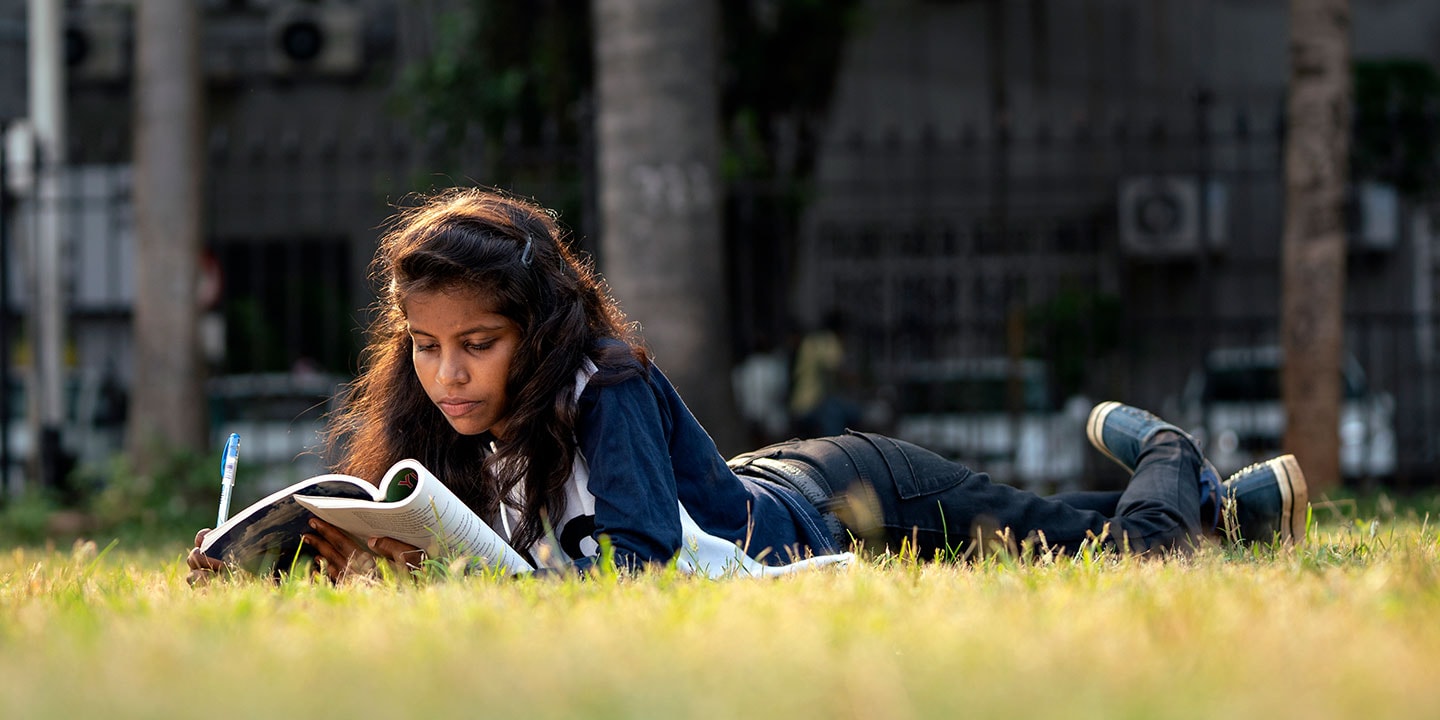
    A female student lies outside in the grass, propped up on her elbows and reading a book.

    Students do so much academic reading for their classes that the joy of a good book is often forgotten! After reading hundreds of textbook pages during my first year in college, I’m sad to say that I, like many of my friends, lost my connection to one of my favorite pastimes: pleasure reading. Reading is a fantastic way to reduce stress, explore an author’s creative world, and exercise the mind without even realizing it! So, let’s reignite a passion for reading with 5 book recommendations from a variety of genres... happy reading!

    Who doesn’t love a twist on a good fairy tale? Check out Cinder by Marie Lu.

    Jump into a world where humans and androids attempt to coexist, a plague ravages the Earth, and those with special gifts live on the moon. Cinder, a well-known mechanic from New Beijing of the Eastern Commonwealth, spends her days trying to escape her stepmother and stepsisters who can be awfully wicked. In a whirlwind of ballgowns, royalty, and secrets, Cinder becomes the center of a cosmic war, and she may just be the key to saving humanity. Follow Cinder’s story in The Lunar Chronicles series, preceding Scarlet, Cress, and Winter, where she must distinguish friend from foe in order to find her happily ever after.

    Are you a science fiction enthusiast? Pick up The Martian by Andy Weir.

    If you think Mother Nature is merciless on Earth, try living on Mars. When botanist-astronaut Mark Watney is accidentally left behind on his crew's Hermes mission, it appears he may be the first person to walk on the Red Planet as well as die there. Over 128 million miles from home, running low on food and water, and lacking a way to communicate with Earth, Watney must use all his astronomical knowledge in order to survive. Can he overcome the planetary elements, or will he stay lost in space forever?

    Maybe you’re looking for an inspiring, true story? Educated by Tara Westover is perfect for you.

    Tara Westover’s memoir was named one of the top ten best books of the year in 2018 by the New York Times. Westover recounts her experience growing up as a daughter of Mormon survivalists. Living in the mountains of Idaho, she was almost completely isolated from modern society. She was seventeen when she first stepped into a classroom and after watching one of her brothers get into college, she knew she wanted a different life for herself. Traveling thousands of miles away from the safety of the mountain, even making it to some of the most prestigious universities, her educational journey opened her eyes to the wonders of the world around her. Take the trip with Westover as she acquires knowledge from all corners of the globe, battling superstition, lack of self-confidence, while wondering if she’s drifted just slightly too far from the mountains.

    Unsure of what the world could look like in a couple hundred years? Consider this future in Legend by Marie Lu.

    The western United States is a region of the past, rebuilt and now known as the Republic. Growing up in two very different worlds, child prodigy, June Iparis, and the government’s most wanted criminal, Day Wing, meet under extreme circumstances: the murder of June’s brother where Day is the prime suspect. June is on a mission to avenge her brother while Day is determined to help his impoverished family survive. As the chase continues, the truth begins to unfold and sends blame circulating through the Republic until it becomes clear there are a lifetime of secrets kept behind closed doors. Detangle the dystopia in The Legend Series trilogy to find out the real reason for the unpredictable partnership between rags and riches.

    Feeling like a detective? Investigate the supernatural in Gone by Michael Grant.

    Gone. Without a trace. Internet, television, social media all disappear, along with everyone 15 years and older. High school is hard enough without an entire town becoming a fishbowl. An impenetrable barrier has left the remaining teens trapped with no way to call for help. But danger lurks in the shadows. Emotions are running high, food is becoming scarce, animals are mutating, and some kids themselves are discovering they have strange abilities. Deadly abilities. The struggle for control shakes the town and battle lines are drawn. If you’re young, enjoy your stay in the fishbowl while it lasts because on your 15th birthday you will vanish as well, just like the adults. And you don’t come back. Are all the teens doomed to an early death or does safety lie beyond the barrier?

    Summer is a time when many college students are able to slow down and get some much-needed relaxation. Reading for pleasure is a great way to do just that. No matter what book you choose, take some time this summer to re-discover reading for fun and enjoyment!

    Do you have a compelling story or student success tips you’d like to see published on the Pearson Students blog?  If you are a college student and interested in writing for us – click here to pitch your idea and get started! 

    read more
  • When It Comes to Marine Plastic Pollution, We Aren’t Off the Hook Yet

    by Kennedy McGrath

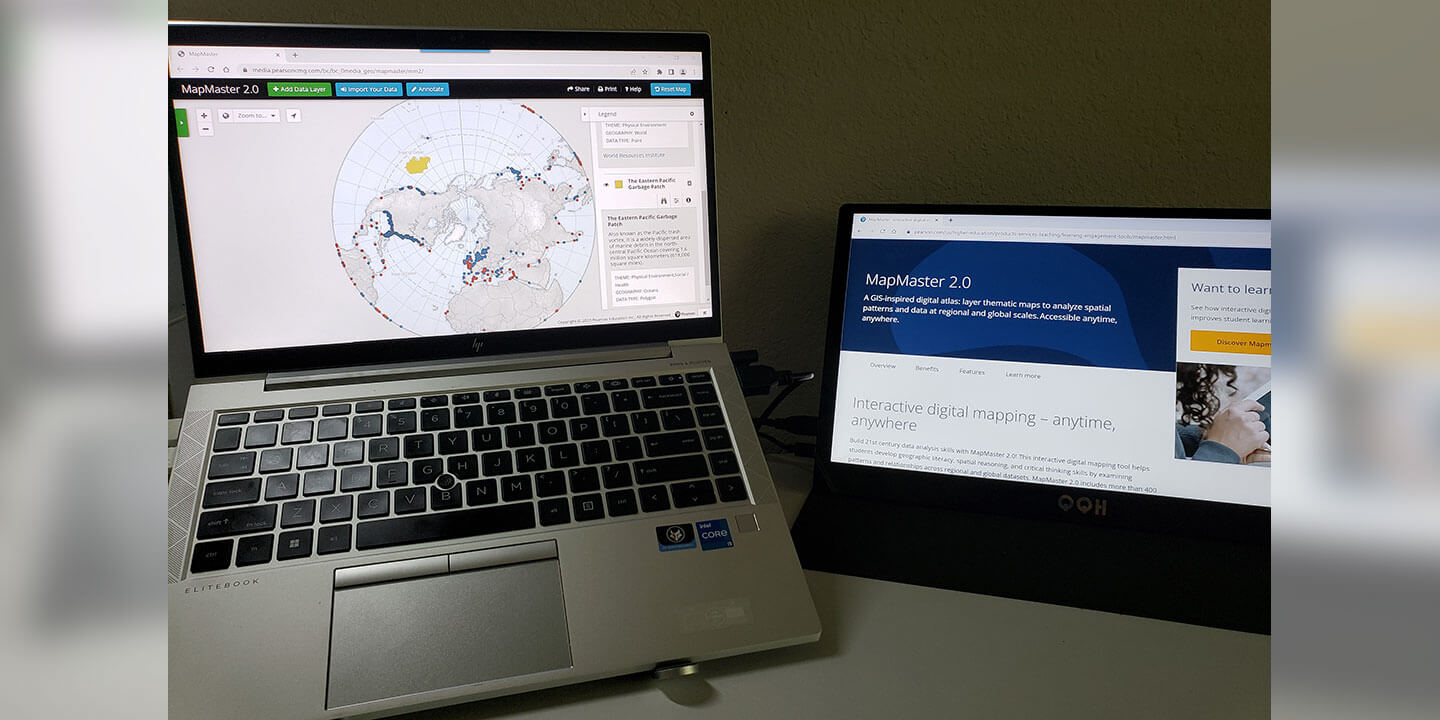
    A laptop and an iPad, both featuring a screencap of MapMaster 2.0.

    EarthDay.org reports that every minute, two garbage trucks of plastics are dumped into the world’s oceans.1 Marine plastic pollution is an ongoing issue that affects everyone, whether you live on the coast or not. Waste we release into the ocean can affect our food, water, health, and economy. We all have a responsibility to make small changes in our lives and use our vote to help reduce the amount of plastic that enters our ocean every year. Since June is National Oceans Month, there is no better time to reevaluate your consumption habits and educate yourself on this global issue.

    Before making any major changes to our lifestyle, it is important to educate ourselves on the impacts of plastic pollution. Plastic in the ocean can harm marine life, which can have effects that are felt throughout the food chain. As noted by the Food and Agriculture Organization of the United Nations, seafood accounts for 20% of the world’s protein intake so it is important to protect and maintain the wild fish and shellfish populations we depend on.2 Aquaculture, a seafood farming practice meant to provide more food and ease strain on wild populations, isn’t safe from plastic pollution either. Many enclosures are housed in open water where waste can flow freely in and out. In addition to threatening a major food supply, plastic also has negative economic implications related to tourism in many countries that rely on it as their largest economic sector. We should all make it a priority to learn how plastic waste affects our home and what changes can be made to protect it.  

    What We Can Do About Plastic 

    The first and most obvious change you can make is to refuse single use plastics whenever possible. This can be things like plastic cutlery, straws, bottles, and bags, many of which are the most abundant types of plastic waste in the ocean today. Items like these can harm marine life when they ingest it mistaking it for food. Preliminary research indicates that the chemicals in the ingested plastic can make it to humans with undetermined health effects. Instead, consider alternatives like reusable grocery bags made from recycled materials and reusable metal cutlery and straws. Using a reusable water bottle also goes a long way to mitigate plastic waste, and many public spaces have installed water bottle filling stations to encourage the use of reusable bottles. Though it can feel like we are just one small part of a much larger, more problematic whole, your individual actions matter. You can reduce your own plastic footprint while inspiring others to do the same until environmentally conscious actions have spread to everyone, catalyzing major change.  

    Your Vote Matters 

    Beyond your personal consumption habits, your vote can make a huge difference in the fight to end marine pollution. Use your voice to tell your representatives and senators to support environmentally friendly laws so they can be passed faster. When laws are passed that regulate plastic production and use, change happens more quickly than if a small group of consumers refuses it. If we can set an example as a nation, starting with each local government, we have the power to set a precedent that can spark change all over the world. This is when education on the issue becomes extremely important. An informed voter is dramatically more impactful than the alternative. 

    By the time you’ve finished reading this article, six more garbage trucks of plastic have been added to the same ocean we all share. It can be easy to feel overwhelmed and disconnected in the face of a problem this grand, but in reality, it is no bigger than the plastic straw in your cup or the bag you use for groceries. We all have the power to make one small change every day that will make a world of difference. Educate yourself, make responsible consumption choices, and vote for environmentally friendly policies that can make big change fast. Remember that others are standing with you, from Pacific to Atlantic, and beyond.  

    Want to see visuals of marine pollution areas across the world? Check out MapMaster 2.0, an interactive digital mapping tool that helps students develop geographic literacy, spatial reasoning, and critical thinking skills by examining patterns and relationships across regional and global datasets. 

    Do you have a compelling story or student success tips you’d like to see published on the Pearson Students blog?  If you are a college student and interested in writing for us – click here to pitch your idea and get started! 

    read more
  • Using Gaming to Build Community Connections: Dot’s Home

    by Janay Pope

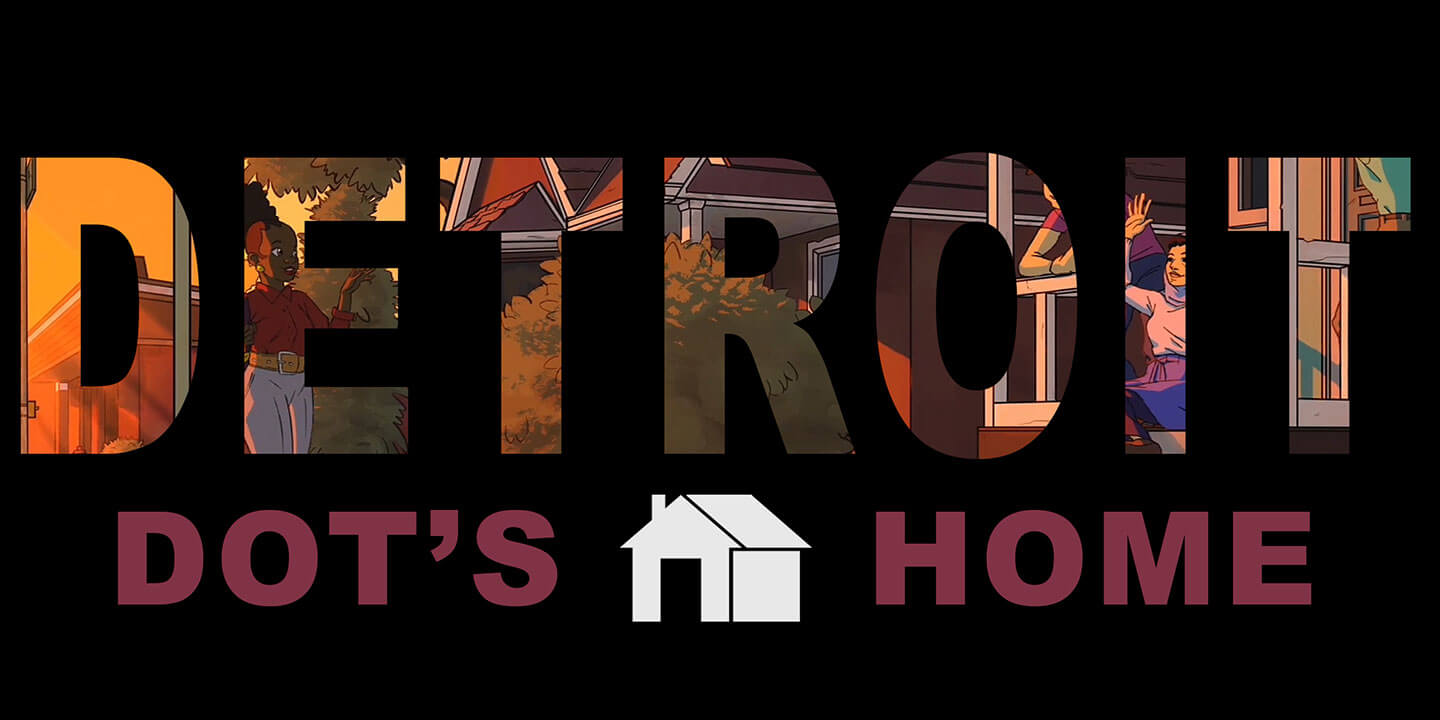
    A graphic with DETROIT in large block letters with a view of the game graphics embedded.

    Ever since I could remember, there was always something to do in Detroit with my family. From spending time by the river, I enjoyed festivals like River Days, auto shows, Fourth of July fireworks, and the Eastern Market every weekend to enjoy breakfast with my parents. When people think of Detroit, some everyday things that come to mind are Motown or Motor City. Many focus on the downtown area, yet the city is much bigger than the new Campus Martius. As the downtown area grows into a fast-paced shopping and tech hub, the rest of the city is not receiving the same love.

    My family has been in Detroit for generations and has seen how the city has changed, yet there was not much in the mainstream media about how different things were when my great-grandmother and grandma were growing up. Now, through different forms of media: film, art, and gaming, Detroit’s history is making its way to people not just outside the city but throughout the state of Michigan.

    Dot’s Home

    Games for Change is an organization that facilitates communities of gaming creators and also hosts multiple events annually. In 2022, the National Low Income Housing Coalition (NLIHC) helped housing justice organizers, Weathered Sweater and Rise Home Stories Project compete in the Games for Change Festival. Their forward-thinking video game Dot’s Home was recognized for its narrative-driven interactive component and won awards for best impact and for being the best civic game.

    Dot’s Home is an interactive narrative-driven video game that can be played via desktop or mobile devices. It follows a young African American woman who lives with her grandmother and can time travel to the past with their family house key. Through her journey, players get to decide her path as she learns about the housing crisis and disparities that took place over the years in her hometown, Detroit, Michigan. Dot meets family members from the past, including her grandmother, and players learn about the different challenges for each generation, from redlining to the Detroit riots and gentrification. The game is profound with its use of current cultural references and its ability to rope in the past entertainingly, so players stay engaged throughout the storyline. Not to mention it is fun and relaxing to play when there is down time, and you want to learn something new!

    Ready. Set. Play!

    Detroit and many similar places continue to face housing crises today. There are also so many amazing creatives in the tech world working on intersecting education and video gaming. Dot’s Home may have won the award, but plenty of interactive games deserve their flowers. Below are some honorable mentions from the Games for Change organization that resonated with me or that I found to also be impactful in the way Dot’s Home has:

    • Svoboda 1945: Liberation – Charles Games
    • Blackhaven – Historiated Games
    • MadeVR – Take me to the end of the Assembly Line from Singing Cicadas

    To learn more about the advancements of gaming and how it is working to connect with communities, be sure to check out Games for Change.

    Do you have a compelling story or student success tips you’d like to see published on the Pearson Students blog?  If you are a college student and interested in writing for us – click here to pitch your idea and get started! 
    read more
  • The Evolving World of Technology

    by Molly McKenna

    A graphic featuring a person wearing an AR headset alongside lines resembling computer circuits.

    Never did I think as a ten-year-old that my twenty-year-old self would have the opportunity to work as a software engineer developing new and upcoming technologies in alternate realms… but here I am! Technology is a fast-growing world and continues to push boundaries day by day, and the rise of artificial intelligence and the metaverse have only added to that growth. As a software developer on the University of Miami’s Information Technology XR Garage Innovate Team, my eyes have been opened to the developments of virtual reality (VR), augmented reality (AR), and mixed reality (MR) toolsets. Utilizing various software for development, the Magic Leap headsets and Microsoft’s HoloLens allow the team’s innovations to become reality!

    Grasping the Metaverse

    Whether it’s the latest phone, the newest headset, an advanced television setup, or progressive discoveries in the metaverse, technological advancements are expanding every day. The need to keep up with changes is inevitable. Times are different than a century ago – even a decade ago! It seems impossible to walk out of your house without your cellphone attached to your hip. How will someone contact me? How will I know what time it is? How will I know what’s next on my agenda? Technology is the control center for the world we are living in today.

    Expanding beyond just the latest smartphone or electronic watch, the rise of the metaverse has made significant impact in new inventions. Realms including virtual, augmented, and mixed realities have been explored and used in upcoming developments in various aspects of companies. People continue to be fascinated with the idea of creating and experiencing this out-of-body innovation through an electronic headset, and luckily, I have the opportunity to work with and be immersed in this emerging world of technology.

    Hands On Experience

    As my interest in technology has grown, I have taken advantage of opportunities on my college campus to learn more. In February of 2022, I was introduced to a department known as XR Garage as a part of the University of Miami IT Innovate Team. Under the leadership of our director is a group of students who work as programmers, project managers, designers, and apprentices. The hiring process includes a one-on-one interview with our director to discuss our experience and goals for our careers. Once determined if a good fit for the team, we are then accepted and jump right into a series of tutorials, demos, and assessments for the software being used.

    I was eager for the learning process of new programs I have never used before including Unity, Magic Leap, Plastic SCM, Jira, and Microsoft’s HoloLens 2. After months of completing the tutorials as an apprentice, I advanced to a position as a full stack XR engineer where I now contribute to extended reality projects. Through our team’s agile workflow, I have learned to work with other developers and creative members to brainstorm new components to projects that will allow the user to experience this metaverse through different lenses.

    Taking Advantage of Every Opportunity

    I have been fortunate enough to grow up with parents and other role models who have shown me what hard work looks like, and I have always strived to push myself to my fullest potential in all aspects of my life. When it comes to my experience as a college student, I know I am a dedicated hard worker through my academics, extracurriculars, and my goals towards my future career. I came into college telling myself to take advantage of all the opportunities available to me as a student. Through my time here at the University of Miami so far, I can proudly say I am doing just that. Whether it’s a hired position as a tour guide, an engineer in the concert halls, or a programmer on the IT Innovate Team, I always aspire to learn more and gain new perspectives. An integral part of my experiences is my collaboration with other passion-driven individuals. Working with others is such a significant part of learning because every person comes from different experiences.

    At the end of the day, technology is and always will be evolving. Communication is key and communication is supported through this new technology. Just as technology is growing, so should we. Through my experience with my university’s IT team, my passion for getting involved and enhancing my personal growth is constantly put into action.

    Say “yes” to the opportunities in front of you. You never know – our evolving world and its technological advancements just might allow you to discover something new about yourself!

    Do you have a compelling story or student success tips you’d like to see published on the Pearson Students blog?  If you are a college student and interested in writing for us – click here to pitch your idea and get started! 
    read more
  • Redefining Health and Beauty: Mindsets and Affirmations for Your Best Self

    by Rachel Stennett

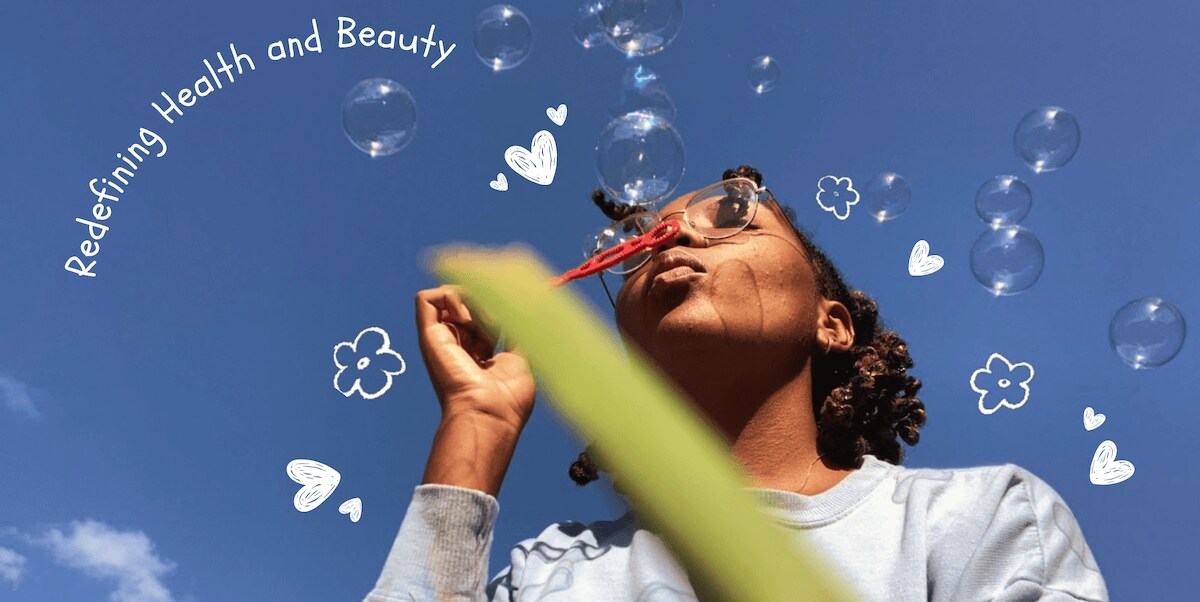
    Student, Rachel Stennett blowing bubbles against a blue sky with heart and flower illustrations and the words 'Redefining Health and Beauty' in white.

    It’s hard to talk about diets and nutritional tracking without mentioning the social and psychological implications surrounding these topics. It is crucial to remember that while changing your lifestyle can be conducive to your health, it can become destructive if taken to the point of obsession. Societal expectations unfortunately do not help with this issue. For years, the media has shaped what the ideal of “happy, healthy, and beautiful” should look like, especially for young adults. With each generation, a new physique is idolized along with a new fad diet to help the “average” person reach these ideals. While the effects of these diets often end up being short-term, the negative effects on body image and relationship with food are often long-term. My own battles with body image and unhealthy eating habits have attracted me to the field of dietetics and nutritional health. Even though I still struggle from time to time, one of the most helpful tools in overcoming these issues is changing the way I create my definition of health. In this blog, I want to address some of the movements and affirmations that helped me redefine what my best self looks and feels like.

    Movements

    Healthy at Every Size (HAES)

    One of the hardest obstacles I had to overcome with my body image is that no matter how much I changed my lifestyle habits, I would never look like the physique I was chasing after. Something would always be a little off — in the scale, the mirror, in pictures. The Healthy At Every Size (HAES) movement pivots away from many of the focuses within traditional dieting methods. Rather than focusing on losing weight, restricting diets, and intense exercise routines, HAES encourages participants to focus on accepting their size and trusting their bodies. When it comes to vital ratings, it is shown that participants who adopt this approach to health often have lower blood pressure and lower cholesterol than strict dieting groups. Instead of calculating what a healthy physique looks like for a person based on algorithms, HAES recognizes that healthy body weight may vary just like our shoe sizes and heights. There’s no set perfect weight for every individual.

    Mindful eating and eating in moderation

    Mindful eating and eating in moderation fall under the HAES dogma. In these practices, following natural hunger cues is encouraged over restricting foods and caloric intake. Since no food is declared as being “bad” or “good” for your health, a varied diet of all types of foods is highly recommended. This is not to say that eating sugary, salty, and highly processed foods are a free-for-all or that supersized portions are encouraged. Rather, these practices seek to remove the anxiety and obsessive tendencies that following a strict diet may create. To this day, I catch myself feeling guilty for eating out multiple times a day or eating a second serving of dessert since my previous diet plans would not allow for it. By adopting mindful eating and eating in moderation, I am slowly relearning that it is OK to have a second slice of cake if I’m hungry, as long as my overall diet is still varied with fruits and vegetables.

    Affirmations

    Your clothes should fit you

    Another source of insecurity with body image for me, and many college-aged students, is clothing size. There have been many times when I have bought clothing and promised myself I would wear it when I reached my weight loss goals. Conversely, there have been times when I have broken down since clothing I bought a couple of years ago is now too tight. While it may seem silly, it is important to keep in mind that your clothes should fit you; you shouldn’t fit your clothes. Many clothing stores do not follow the same sizing guidelines. Furthermore, it is natural for your body to go through changes over the course of the year and even throughout the day. If something doesn’t fit, don’t get discouraged.

    Your body is capable of amazing things — appreciate it

    The underlying message of this post is to love yourself the way that you are. Follow your health goals to feel your best, not to look like what other people think is your best. Fuel it to be happy, train it to be healthy, and appreciate what it is and is not capable of at the moment. No matter how you look, your body is capable of amazing things.

    I hope you were able to learn a little bit more about nutrition and health. From looking at what nutrients college-aged students are deficient in, to new recipes to include within your daily diet, and finally, to concerns about body image, we have analyzed nutrition on biological, practical, and societal levels.

    For more practice with nutrition tracking and health resources, check out MyDietAnaylsis.  

    read more
  • Graduation Gifts: Nurse’s Edition

    by Saige O’Rourke

    A graphic with a blue background and 3 images related to nursing: a stethoscope, a nurse’s cap and clipboard, and a medical jacket.

    With a nursing major roommate, I cannot count the number of times I have heard how expensive the profession is. Schooling in itself is a pricey commitment, but that is just the beginning. On a whim, I decided to look further into what a nursing major might enjoy receiving as a graduation gift and how much I should start to save. After talking with my roommate, I can confirm that a new stethoscope, scrubs, badge reels, pens, and a customized zip-up jacket with credentials are all much-needed wants. Although these items might seem either simple, known, or confusing to understand, there is a method to the madness of a Nursing student’s wish-list.

    New Stethoscope

    $350. That is the highest amount paid on a select website for a Littman’s Stethoscope without counting shipping and taxes. With a starting price of $100 for a necessity, I personally would not want to add that to my bank statement straight out of college. This product, however, is used daily by all nurses & nursing students. If you have ever visited a doctor’s office, it is common knowledge of how important these are in their daily practices. Naturally, this would be the perfect starter gift for a fresh out of college nurse.

    New Scrubs

    After a 12-hour shift, the last thing my roommate wants to do is laundry. Scrubs are a nurse’s uniform and working with sick patients for a long period of time daily can cause them to feel disheveled after a long day. Avoiding the inconvenience of either wearing dirty scrubs or losing sleep over a washer cycle, nurses need to fill their closet with multiple sets of scrubs.

    Badge Reels and Pens

    Hospitals are meant to be secure as lives are on the line. Scanning into rooms, departments, and time clocks are a part of the daily routine. To make this process easier, nurses attach badge reels to their identification then attach this to their scrubs; this also makes their uniform feel more personalized and complete in the autonomous field they work in. Alongside this, filling out charts is a valid part of taking care of patients. We can all attest to the annoyance of bad pens and the importance of investing in good ones. Both of these items may seem very simple, but they are very necessary in the daily activities of those in this profession.

    They Need to Dress the Part

    A customized zip-up jacket may seem unnecessary, but would you say the same about a customized lab coat for a doctor? Regardless of the brand of choice, nurses are able to wear jackets or hoodies while on the clock. Sometimes, their badges may be out of sight which makes it important to have another piece of clothing to identify who they are in a hall full of the same color.

    Whether your budget starts at $5 or extends to $400, there is always a gift a new nurse could use. Personally, I will need to start saving now to afford that customized zip-up jacket, but maybe someone else can pitch in for the stethoscope!

    Do you have a compelling story or student success tips you’d like to see published on the Pearson Students blog?  If you are a college student and interested in writing for us – click here to pitch your idea and get started! 

    read more
  • Thank You, Teachers!

    by Maeve Murdock

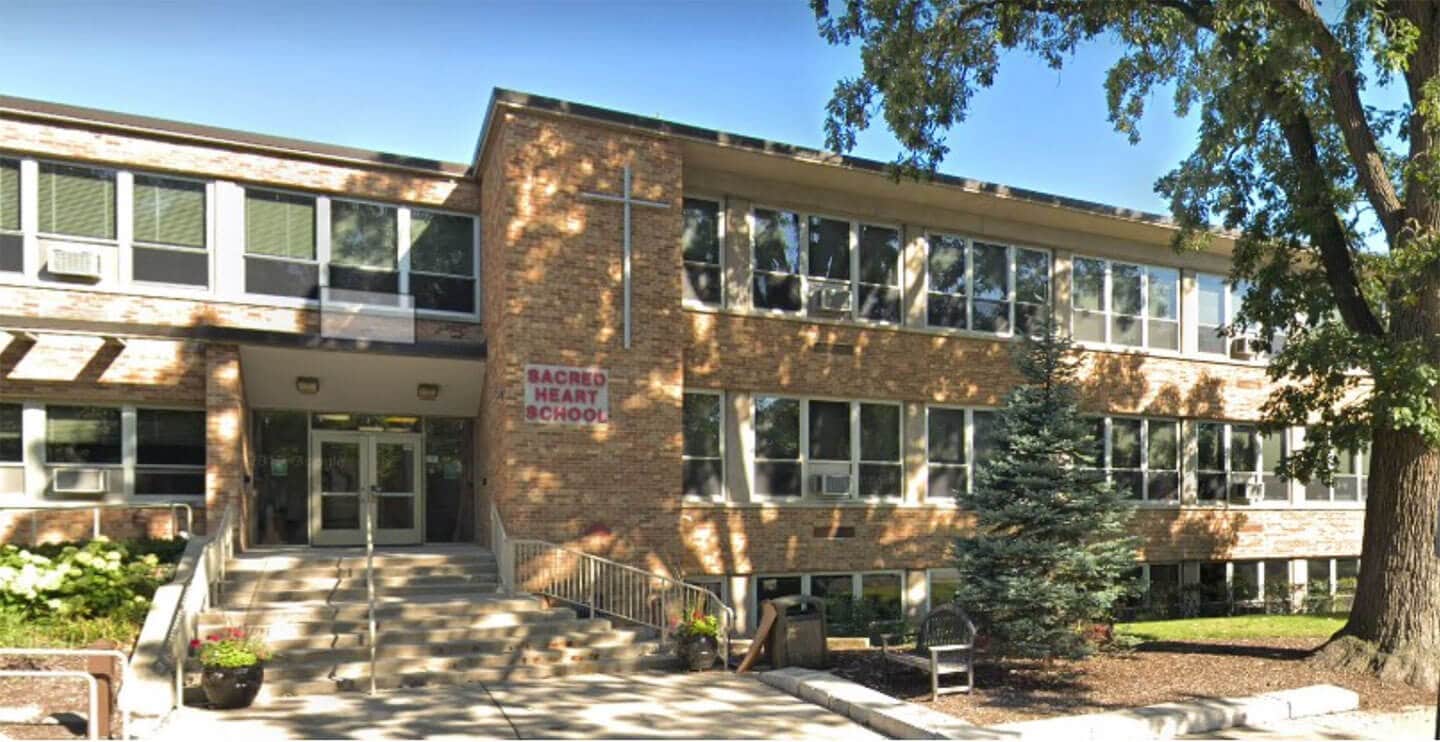
    A front view of the blog author’s elementary school, Sacred Heart School.

    Each May, Teacher Appreciation Week reminds us to pause and think about all the teachers we have had throughout our lives who formed us into who we are today. Many teachers challenged us, encouraged us, cared for us, and grew with us.

    Thinking all the way back to 1st grade, I remember a kind-faced, smiling, short woman with stark, black hair welcoming us all in. Her name was Ms. Youkhana. A mere five years old, I didn’t know what to expect other than that I wanted homework. I have two older twin sisters, both of whom would regularly come home from school with a math worksheet to do, or a few pages to read. I so badly wanted the same, having no idea the extent of the homework I’d be assigned in the years to come. As 1st grade progressed, I began reading the Harry Potter series. I’ll admit I was whizzing through the chapters alarmingly fast–so fast that Ms. Youkhana asked that I sit down with her after each chapter to quickly summarize what happened. She was incredibly supportive of my determination and motivation to learn and did everything she could to help me along the way.

    Ms. Carr, a wonderful, bright-eyed older woman, served as our long-term 4th grade sub, as our teacher had her baby at the beginning of the school year. Ms. Carr regularly spent her money on doughnuts for the class, just so we could start our day with a smile. She was patient, open-minded, and amazingly tolerant of the jokesters in my class. She made each of us feel loved and special.

    Señora Young, our Spanish teacher 3rd-5th grade, was brilliant, strong-minded, and hilarious. She made conquering a new language seem easy, teaching us vast amounts both linguistically and culturally very quickly. She pushed us to learn as much as we could yet kept her classroom an enjoyable learning environment. 

    Mr. Stewart, my 5th grade math teacher, was a goofy, heavy-set guy and an avid Chicago Bulls fan. Mr. Stewart put the class at ease with his quick-witted humor and made each student feel valued, heard, and intelligent. He taught us PEMDAS and how to solve for x, willing to go over tons of example problems and try other ways of explaining more difficult concepts. 

    Mr. Thomas, our 7th grade English teacher, was heavily opinionated and even goofier than Mr. Stewart. Mr. Thomas emphasized the importance of taking a stance on important issues and developing the skills of vocalizing your thoughts and advocating for your position. We regularly held debates in his class, many of which have stuck with me today, 7 years later. We performed rants and raves in front of our small, 15-person class, subtly learning to value releasing our emotions and coming to understand our irks and passions. 

    These five are only a few of the teachers who have made quite an impact on me over the years. The list goes on and on. These teachers, all of whom taught me in grades 1-8, were (or still are) employed at Sacred Heart School, a small, private, Catholic school in the suburbs of Chicago. Catholic schoolteachers in Illinois are severely underpaid; they make significantly less than their public-school counterparts, and yet these teachers remain deeply enthusiastic and passionate. Each one showed up every day, ready and excited to teach. Especially after the educational trauma the pandemic brought, I am confident we’ve all come to realize how vital and special our teachers are. 

    Teachers, thank you SO much for all your hard work–we see and appreciate you!

    Do you have a compelling story or student success tips you’d like to see published on the Pearson Students blog?  If you are a college student and interested in writing for us – click here to pitch your idea and get started! 
    read more
  • Celebrating Teacher Appreciation

    by Madeline Beavis

    The blog author as a third grader with her favorite teacher and in front of her school.

    Kindergarten was where I first developed the idea of becoming a teacher. Other kids imagined themselves as astronauts or doctors or firefighters, but I found joy in the classroom with chalkboards and colored pencils. I’m sure my parents thought it was just a phase, but for the next 14 years I did not budge!

    I’m very grateful for the educators in my past who supported my career choice and gave me the confidence to pursue it. An extra special thank you is dedicated to all the teachers and professors around the world who remain devoted to helping and guiding their students year after year, even during the challenges of pandemic learning.

    Personally, my third-grade teacher, Mrs. Emanuelle, (pictured with me in the thumbnail image) has remained one of my biggest inspirations throughout my academic life. Walking into her classroom on the first day of school, I didn’t know how much more she would teach me beyond vocabulary and spelling. She was enthusiastic, tenderhearted, and creative, forming a relationship with each student so that they felt comfortable and safe in her classroom. For us, well, we both loved dogs! And maybe a love for man’s best friend wasn’t going to help prepare me for 4th grade or standardized testing, but my 8-year-old self was so excited to have something in common with a “grown up” that I was eager to learn from her.

    Now as a college student, I often think back to my time as her student and how she, among many of my other teachers, served as a role model for what a good educator should be. Patient, understanding, adaptable, caring, and inspiring.

    I’m sure almost every student has a special teacher in their past who motivated them to pursue their dreams and never give up. Take some time this week or any time of the year to show your appreciation for your favorite educators!

    “True teachers use themselves as bridges over which their students to cross. Then, having facilitated their crossing, joyfully collapse, encouraging them to make bridges of their own.” – Nikos Kazantzakis

    Do you have a compelling story or student success tips you’d like to see published on the Pearson Students blog?  If you are a college student and interested in writing for us – click here to pitch your idea and get started! 
    read more
  • May the 4th Be With You!

    by Hannah G. Brennan

    Three sets of legs. Each person has a Star Wars themed light saber tattoo on their right calf.

    Just before writing this, I was slouching comfortably on my couch. I had a sparkling water, orange flavored, of course, and a bowl of extra buttery popcorn beside me. The TV was on max volume and my eyes were peeled as I watched the intense final moments of Star Wars: Episode VI - Return of the Jedi.

    At the start of every summer break, I dedicate a few days to rewatching the entire Star Wars saga in order of release date. (For my fellow fans out there, I felt this was important to note.) I have done this for the past 5 years, and each time I ask myself why I only do it once a year.

    From the first film released in 1977 and onward, Star Wars has become an integral part of pop culture. It is the culmination of iconic costumes, characters, fight scenes, background stories, and jaw-dropping family drama that fans like myself adore so much. What better way to honor the franchise than for it to have its own day?

    A long time ago…

    For those who do not know, “May the 4th be with you” is a play on the phrase “May the Force be with you.” After being said twice in the first film, the movie version of the phrase immediately became an iconic salutation, and the pun version soon followed.

    According to a blog by Lucas Seastrom on none other than starwars.com, newspapers began using the phrase as a way to celebrate the Fourth of July in their headlines. But it attached itself to May 4th when The London Evening News displayed “May the Fourth Be With You, Maggie. Congratulations!” on the day Margaret Thatcher became Britain’s prime minister– which took place on May 4th, 1979.

    Randy Thom, who was a location sound recordist on the Star Wars movie crew, is also credited with launching Star Wars Day. It was on May 4th, 1982 that the pun came to him. He then shared it with the crew and would continue to celebrate it every year going forward.

    Planet Tattoo[ine]

    Once I turned 18, I started planning to get a tattoo. After telling my big brother and cousin this, we decided we would all get one together. I was already on board, but the idea really won me over once they told me they would pay for it.

    We threw around ideas for about 10 minutes. I said jokingly, “let’s just get lightsabers.” Next thing I knew, I was in the chair going on hour number two with a needle to my calf.

    I have a green lightsaber, my brother has purple, and my cousin has blue. (I’ll let the Star Wars fans decide for themselves which they prefer, though I think we all know purple is the best one.)

    So why get this fictional weapon tattooed on me?

    Aside from the fact that the tattoo looks cool, it is a reminder to me of how much we love the franchise and why fans still celebrate it every year on May 4th.

    Enjoy, We Must [in Yoda voice]

    Star Wars fans are truly like no other. We are a global community with a shared love of stories that have withstood the test of time. We find entertainment, adventure, inspiration, and solace in them. And we love finding a fellow fan in a crowded room.

    Whether you are a diehard fan or new to the fan club, this may just be your sign to watch them all as we celebrate Star Wars Day today!

    Thank you for reading, and May the 4th be with you.

    Do you have a compelling story or student success tips you’d like to see published on the Pearson Students blog?  If you are a college student and interested in writing for us – click here to pitch your idea and get started! 
    read more
  • Imposters Among Us!

    by Raya Fitch

    The word ‘Imposter’ in red old-style digital-looking letters against a white background.

    Remember when we used to play Among Us in 2020 because we could not really go anywhere? Remember that feeling when you were the imposter, but you had to pretend that you belonged, and you didn't act "sus" or suspicious? Have you ever felt like you were something like the imposter in real life? I certainly have. But somehow, being the imposter in real life is a lot harder than it is in the game Among Us.

    Am I The Only One?

    Being a college student can be intimidating; it’s hard not to compare yourself to your peers. Even in my campus job as a Pearson Campus Ambassador, I am the only one on my campus in this role and that sometimes makes me feel as though I am the imposter. I feel like I am definitely going to get caught and be ejected from the spaceship and left drifting in space! Seriously though, imposter syndrome is real, and many college students experience it in one way or another in their undergrad career.

    Imposter Syndrome

    If you have ever experienced imposter syndrome, you are far from alone: one in five college students experience this, but what is it? Imposter syndrome is “the feeling of being a fraud.” The best example of this that you might have a feeling in the back of your mind that you do not deserve your success or good grades. The best way to overcome imposter syndrome is to essentially change your outlook on yourself. This is easier said than done, but it is the most important thing you can do to overcome imposter syndrome.

    Change Your Outlook

    Find ways to encourage yourself. Practice positive self-talk. You deserve your good grades and your successes! It was not due to luck! So, before you start ducking into the vents of the spaceship like in Among Us, face the rest of the space crew and realize you do belong in that difficult class, you earned that selective internship, and you have a high GPA because you put in the work.

    If nobody has told you they are proud of you today, I am! So, I invite you to: walk into that class you think is too hard with your head held high, apply for that internship you think is too selective, and do not let rejection deter you! Remember, you are on the space crew, you are NOT the imposter.

    Do you have a compelling story or student success tips you’d like to see published on the Pearson Students blog?  If you are a college student and interested in writing for us – click here to pitch your idea and get started! 

    read more
  • Why I Chose My HBCU

    by Jalyn White

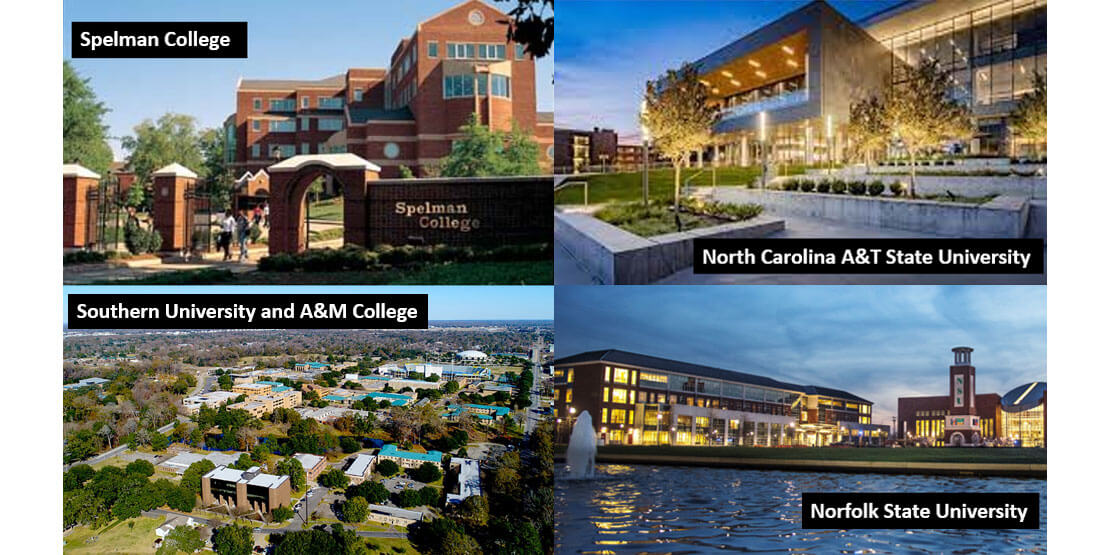
    A group of four photos of HBCU campuses: Spelman College, North Carolina A&T University, Southern University, and Norfolk State University.

    After decades of segregated education at institutions of higher learning, the very first Historically Black College and University (HBCU) was founded on February 25, 1837 by Cheyney University of Pennsylvania, creating a safe academic, intellectual, and social space for Black students. On December 1, 1865, Shaw University in North Carolina became the first HBCU in the South, initiating a cascade of HBCU charterings in the United States. These spaces of both comfort and challenge for HBCU students proved to be special, affirming students of their rightful place in society. Today, HBCUs are the #1 producers of Black physicians, lawyers, educators, politicians, engineers, and so many other professional paths by setting high-achieving standards for Black students.

    I am currently a junior Biochemistry major on the pre-med track at Spelman College in Atlanta, GA. Before my sophomore year of high school, I had never heard of Spelman. But after one brief conversation with my mother who encouraged me to look into it, I started researching, toured the campus, and found it to be the greatest place at which I could continue my education. Spelman has been the #1 HBCU for 16 consecutive years as the premier college for Black women, and that is what greatly contributed to my decision. The academic atmosphere is intense, but the community is full of people who love and care for Spelman students, and the sisterhood I have experienced during my matriculation is unforgettable. Let’s hear from some other HBCU students on why they chose their HBCUs.

    Jesse Uloghobui currently attends Norfolk State University in Virginia and is a sophomore Computer Science major on the cybersecurity track. His mother attended Norfolk State, and that is one of the main reasons he chose to enroll.

    read more
  • The Gist of Germs: The Importance of Proper Handwashing

    by Ana Cooper

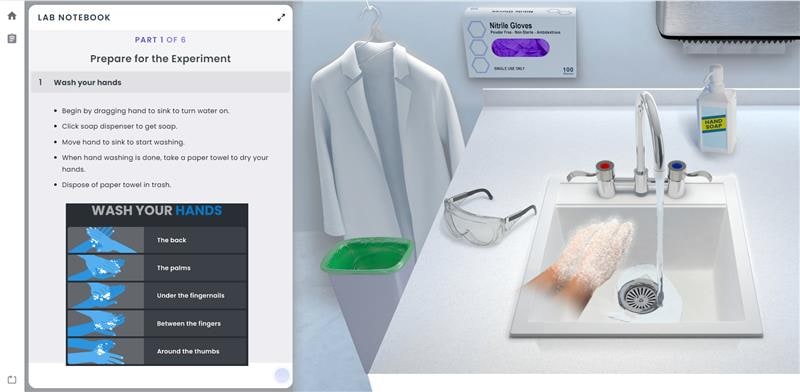
    Lab Notebook: Prepare for the Experiement: Wash Your Hands Lab Animation

    Washing your hands is one of the basics of hygiene that we often do without thinking. It was heavily emphasized during the pandemic and continues to be a major prevention of contamination. Handwashing is critical in healthcare careers since many personnel come into direct contact with the patient. The personnel must be trained in handwashing technique to ensure that all areas of the hand are cleaned. This makes learning the skill an important step in a person’s career. That is why Pearson has taken extraordinary measures to make an excellent handwashing simulation.

    Handwashing Education

    During the Fall of 2021, still in the height of the pandemic, I was taking Microbiology I and training to be a certified nursing assistant. Every day I learned about ten new diseases that could be on my hands at any given moment. Simultaneously, my nursing instructor would stand over my shoulder timing me while I washed my hands. The ticking of the watch made me so nervous that I was shaking all over trying to take a deep breath. I tried to remember every area of my hands and make sure I was scrubbing for just enough time.   

    Handwashing is a simple skill, but this semester it was taken to an extreme level. I was taught to first turn on the faucet with a paper towel. I then squirt antibacterial soap on my hands and scrub for at least 20 seconds. It is important to scrub the palms, back of the hands, in between the fingers, and all fingertips. Observe fingernails and make certain that there is no grime stuck under the nails, as this is a common site for bacterial growth. Ensure that all surfaces have been scrubbed with soap. Don’t forget the wrists! Rinse the hands off completely without touching the sink and do not shake hands to dry. Grab a paper towel to dry hand. Turn the faucet off with a paper towel.   

    The Cause for Cleanliness

    He emphasized over and over again how important it was to have excellent hand hygiene. The examiners who preside over my state exams would observe my handwashing technique just as meticulously. If I did not wash my hands well enough or long enough, I could not continue with the exam. I would have had to still pay for another exam, come another day, and test once again. It would go on my records that I did not pass the exam the first time and the reason would be noted too. There was a lot to lose if I did not wash my hands correctly.

    Anti-Protist Protocols

    This rigorous routine would continue in my Microbiology labs. Weeks of experimentation would go in the garbage if a slide got contaminated with my skin in the Microbiology lab. If I did not wash my hands after the experiment, I might take home fragments of whatever that bacteria, fungi, or worm was to my family. Microbiology forced me to think like a germaphobe. Clean the counter, clean the slides, clean the microscope, sterile procedures, inoculate the loop, wear gloves, don’t breathe on your specimens, and many, many, MANY more hygienic precautions would loop through my brain.

    Handwashing Never Goes Away

    That was my fall of 2021. I knew that all of this was important as I was taking my first steps to becoming a nurse on the field. In nursing school and in the hospitals for my clinical rotations, hand hygiene is still meticulous. I continue to be tested on it in my exam questions and in my skills labs. Handwashing never goes away. I have must wash my hands 100% so that there is 0% chance of anything spreading.

    Handwashing is always relevant. Repetition is key which is why it shows up at the beginning of the virtual labs. This is why Pearson devoted lots of time and technology to making a proper simulation for handwashing for each lab. Professors, clinicians, students, and designers all worked together to make this product a reality. Having this handwashing simulation on the virtual labs is crucial to maintaining excellence, accuracy, and relevance. There is a proper order to wash hands that needs to be maintained. The entire hand to be cleaned well with soap and water. Sticks for removing grime from under the fingernails are a notable task in the routine. Many other actions must be performed in the specific order to complete the whole routine. This is a skill that a person carries with them their whole life, but especially when they are in the medical field and have direct contact with patients. No matter the major, all are responsible for keeping their hands clean and decreasing the spread of diseases. Whether one is at home, in the office, at the hospital, or labs, everyone needs handwashing to be a regular hygiene habit to maintain cleanliness and health throughout society.

    read more
  • It’s Valentine’s Day and You’re Single: Six ideas to try

    by Charlotte Fieffe

    A graphic image featuring a pink rectangle with four hearts in the upper left corner and the text, ‘Things to do on Valentine’s Day, fun solo + group ideas’

    Driving around my neighborhood recently, I noticed the painted hearts on business windows and heart-shaped wreaths on doors and realized Valentine's Day is just around the corner! Although many deem the holiday as a way for businesses to bank on the idea of "love" by selling the masses sappy chocolate shaped hearts and $2 roses that die the next day, it doesn't take away the meaning that you were thought of enough to be given any of those things. But if you're single, that might be another story. Don't worry, I have six amazing ideas that you can do on your own or with friends that will make the idea of Valentine's mean so much more than that sad lumpy teddy bear in the back of your closet that you got from that one friend.

    Pack a Picnic

    First up on the list is a park picnic! This idea is so cute and is definitely one of my favorites. Gather your friends and let everyone bring their own dish from home (or store bought, we don’t judge). Spread out a nice blanket, play music in the background, and you have an easy way to bring your friends together for a nice day out in the park.

    Create a Charcuterie Board

    Charcuterie boards are often the highlight of many gatherings! You can go with the theme of the holiday or go completely off script, it's really up to you! Everyone can bring their own charcuterie board imagination extravaganza and enjoy the night with each other.

    Take Time for Self-Care

    This can be a solo event or coordinated with a group of friends! Take some time to take care of yourself however you see fit whether that be eating out, journaling, putting on a face mask, whatever you want! Checking up on yourself physically and mentally is probably the best kind of love that you can give yourself this Valentine’s Day! You deserve it!

    Express Yourself Through Art

    Consider taking an art or pottery class. As with the self-care option, this can be done solo or with a friend. It will be nice to find local classes, and it is a fun way to get your creative juices flowing! You can take something home from the experience and learn something new! If you have not tried taking an art class or pottery class, it’s a great way to put yourself out there and to meet new people.

    Settle in for Movie Night

    Host your own movie marathon this Valentine’s Day! Grab some popcorn and some friends and host a romantic or rom-com movie night! Make everyone choose a movie to watch or make your own curated list of movies for the night. It’s a fun way to spend time with your friends and to indulge in some of that chocolate!

    Explore a Bookstore or Museum

    Find a local bookstore or museum and spend the day there. After browsing some shelves, splurging on some books, or viewing some paintings and sculptures you can dine at a restaurant and enjoy the rest of your day. I really love this idea of exploring your local area a bit more, because you never know what you can find!

    I hope this post has given you a rekindled spirit when it comes to Valentine’s Day as well as some new things to try this year. Whether you go solo or with a group of friends, have a safe and Happy Valentine’s Day!

    Do you have a compelling story or student success tips you’d like to see published on the Pearson Students blog?  If you are a college student and interested in writing for us – click here to pitch your idea and get started! 

    read more
  • The Beauty of Reaching Out

    by Jonathan Wong

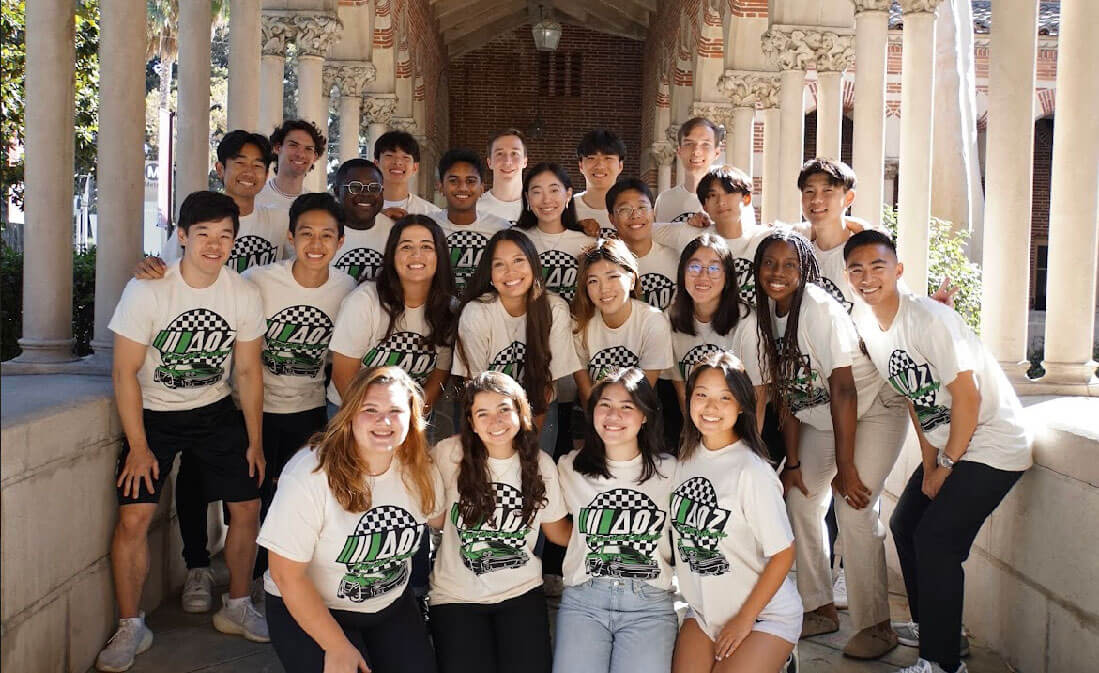
    A group of college students gathered between two rows of white columns. They are all wearing matching white t-shirts with a black, green, and white racing logo on the front.

    For many, starting college can be a daunting experience. Leaving the comfort of your friends and family is never easy and you will be forced to face obstacles you have never encountered. You may even struggle to create meaningful friendships. However, there is beauty in the unknown and true growth can only come from a place of discomfort.

    Manage Your Mindset

    As a first-generation college student moving from New York to California to attend the University of Southern California, I was terrified of the new life that was awaiting me. After an entire summer of existential dread, figuring out my career path, and uncertainty about my future, I came to the realization that I am in complete control of my future. The friends I make, the person I become, and the opportunities I seize are all a result of my own agency. I quickly turned my fear into genuine excitement.

    Work As If I Could Never Fail

    I wrote down a list of my goals and envisioned a different version of myself. A version of myself that could not fear, could not budge, and could not fail. I committed myself to dream big and work as if I could never fail. Each day, I pushed myself out of my comfort zone where I quickly discovered my passions for self-improvement and the human experience. The purpose of this blog is to urge students like yourself to find discomfort and find love and beauty in the people around you. I began valuing meaningful conversation and committing myself to understand and learning the experiences of others. I made amazing and inspiring friends along the way and opened doors to opportunities I could never imagine. At USC, I found a community and a home.

    Outside of academics, the friendships you create at college will last you for the rest of your life and teach you things about yourself and the world you wouldn’t learn otherwise. Do not be afraid to chase diverse and unique perspectives and truly experience everything the world has to offer. Surround yourself with inspiring people and soon enough there will be nothing keeping you from becoming incredible. I believe every conversation, every failure, and every opportunity is a learning experience and I implore all of you to open your ears and your hearts to those around you.

    Do you have a compelling story or student success tips you’d like to see published on the Pearson Students blog?  If you are a college student and interested in writing for us – click here to pitch your idea and get started! 

    read more
  • The Evolution of Negro History Week to Black History Month

    by Myaya Morton

    A digitally produced graphic with the text ‘Black History Month’ above several raised hands of varying skin tones against a black background.

    Black History Month is a designated month-long U.S. holiday held every February since 1976. It serves as a time to recognize the contributions and achievements made by African Americans throughout U.S. History. During the month there are hosts of events such as student plays, television specials and marches commemorating trailblazers. Many know about the month but don’t understand the history behind Black History month.

    It begins with Carter G. Woodson, who was an American historian, author, and professor of history, earning a Ph.D. from Harvard University in 1912. In 1926, Woodson established and celebrated Negro History Week. Rumors say Woodson chose the second week of February to coincide with the birthdays of President Abraham Lincoln and abolitionist Fredrick Douglass, two pivotal men in Black History. Woodson wanted the week to demonstrate what Negro students learned throughout the school year. A theme was set each year for the celebration and Woodson, along with the Association for the Study of Negro Life and History (now known as the Association for the Study of African American History – ASALH), provided study materials.

    In the 1940’s, the Black community slowly began to expand the study and celebration of Black History in public and curriculum. Within the schools, teachers would hide the books but replace United States History lessons with the Black History books. It wasn’t until the Civil Rights Movement of the 1960’s that there was a more aggressive stance. Due to the racist climate of America at the time, many young African Americans on college campuses became more conscious and resilient against the oppression.

    Finally, in 1976, fifty years after Woodson’s first efforts to celebrate, the ASALH officially expanded the annual event to Black History Month. Since then, every United States President has recognized February as Black History Month. They have even issued proclamations endorsing the annual theme.

    The theme for 2023 is Black Resistance considering the recent acts of racial terrorism, ongoing oppression, and police violence. This year try to learn more about Black History aside from the Civil Rights Activists and Slave abolitionists such as Dr. Martin Luther King Jr., Harriet Tubman and Malcolm X. For more details and information about this year's celebration, you can visit ASALH.org.

    Do you have a compelling story or student success tips you’d like to see published on the Pearson Students blog?  If you are a college student and interested in writing for us – click here to pitch your idea and get started! 

    read more
  • Being Gay on Campus: Build support through campus connections

    by Ienne Zielinski

    A rainbow themed painting with the word ‘PRIDE!’ in various colors.

    Coming to the University of Utah from a smaller high school with a less diverse student population was a shocking experience. There were not many people out as gay or LGBTQ+ at my high school and being gay felt very isolating. At the University of Utah, I was pleasantly surprised to find not only peers but also faculty who are out and proud. Gay students face unique hurdles when acclimating to college life. Here is how I’ve navigated this process.

    Finding Support Networks

    First, it is very important to have support on campus not only through individual connections but also organizations. The LGBT Resource Center is one such organization on my campus. They organize Pride Week events as well as other functions throughout the school year. This makes it feel less lonely. From the Center’s website: “The LGBT Resource Center empowers lesbian, gay, bisexual, transgender, queer, questioning, intersex, asexual/aromantic (LGBTQIA+) students to grow as leaders and learners by supporting students in navigating university systems, exploring their identities, finding community, and developing as leaders with a social justice lens.“

    Another group I have personally found a home with is the campus chapter of oSTEM (out in Science, Technology, Engineering, and Mathematics). oSTEM (www.ostem.org/) is a professional association for LGBTQ+ people in the STEM community with over 100 student chapters at colleges across the country. As oSTEM states on its website, their “mission is to create a diverse, inclusive, and supportive community that brings LGBTQ+ students and allies in STEM fields together.”

    Facing Challenges

    Even with strong support networks in place, being out as LGBTQ+ comes with a lot of challenges. There are those in the community who still hold prejudices against us, and it affects us all on a day-to-day basis. There have been times when I have been promoting groups like oSTEM, and I have received mean glances, comments, and have even been outright laughed at. This has been difficult on my mental health and sometimes leads the campus I love to feel like a hostile environment. I believe, however, that we all are responsible to talk about these difficult moments. We need to discuss what needs to change in order to see change.

    I am so incredibly lucky to have so many supportive organizations on campus. I hope through this blog I can convey how important these resources are and to encourage other students to seek support networks on their own campuses. It’s important to start a conversation about how these critical issues impact the overall success of students in this community.

    Do you have a compelling story or student success tips you’d like to see published on the Pearson Students blog?  If you are a college student and interested in writing for us – click here to pitch your idea and get started! 

    read more
  • Explore Endless Possibilities Through the World of Science Fiction

    by Ashish Bijumon

    A library with the view looking up from the ground floor to the second level featuring multiple floor-to-ceiling shelves of books.

    Science Fiction has influenced our society in so many ways. People across the world line up at the theatres to watch the newest Star Wars film or the next Avengers movie. These films, based on books and comics, allow us to experience a world of endless possibilities. They enable us to imagine a world where superheroes live among us, where dinosaurs are resurrected for an amusement park, or an interstellar conflict is happening in a galaxy far away. January 2nd is Science Fiction Day, a day where the world celebrates the creative minds of so many authors, illustrators, and filmmakers for bringing life to these other worlds.

    What should I read?

    If you’re new to the science fiction genre, it can be difficult to find the right story with so many titles out there. You want to find a story with character development, beautiful settings, and a rich lore. Books such as “Dune” by Frank Herbert or “Planet of the Apes” by Pierre Boulle offer the perfect starting point into science fiction. Many of these science fiction books have their own shows or movies associated with them. Large stories such as “Lord of the Rings” and “Star Wars” have numerous shows, comics, and movies to help better understand the complex world. These franchises are so large and complex, it takes a great load of time to fully invest yourself into their stories. The authors spent countless years building these worlds for our imagination and the big screens.

    Why should I read Sci-Fi?

    Some people believe science fiction, or fiction in general, is a waste of time or that it doesn’t offer the same value as nonfiction books. However, these accusations are false. Science fiction enhances our vocabulary, expands our creativity, and it stimulates our imagination. These authors came up with complex ideas and worlds, and when we read them, we must imagine them. We place ourselves in their worlds and experience what the characters feel, we see what they see. It allows us to think of scenarios such as if cars were able to fly, or if a nuclear bomb had been dropped. Reading is knowledge, different genres offer different perspectives on reality.

    Celebrating Science and Technology

    Sci-fi authors often weave in science and technology themes into their stories, sparking interest in these areas for readers of all ages. A broad spectrum of STEM topics can be found in sci-fi works – biology, chemistry, earth sciences, robotics, artificial intelligence, and space exploration to name just a few. Many scientists acknowledge that their academic interests were influenced by science fiction writing.

    Influence on Pop Culture

    Science fiction shapes our society in so many ways, it gives us a chance to break away from our reality. Without the work of George Lucas on “Star Wars” or Frank Herbert on “Dune,” we would not have the blockbuster movies and TV shows we have today. Without Stan Lee and the countless other Marvel writers, we wouldn’t have the “X-Men,” “Avengers,” or “Spider-Man.” Viewers get lost in the settings that are presented.

    When Science Fiction Day rolls around, take time to think of everyone who has contributed to the genre and celebrate them. The authors write a beautiful story from beginning to end that captivates us and make us want more. These characters, worlds, and stories have endless possibilities. Anything is possible in science-fiction.

    Do you have a compelling story or student success tips you’d like to see published on the Pearson Students blog?  If you are a college student and interested in writing for us – click here to pitch your idea and get started! 
    read more
  • How to Make (and Keep) Your New Year’s Resolutions

    by Taylor King

    A fireworks display.

    It’s finally here! We’ve made it another 365 days around the sun, so you know what time it is…It’s time to make your New Year’s Resolution!! If you feel stuck in a rut or intimidated, don’t fret. Follow these steps to set an achievable goal to work towards over the next twelve months.

    1. Start by reflecting on this year.

    Reminisce on the high and lows, the triumphs, and the challenges. Take a look over your personal journal entries that you’ve written over the year. Recognizing all of what you’ve experienced during the last year can help you home in on where and how you want to improve.

    2. Think about just one goal and the several ways you can achieve it.

    Try to avoid taking on more than you can handle. You never know what circumstances or curveballs the new year can throw at you, so commit to just one resolution. However, you should be thinking about multiple ways in which you can accomplish it. For instance, if your resolution is to prioritize physical fitness, recognize that it doesn’t mean you have to go to the gym all the time. You could do at-home workouts, do yoga beside your bed in the morning, go on hikes with friends, incorporate more fruits and veggies into your diet, or reduce the number of sugary drinks you consume. You have more freedom than you think when it comes to setting resolutions, so don’t make it monotonous – try to have fun with it!

    3. Write down your New Year’s resolution.

    Once you’ve decided on your goal, make it concrete! It is scientifically proven that you are more likely to achieve your goals when you write them down, so write your resolution in a journal or use your creativity by making a vision board. Whatever your choice, make sure you put it in a place where you can see it every day so you can be reminded of your commitment and receive the motivation you need to take action and follow through with your resolution.

    4. Check in with yourself regularly.

    If you write down your resolution and look at it every day, it should be pretty hard to forget about it, but things happen! Put daily or weekly reminders in your phone to ensure you remain accountable to what you committed. At the end of each month, self-reflect and record your progress to see if you’re already fulfilling your ambitions or are on track to meet your goal by year’s end. If you need to make any adjustments to what you’re doing, feel free to put those into place at this point.

    Feeling more prepared now? Good – because you’ve got this in the bag!! Wishing you all a Happy New Year!

    Do you have a compelling story or student success tips you’d like to see published on the Pearson Students blog?  If you are a college student and interested in writing for us – click here to pitch your idea and get started! 

    read more
  • Snow Much Fun: Winter Activities on Campus!

    by Taylor Perline

    A red mug of hot chocolate set on top of a gray knit blanket. The hot chocolate is topped with two marshmallows with snowmen faces.

    December 21st is the first day of winter! Winter brings about so many changes to college and campus living. Fuzzy sweaters, holiday seasons, and gathering around a cozy fire are often staples of this time of year. For college students, however, winter can represent a decrease in mood alongside the decrease in temperature. Luckily, the winter season brings about plenty of “cool” opportunities for campus fun!

    Enjoy a Snow Day!

    Many college campuses will begin to be covered with blankets of snow throughout this season. This is a perfect opportunity to bundle up and head outside with friends. It is common to see snowmen and other snow figures throughout campus. Don’t be afraid to join in sledding or skiing if that is on campus! If the snow is good enough for it, a snowball fight is a fantastic way for friends and unfamiliar faces to bond.

    Have a Winter Party!

    Whether your college does or does not receive snow, a winter party is a wonderful way to bring friends together! If applicable, a holiday party full of presents, music, and other holiday traditions can easily put any scrooge into the spirit of the season. For just a winter themed party, engaging in a potluck style dinner is almost always a must! This can be through a “charcuterie night” (where friends each bring a board of delicious goods) or something as simple as having friends all bring a fun cookie to snack on! This night can end with something simple like a movie or something more intense like an indoor snowball fight (with paper or fake snowballs)!

    Try Something New Indoors!

    During the winter, many take time to wind down and relax. Maybe give that new game a chance. Or take up a hobby like yoga, crochet, or reading! Especially if a student is on their winter break, this is the perfect time to curl up under a cozy blanket and take some time for a new experience.

    Get That Hot Chocolate!

    When one thinks of winter, oftentimes the first thought that comes to mind is delicious hot chocolate. Luckily, it is accessible to nearly all college age students! Many dorms either have a microwave in each room or at least one somewhere in the dorm’s kitchen area. Spice things up with some whipped cream, marshmallows, or other fun toppings! Oftentimes, students can also find hot chocolate around campus! Whether it be seasonal at the campus café, or a local off-campus coffee shop!

    Winter is an amazing opportunity for students to come together, and I hope that everyone will have “snow” much fun!

    Do you have a compelling story or student success tips you’d like to see published on the Pearson Students blog?  If you are a college student and interested in writing for us – click here to pitch your idea and get started! 

    read more
  • The Observation of Kwanzaa

    by Myaya Morton

    A graphic created by the blog author. The words Happy Kwanzaa appear in thick block letters across the top and the Kinara with the Kwanzaa candles is underneath. At first day of Kwanzaa appears on either side of the Kinara – Dec 26, 2022.

    In the 1960's, Dr. Maulana Karenga, a professor and chairman at California State University created the holiday of Kwanzaa to bring the Black community together. He borrowed many aspects from other harvest celebrations to produce a week-long holiday. Kwanzaa, the name means “first fruits” in Swahili.

    Each day of Kwanzaa respects one of the seven principles – Umoja (unity), Kujichagulia (Self-determination), Ujima (collective work and responsibility), Ujamaa (cooperative economics), Nia (purpose), Kuumba (creativity), and Imani (faith). All seven of these principles collectively are referred to as the Nguzo Saba which derive from the African values of building and reinforcing community. On each night of Kwanzaa, the family gathers and one child lights a single candle in the candle holder or Kinara while discussing the principle of that day.

    The symbols of the holiday are very important as well. Mazao are the crops which include fruits, nuts and vegetables which symbolizes the work done to celebrate and feast for the holiday. The mkeka or place mat comes directly from Africa being made from straw or cloth. It symbolizes history, culture and tradition and serves as a figurative foundation for the lives of those who celebrate. The Vibunzi is a stalk of corn that represents fertility. It brings good luck for reproduction of children and future hopes into the household.

    The Mishumaa Saba are the seven candles comprised of three red, three green and one black candle while the candle holder is called the Kinara. These seven candles are placed in a very specific order. The candles symbolically are the sun’s power and are there to provide light. The Unity Cup from which each member drinks is called the Kikombe Cha Umoja. Lastly, Zawadi are the gifts which are given on the seventh day of Kwanzaa. The purpose of the gifts is to encourage the use of the seven principles and are exchanged between family members.

    Many households celebrate Christmas and Kwanzaa simultaneously since one is religious and one is strictly secular. This year, Kwanzaa will be celebrated from Monday, December 26, 2022 to Sunday, January 1, 2023.

    Do you have a compelling story or student success tips you’d like to see published on the Pearson Students blog?  If you are a college student and interested in writing for us – click here to pitch your idea and get started! 

    read more
  • Tis the Season for a Holiday Gift Guide

    by Jayla Pope

    A computer generated graphic featuring a large red border with a holiday clip art in each corner, and a smaller green square within, that say ‘Holiday Gift Guide’ in white letters.

    December is a beautiful time of year when many of us celebrate occasions with gift giving. Not everyone has fun with buying gifts for others or has trouble picking them out. To help ease the stress of picking gifts, consider these tips.

    Not Too Much Green

    When it comes to gifting, it is important to decide how much you are budgeting. The budget sets the parameters for your spending without breaking the bank. An example of this would be a maximum of $20 on each gift or setting a $100 spending limit. A tip for spending is to utilize cash. When you use credit/debit cards, it can be hard to control your spending. With cash, what you see is what you have. Be on the lookout for advertisements and coupons during this season of giving as well. Black Friday and Cyber Monday are both popular times of the year for shopping, but throughout the holiday season, many stores run sales and discounts. Lastly, if you do decide to use your card for shopping purchases look for cash back bonuses or discounts to aid you in the costs.

    Make Your List and Check It Twice

    After you have set a budget on your gifting, it is time to create a list of those gift recipients. Gifting should always come from the heart and should never feel like an obligation. It is common to buy gifts for family and friends. However, other people to consider could be coworkers, teachers, or even your pet…they deserve treats too! Around the holidays pay special attention to what those around you speak about. If you heard your dad talking about a new gadget or your mom eyeing a specific book, take note. The best gifts are the most thoughtful ones. Paying attention to the wants of those around you gives you a great advantage in gift giving. If you’re unsure of the specific color or size of an item, be broadly inquisitive. When inquiring about gifts, try to make it seem as though you are buying it for yourself or a friend and need an opinion on which item to choose. Consider asking for a friend or family member’s assistance if you don’t want to make it obvious who the gift is intended for.

    Wrap It Up

    Now that you have all that you need to find a great gift, it's time to wrap it up, pun intended! Although gifts are thoughtful alone, using gift wrapping techniques help elevate them to another level. Gift wrapping also creates an element of surprise, before the recipient can open the gift, the first thing they see is the wrapping. If you're not the best at gift wrapping, fear not as there are plenty of alternatives. Bows, gift bags, ribbons, and tissue paper are all ways to decorate your gift. As it relates to gift bags, encourage the recipient to reuse them as it will be the gift that keeps on giving.

    Gift giving can be stressful but using these tips are sure to help mitigate gift giving misery. Remember to find your reason for the season and to spread that joy with others. Sometimes that alone is the best gift you give.

    Do you have a compelling story or student success tips you’d like to see published on the Pearson Students blog?  If you are a college student and interested in writing for us – click here to pitch your idea and get started! 
    read more
  • Gift Giving on a College Student Budget

    by Rachel Calcote

    A wreath made of red and silver globe ornaments is hung on a white door.

    The holidays are fast approaching and sometimes that can be stressful. Sure, there are the lights, cold weather, and the festive atmosphere, but the money you spend around the holidays - horror inducing. This can be especially stressful when you’re strapped for cash but want to do something nice for your friends and family. Here are a few tips for gift giving on a college budget.

    Tip #1: Create A Budget

    This seems fairly basic, but it is often overlooked. Assess your personal financial situation and see how much money, if any, you are able to feasibly set aside for gifts this season. There are some important things to factor into your holiday budget. Travel costs is a big one: Are you going home for the holidays? Are you going on a trip? How are you getting there? Who’s paying for it? Are you paying for all of it, just part, or for multiple people? Other important factors to think about are dining out expenses, living costs, groceries, and anything else you normally spend money on each month.

    Tip #2: Make A List of People

    Make a list of people you want to give something to this holiday. Once you have a number you can compare that to your budget and decide if you can afford to buy each person something or if you need to think about baking or making something for some or all of the people. This is also an important time to decide if you’re going to spend the same amount on everyone or if you’re going to spend more on your mom than on your neighbor. It’s ok to spend different amounts on people as long as you can afford to and that each gift is heartfelt. It’s often more about how much thought and time went into the gift than how much the gift costs that matters.

    Tip #3: Picking Out Gifts

    This is the fun part! Don’t look at picking out each gift as daunting. It should be fun and festive! Maybe you’re making everyone their favorite cookies or decorating each cookie specifically for them. Maybe you’re thinking about your practical friend and want to buy them something useful or your trendy friend that loves having the latest cool accessory. Whatever you’re doing or buying make sure it reminds you of the person and stays within your budget! Look for sales at stores you frequent and go on days that you know an item you want to get will be on sale. Look for coupons online before you go, and take only the amount of money you can spend on that gift (+ a little extra for tax). These actions will help you stay within your budget and maybe even save you a few bucks along the way.

    These are just some helpful ideas to help you get through gift giving this holiday season. College budgets can be especially tight and need a little extra thought. Really tap into the joy that gift giving brings your loved ones and you. Having a positive attitude will help you pick gifts and stick to your budget.

    Do you have a compelling story or student success tips you’d like to see published on the Pearson Students blog?  If you are a college student and interested in writing for us – click here to pitch your idea and get started! 
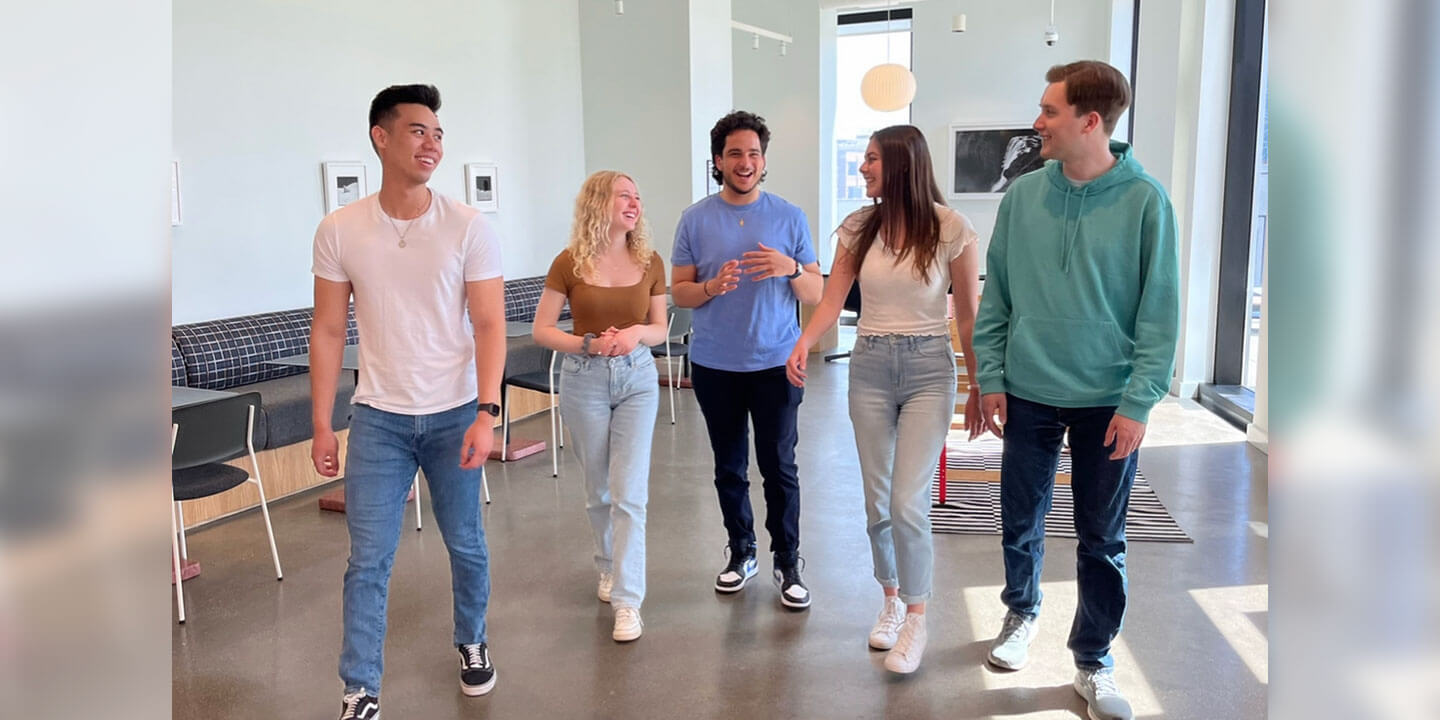
    read more
  • Camping is Good for the Soul

    by Maeve Murdock

    A campsite with three tents in the foreground, with rising hills and the sunset in the background.

    Camping is good for the soul. No matter how much you hate dirt, bugs, non-perishable food, or sleeping on the ground, camping for a few days out in nature can do wonders for your mental health and perspective on life.

    In August of 2021, a group of 10 friends and I landed in the midst of towering mountains in St. Elias-Wrangell National Preserve. St. Elias-Wrangell is our largest national park, containing 13 million acres, and is found in south-central Alaska. So remote, we were flown in from Tok, Alaska on a 3-person plane in 4 separate rounds. The trip and transportation were organized through Xavier Expeditions, an initiative at Xavier University to introduce students to the beauty and peacefulness of nature. 

    Camp Set Up

    Dropped in the remote wilderness, surrounded by a mountain range, the only sounds we could hear were the rush of the river and the soft wind. We kept our food in bear barrels, large metal barrels that conceal the scent of food, in an effort to keep the bears from venturing into our camp. Any time we cooked, all the food was required to be eaten–otherwise the bears would be attracted to our camp. At night, we traipsed into the thick of the trees to sling the bags of food over the branches above, keeping them out of the bears’ reach. As you can tell, many precautions were necessary for our safety. 

    read more
  • Disclosing Disability on Campus: Risks and Rewards of Accommodations in College

    by Yvette Pegues

    Two tall library bookshelves with an empty electric wheelchair in the aisle between the shelves.

    To borrow and expand on a bit from science fiction writer Jane Espenson: if we can't embrace disability inclusion in campus life, then what is the point? You don't create new future leaders with the same limits as the old ones.

    Disability, by nature, is diverse. Just as many others born into a state of being or find themselves adapting at the turn of life, disabled individuals are often on the brunt end of acceptance. Considering that a disability can be visible or invisible, it may not be intentional, but the fact remains - inclusion and representation matter.

    The National Center for Education Statistics reports that 19% of on-campus undergraduates had a disability (2015-2016). Of that number, only 30% completed their studies, and the remaining dropped out, citing a lack of resources.

    There Are Inherent Risks to Lack of Representation

    Incomplete studies are just the beginning of the lack of disability inclusion. Generally, when the qualms of inclusion are discussed, they are framed in a manner that does not extend beyond wheelchair accommodation and other minimal approaches. While this allows students with some selective disabilities to participate in class with their peers, it still symbolizes just how different their campus experience may be.

    Visible and invisible disability inclusion is more than preparing students to be a mere oversight in a sea of workplace conformity. It should focus on how students can rise despite the disability they are experiencing.

    Disability Inclusion Is the Key to Impact Among College Campuses

    When a person's natural state of being, regardless of what it may be, is nurtured, it allows them to fully blossom into the best versions of themselves. Investing in the social, athletic, and cultural inclusion of disabled individuals on college campuses is a step in that direction.

    Reportedly, the number of students with a disability who participated in campus activities such as clubs and other on-campus events is significantly lower than their non-disabled peers.

    When a student has a disability, inclusion can be more difficult to achieve. Students with disabilities are less likely to disclose, attend, or graduate from college campuses with architectural and attitudinal barriers that are bottlenecking diverse workplace pipeline, talent, and innovation.

    However, imagine the confidence rooted in encouraging participation by showing the uniqueness and adaptability of disability possible, accommodated, and celebrated. Disability inclusion is the catalyst that colleges need to increase the graduation rate amongst disabled undergraduate students and move the needle in an upward direction on the percentage of disabled individuals in the workplace.

    Reworking the framework of diversity inclusion looks like addressing the inclusion gaps on college campuses by encouraging representation throughout the many factors of higher learning, ranging from the classroom to the campus yard. The risks associated with overlooking the importance of diversity inclusion go hand in hand with the rewards of changing the narrative and taking a step forward in eliminating the challenges.

    Do you have a compelling story or student success tips you’d like to see published on the Pearson Students blog?  If you are a college student and interested in writing for us – click here to pitch your idea and get started! 

    read more
  • My Hardest Goodbye

    by Gina Condit

    A Miami University campus building with colorful red and white flowers in front.

    Choosing a college when you’re in high school seems like the hardest decision in the moment. I remember being torn between the University of Cincinnati and Miami University. Both were close to home, and I had family at both colleges. Tours and months later, Miami University blew me away and my decision became easy; I knew it was where I wanted to spend my college years. Now as I approach graduation, two features stand out that helped make Miami University my college home.

    Campus Beauty

    My favorite thing about Miami University is the environment and the beauty of the campus. I look forward to walking to class because of the activities that are always happening, the unique brick buildings, and the flowers all around campus. Miami maintains the same brick design from building to building, creating a cohesive college campus look. And the inside of the buildings is even prettier. I spend the majority of my time at The Farmer School of Business where piano is playing and students are studying. I also love the trails and walkways throughout the campus and am making it a habit to explore them every week before I can’t anymore. I only have one short month left here at Miami University; I don’t know how time has flown by.

    Lasting Community

    From the forever friends I’ve made, the professors who’ve taught me lessons professionally and personally, and the memories I’ll never forget, Miami University will always be a home in my heart. My friends became family to me, and I couldn’t imagine going through college without them. The professors on this campus truly care about their students more than just how well they do in their classes. The professors are more like mentors at Miami who you can ask for advice, guidance, and real-life experience. I’ll carry the memories and their words of wisdom with me for the rest of my life.

    My advice to anyone looking at colleges and going through the application process is to tour every campus, go outside your comfort zone, and listen to the people on those campuses about their experience. College is only 4 years, and it goes by fast. The choice seems hard, but you can never make the wrong decision in the long run. The decisions you make will bring you friends, mentors, and memories like Miami University did for me. College is an exciting time in life, and I am blessed to have had the experience I had, making it my hardest goodbye.

    Do you have a compelling story or student success tips you’d like to see published on the Pearson Students blog?  If you are a college student and interested in writing for us – click here to pitch your idea and get started! 
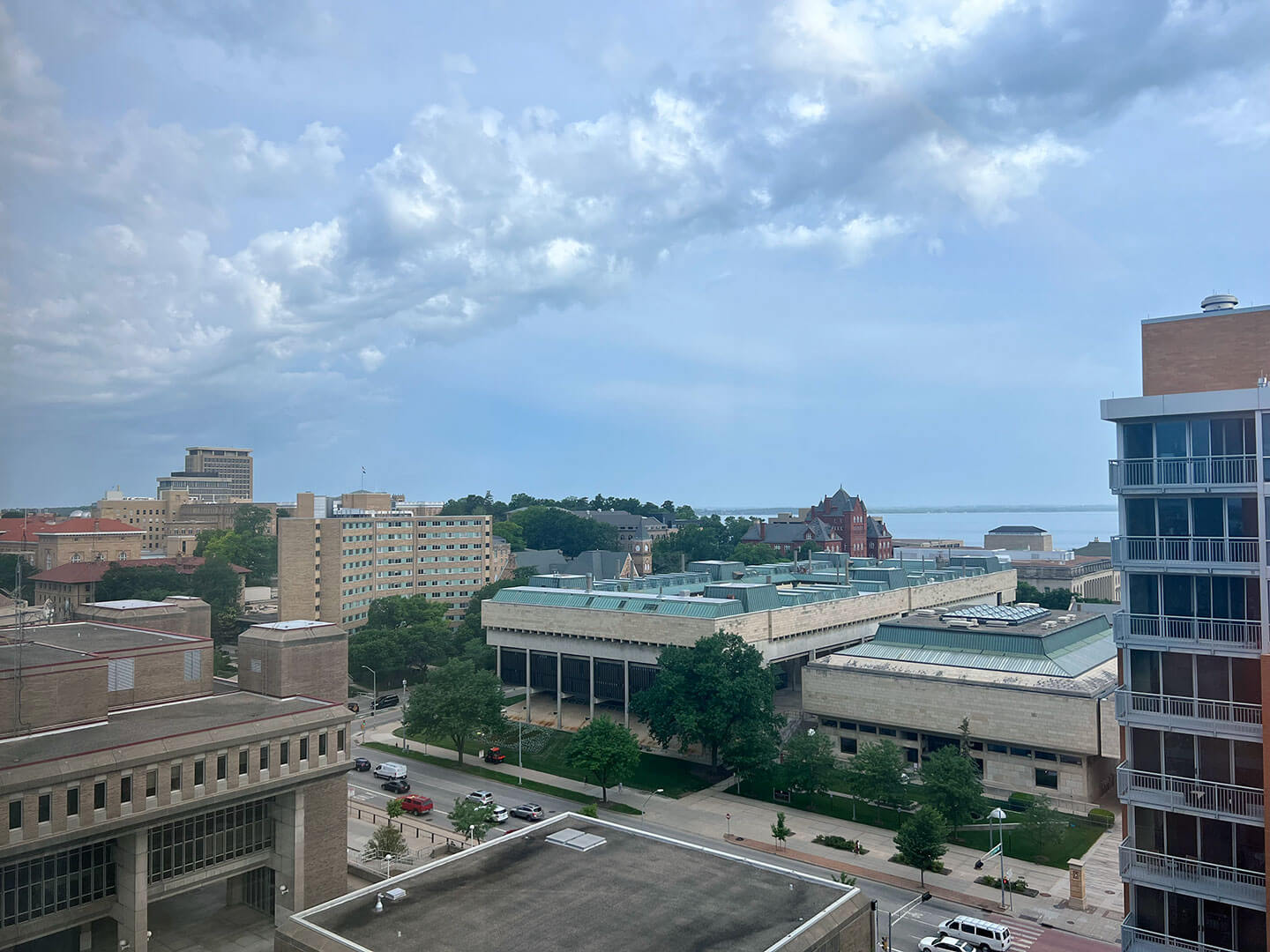
    read more
  • An Out-of-State Student’s Guide to Handling Homesickness

    by Casey Murphy

    A landscape photo of a college campus in silhouette in front of a sunset sky with white clouds.

    When I was in high school, I had a romanticized vision of moving away from home for college. New scenery, new friends, finally escaping my hometown. When I found the University of Vermont, it was a match made in heaven. I fell in love with the campus, the mountains, and counted down the days until move-in day. The reality did not hit me until my parents drove away from my freshman dorm, leaving me 6 hours away from home. It all came crashing in on me. I was alone.

    I tried to suppress my homesickness by keeping busy and pushing the thoughts of home away for many weeks. Yet, that made those emotions hit harder when they bubbled to the surface. The newest chapter of my life was starting, and while I was excited, I had to navigate those emotions and fears that came from moving away for the first time.

    A lot of responsibility and expectations fall on your shoulders in college. It can be hard to keep a handle on the emotions that come with moving far away. Here’s some advice that I wish I had known earlier that helped me deal with my homesickness!

    Don’t compare your difficulties

    While it is hard, try not to compare your college transition to others. Your emotions are valid and unique to you. Some people have no problem adjusting, but that does not mean you cannot struggle a little! Most college kids are 17 or 18 when they move out. We are still kids, even though we often have adult responsibilities. It’s natural to be nervous, but you are as capable as the next person to have a successful college career.

    Identify your fears

    Take a moment and identify the cause of your emotions. What am I scared of? What do I specifically miss? Who do I miss? All these questions are essential to organizing your thoughts and making a plan to work through them. Once you identify the root of your emotions, things become a lot clearer, and a solution seems more doable.

    Make new connections

    Try and get yourself out there! Many colleges offer lots of activities the first week on campus, so get involved! Talk to other people, explore club fairs, take in the school spirit. Get out of the dorms and make some acquaintances! With each week that goes by, set small goals to introduce yourself to neighbors in your building, talk to someone in line at the dining hall, or strike up a conversation with older students. These connections are vital in establishing a new friend group and family away from home.

    Bring a little bit of home along

    Make your room a safe and comfortable environment. Dorm rooms seem plain and boring when you first arrive, but this gives you a unique opportunity to put your personal touch on a blank canvas. Put up pictures, trinkets, or other things you brought from home. This can bring a sense of comfort after a long day. Bring a little of home to your new college home!

    There are so many changes that happen when you go away to college. Sometimes they hit you immediately, sometimes they hit you later. Your expectations can affect how you perceive this difficult transition that looks different for everyone. Though it is hard, hopefully these four tips can help you get through this homesickness.

    Do you have a compelling story or student success tips you’d like to see published on the Pearson Students blog?  If you are a college student and interested in writing for us – click here to pitch your idea and get started! 
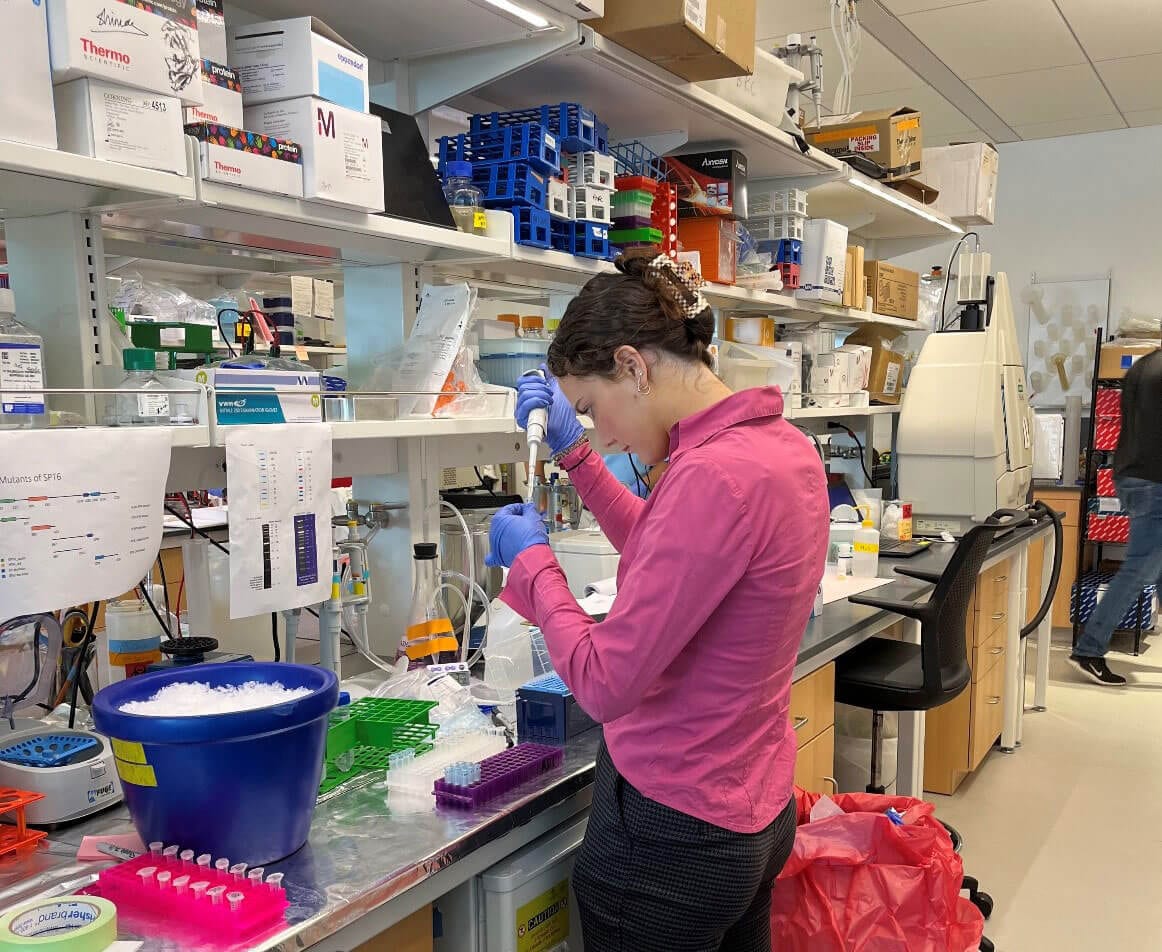
    read more
  • Incorporate Sustainability into Everyday Decision Making

    by McKinley Falkowski

    A group of 5 college students are chatting in a lobby.

    Climate change is an issue already affecting how we live. It seems like once-in-a-century storms happen all the time now! Businesses, governments, and regular folks need to take action to ensure that we avoid the worst of climate change by reducing our carbon footprint.

    As consumers, we need to start incorporating sustainability into our purchasing and disposal decisions as the products we use may have a major impact on the environment. Here are five things that you can do to incorporate sustainability into everyday decision making and reduce your carbon footprint:

    1. Shop Regularly at Local Farmers Markets

    By shopping regularly at your local farmers market, you reduce the amount of fuel needed to bring that fruit or vegetable from a farm thousands of miles away to just in your backyard. According to the Environmental Protection Agency, the transportation sector generates the largest share of greenhouse gas emissions in the United States, and simply by changing purchasing habits you can reduce the demand for distant food and help local farmers in your community!

    2. BYOB – Bring Your Own Bag

    How many times have you gone to a grocery store to have your groceries placed in plastic bags only to be thrown out later? Plastic bags are incredibly wasteful, as the production of these bags are energy intensive, and it will take that bag over 1,000 years to break down! If you’re looking to reduce your carbon footprint, consider buying a re-usable bag as this will eliminate the need to use plastic bags.

    3. Donate Used Clothes

    Another easy way to incorporate sustainability into your everyday decision making could be to donate used clothes, so long as they are still wearable, to thrift stores or other used clothing stores. Clothing waste is terrible for the environment, and if you can limit how much waste enters landfills the better the environment impact.

    4. No More Plastic Water Bottles

    Plastic bottles, like plastic bags, are extremely unhealthy to the environment. I recommend buying a stainless-steel water bottle as it will cut the need for you to use a plastic water bottle. Stainless-steel water bottles are BPA free, contain far fewer chemicals then plastic, and help keep mold, and other bacteria at bay.

    5. Compost Your Food Waste

    Composting your food waste is fantastic for the environment as it reduces carbon emissions from food waste decomposition, and it sequesters carbon already in the atmosphere! Additionally, composting helps keep food out of landfills which are a big contributor to climate change. I have a compost bin in my back yard, and I absolutely love it! I use the composted soil to plant my own vegetables!

    We all have a role to play in combatting climate change. Doing your part to incorporate sustainability into everyday decisions is both fun and good for the planet!

    Do you have a compelling story or student success tips you’d like to see published on the Pearson Students blog?  If you are a college student and interested in writing for us – click here to pitch your idea and get started! 

    read more
  • What Advocacy Can Look Like in College

    by Sarah Peters

    Blog author Sarah P is standing outside and holding a sign that reads, ‘Repro Rights are Human Rights’.

    As young people in college who are studying and preparing to become the next generation of active members of society, advocacy is one of the most important skills that you can learn and apply to your education and campus involvement. Some people experience disadvantages, lack equal opportunity, and face discrimination based on their socio-economic status, race, ethnicity, gender, or sexual orientation.

    If you are a college student and looking for ways to make a change, here are some ways that you can get involved on your college campus to advocate for equity and instigate progress within your community to ensure that all individuals are guaranteed the opportunity for success and a healthy social, academic, and workplace environment while embracing their identities and the diversity that they bring to the community.

    Get Involved with Student Government

    The first activity that I enrolled in when I arrived at college was the undergraduate student government. After going through an interview and application process, I had the honor of being selected as a member of the University of Missouri’s First Year Council. Not only did I make friends and feel closer to my community, but I was able to build my leadership skills, get further involved in student government, develop professional connections that led to internships and part-time positions, and advocate for the students to create a better college experience for everyone on campus.

    Through my student government, I had the honor of meeting with various members of my university’s administration to discuss ways to benefit the student wellbeing on campus. I felt that I could amplify the voices of students on campus by voting on legislation and policies that the students create.

    Oftentimes, student government can be overlooked by many students. If you’re interested in the legislative lens of advocacy through policymaking as a student, I encourage you to reach out to a member of your undergraduate student government! I guarantee that your student government would love to have you get involved.

    Listen, Learn, and Educate

    One of the easiest ways for injustice to occur is when people refuse to listen or believe people courageously speaking about their experiences. Some people may feel uncomfortable by talking about social justice issues, which can lead to shutting down, reacting inappropriately, or refusing to believe the person speaking. Not only are these harmful ways to deal with serious topics, but it can worsen the issue and deeply hurt the people that are advocating for better treatment.

    It’s important to recognize that remaining ignorant to contemporary issues is not going to create any progress or help anyone, and the wellbeing and prosperity of others is the most important thing when it comes to maintaining or developing a healthy community. It serves as a benefit to everyone when you listen to others when they’re speaking about their experiences, learn from what others have to say, and educate yourself on important topics that need advocacy. Another way that you can advocate through educating is by correcting peers, family, and friends if you're hearing hurtful or unjust language being used.

    Attend a Rally or Protest

    Some outlets that you can use to stay updated with upcoming rallies, protests, or gatherings are social media, student media, local newspapers, and flyers posted around campus. If you notice an issue on your campus, don’t be afraid to be a leader and organize your own rally or protest! On-campus clubs and organizations often are involved with rallies and protests, so you can always communicate with an on-campus organization to help arrange one. This is a great way to raise awareness by getting your peers actively involved in solving problems that are negatively impacting your community.

    If you find yourself in a situation where you’re unfamiliar or unsure of how to respond or help someone, you can never go wrong with responding with empathy and humanity. Advocacy is one of the best ways to give back to your community. Living in this world is a group effort, and advocacy is the price that you must pay to be a part of the team.

    Do you have a compelling story or student success tips you’d like to see published on the Pearson Students blog?  If you are a college student and interested in writing for us – click here to pitch your idea and get started! 

    read more
  • Living with Student Debt Pre-Graduation

    by Hannah G. Brennan

    An aerial shot of the University of Wisconsin-Madison campus.

    Student loan debt has been a newsworthy topic recently. There are definitely pros and cons to borrowing money to pay for college. Here’s my experience with how taking out loans can provide both a path to greater learning as well as greater student debt.

    As part of the first generation in my family to go to college, I knew it would be no easy feat — let alone a small bill. I sometimes think back to who I was when I was choosing a college. I was just an 18-year-old kid eager to get out of Chicago, make new friends, and take the world by storm. I did not know what new roads college would lead me down, but I did know that I wanted a fresh change of scenery. I got just that by taking out loans and heading up to Wisconsin.

    After getting sent home in the middle of my second semester due to the pandemic, I realized my student debt was turning out to be more of a mountain than a hill. I was very fortunate to have received grants and scholarships that put going out-of-state on my radar. But still, the loans I did have were enough to create a panic that was starting to set in. I had trouble sleeping and could think of nothing else for weeks.

    How will I pay all this money back? Will my quality of life be worse than my peers who did not need loans? Did I make the right choices? — These are questions I asked and still ask myself.

    At 19 years old with no clue what I wanted to do to earn money after graduating, I did not know how I would deal with this money mess I had created. Not knowing how I would solve this problem scared me and watching many of my peers not have this same fear frustrated me.

    But over time, I have found that the best way to cope is by changing my perspective. I am learning to look at student debt as much more than a bill on the kitchen table. Instead, it is a representation of my stepping into adulthood and taking control of my education, my career, and my life. Some days the stress still gets me down, but most days I feel as though it is fueling me to succeed even more.

    I do not intend for this piece to serve as any kind of financial advice. I certainly did not make my college choice based on what was most financially sound. However, I did make my college choice based on what I wanted. I chose the option that was right for my future and that felt right becoming my second home.

    I cannot go back in time and undo what I have done, but I like to think that if I did go back, knowing what I know now, I would not have chosen differently. I firmly believe that everything happens for a reason. If I had not chosen to take out loans and go to the school I did, I would not be the person I am today. And I would not be as responsible or as grateful for every minute of my college experience.

    I don’t want financial worries of the future tainting my experiences in the present. When I start to feel the pressure like I did freshman year, I take a deep breath and look at pictures from all my happy memories at school these last few years. I could not imagine them being taken anywhere else, and that keeps me grateful and reminds me that everything is going to work out.

    Do you have a compelling story or student success tips you’d like to see published on the Pearson Students blog?  If you are a college student and interested in writing for us – click here to pitch your idea and get started! 
    read more
  • Why You Should Consider Academic Research

    by Maeve Murdock

    Blog author Maeve Murdock at work in her research lab. She is using a white tube to insert a liquid into a test tube.

    Typically, people interested in science are immediately asked if they’re pre-med. The conversation normally goes something like this:
    Them: “What’s your major at ND?”
    Me: “Biological Sciences!”
    Them: “Oh my gosh, that’s awesome. Are you pre-med?”

    I plan on pursuing a PhD post-grad, and I strongly believe more attention needs to be drawn to academic research. People paint this picture of those in research as highly introverted, antisocial, and uber-competitive. While I can’t universally disprove this rhetoric, I’m here to make you think twice and to share why I personally love biological research. 

    Find The How and The Why

    Biology is the study of living organisms. When you think about it, we, as humans, have millions of little molecular machines going nonstop, keeping us alive, regulated, and energized. Studying for an exam within one of the areas of biology is one thing. Performing research to uncover a new truth in the field is another challenge entirely. Not only must you completely understand all the fundamental concepts related to your field of work, you must think innovatively and creatively about very complex ideas. Rather than the “what” of biological processes, you begin to consider the “how” and the “why.” Why is this family of genes expressed in these conditions but not in those conditions? How could this protein play an instrumental part in this unknown signaling pathway?

    It Takes Intense Focus

    Biological research has a degree of attention to detail that I had never previously experienced. You cannot space out for even one moment in the lab because you'll forget which reagent you put in which sample so far, label something wrong (which then can ruin weeks of work) or contaminate thousands of dollars of reagents. Yes, I’m speaking from experience–I’ve done all of the above. It takes mental stamina and experience to apply the highest levels of critical thinking and attentiveness for many hours at a time. 

    There Is Always Room for Improvement

    In addition to abstract thinking, an endless skillset accompanies biological research. As soon as I begin feeling comfortable with one procedure, I’m expected to multitask that procedure with two or three new ones, jumping on incubation periods of 10-15 minutes as an opportunity to make progress on my other experiment. The other side of that coin, though, is that there is always more to learn. Much of the results of my experiments are quantifiable data–results that are good or bad. I find it a fun challenge to always try to improve my performance on an experiment compared to my previous attempt (less background signal, higher DNA concentration, faster speed, etc.). 

    Think Beyond the Stereotype

    If you like science, research can be a very fun, stimulating way to apply your passion and knowledge to push the medical field forward. Though researchers rarely get much credit, they are the reason our medical treatments continue to improve so rapidly over time. And as for the stereotypes I mentioned earlier, my lab is full of very social people. We have happy hour, networking events, and occasionally take a quick break to walk to the farmers’ market together. We are collaborative, and every member of the lab contributes to others’ work in a meaningful way.

    If you are interested in getting started in academic research on your campus, talk to professors to learn more about the process. Explore academic departments that interest you. Reach out to current classmates involved in academic research for ideas on how they discovered their research opportunities.

    Do you have a compelling story or student success tips you’d like to see published on the Pearson Students blog?  If you are a college student and interested in writing for us – click here to pitch your idea and get started! 

    read more
  • Learning About My Ancestry via European Heritage Days

    by Emilie Conners

    Blog author Emilie as a young girl sitting on her mother’s lap on a couch. Next to them is Emilee’s Belgian grandmother.

    European Heritage Days are traditionally held each September across the European Union, and feature cultural events highlighting local skills and traditions, architecture and works of art. The broader aim is to bring citizens together in harmony even though there are differences in cultures and languages.

    These days have come to mean a lot to me because, while my father’s side of the family is from the U.S., my mother and her whole side of the family are from Belgium. It has always been really important for me and my family to acknowledge my European heritage, especially growing up in the States. Understanding and learning more about my heritage is something that I have come to realize is so valuable especially as I have gotten older.

    Digging deeper

    Growing up with parents from two different countries teaches you a lot about the importance of culture and the permanent stamp it leaves on your identity. When I was younger, I never really paid much attention to my Belgium heritage. because it didn’t feel as significant due to the fact that all of my mother’s side of the family still live in Europe and so we don’t get to see them as often. However, this doesn’t make my European heritage any less important; it just means I have to dig deeper to learn more about it.

    Learning to represent

    It wasn’t until I started asking my mom more questions about what her life was like as she was growing up and before she moved to America that I realized the impact of her life experience has on who I am. Knowing where you come from and the types of cultures your parents were raised in can help you better understand why you are the way you are, and how you got to be that way. The valuable stories, pictures, and glimpses that I get into my mom’s European customs help me better represent my family and my heritage.

    Keeping traditions alive

    Even doing something small like asking my mom to teach me a recipe her mom used to make helps me learn more about some of our Belgium traditions which are just as important as our American ones. Getting to experience two different cultures growing up is a beautiful thing to be explored, understood, and appreciated. I am so thankful for the different pieces of heritage that have come together to help me become who I am today. Additionally, I am thankful for my parents for always striving to show me the importance of both cultures and raising me to be curious about my roots.

    I would urge you to ask your parents about their stories, traditions, and ways that have made an impact on you. There is so much to learn about where you come from and what makes you, you. It’s never too late to start embracing your culture and striving to learn more about your family history.

    Do you have a compelling story or student success tips you’d like to see published on the Pearson Students blog?  If you are a college student and interested in writing for us – click here to pitch your idea and get started! 

    read more
  • A Triple Major’s Guide to Not Freaking Out

    by Maggie Parker

    Blog author Maggie Parker took this photo of a colorful sunset in Syracuse, New York.

    College students all have a lot of responsibilities to tackle. Some are involved with sports at varying levels, some are part of clubs, some have a job, and some (like me), made the crazy decision to do all three of those and more. I’m a student at Syracuse University with a triple major, a member of two club sports teams, a member of a sorority, and hold two jobs. I’m busy to say the least. In addition to all my commitments, I know how important it is to take care of my mental health. Over the past couple of years, I’ve accumulated a number of helpful strategies to help manage a balance of work and fun while also taking care of myself. Here are my top 5 tips:

    Make A Schedule

    Some prefer digital calendars, some prefer the classic pen and paper, but either way creating or updating a calendar with your daily schedule is the best way to stay organized when you have a lot on your plate. I personally use Google calendar and color code my schedule based on if the commitment is for school, work, or an extracurricular activity. This lets me see my whole week ahead clearly, and I can access my schedule on my laptop or my phone when I’m on the go.

    Plan Time for Yourself

    Related to my first tip, scheduling time for self-care into your calendar can be incredibly helpful if you find yourself struggling. I personally try to go to the gym 4-5 days a week, even if it’s only for 30 minutes, because I know that moving my body is super important for my mental wellbeing. I put my gym times into my schedule at the beginning of the week, so I don’t have to worry about trying to fit it in on a day-by-day basis.

    Prioritize Sleep

    Believe me, I understand that making time for a full 8 hours of sleep isn’t always possible. However, trying to make an effort to get the right amount of sleep for you is one of the best ways to take care of yourself. Not only will getting enough sleep make you feel better, but it can also help you perform better in academic pursuits. To maximize sleep, try reading a book or journaling instead of looking at your phone right before bed.

    Prioritize Assignments Appropriately

    While I’ll never fully recommend skipping one commitment to finish something for another, it can be helpful to prioritize things like assignments based on how the grade is weighted or how lenient the professor is on late work. For example, when I’m having an unbearably busy week, I know I can let an assignment for a certain class slide because I know the professor accepts late work. For another class, however, my professor is super strict, so I always make sure to get my assignments for that class in on time. Check out this blog with more time management strategies like this.

    Have Fun!

    College involves a lot of academic and extracurricular commitments, but there are also so many opportunities to be a young adult and have fun. Whether you want to have a night in with your friends, go out to dinner, or go to a sporting event, take advantage of this time of your life, and take a break from the struggles of academia. Having fun with friends is one of the highlights of the college experience, so try to make time for it when possible.

    Do you have a compelling story or student success tips you’d like to see published on the Pearson Students blog?  If you are a college student and interested in writing for us – click here to pitch your idea and get started! 
    read more
  • Creating a Home Away from Home

    by Janay Pope

    A picture of the blog author’s campus with the words ‘Welcome Home & Away’.

    Whether you are a freshman moving into your dorm, a senior living on your own, or a transfer student getting adjusted to a new school’s structure, being away from home can be a unique, exciting moment in your life. Yet, it can also be stressful or, at times, lonely. It is a new experience for some college students to make new friends and explore a new community independently. Many college students go through a period where they realize they can start over but do not know how to start or feel awkward exploring a new environment. Here are some lessons I’ve learned on making new friends and creating your new home away from home.

    Finding Resources

    Moving out of the house away from one’s parents may seem like the highlight of college, but no one prepares you for feeling homesick or feeling like a stranger in a new community. This was the case for me coming from Michigan, moving to Oxford, Ohio, and later transferring to Florida A&M University located in Tallahassee, Florida. I went from a virtual space during my first and second years to an in-person experience, so getting involved on campus was challenging. It felt like everyone had a head start because they had already been there. One of the ways I overcame this was accepting guidance from faculty, joining on-campus and off-campus organizations, and connecting with local businesses where I could meet people in the same situation as me but who came from different backgrounds.

    Getting Connected

    A great way to get connected is to get involved with events on campus. Most will have back-to-school events to kick off the new semester. If you prefer to leave campus, get involved in the community. Some towns may seem small, but sometimes less is more because there is beauty in simplicity. Here is a list of things to do that may spark ideas to explore the community around you.

    • Local theater
    • Festivals / carnivals
    • Restaurants
    • Community/botanical gardens
    • Flea markets & local markets
    • Local sports teams involvement
    • Car shows, museums & local competitions

    These are just a few general ideas of what you could explore. I recommend getting familiar with the behavior of the city you are in. Is it a quiet town or a city that never sleeps? Finding where a town is in terms of characteristics will help you find your space and maybe even create one of your own.

    Creating a Space for Memories

    Whether you’re in a dorm or apartment, decorate your room or space until you can’t anymore. Hang pictures and leave space for new memories you will make. If there’s a Pinterest post you have always loved…recreate it! Make your space yours. If you have symbols of home, showcase them in your room and allow it to be a place of comfort when feelings of homesickness arise.

    Bringing Home Traditions

    Finally, it is okay to take home with you. One of the best experiences about living away from home is meeting peers who have their own traditions and coming together to explore those traditions. Just because a city does not partake in activities you experienced back home does not mean they are unwilling. It is important to celebrate where you come from and be introduced to others from different backgrounds. Create an event on campus related to something you did in your hometown or create new traditions with your friends. As you move through your college career, remember that home can be wherever you want it to be if you make it yours.

    Do you have a compelling story or student success tips you’d like to see published on the Pearson Students blog?  If you are a college student and interested in writing for us – click here to pitch your idea and get started! 

    read more
  • 4 Tips to Make Your First Year of College Easier

    by Josephina Hinds

    A student copies class notes from one notebook to another. There are also pens and snacks on the desk.

    College can be a scary thing and can sometimes feel like you are back in high school all over again. Let me assure you though that college is nothing like high school and can actually be a lot more fun. Here are some ways to make your first year just a bit easier.

    1. Don’t be afraid to go out and meet new people

    While it may seem like a very overwhelming thing to do, there are ways to make it easy. Campus-held events are a great way to get out and meet new friends. Most campuses will let you know in advice when an event is and what the event is going to be.

    Don’t be afraid to talk to the people in your major as well. This is a great way to connect with people who have the same interest as you.

    2. Put yourself out there

    Get your name out in the community. Join groups or clubs to get out there and make more connections. If your college has volunteer clubs, joining can help you make new friends and also help you get familiar with your new town if you aren’t from there.

    3. Get organized

    I was not organized when I was younger but trust me when I say that organization is going to be your best friend. Get sticky notes to keep in your books so you aren’t marking them up.

    Whether your college uses Canvas or another learning management system (LMS), there’s probably a built-in to-do list. Use it to keep track of assignments so you won’t fall behind.

    Set reminders in your own calendar of what assignments are due when and what time they are due. This will help you stay on track even when you aren’t logging into your Canvas or other LMS on a regular basis.

    4. Take time to yourself

    I can’t stress this enough when I say you need to take time for yourself. Look after your mental health and take time when you need it. Talk with your professors when you need a break and most of the time they will be understanding. Take the time to do what you love and relax every once in a while.

    While your first year of college can seem crazy and wild, be sure to take in those fun moments. Make new friends and just remember to breathe. Have fun in your first year of college – you’ve got this!

    Do you have a compelling story or student success tips you’d like to see published on the Pearson Students blog?  If you are a college student and interested in writing for us – click here to pitch your idea and get started! 
    read more
  • Making Friends in College

    by Ashanti Crowder

    Two female high school students are smiling and hugging in front of a Jeep vehicle. They are both wearing black dresses and the female on the left is wearing a green graduation cap.

    For many of students, the shift from high school to college can be an extremely challenging and nerve-wracking experience. For most students, it is their first time away from their families and friends, navigating through a new state, city, or town. Starting fresh and making new friends can seem like quite the hassle. As a sophomore attending my first year on campus post-covid, here are a few tips and tricks I’ve learned on how to make friends on campus:

    Get Involved

    Campus involvement is a great way to meet new people and build relationships. What does it mean to be involved? Being an involved student means you are an active member of clubs and organizations on your campus. Joining clubs that are aligned with your personal interests, beliefs, and ideas can help you connect with people that you have something in common with!

    Use Your Residence Hall

    Some of the first people you’ll meet in college are your roommates. Get to know them and build a connection, share your interest, and invite them to attend events with you. Many college relationships and connections are built by being in the same place at the same time. Try speaking to your dorm neighbor or attending activities your residence hall may be hosting.

    Social Media

    Most colleges have a student activities council or some form of event coordinator. Follow your school’s social media pages to stay up to date with events that are happening around campus. This is a good way to reach out to other students and ask if they’re attending events. Check your school’s page for incoming freshmen. There are tons of new students who possibly don’t know anyone on the campus; reach out to people and get to know them!

    Join A Work Study

    As college students a little extra change in your pocket is an opportunity most of us won’t pass on. Working on campus will not only help you get familiar with your school but help you gain job experience and, of course, meet new people.

    And Last but Not Least, Attend Class

    As I mentioned earlier, being in the same place at the same time is how most relationships in college form. Attending classes, lectures, and tutoring allows you to connect with others easily. Offer to create a study group or GroupMe for the class. This is a way for everyone to get to know each other. If this is too large of a step, start with introducing yourself to the person that sits next to you.

    Pushing yourself out of your comfort zone, even just a little, can make all the difference during your first weeks on campus. Be bold and take the first step to create friendships that will enhance your college experience and may last a lifetime.

    Do you have a compelling story or student success tips you’d like to see published on the Pearson Students blog?  If you are a college student and interested in writing for us – click here to pitch your idea and get started! 

    read more
  • Learning Through Intergenerational Connections

    by Miyu Nakajima

    Blog author Miyu Nakajima is wearing one of her vintage dresses, a long pink dress with short, puffed sleeves and belted at the waist. She is also wearing black Converse sneakers and has a black cross-body purse. She is standing on concrete steps and is looking back towards something behind her.

    "​The sooner growing older is stripped of reflexive dread, the better equipped we are to benefit from the countless ways in which it can enrich us."​ –Ashton Applewhite

    My vintage dress collection is still minimal, but I’m proud of it, nonetheless. After finding my first one at the thrift shop, I still remember twirling around with glee way too many times in a 1950s Candi Jones pink floral dress. I just love how these dresses are meant for dancing, to make you sway side by side so that you can feel the fabric swish past. And I know that the previous owners of these pieces must’ve felt the same way. I love knowing that. I love knowing that somewhere, in another timeline, they too, also felt dolled up in these dresses. It’s a shared experience.

    In A Way, It Is Time Travel

    That’s why I love listening to older people talk about their past, nodding along as they describe their first heartbreak, their first time holding a baby, their wedding, and more. I know that I’ll get to that chapter of life one day and experience those same feelings, but for now, I just get to listen and, in a way, time travel.

    To Be Truly Wise Is to Learn from Other’s Mistakes Before They Become Yours

    As graduation approaches, I can feel the impending pressure to ensure I’m “adulting” and securing my future. However, I’ve learned that the best way to deal with this graduation anxiety is to talk with older people, particularly seniors who have so much wisdom. I encourage college students to connect with elders and be inspired to make an impact in the world that the seniors entrusted us with. You can find seniors to talk to at senior retirement centers, volunteer opportunities, and maybe even through family friends.

    The more I talk with seniors, the more I realize the importance of stepping away from the screen, enjoying the small moments (like dancing in a beautiful dress), and having an abundant mindset ready to tackle new experiences and learn from mistakes. Yet, despite all of this wisdom, our society perpetuates ageism. So many seniors have fought through obstacles like misogyny, financial crisis, and more, which inspires me to keep pushing through, despite it all. I hope that through intergenerational connections, I can learn not to be anxious about my future and continue to be a lifelong scholar who strives to turn the world into a comfortable place for our senior citizens, all the while swishing around in hand-me-down vintage dresses.

    Do you have a compelling story or student success tips you’d like to see published on the Pearson Students blog?  If you are a college student and interested in writing for us – click here to pitch your idea and get started! 
    read more
  • The Illusions of Social Media

    by Sadaf Nasiri

    An adult male with dark hair and beard is lying on his back with his head on a backpack. He is wearing headphones and looking at his mobile phone.

    "Social media isn't real life!"

    This is a common phrase we hear in our everyday lives as people critique the false reality of social media. Like other social media platforms, Instagram pushes forward this "perfect" reality of others around us. While it is nice to see what our favorite celebrities or influencers are up to, is it worth the cost of it ruining our perspectives of our own lives and directions?

    Be On Your Guard

    To be frank, I find myself also getting lost in the continuous scrolling process. It is nice to connect with those we know from the past or present and possibly connect to new people in the future, but we all have to play some form of devil's advocate when it comes to social media and how it can impact our lives. Social media has the power to distract us with even the smallest thing such as an ad or a picture. The control that social media has obtained over the years is quite frightening, but who can we blame for this?

    Increased Pressure

    It is so hard to pinpoint the villain in this narrative when we all contributed to the rise of social media in this day and age. The pressures of being suitable for society’s norms are already high enough, but social media just increases this pressure as it pushes people to believe that they must be the best or at least present themselves as the best.

    False Reality

    Other technologies, like photoshop, filters, and other editing tools help create the illusion of perfection and attainability of society’s high standards. A good portion of people use these every day or on social media. I can say that I do too because it is so common now to use one of these tools. However, at the end of the day, we need to realize that all these things aren’t 100% true as they seem. We need a reality check to make sure we aren’t consumed by the high standards and pressures presented through social media and society.

    We are human beings who were designed to be ourselves and be authentic to that. Keep that in mind the next time you’re scrolling through social media and see an influencer’s post that makes you ever doubt yourself. Because deep down, we all struggle with the illusions of social media and the impacts they have on us.

    Do you have a compelling story or student success tips you’d like to see published on the Pearson Students blog?  If you are a college student and interested in writing for us – click here to pitch your idea and get started! 
    read more
  • Find a Way to Balance School and Life Now to Avoid Regrets Later On

    by Courtney Lally

    A young female college student with long blonde hair is sitting at student desk, looking at a laptop screen and taking notes.

    As a college student taking many difficult classes, being a part of different organizations, and wanting to have time for a social life, it becomes difficult to find a balance. I often found myself spending too much time locked in my room doing homework and studying, therefore missing out on time spent doing the things I love. I don't want anyone to make the same mistakes I made and have senior year come wishing you would've spent more time doing those fun things. Don't worry, though, you can learn from me – here is how I made adjustments to create a healthy balance between school and life.

    Mindset Makes Everything

    I grew up with two very strong, independent parents and two brothers. My brothers pushed me to be more of a tomboy instead of a girly girl, and I often was judged for it throughout my elementary and middle school days. People would say mean things and I was grasping for something that could make me special, because clearly it was not my appearance, the sports I played, or my voice. I discovered that when I put more time and energy into school, did the homework, and studied a sufficient amount, I easily earned A’s. With this, I was the valedictorian of my 8th grade class, and I went into high school having the same mindset – get all A’s to prove you are worthy. I did exactly that in high school and felt very confident about myself due to my performance in school.

    I assumed that the way I had operated up until my senior year of high school would be perfectly fine to replicate in college, but boy was I wrong.

    You Are Inherently Worthy No Matter What You Achieve

    I spent my first three years of college doing the exact same thing – going to class and doing homework until it was time for bed. Hanging out with friends during the week was never something that occurred to me as an option. As I approached my senior year, I found myself being very depressed due to the fact that school consumed most of my life; I began to feel drained and unfulfilled. I realized that I couldn’t keep neglecting alone time and time with friends solely to get straight A’s to “prove myself.” The funniest thing looking back is that I’m not quite sure who I was trying to prove myself to – perhaps it was me, but it definitely wasn’t anyone else because I came to realize that they actually loved me beyond my academic performance.

    Reprioritizing ME

    I decided to make a crucial change in how I operated on a daily basis in order to refrain from missing out on the fun things in life. I began treating my schoolwork and fitness as a full-time 9 am to 5 pm job. As much as I hate waking up early, doing so has allowed me to attend class, get homework done, and spend time on my personal health. Once 5 pm hits, I make dinner and dedicate the rest of the evening to hanging out with my roommates and friends. This seemingly minor, yet impactful change improved both my physical and mental health while also allowing me to maintain my academic performance.

    Consider making this type of change for yourself. I promise you; you will not look back in 5 years and remember the grade you received in an economics class – you will remember the time you enjoyed working on yourself and surrounding yourself with those that you love. Learn from my mistakes and make adjustments now so you don’t have regrets at the end of your college years.

    Do you have a compelling story or student success tips you’d like to see published on the Pearson Students blog?  If you are a college student and interested in writing for us – click here to pitch your idea and get started! 

    read more
  • Differentiating Fact from Opinion in the News

    by Alyson Robinett

    A female student wearing a hoodie reading information from two computer monitors and a laptop screen.

    When did the news become about ratings instead of reporting what is truly happening in the world, and how can we know what to believe? College students need to be aware of why news outlets are biased and learn how to differentiate fact from opinion in the jungle known as fake news.

    Today, a person can name any news outlet and know what they stand for – what the outlet reports, whose side they support, and what “type” of person watches their channel. How did this happen? If it is the news’ job to report what is going on in the world, then a person should be able to watch any news station and hear the same information. Unfortunately, this ideal is not what occurs today.

    What Is Fake News?

    The news didn’t always operate like this. This phenomenon of reporting only one side of the story is called biased or opinionated reporting. It is also called Fake News. The media began to implement this type of reporting as people began to “[cancel their cable subscriptions] in favor of an Internet-based service” (Is Media Dividing America?), also known as cord-cutting. To convince people to keep their news subscriptions, news networks needed to keep people entertained. This doesn’t happen with facts; they needed to report opinions.

    Ratings Reign Above All Else

    News companies abandoned their integrity to keep their ratings high and keep people watching. They chose which side to support and kept their stories consistent with their side. This form of “news” “[appeals] to our emotions in many ways... It’s these emotions that keep us addicted to media,” (Is Media Dividing America?). If the news reported unbiased facts, then they couldn’t put their spin on the story to keep us coming back for more.

    Differentiating Fact from Opinion

    So, students know that news outlets are biased in their reporting and only support a certain side. How can they discern what is fact and what is opinion? There isn’t one right way to do it. It requires a lot of research on the topic, double checking claims from news outlets, and reviewing opinions from experts about the topic.

    How can people stop news outlets from reporting biased opinions? The truth is, they can’t. However, students can educate themselves in order to recognize the difference between fact and opinion.

    Source:

    Is Media Dividing America?” Paypervids, 24 Apr. 2021

    Do you have a compelling story or student success tips you’d like to see published on the Pearson Students blog?  If you are a college student and interested in writing for us – click here to pitch your idea and get started! 

    read more
  • Balancing School, Work, Internships, and Interviews

    by Rukmini Waranashiwar

    A female college student sits in a saucer-type red chair with a laptop in her lap. There is a large window behind her, a low round table in front of her and the chair next to her is empty.

    When first starting college, I always looked forward to having a relaxing senior year; however, that did not turn out to be the case. What I hoped to be an easy semester turned into me taking 12 credit hours, managing a Pearson micro-internship, working as a Pearson Campus Ambassador (PCA), and interviewing for full-time jobs. My life became incredibly busy. Although it seems like a lot, my past experiences taught me how to manage my time wisely.

    Increasing Responsibility

    This was not the first time I had to handle a chaotic schedule. During the Spring semester of my junior year, I took 18 credit hours, worked as a PCA, and completed an internship with a search fund. During that time, the best thing I did to manage school and work was to prepare for exams at least a week in advance. Since I would have multiple exams a week, internship deadlines, and PCA projects all coinciding, I couldn’t spend all day studying for an exam anymore. Learning how to space out my studying was extremely integral to my being able to manage other responsibilities on top of school.

    Helpful Habits

    The habits I built during that time made me confident that I could handle all that senior year had to throw at me. I’d learned how to space out studying so I could balance my academics and maintain my GPA, while still being able to keep up with other commitments. Another habit that helped me was to put all due dates onto a Google or Outlook calendar. I have a hard time keeping up with a written planner, however I am always on my laptop. Having those notifications pop up for things like internship meetings, job meetings, and even classes is super helpful. I keep up with all my deadlines and make to do lists for day-to-day tasks. Being organized is genuinely the most important thing to manage several projects at once.

    And something interesting I learned during these heavy semesters is that I work more efficiently when I have more to do. Having many deadlines helps me get things done faster because I know I don’t have much time to procrastinate. When I was in high school and my only focus was on school, I wasn’t as efficient with my time because I didn’t need to be.

    Although taking on more responsibility may seem daunting, it has proven to be rewarding. Both my PCA position and Pearson internship have provided me with so much experience to talk about during my job interviews.

    Take Time for Yourself

    Now in my final semester, I’m finding that carrying out a job search can feel like a full-time job on its own: preparing for interviews, updating my resume, and applying to jobs in between classes and during lunch. The best thing I’ve done for myself this semester is build time in to take breaks, like hanging out with friends, exercising, and treating myself to some ice cream. Taking care of your mental health is important to maintain your best self. I’m extremely thankful for all of opportunities I have had throughout my college career and hope to apply what I’ve learned during these busy semesters post-college.

    Do you have a compelling story or student success tips you’d like to see published on the Pearson Students blog?  If you are a college student and interested in writing for us – click here to pitch your idea and get started! 

    read more
  • Trying New Things: Study Spots Edition

    by Sidney Li

    An empty college classroom with a Smartboard at the front. Each student desk has a red chair.

    Studying is an integral part of any and every college student’s life. Eight out of 10 times that anybody asks what a college student is doing, they’re most likely studying. There are certainly popular spots that every college student seeks: libraries. Yet, these spots get quickly crowded and become so popular around midterms and final season. Here is a guide on other not-so-popular spots around campus that any and every college student can utilize.

    Empty Classrooms

    Mentally and physically separating work and play is crucial for any student. There are a variety of empty rooms that you could utilize when classes aren’t in session. It could be tricky to find one during the week because a class might need that space, too. Be flexible and ready to move, if needed. If you’re looking for a space on campus on the weekends, empty classrooms can be your best friends if they’re not locked after hours.

    Parks, Outdoors, and Green Space

    Being inside for multiple hours a day studying has its drawbacks, as you need some vitamin D from the sun. You could find a picnic table, bench, or even using Mother Nature herself by sitting on some grass while soaking in the sun. Having that breath of fresh air might help you stay more productive especially if you don’t need to use Wi-Fi and the weather isn’t crummy.

    Lounges around Campus

    Every university has sitting areas throughout their multitude of campus buildings for people to utilize between classes—so take advantage of these! I’ve definitely utilized some throughout my college career between classes or to grab a quick bite while reviewing notes for my upcoming class.

    Cafes and Dining Halls

    Who doesn’t like having food and drinks in one spot near where you’re studying for a few hours? I have spent an entire day studying in one of our campus dining halls during finals season because there is so much seating. As long as you have headphones or can tune out conversations and the hustling and bustling sounds easily then you’re practically golden!

    Student Union or Recreational Centers

    If you want to make your studying exciting, you can easily switch up your areas as it will help refresh your brain and even help remember your class notes easily. Every campus has community or recreational centers that often have common areas or even lounges set up for public use. Not only that, but you can take a studying break by working out for a bit or taking a walk!

    Next time you’re trekking towards the library for a three-hour study session, try out one of these new spots instead! Be sure to take advantage of the many different areas your college campus offers to get some work done.

    Do you have a compelling story or student success tips you’d like to see published on the Pearson Students blog?  If you are a college student and interested in writing for us – click here to pitch your idea and get started! 

    read more
  • It’s Never Too Late

    by Lee Ann Ridgley

    A view of the blog author’s desk featuring a desk calendar, computer keyboard, and a notepad with the quote in the blog from Maya Angelou.

    More than two decades ago, my college journey began, and I am still on that journey today. My pathway is one of heartbreak and loss, but also countless blessings. John Lennon sums it up perfectly with this quote, "Life is what happens while you are busy making other plans." I hope my story will encourage students of all ages to realize their educational dreams, no matter the magnitude.

    Change of Plans

    After high school graduation, I was ready to take on the world. My next step...college! I was an innocent teenager with a solid plan. I would attend college, graduate in four years, and become a teacher. January 11, 2000, everything changed.

    In the process of unpacking my dorm room, my Resident Assistant informed me I had a visitor downstairs. The elevator jerked to a halt and the doors slid open. I rounded the corner to find my dad standing in the lobby. He said we needed to talk. Immediately panicked, I asked if my mother was alright. "Yes," Dad said. I then learned that my older brother had been in a fatal car accident, I packed my suitcase and headed home.

    I didn't have a plan, but God did. I do not believe that Darrell's passing was necessary, but his loss has served countless purposes in my life, my faith journey, and my professional development into adulthood.

    Trust the Process

    As a younger student, I never imagined I would be the type of person to become so engaged in my education outside of the classroom much less emerge as a leader among my peers. But after returning to school as a non-traditional student, that is exactly what happened. My first accomplishment, being accepted into the Honors College on scholarship. I became the President of The Future Teachers Club, and soon after, I was asked to mentor new Honors Students and students in the lifePATH® Program. Currently, I have the blessing of serving as Pearson Campus Ambassador and writing this blog. Did I ever dream of being a blog author? Never! No matter your path, and it may seem arduous, trust the process. The world's most beautiful diamonds remain under pressure for billions of years before producing their ethereal glow.

    Parenthood

    Motherhood is a catalyst for my achievements, but raising children while working, going to school, and taking care of my home is not easy. Being a stay-at-home Mom has produced glory and if I dare say, a much stronger gut. It took time to learn how to do it gracefully. I understand the value of time, something that diminishes before our eyes. Now my children can experience their future dreams, goals, and accomplishments through my lens. I hope that my children will understand the importance of believing in themselves and holding themselves to higher standards. Every parent's dream is for their child to be successful and productive. What better way to help them achieve that dream than through modeling it myself?

    The Transformation

    My transformation started immediately, but I couldn't see it. After my brother's passing, I gained an unusual affinity for butterflies. Every single time I see one, I think of him. I cannot help but gasp at their weightlessness and their ability to be graceful as they appear to hop spastically through the air.

    What's your dream? It's never too late to start.

    "We delight in the beauty of the butterfly but rarely admit the changes it has gone through to achieve that beauty."

    –Maya Angelou

    Do you have a compelling story or student success tips you’d like to see published on the Pearson Students blog?  If you are a college student and interested in writing for us – click here to pitch your idea and get started! 


    read more

Archive

  • All Results