Up Close with Animals Down Under
Australia, the land Down Under, is known for its unique and often terrifying wildlife, from giant spiders and snakes to creatures seemingly from a survival documentary. But alongside those fear-inducing legends, Australia is also home to some of the cutest animals on Earth. Wallabies, koalas, and brilliantly colored birds prove that not everything in Australia is trying to kill you; some of them just want to nap in a tree or hop by your side.
Traveling to Australia allowed me to see wildlife in living, personal environments, not just in pictures or behind glass. These encounters reshaped how I think about animals and the growing connection between humans and their habitats.
Close Encounters at Featherdale
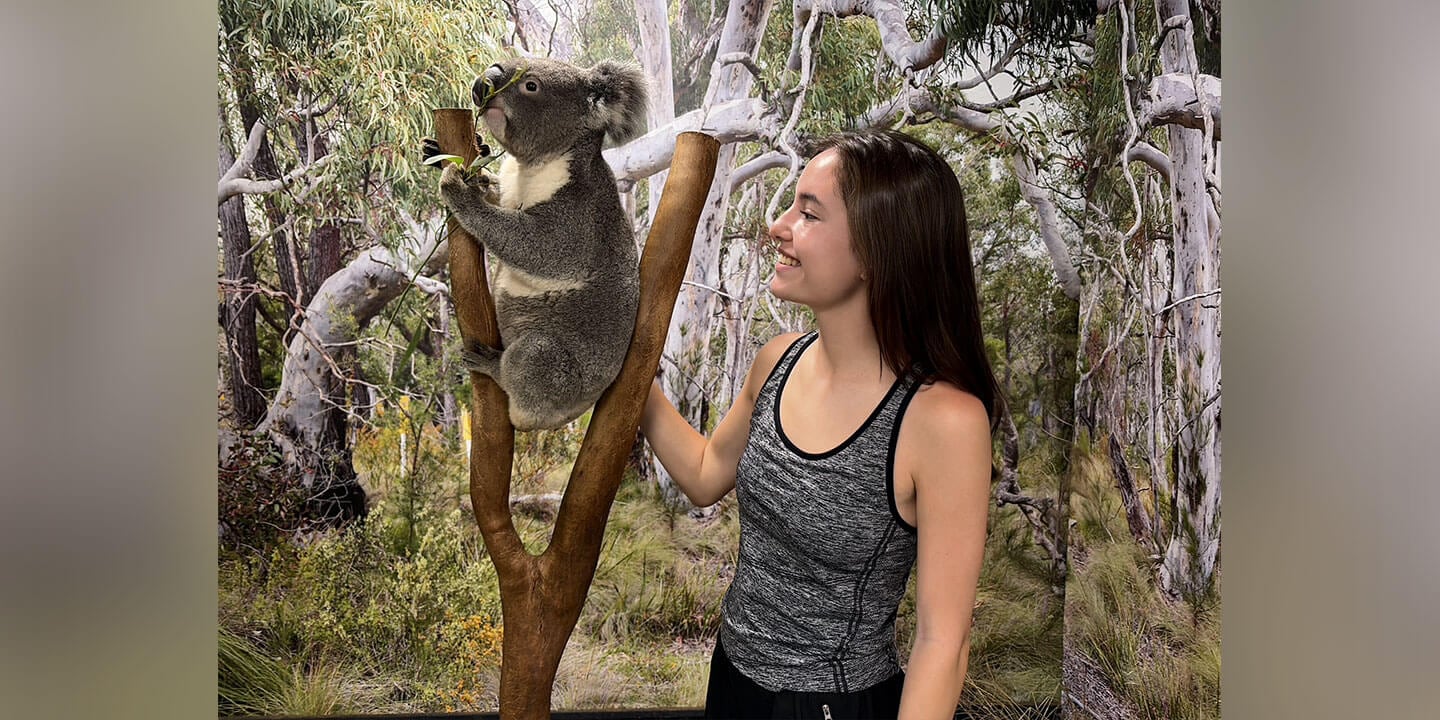
Just outside Sydney, I visited Featherdale Wildlife Park. I saw wallabies hopping freely and koalas sleeping twenty-two hours a day in eucalyptus trees (a full-time student’s dream)! Being just a few feet from these animals made them feel less like distant symbols of Australia and more like individual living beings.
What struck me most was learning about Featherdale's origins. It opened as a wildlife park but later expanded into a hospital and rehabilitation center for injured animals when human settlement began expanding into the area. Roads and housing pushed into natural habitats, leaving many animals vulnerable to cars and displacement.
The sanctuary still plays a role in caring for animals that can no longer survive in the wild. This is both inspiring and unsettling, as it exists because nature has been disrupted.
Immersed in Color at Kuranda
Later in my trip, near Cairns, I visited Kuranda Birdworld, where brightly colored birds flew freely through lush greenery. Unlike zoos in the United States, where animals are often viewed through glass or fencing, this experience felt immersive. Birds not only landed on branches inches away, but they also got comfortable on your arms and shoulders for a snack!
Seeing them up close made their beauty impossible to ignore, but it also made their fragility more real. Many bird species depend on rainforests that are shrinking due to land-use changes like deforestation and development. The remaining forest faces additional challenges from climate change.
Sanctuaries: A Place of Refuge
What tied these experiences together was the realization that human presence can bring both positive impact and negative consequences. Sanctuaries like Featherdale and Birdworld exist because habitats have been disrupted, yet they also educate visitors and support animal welfare.
Watching a wallaby graze or a parrot glide through the air made me appreciate their uniqueness. I also realized how easily they could disappear without support. More than half of the forests and woodlands that existed in New South Wales have been cleared in the past 300 years [1]. Across Australia, large swaths of wildlife habitat continue to be lost.
Lessons on Another Continent
Australia’s wildlife left a lasting impression on me not only as a traveler but also as a student. Experiences like these reminded me that learning does not happen only in lecture halls or through textbooks.
Seeing environmental topics firsthand helped me understand concepts like animal welfare and sustainability. It showed me that global topics are not distant or abstract but are real and happening around us every day.
Although this was a personal trip, it still applies to opportunities like study abroad and global learning. Exposure to different ecosystems, cultures, and perspectives can deepen a student's understanding of the world and its complexities. Seeing these animals in person reminded me of our shared responsibility to care for all wildlife and the places they call home.
[1] Michelle Ward, David Lindenmayer, and James Watson. “More than half of NSW’s forests and woodlands are gone as ongoing logging increases extinction risks, study shows.” August 5, 2024. https://science.anu.edu.au/news-events/news/more-half-nsws-forests-and-woodlands-are-gone-ongoing-logging-increases-extinction.
Do you have a compelling story or student success tips you’d like to see published on the Pearson Students blog? If you are a college student and interested in writing for us – click here to pitch your idea and get started!