
فهم اللهجات ودورها في تعلم اللغة

Charlotte Guest
Charlotte Guest
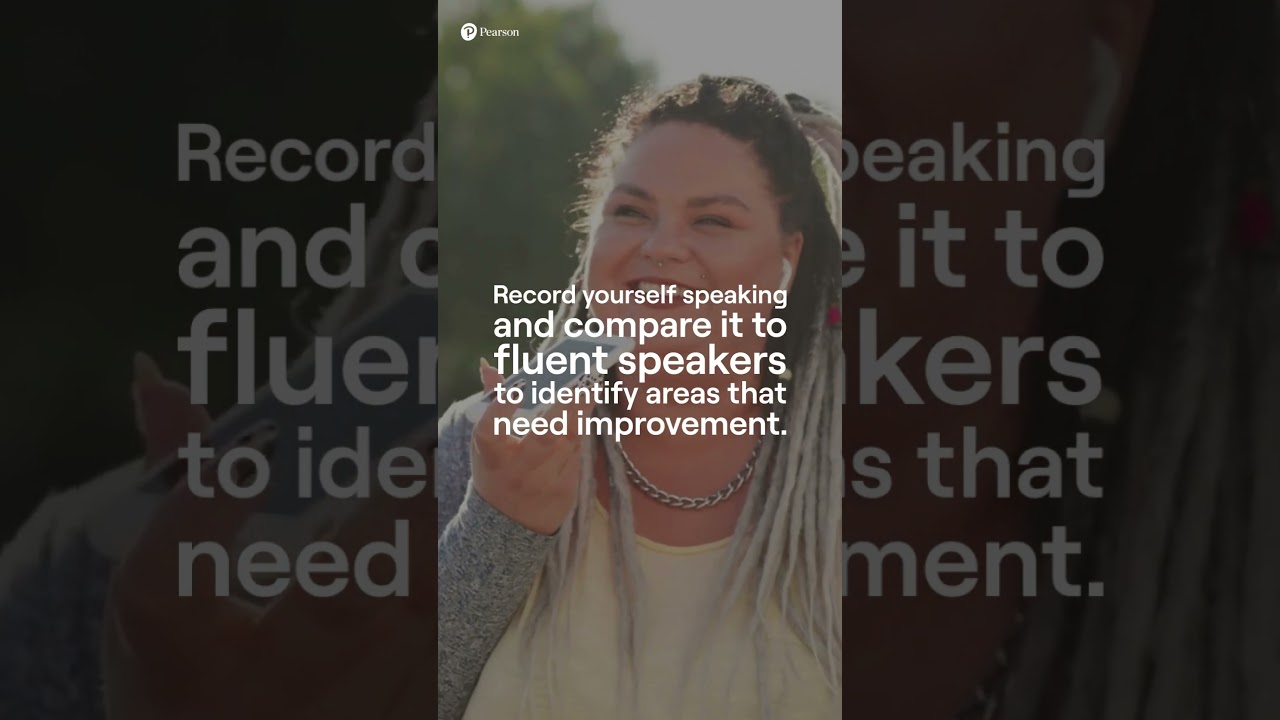
امرأة على هاتفها تبتسم في الهواء الطلق في مدينة
وقت القراءة: 4 دقائق

اللهجات هي جانب رائع من اللغة يمكن أن يكشف الكثير عن خلفية الشخص وتجاربه. بالنسبة لمتعلمي اللغة ، غالبا ما تصبح اللهجات محورا مركزيا ، وأحيانا على حساب المهارات اللغوية الأكثر أهمية. في هذا المنشور ، سوف نستكشف ماهية اللهجات ، ولماذا يمتلكها الناس ، ولماذا يكون الوضوح أكثر أهمية من إتقان اللهجة.

طرق لتحسين وضوح لغتك
Play
الخصوصية وملفات تعريف الارتباط (الكوكيز)

من خلال المشاهدة، فإنك توافق على أن تشارك بيرسون بيانات مشاهدتك لأغراض التسويق والتحليل لمدة عام، ويمكن إلغاء هذا الاتفاق عن طريق حذف ملفات تعريف الارتباط الخاصة بك.

ما هي اللهجات؟

اللهجة هي طريقة مميزة لنطق الكلمات التي تميز منطقة معينة أو مجموعة اجتماعية أو لغة أصلية. أنه ينطوي على اختلافات في الصوتيات والتجويد والإيقاع. على سبيل المثال ، قد يتحدث شخص من لندن الإنجليزية بلهجة مختلفة مقارنة بشخص من إدنبرة.

اللهجات طبيعية ولا مفر منها. كل شخص لديه واحد. تتأثر بعوامل مختلفة ، بما في ذلك الجغرافيا والثقافة والتعرض للغات الأخرى. عندما تتعلم لغة جديدة ، تؤثر لغتك الأم على نطقك.

اعتمادا على لهجتك ، قد تنطق بعض الأصوات بطرق معينة لا تنعكس في لغة أخرى ، أو ربما لا توجد أصوات أو كلمات معينة في لغتك الأولى. على سبيل المثال في اليابانية ، لا يوجد صوت / L / ، لذلك قد يكافح المتحدث الياباني الأصلي لنطق كلمة "حب" بصوت / L / دقيق.

مثال آخر هو لغات خويسان. غالبا ما يستخدمون النقرات بلغتهم ، والتي لا توجد في العديد من اللغات الأخرى ، مما يجعل من الصعب على غير الناطقين بها التقليد والتعلم. بالنسبة لأي شخص يتعين عليه إصدار صوت لم يعتاد عليه ، قد يكون الأمر صعبا في البداية حيث يجب أن يتحرك الفم بطريقة غير مألوفة للمتحدث.

حتى أن هناك نقاشا حول ما إذا كانت الجوانب الجسدية تؤثر على اللكنة ، مثل شكل أسنانك ولسانك ووضعية الفم (الطريقة التي تستقر بها أسنانك معا ويجلس اللسان في فمك). هناك أيضا العديد من العوامل المادية الأخرى التي تخضع للنقاش حول ما إذا كانت تؤثر على الصوت / اللهجة.

لماذا الناس لديهم لهجات؟

الناس لديهم لهجات لعدة أسباب:

  1. التأثير الجغرافي: تؤثر المنطقة التي ينمو فيها الشخص بشكل كبير على لهجته. حتى داخل نفس البلد ، يمكن أن تختلف اللهجات بشكل كبير من مدينة أو بلدة إلى أخرى.
  2. العوامل الثقافية: تلعب الخلفية الثقافية دورا في تشكيل كيفية تحدث الناس. على سبيل المثال ، يمكن أن تؤثر الأعراف والتقاليد الاجتماعية على أنماط الكلام والنطق.
  3. تأثير اللغة الأم: لغتك الأولى لها تأثير عميق على كيفية نطق الأصوات بلغة جديدة. قد لا توجد أصوات معينة في لغتك الأم ، مما يجعل من الصعب تكرارها بدقة في لغة أخرى.
  4. التعرض والممارسة: يمكن أن يؤثر مقدار التعرض والممارسة التي لديك مع لغة جديدة على لهجتك. يمكن أن يساعدك التفاعل المنتظم مع المتحدثين بطلاقة في تبني المزيد من النطق الشبيه باللغة الأم. إذا كنت تقضي الكثير من الوقت حول وسائل الإعلام الأجنبية ، فقد تبدأ في التقاط لهجات من هناك.

هل سبق لك أن تحدثت إلى شخص ما وتشعر أنه يقلد لهجتك؟ أو أنك تحاكي لا شعوريا صورهم؟ يمكن أن يكون هذا بسبب "تأثير الحرباء" ، عندما يتبنى الشخص ويحاكي أشياء مثل الإيماءات أو صوت الشخص الذي يتحدث معه. ينظر إلى هذا على أنه طريقة اللاوعي لبناء علاقة وتواصل مع الآخرين.

لماذا اللهجات مهمة؟

اللهجات مهمة لأنها جزء أساسي من هويتنا وكيفية ارتباطنا بالعالم. بالنسبة لمتعلمي اللغة ، يمكن أن تكون اللهجات مصدر فخر أو إحباط.

ومع ذلك ، من الضروري أن نفهم أن وجود لهجة أجنبية أمر طبيعي تماما وليس عائقا أمام التواصل الفعال. في الواقع ، تضيف اللهجات التنوع والثراء إلى اللغة ويجب تبنيها.

لماذا الوضوح أكثر أهمية من إتقان لهجة

في سياق تعلم اللغة ، يجب أن يكون الوضوح - أن يفهمه الآخرون - هدفك الأساسي بدلا من القضاء على لهجتك أو تغييرها. إليك السبب:

  1. التواصل الفعال: الهدف الرئيسي من تعلم لغة جديدة هو التواصل بشكل فعال. إذا استطاع الآخرون فهمك بوضوح ، تصبح لهجتك أقل أهمية.
  2. انخفاض الضغط: التركيز على الوضوح بدلا من إتقان لهجة يقلل من التوتر ويجعل عملية التعلم أكثر متعة. يمكنك التركيز على توسيع مفرداتك وتحسين القواعد بدلا من ذلك.
  • القبول الثقافي: اعتاد العديد من الناطقين بها على سماع لهجات مختلفة ويمكنهم فهمها دون صعوبة. إنهم يقدرون الجهد الذي تبذله في تعلم لغتهم ، بغض النظر عن لهجتك.
  • الاحتفاظ بهويتك: قد تعني محاولة التخلص من لهجتك فقدان جزء من هويتك الثقافية. يظهر احتضان لهجتك للآخرين أنك فخور بالمكان الذي أتيت منه ويمكن أن يفتح الباب أمام محادثات هادفة حول الثقافة والتنوع.
  • التقدم العملي: يتيح لك التركيز على الوضوح إحراز تقدم عملي في مواقف العالم الحقيقي ، مثل طلب الطعام أو طلب الاتجاهات أو المشاركة في المحادثات.
  • نصائح لتحسين الوضوح

    • الاستماع والتقليد: اقض بعض الوقت في الاستماع إلى المتحدثين بطلاقة وحاول تقليد نغمتهم وإيقاعهم.
    • تدرب على النطق: Focus على نطق أصوات المفاتيح بشكل صحيح.
    • سجل نفسك: يمكن أن يساعدك تسجيل خطابك ومقارنته بالمتحدثين بطلاقة في تحديد مجالات التحسين.
    • اطلب التعليقات: لا تتردد في سؤال المتحدثين بطلاقة للحصول على تعليقات حول نطقك ووضوحك. إنها أفضل طريقة لتحديد مدى وضوحك.

    كن فخورا بلهجتك

    اللهجات هي جزء طبيعي من اللغة والهوية. في حين أنها يمكن أن تؤثر على كيفية إدراكنا ، إلا أنها لا ينبغي أن تكون مصدر قلق كبير لمتعلمي اللغة. بدلا من ذلك ، ركز على الفهم والاستمتاع بعملية تعلم لغة جديدة. تذكر أن اللهجة ليست عيبا. إنه مخططك.

    المزيد من المدونات من بيرسون

    • Students sat together talking
      Mindfulness in the classroom: Autopilot and paying attention
      By Amy Malloy
      وقت القراءة: 4 minutes

      In today's digital world, students face constant distractions that can make it difficult to stay focused during lessons. From social media notifications to endless online content, maintaining attention has become one of the biggest challenges in modern education.

      This is where mindfulness in the classroom can make a significant difference. By helping students become more aware of the present moment, mindfulness can strengthen concentration, improve learning outcomes, and support overall wellbeing.

      What is "Autopilot" thinking?

      Have you ever reached the end of a page in a book and realized you can't remember what you just read?

      This experience occurs when the brain slips into a semi-conscious state, often referred to as "autopilot" mode. During autopilot, we continue carrying out tasks while our thoughts drift elsewhere, planning future events, worrying about problems or replaying past experiences.

      While this automatic mode helps us complete routine tasks efficiently, it can also reduce our awareness of what's happening right now. As a result, students may appear present in class while their attention is elsewhere.

      For educators, understanding this tendency is essential because sustained attention is critical for learning, memory formation and academic success.

      Why mindfulness matters in education

      According to mindfulness expert Jon Kabat-Zinn, mindfulness means:

      "Paying attention in a particular way: on purpose, in the present moment and non-judgmentally."

      The key phrase is "on purpose".

      Mindfulness trains students to deliberately focus their attention rather than allowing their minds to wander automatically. Like any skill, attention becomes stronger with practice. Repeated mindfulness exercises help create neural pathways that support concentration and self-awareness.

      For younger children, this is especially important because the brain develops rapidly during the primary school years. Building healthy attention habits early can have lasting benefits throughout education and beyond.

      Benefits of mindfulness in the classroom

      Implementing mindfulness activities in schools can offer several advantages:

      Improved attention span

      Regular mindfulness practice helps students sustain focus for longer periods, making it easier to engage with lessons, reading tasks and independent study.

      Better learning outcomes

      When students pay closer attention, they absorb and retain information more effectively, leading to stronger academic performance.

      Reduced stress and anxiety

      Mindfulness techniques can help students manage exam pressure, classroom stress and emotional challenges by encouraging calm, focused awareness.

      Stronger emotional regulation

      Students become more aware of their thoughts and feelings, helping them respond thoughtfully rather than react impulsively.

      Enhanced digital wellbeing

      Mindfulness can help counteract the constant distractions created by smartphones, social media and digital devices.

      Why attention skills are more important than ever

      Many educators are concerned about the impact of technology on student concentration. While researchers continue to debate whether overall attention spans are shrinking, there is broad agreement that attention is shaped by habit.

      The brain becomes better at whatever it repeatedly practices.

      If students frequently switch between apps, notifications and multiple streams of information, sustained focus can become more difficult. Conversely, practicing mindful attention strengthens the brain's ability to concentrate on a single task.

      This is particularly important for teenagers. During adolescence, the brain undergoes significant restructuring, strengthening frequently used neural pathways while reducing those that are rarely activated.

      The message is simple: attention is a skill that improves through use.

      Three mindfulness activities for students

      Teachers can introduce mindfulness through simple exercises that fit naturally into the school day.

      1. Mindful technology use

      Help students develop awareness around screen time by encouraging intentional device use.

      Steps:

      1. Pause before using a device.
      2. Notice how you feel.
      3. Decide on a single task to complete.
      4. Visualize the steps required.
      5. Complete the task without distractions.
      6. Put the device away once finished.
      7. Reflect on any urge to continue scrolling.

      2. Mindful eating exercise

      This activity encourages students to engage all their senses and become fully present.

      Ask students to:

      • Observe five things they can see about their snack.
      • Notice five things they can feel.
      • Identify five scents.
      • Slowly taste the food and recognize subtle flavors.
      • Reflect on the experience.

      This exercise develops sensory awareness and helps students practice sustained attention.

      3. Breath counting for focus

      One of the simplest and most effective mindfulness exercises for students.

      Instructions:

      1. Sit comfortably.
      2. Close your eyes or soften your gaze.
      3. Focus on your breathing.
      4. Count each breath from one to ten.
      5. If your mind wanders, gently return attention to the breath.
      6. Repeat as needed.

      Over time, students often find it easier to maintain concentration and remain present.

      How teachers can introduce mindfulness successfully

      Teachers do not need extensive training to begin incorporating mindfulness into lessons. Small, consistent practices often produce the greatest benefits.

      Consider:

      • Starting lessons with a one-minute breathing exercise.
      • Using mindfulness before tests or presentations.
      • Encouraging reflection at the end of lessons.
      • Incorporating mindful listening activities during discussions.
      • Promoting conscious technology use in digital learning environments.

      Consistency is more important than duration. Even a few minutes each day can help students develop stronger focus and self-awareness.

      By helping students move away from autopilot thinking and engage more fully with the present moment, mindfulness supports both academic success and emotional well-being.

      Whether through mindful breathing, mindful eating or conscious technology use, small daily practices can have a lasting impact on how students learn, focus and thrive.

    • A teachr standing by students in a classroom holding a tablet up
      Assessment Evolved ELT edition: Supporting English language assessment in the age of GenAI
      By Mike Mayor
      وقت القراءة: 3 minutes

      The conversation around generative AI in education has moved quickly.

      For English language teachers, though, the reality in classrooms has often felt more complicated than the headlines suggest.

      AI tools are already being used by students. Teachers are trying to understand where these tools help, where they create challenges and what this means for learning moving forward.

      One thing educators continue to raise is the need for practical support. Not just discussions about AI itself, but guidance that connects to real classroom experiences and day-to-day teaching.

      That is part of the reason behind the ELT Edition of Assessment Evolved: Formative Assessment in a Generative AI Era.

    • Two business people working together on a tablet
      How to politely say no in business English
      By Charlotte Guest
      وقت القراءة: 3 minutes

      Knowing how to say “no” politely is an important communication skill in the workplace. Whether you are declining a meeting, turning down a request or rejecting a business proposal, the way you respond can affect professional relationships.

      For English learners, saying no can feel especially difficult. Many people worry about sounding rude, unhelpful or unfriendly. The good news is that Business English includes many polite and professional phrases that help you refuse requests clearly while still showing respect.

      Here are five useful ways to politely say no in Business English, with examples and tips for when to use them.

      1. “Thank you for considering me, but I must respectfully decline.”

      This phrase is polite, professional and direct. It shows appreciation for the opportunity while making your decision clear.

      When to use it

      • Declining a job offer
      • Turning down a business proposal
      • Refusing a formal invitation

      Example

      “Thank you for considering me, but I must respectfully decline the offer at this time.”

      Why it works

      This phrase sounds professional because it:

      • Starts with appreciation
      • Communicates your answer clearly
      • Maintains a respectful tone

      2. “I appreciate your interest but, unfortunately, I’m unable to commit at this time.”

      This expression is useful when you cannot accept something because of time, workload or other responsibilities.

      When to use it

      • Declining extra work
      • Saying no to projects
      • Refusing invitations professionally

      Example

      “I appreciate your interest but, unfortunately, I’m unable to commit at this time due to other priorities.”

      Why it works

      This phrase helps soften the refusal and explains that your decision is based on circumstances rather than the person themselves.

      3. “I understand where you’re coming from, but I don’t think it’s the right fit for me.”

      This is a good phrase for situations where you want to disagree politely or decline an offer that does not meet your needs.

      When to use it

      • Declining a service or product
      • Rejecting a business idea
      • Turning down partnerships

      Example

      “I understand where you’re coming from, but I don’t think it’s the right fit for our team right now.”

      Why it works

      The phrase shows empathy first before giving your opinion. This helps keep the conversation positive and respectful.

      4. “Thank you for the opportunity, but I’m afraid it’s not something I can take on right now.”

      This phrase is useful when you may be interested in the future, but cannot accept now.

      When to use it

      • Declining freelance work
      • Refusing additional responsibilities
      • Saying no to speaking events or collaborations

      Example

      “Thank you for the opportunity, but I’m afraid it’s not something I can take on right now.”

      Why it works

      This response sounds polite and professional without completely closing the door to future opportunities.

      5. “Thank you for thinking of me, but I won’t be able to.”

      This is a shorter and more informal way to politely say no.

      When to use it

      • Declining small requests
      • Saying no to casual invitations
      • Refusing minor tasks

      Example

      “Thank you for thinking of me, but I won’t be able to attend the meeting tomorrow.”

      Why it works

      It is simple, clear and friendly. However, it works best in less formal business situations.