تحديد الأهداف والتخطيط مع GSE للعام الجديد

Leonor Corradi
Leonor Corradi
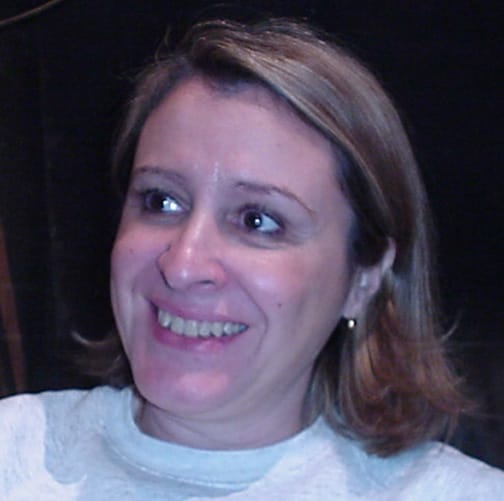
جلست المعلمة على مكتب تبتسم لطلابها
وقت القراءة: 4 دقائق

كيف يمكن للمعلمين استخدام Global Scale of English (GSE) و الذكاء الاصطناعي لمساعدة الطلاب على تحديد أهداف تعلم اللغة وتحقيقها للعام الجديد؟

مع اقتراب العام الجديد ، إنه الوقت المثالي للطلاب لتحديد أهداف جديدة لتعلم اللغة. لكن بالنسبة للمعلمين ، لا يتعلق الأمر فقط بإلهام الطلاب - بل يتعلق بإعطائهم أهدافا واضحة وقابلة للقياس يمكنهم تحقيقها بالفعل. هذا هو المكان الذي يأتي فيه GSE، أداة قوية للغاية. يمكن أن يساعد المعلمين على إنشاء مسارات تعليمية مخصصة بناء على مكان وجود الطلاب الآن وتوجيههم نحو أهدافهم اللغوية على مدار العام. دعنا نتعمق في كيفية عمل GSE لتعزيز تقدم الطلاب.

ما الذي يجعل GSE أداة قيمة؟

GSE هو إطار دقيق يقيس الكفاءة الإنجليزية بتفاصيل ملحوظة. تتوافق كل درجة في GSE مع كفاءات محددة في التحدث والاستماع والقراءة والكتابة. على سبيل المثال ، قد يتعامل الطالب الحاصل على درجة GSE 50 مع المحادثات اليومية بشكل مريح (مستوى B1) ، بينما تشير الدرجة 75 إلى العمل على مستوى أكثر تقدما (C1).

ما يميز GSE هو تفاصيته - فهو يتجاوز المستويات العامة "المتوسطة" أو "المتقدمة" ، مما يسمح للمعلمين بتحديد ما يمكن لطلابهم فعله بالضبط في أي مرحلة. يمكن هذا المستوى من التفاصيل المعلمين من تحديد أهداف مستهدفة ومحددة المهارات لكل متعلم ، مما يضمن تقدما شخصيا وهادفا.

تقييم موقف الطلاب حاليا

قبل تحديد الأهداف ، من المهم تحديد الوضع الحالي لكل طالب. يعد GSE أداة ممتازة لهذا لأنه يوفر تحليلا مفصلا لمهارات الطالب. يمكن للمدرسين استخدام التقييمات المتوافقة مع GSEلتحديد نقاط القوة والضعف ، مما يعطي صورة أوضح من مجرد معرفة ما إذا كان الطالب في مستوى "متوسط" أو "متقدم".

بمجرد أن تعرف مكان الطلاب ، يمكنك تعيين خط أساس. على سبيل المثال ، إذا كانت درجة قراءة الطالب 52 ، فستعرف أنه من المحتمل أن يكون في نطاق B1 ، ويمكنك استهداف مهارات محددة (مثل تحسين المفردات أو فهم الأفكار الرئيسية) للمضي قدما.

تحديد أهداف واقعية وقابلة للقياس

الآن بعد أن عرفت أين يقف كل طالب ، حان الوقت لتحديد بعض الأهداف. يجب أن تكون هذه واقعية وقابلة للقياس وقابلة للتحقيق بناء على مستواها الحالي والفترة الزمنية المعنية. المفتاح هو اختيار الأهداف التي ستدفعهم إلى التحسين دون إرباكهم. يحتوي GSE على وصف تفصيلي لما يمكن للطلاب القيام به في كل مستوى. يمكنك تحديد مهارات محددة تحتاج إلى الاهتمام من خلال النظر إلى هذه الأوصاف. نحن نعلم أن الأهداف الكبيرة يمكن أن تشعر بالخوف ، لذا قم بتقسيمها إلى أجزاء أصغر يمكن التحكم فيها. هنا ، يعد GSE موردا رائعا ، وذلك بفضل دبته.

إضفاء الطابع الشخصي على التعلم باستخدام الذكاء الاصطناعي و GSE

إن استخدام أهداف التعلم GSE (LOs) جنبا إلى جنب مع LLM (نموذج اللغة الكبير) * يفتح عالما من الاحتمالات لإنشاء أنشطة مركزة على المستوى المناسب لكل طالب. فيما يلي بعض النقاط الرئيسية حول كيفية تعزيز هذا المزيج للتعلم الشخصي:

  • المحتوى الفردي: يمكن لطلاب القانون إنشاء مطالبات وتمارين مستهدفة بناء على GSE LOs المحددة ذات الصلة بمستوى كفاءة كل طالب. هذا يضمن تفاعل المتعلمين مع المحتوى المناسب والمتوافق مع أهدافهم اللغوية.
  • ممارسة اللغة المخصصة: من خلال دمج ماجستير في الدروس ، يمكن للمدرسين تزويد الطلاب بممارسة لغوية تفاعلية تتكيف مع احتياجاتهم. يمكن ل ChatGPT محاكاة المحادثات ، مما يسمح للطلاب بتطبيق مهاراتهم اللغوية وتلقي تعليقات فورية في بيئة داعمة.

من خلال الجمع بين GSE LOs وتسخير قوة LLM مثل ChatGPT ، يمكن للمدرسين إنشاء أنشطة مخصصة تلبي الاحتياجات اللغوية للطلاب الفرديين ، وتعزيز التعلم النشط ، وتعزيز التحسين المستمر.

*اخلاء المسؤوليه: يجب على المعلمين التحقق من المستوى والتحقق منه بناء على فهمهم لطلابهم ، حيث قد لا تقوم LLMs مثل ChatGPT بتقييم المستويات بدقة. بينما يمكن أن تساعد أهداف التعلم GSE ، فمن الضروري التحقق من مخرجاتها وتعديلها وفقا لذلك. قد يتضمن ذلك استشارة GSE القواعد والمفردات لتأكيد المستويات المناسبة أو استخدام محلل النص لضمان توافق النص مع المستوى المطلوب.

ماذا بعد ذلك؟

تحديد الأهداف هو مجرد البداية - تتبع التقدم وتعديل هذه الأهداف حسب الحاجة لا يقل أهمية. على مدار العام ، يجب على المعلمين تسجيل الوصول بانتظام مع الطلاب للتأكد من أنهم على المسار الصحيح. كيف يمكننا المراقبة والتكيف؟ فيما يلي بعض النصائح.

يجب على المعلمين جدولة جلسات فردية منتظمة مع الطلاب لمراجعة تقدمهم. يمكن أن يظهر GSE للطلاب تقدمهم بوضوح.

إذا كان الطلاب يحققون أهدافهم بشكل أسرع من المتوقع ، فإن تعديل أهدافهم مهم لإبقائهم في تحدي. إذا كانوا يكافحون ، فقد تحتاج الأهداف إلى أن تكون أكثر قابلية للتحقيق ، بخطوات أصغر وأكثر تدرجا.

يمكن أن يساعد استخدام GSE الطلاب على تحديد أهداف واضحة وقابلة للقياس والتقدم بثبات على مدار العام. من خلال تقييم المكان الذي يبدأ فيه الطلاب ، وتحديد أهداف محددة قائمة على GSE، وإنشاء مسارات تعليمية مخصصة مع الذكاء الاصطناعي ، وتتبع التقدم باستمرار ، يمكن للمدرسين إنشاء تجربة تعليمية أكثر ديناميكية وفعالية لطلابهم. العام الجديد هو فرصة مثالية لمساعدة الطلاب على تحسين الإنجليزية وتحقيق أهدافهم - وباستخدام هذه الأدوات ، يتوفر لدى المعلمين كل ما يحتاجون إليه لتوجيه الطلاب نحو النجاح.

المزيد من المدونات من بيرسون

  • A teachr standing by students in a classroom holding a tablet up
    Assessment Evolved ELT edition: Supporting English language assessment in the age of GenAI
    By Mike Mayor
    وقت القراءة: 3 minutes

    The conversation around generative AI in education has moved quickly.

    For English language teachers, though, the reality in classrooms has often felt more complicated than the headlines suggest.

    AI tools are already being used by students. Teachers are trying to understand where these tools help, where they create challenges and what this means for learning moving forward.

    One thing educators continue to raise is the need for practical support. Not just discussions about AI itself, but guidance that connects to real classroom experiences and day-to-day teaching.

    That is part of the reason behind the ELT Edition of Assessment Evolved: Formative Assessment in a Generative AI Era.

  • Two business people working together on a tablet
    How to politely say no in business English
    By Charlotte Guest
    وقت القراءة: 3 minutes

    Knowing how to say “no” politely is an important communication skill in the workplace. Whether you are declining a meeting, turning down a request or rejecting a business proposal, the way you respond can affect professional relationships.

    For English learners, saying no can feel especially difficult. Many people worry about sounding rude, unhelpful or unfriendly. The good news is that Business English includes many polite and professional phrases that help you refuse requests clearly while still showing respect.

    Here are five useful ways to politely say no in Business English, with examples and tips for when to use them.

    1. “Thank you for considering me, but I must respectfully decline.”

    This phrase is polite, professional and direct. It shows appreciation for the opportunity while making your decision clear.

    When to use it

    • Declining a job offer
    • Turning down a business proposal
    • Refusing a formal invitation

    Example

    “Thank you for considering me, but I must respectfully decline the offer at this time.”

    Why it works

    This phrase sounds professional because it:

    • Starts with appreciation
    • Communicates your answer clearly
    • Maintains a respectful tone

    2. “I appreciate your interest but, unfortunately, I’m unable to commit at this time.”

    This expression is useful when you cannot accept something because of time, workload or other responsibilities.

    When to use it

    • Declining extra work
    • Saying no to projects
    • Refusing invitations professionally

    Example

    “I appreciate your interest but, unfortunately, I’m unable to commit at this time due to other priorities.”

    Why it works

    This phrase helps soften the refusal and explains that your decision is based on circumstances rather than the person themselves.

    3. “I understand where you’re coming from, but I don’t think it’s the right fit for me.”

    This is a good phrase for situations where you want to disagree politely or decline an offer that does not meet your needs.

    When to use it

    • Declining a service or product
    • Rejecting a business idea
    • Turning down partnerships

    Example

    “I understand where you’re coming from, but I don’t think it’s the right fit for our team right now.”

    Why it works

    The phrase shows empathy first before giving your opinion. This helps keep the conversation positive and respectful.

    4. “Thank you for the opportunity, but I’m afraid it’s not something I can take on right now.”

    This phrase is useful when you may be interested in the future, but cannot accept now.

    When to use it

    • Declining freelance work
    • Refusing additional responsibilities
    • Saying no to speaking events or collaborations

    Example

    “Thank you for the opportunity, but I’m afraid it’s not something I can take on right now.”

    Why it works

    This response sounds polite and professional without completely closing the door to future opportunities.

    5. “Thank you for thinking of me, but I won’t be able to.”

    This is a shorter and more informal way to politely say no.

    When to use it

    • Declining small requests
    • Saying no to casual invitations
    • Refusing minor tasks

    Example

    “Thank you for thinking of me, but I won’t be able to attend the meeting tomorrow.”

    Why it works

    It is simple, clear and friendly. However, it works best in less formal business situations.

  • Students studying together at a table
    What students wish they’d done earlier when planning to study in the USA
    By Abi Fordham
    وقت القراءة: 2 minutes

    If you spend enough time reading student forums, Reddit threads or comment sections about studying in the USA, you begin to notice a pattern.

    There’s plenty of advice about what students should do next. But much less about what they wish they’d done earlier.

    Those reflections usually appear later in the process, after applications have been submitted or deadlines have passed. Often, they come with a sense of hindsight: “I wish I’d known this sooner.”

    For students still early in the process, planning ahead can make everything feel far more manageable – and these tips are here to help.

    Starting earlier helps more than you think

    One of the most common reflections from students is that they waited until something felt urgent.

    Until a deadline appeared. Until a university responded. Until friends started applying.

    By that point, the process often felt rushed and stressful.

    Students who started earlier didn’t necessarily have everything figured out. In many cases, they simply gave themselves more time to think clearly, explore options and make decisions without pressure.

    Starting early doesn’t mean completing everything immediately. It simply means beginning before the process becomes overwhelming.

    Many students don’t realize how much flexibility they have

    Many students assume there is only one way to complete each step of the study abroad process. One test format. One timeline. One fixed path.

    In reality, there are now more flexible options available to students applying to universities in the USA.

    For example, some English language tests can now be taken from home, making it easier for students to fit preparation and testing around school, work or other commitments. This can reduce travel time, scheduling difficulties and unnecessary stress earlier in the application journey.

    Having more flexibility often helps students feel more in control of the process overall.

    Comparing timelines usually creates more stress

    This is something that comes up constantly in student discussions online.

    One student already has an offer. Another has booked their English test. Someone else is still deciding where to apply.

    It’s easy to feel behind, even when you’re not.

    What many students realize later is that study abroad timelines are rarely comparable. Different universities, application requirements, intake dates and personal circumstances all affect how long the process takes.

    The students who felt most confident were usually the ones focused on their own next step rather than someone else’s progress.

    Small steps create momentum

    Another common theme in student reflections is the importance of momentum.

    Not huge achievements. Just consistent progress.

    Researching universities. Booking a test. Submitting one document. Sending one email.

    Small actions help the process feel more realistic and manageable. Over time, they build confidence and make studying abroad feel achievable rather than distant.

    Confidence often comes later than expected

    Many students spend the early stages of the process questioning themselves.

    Am I choosing the right university?
    Am I applying at the right time?
    Am I making the right decisions?

    Later, many reflect that they were more prepared than they initially believed.

    The process itself teaches students how to make decisions, adapt to uncertainty and move forward even without having every answer immediately.

    Waiting until you feel completely ready can sometimes unnecessarily delay progress.

    Final thoughts

    Planning to study in the USA is a major decision, and it’s normal for the process to feel uncertain at times. But many students later realise that starting earlier, staying focused on manageable steps and avoiding unnecessary comparison made the experience much easier.

    You do not need to have everything figured out straight away. Often, the most helpful thing is simply beginning.