
عبارات الإنجليزية الأساسية للاندماج مثل السكان المحليين في عطلتك

Charlotte Guest
Charlotte Guest
وقفت امرأة في ساحة تحمل خريطة تنظر حولها
وقت القراءة: 5 دقائق

لقد وصل الصيف وقد تستعد لقضاء عطلة قريبا. إن معرفة بعض اللغات المحلية أمر مفيد دائما ، ولكن للتحدث بصدق كمتحدث أصلي الإنجليزية ، يجب عليك فهم واستخدام العبارات والتعابير الشائعة التي يستخدمها السكان المحليون في المحادثات اليومية. المتحدثون الأصليون الإنجليزية لديهم قيادة طبيعية لهذه العبارات ، في حين أن المتحدثين غير الطلاقة غالبا ما يحتاجون إلى دراستها وممارستها لتحقيق الطلاقة.

في منشور المدونة هذا ، سنتعمق في العبارات الإنجليزية الأساسية التي ستساعدك على أن تبدو أكثر شبها بالسكان المحليين وأقل شبها بالسائح.

عبارات لمساعدتك على التحدث الإنجليزية مثل السكان المحليين
Play
الخصوصية وملفات تعريف الارتباط (الكوكيز)

من خلال المشاهدة، فإنك توافق على أن تشارك بيرسون بيانات مشاهدتك لأغراض التسويق والتحليل لمدة عام، ويمكن إلغاء هذا الاتفاق عن طريق حذف ملفات تعريف الارتباط الخاصة بك.

التعابير والعبارات الشائعة الإنجليزية التي يجب أن تعرفها

اعتمادا على المكان الذي تذهب إليه ، ستكون اللغة مختلفة إلى حد كبير ، ولكن في كثير من الأحيان ، تتداخل بعض العبارات الإنجليزية ، لذلك قد تسمع بعض العبارات الشائعة المستخدمة في أكثر من بلد واحد.

"لقد ذهب كل شيء على شكل كمثرى" (UK)

هذه العبارة الغريبة تعني أن شيئا ما قد حدث بشكل خاطئ أو لم يحدث كما هو مخطط له. على سبيل المثال ، إذا انهارت خطط عطلتك بسبب سوء الأحوال الجوية ، فيمكنك أن تقول ، "لقد سارت رحلتنا إلى الساحل على شكل كمثرى". بمعنى آخر ، إنها أخبار سيئة لعطلتنا.

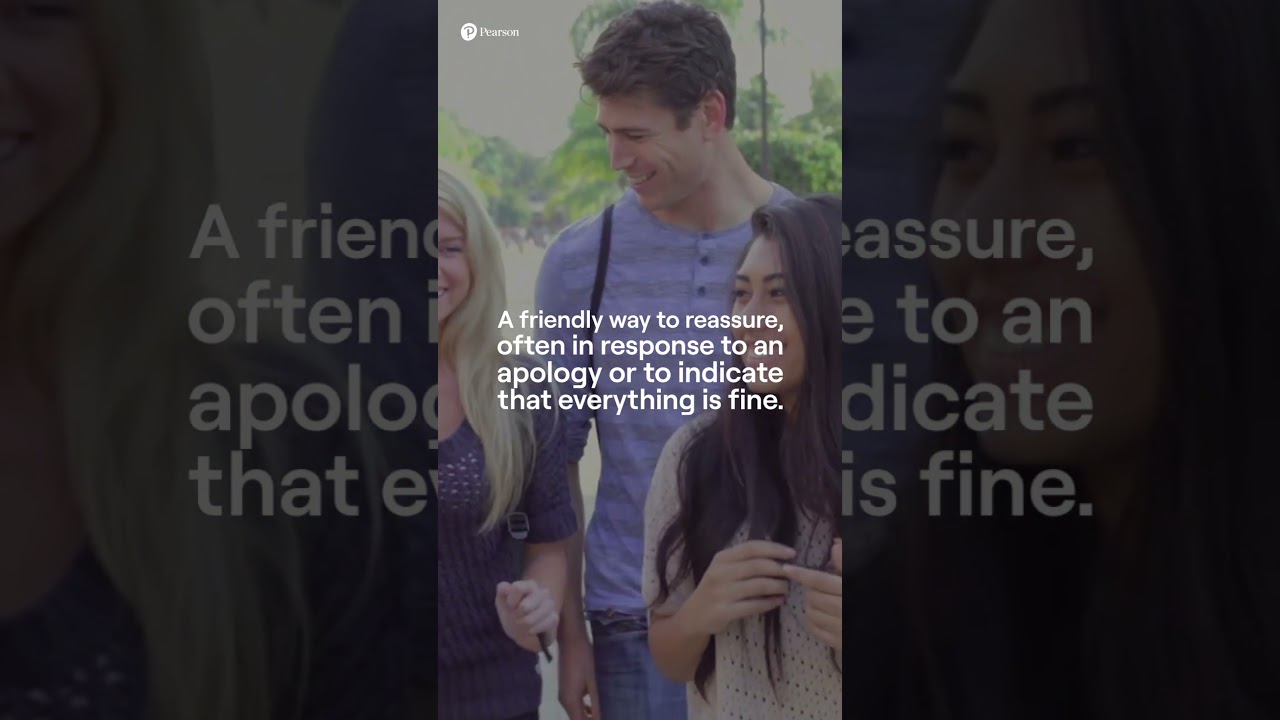
"لا تقلق يا صديقي!" (Australia/UK)

في Australia، ستسمع غالبا عبارة "لا تقلق يا صديقي!" تستخدم للتعبير عن أن كل شيء على ما يرام أو أنه لا توجد مشكلة. إنه تعبير متعدد الاستخدامات عن الطمأنينة والود. على سبيل المثال ، إذا اعتذرت عن الاصطدام بشخص ما في شارع مزدحم ، فقد تتلقى ردا على ذلك "لا تقلق يا صديقي!"

"املأ حذائك" (Canada)

هذه العبارة هي دعوة لمساعدة نفسك على أكبر قدر تريده من شيء. على سبيل المثال ، إذا كنت في بوفيه وقال لك شخص ما ، "املأ حذائك" ، فإنهم يشجعونك على الاستمتاع بالطعام بقدر ما تريد. إنه تعبير ترحيبي يعرض الكرم والضيافة.

"دينكوم عادلة" (Australia)

يستخدم هذا التعبير لتأكيد حقيقة أو صدق شيء ما. يمكن مساواته بقول "حقا" أو "بصراحة" في لهجات الإنجليزية الأخرى. على سبيل المثال ، إذا أخبرك شخص ما بحقيقة مدهشة عن الحياة البرية المحلية ، فيمكنك الرد ب "Fair dinkum؟" لتأكيد أنها صحيحة بالفعل.

"شوك أ بلوك" (UK)

هذه العبارة تعني أن شيئا ما ممتلئ بالقدرة. على سبيل المثال ، إذا كانت الحانة أو المطعم مزدحما للغاية ، فقد تسمع شخصا يقول ، "الحانة مزدحمة الليلة". إنها طريقة مثيرة للذكريات لوصف موقف تكون فيه المساحة محدودة أو تكون المنطقة مشغولة للغاية.

"مزدوج مزدوج" (Canada)

في Canada، خاصة عند مناقشة القهوة ، يشير مصطلح "مزدوج مزدوج" إلى القهوة التي تحتوي على كريمتين وسكريتين. على سبيل المثال ، إذا كنت في مقهى وتريد قهوة تحتوي على كريمتين وسكريتين ، فستقول ، "سأحصل على دبل دبل ، من فضلك". هذه العبارة ستجعلك تبدو مثل المتحدث الإنجليزية بطلاقة.

"أنا موهوب" (UK)

هل تشعر بالتعب الشديد؟ ثم أنت "مهووس". تستخدم هذه العبارة بشكل شائع في UK للتعبير عن الإرهاق. بعد يوم طويل من مشاهدة المعالم السياحية ، قد تقول ، "أنا مهذب تماما!" إذا كنت تشعر بهذا التعب مرة واحدة فقط في القمر الأزرق ، فأنت محظوظ! هذه طريقة شائعة للتعبير عن التعب في المحادثة اليومية في UK.

"إنه ليس كوب الشاي الخاص بي" (UK)

إذا كان هناك شيء لا يرضيك ، فيمكنك أن تقول ، "إنه ليس كوب الشاي الخاص بي". هذه العبارة هي طريقة مهذبة للتعبير عن عدم الاهتمام أو الكراهية. على سبيل المثال ، يمكنك أن تقول ، "أفلام الرعب ليست فنجان الشاي الخاص بي". حتى لو لم تكن الإنجليزية لغتك الأم ، فإن استخدام عبارات مثل "إنه ليس كوب الشاي الخاص بي" يمكن أن يساعدك على أن تبدو أكثر طبيعية.

"مشوش قليلا" (UK)

إذا وجدت نفسك منزعجا أو منزعجا قليلا ، فيمكنك استخدام عبارة "مشوش قليلا". إنها طريقة معتدلة للتعبير عن السخط. على سبيل المثال ، إذا كنت تنتظر وقتا طويلا في طابور وقطع شخص ما أمامك ، فيمكنك أن تقول ، "لقد شعرت بالضيق قليلا عندما دفعوا". إذا كنت تعتقد أن قطع الخط سيجعلك تقدم لك الخدمة بشكل أسرع ، فأنت تنبح على الشجرة الخطأ. غالبا ما يستخدم المتحدثون الإنجليزية بطلاقة عبارة "مشوش قليلا" للتعبير عن تهيج خفيف بأدب.

"ما أخبارك؟" (الولايات المتحدة)

التحية الشائعة في الولايات المتحدة ، "ما الأمر؟" هي طريقة غير رسمية لسؤال شخص ما عن حاله أو ماذا يفعل. إنه شائع للغاية وغالبا ما يستخدم بين الأصدقاء والمعارف. على سبيل المثال ، عند مقابلة صديق ، يمكنك أن تقول ، "مرحبا ، ما الأمر؟" لبدء محادثة.

تحية غير رسمية أخرى قد تسمعها هي "كيف هي الحياة؟" والتي تستخدم للتحقق من رفاهية شخص ما.

"في لمح البصر" (UK)

إذا سمعت شخصا ما يستخدم هذه العبارة ، "في لمح البصر" ، فهذا يعني أنه سيفعل ذلك بسرعة كبيرة. إنها عبارة تستخدم للإشارة إلى السرعة أو الفورية. على سبيل المثال ، إذا كنت تنتظر وجبتك في مطعم وقال الخادم ، "ستكون جاهزة في لمح البصر" ، فيمكنك توقع وصولها قريبا.

"ضرب الكيس" (الولايات المتحدة)

إذا كنت مستعدا للذهاب إلى الفراش أو النوم ، يمكنك استخدام عبارة "ضرب الكيس". إنها طريقة غير رسمية للقول إنك ستنام. بعد يوم طويل من الأنشطة ، قد تخبر أصدقائك ، "أنا مرهق ، أعتقد أنني سأضرب الكيس". عند التحدث الإنجليزية، فإن استخدام عبارات مثل "ضرب الكيس" يمكن أن يجعل محادثاتك تبدو أكثر طبيعية.

"تمطر القطط" (UK)

يحب البريطانيون الحديث عن الطقس ، لذلك ليس من المستغرب أن يكون هذا المصطلح مرتبطا بالطقس. المصطلح هو طريقة ملونة لوصف الأمطار الغزيرة. لا يؤدي استخدام هذا المصطلح إلى نقل شدة المطر فحسب ، بل يضيف أيضا لمسة من الفكاهة إلى محادثتك. إذا قمت بزيارتها خلال مواسم الأمطار (وهو في كثير من الأحيان أكثر مما تعتقد) ، فسيكون لديك الكثير من الفرص لاستخدام هذه العبارة.

استنتاج

لن يساعدك دمج هذه العبارات الإنجليزية الشائعة في محادثاتك على الاندماج بشكل أفضل فحسب ، بل سيجعل تفاعلاتك أكثر جاذبية وأصالة. تذكر أن تعلم اللغة عملية مستمرة ، لذلك لا تخف من ارتكاب الأخطاء. سيساعدك توسيع مفردات الإنجليزية المنطوقة أيضا على الشعور بمزيد من الثقة في تفاعلاتك.

كلما تدربت أكثر ، كلما أصبحت أكثر ثقة. كلما تدربت أكثر ، كلما بدت وكأنك متحدث الإنجليزية بطلاقة. إذا استطعت ، فإن استشارة متحدث أصلي يمكن أن يساعدك على فهم مثل هذه التعابير واستخدامها بشكل صحيح. غالبا ما يتحدث المتحدثون الأصليون بسرعة ويستخدمون مفردات معقدة ، لذلك لا تتردد في مطالبتهم بالتحدث بشكل أبطأ أو تقديم أمثلة لتحسين فهمك.

المزيد من المدونات من بيرسون

  • Students sat together talking
    Mindfulness in the classroom: Autopilot and paying attention
    By Amy Malloy
    وقت القراءة: 4 minutes

    In today's digital world, students face constant distractions that can make it difficult to stay focused during lessons. From social media notifications to endless online content, maintaining attention has become one of the biggest challenges in modern education.

    This is where mindfulness in the classroom can make a significant difference. By helping students become more aware of the present moment, mindfulness can strengthen concentration, improve learning outcomes, and support overall wellbeing.

    What is "Autopilot" thinking?

    Have you ever reached the end of a page in a book and realized you can't remember what you just read?

    This experience occurs when the brain slips into a semi-conscious state, often referred to as "autopilot" mode. During autopilot, we continue carrying out tasks while our thoughts drift elsewhere, planning future events, worrying about problems or replaying past experiences.

    While this automatic mode helps us complete routine tasks efficiently, it can also reduce our awareness of what's happening right now. As a result, students may appear present in class while their attention is elsewhere.

    For educators, understanding this tendency is essential because sustained attention is critical for learning, memory formation and academic success.

    Why mindfulness matters in education

    According to mindfulness expert Jon Kabat-Zinn, mindfulness means:

    "Paying attention in a particular way: on purpose, in the present moment and non-judgmentally."

    The key phrase is "on purpose".

    Mindfulness trains students to deliberately focus their attention rather than allowing their minds to wander automatically. Like any skill, attention becomes stronger with practice. Repeated mindfulness exercises help create neural pathways that support concentration and self-awareness.

    For younger children, this is especially important because the brain develops rapidly during the primary school years. Building healthy attention habits early can have lasting benefits throughout education and beyond.

    Benefits of mindfulness in the classroom

    Implementing mindfulness activities in schools can offer several advantages:

    Improved attention span

    Regular mindfulness practice helps students sustain focus for longer periods, making it easier to engage with lessons, reading tasks and independent study.

    Better learning outcomes

    When students pay closer attention, they absorb and retain information more effectively, leading to stronger academic performance.

    Reduced stress and anxiety

    Mindfulness techniques can help students manage exam pressure, classroom stress and emotional challenges by encouraging calm, focused awareness.

    Stronger emotional regulation

    Students become more aware of their thoughts and feelings, helping them respond thoughtfully rather than react impulsively.

    Enhanced digital wellbeing

    Mindfulness can help counteract the constant distractions created by smartphones, social media and digital devices.

    Why attention skills are more important than ever

    Many educators are concerned about the impact of technology on student concentration. While researchers continue to debate whether overall attention spans are shrinking, there is broad agreement that attention is shaped by habit.

    The brain becomes better at whatever it repeatedly practices.

    If students frequently switch between apps, notifications and multiple streams of information, sustained focus can become more difficult. Conversely, practicing mindful attention strengthens the brain's ability to concentrate on a single task.

    This is particularly important for teenagers. During adolescence, the brain undergoes significant restructuring, strengthening frequently used neural pathways while reducing those that are rarely activated.

    The message is simple: attention is a skill that improves through use.

    Three mindfulness activities for students

    Teachers can introduce mindfulness through simple exercises that fit naturally into the school day.

    1. Mindful technology use

    Help students develop awareness around screen time by encouraging intentional device use.

    Steps:

    1. Pause before using a device.
    2. Notice how you feel.
    3. Decide on a single task to complete.
    4. Visualize the steps required.
    5. Complete the task without distractions.
    6. Put the device away once finished.
    7. Reflect on any urge to continue scrolling.

    2. Mindful eating exercise

    This activity encourages students to engage all their senses and become fully present.

    Ask students to:

    • Observe five things they can see about their snack.
    • Notice five things they can feel.
    • Identify five scents.
    • Slowly taste the food and recognize subtle flavors.
    • Reflect on the experience.

    This exercise develops sensory awareness and helps students practice sustained attention.

    3. Breath counting for focus

    One of the simplest and most effective mindfulness exercises for students.

    Instructions:

    1. Sit comfortably.
    2. Close your eyes or soften your gaze.
    3. Focus on your breathing.
    4. Count each breath from one to ten.
    5. If your mind wanders, gently return attention to the breath.
    6. Repeat as needed.

    Over time, students often find it easier to maintain concentration and remain present.

    How teachers can introduce mindfulness successfully

    Teachers do not need extensive training to begin incorporating mindfulness into lessons. Small, consistent practices often produce the greatest benefits.

    Consider:

    • Starting lessons with a one-minute breathing exercise.
    • Using mindfulness before tests or presentations.
    • Encouraging reflection at the end of lessons.
    • Incorporating mindful listening activities during discussions.
    • Promoting conscious technology use in digital learning environments.

    Consistency is more important than duration. Even a few minutes each day can help students develop stronger focus and self-awareness.

    By helping students move away from autopilot thinking and engage more fully with the present moment, mindfulness supports both academic success and emotional well-being.

    Whether through mindful breathing, mindful eating or conscious technology use, small daily practices can have a lasting impact on how students learn, focus and thrive.

  • A teachr standing by students in a classroom holding a tablet up
    Assessment Evolved ELT edition: Supporting English language assessment in the age of GenAI
    By Mike Mayor
    وقت القراءة: 3 minutes

    The conversation around generative AI in education has moved quickly.

    For English language teachers, though, the reality in classrooms has often felt more complicated than the headlines suggest.

    AI tools are already being used by students. Teachers are trying to understand where these tools help, where they create challenges and what this means for learning moving forward.

    One thing educators continue to raise is the need for practical support. Not just discussions about AI itself, but guidance that connects to real classroom experiences and day-to-day teaching.

    That is part of the reason behind the ELT Edition of Assessment Evolved: Formative Assessment in a Generative AI Era.

  • Two business people working together on a tablet
    How to politely say no in business English
    By Charlotte Guest
    وقت القراءة: 3 minutes

    Knowing how to say “no” politely is an important communication skill in the workplace. Whether you are declining a meeting, turning down a request or rejecting a business proposal, the way you respond can affect professional relationships.

    For English learners, saying no can feel especially difficult. Many people worry about sounding rude, unhelpful or unfriendly. The good news is that Business English includes many polite and professional phrases that help you refuse requests clearly while still showing respect.

    Here are five useful ways to politely say no in Business English, with examples and tips for when to use them.

    1. “Thank you for considering me, but I must respectfully decline.”

    This phrase is polite, professional and direct. It shows appreciation for the opportunity while making your decision clear.

    When to use it

    • Declining a job offer
    • Turning down a business proposal
    • Refusing a formal invitation

    Example

    “Thank you for considering me, but I must respectfully decline the offer at this time.”

    Why it works

    This phrase sounds professional because it:

    • Starts with appreciation
    • Communicates your answer clearly
    • Maintains a respectful tone

    2. “I appreciate your interest but, unfortunately, I’m unable to commit at this time.”

    This expression is useful when you cannot accept something because of time, workload or other responsibilities.

    When to use it

    • Declining extra work
    • Saying no to projects
    • Refusing invitations professionally

    Example

    “I appreciate your interest but, unfortunately, I’m unable to commit at this time due to other priorities.”

    Why it works

    This phrase helps soften the refusal and explains that your decision is based on circumstances rather than the person themselves.

    3. “I understand where you’re coming from, but I don’t think it’s the right fit for me.”

    This is a good phrase for situations where you want to disagree politely or decline an offer that does not meet your needs.

    When to use it

    • Declining a service or product
    • Rejecting a business idea
    • Turning down partnerships

    Example

    “I understand where you’re coming from, but I don’t think it’s the right fit for our team right now.”

    Why it works

    The phrase shows empathy first before giving your opinion. This helps keep the conversation positive and respectful.

    4. “Thank you for the opportunity, but I’m afraid it’s not something I can take on right now.”

    This phrase is useful when you may be interested in the future, but cannot accept now.

    When to use it

    • Declining freelance work
    • Refusing additional responsibilities
    • Saying no to speaking events or collaborations

    Example

    “Thank you for the opportunity, but I’m afraid it’s not something I can take on right now.”

    Why it works

    This response sounds polite and professional without completely closing the door to future opportunities.

    5. “Thank you for thinking of me, but I won’t be able to.”

    This is a shorter and more informal way to politely say no.

    When to use it

    • Declining small requests
    • Saying no to casual invitations
    • Refusing minor tasks

    Example

    “Thank you for thinking of me, but I won’t be able to attend the meeting tomorrow.”

    Why it works

    It is simple, clear and friendly. However, it works best in less formal business situations.