 Back
BackANP1107A: Human Anatomy & Physiology III – Digestive, Metabolic, Immune, Renal, and Reproductive Systems
Study Guide - Smart Notes
 Tailored notes based on your materials, expanded with key definitions, examples, and context.
Course Overview
This course, ANP1107A: Human Anatomy & Physiology III, covers the maintenance and continuity of the human body with a focus on the digestive system, urinary system, metabolism, immunity, and reproductive system. It also includes the endocrine regulation of metabolism and a detailed study of water and acid/base balance. The course is structured around lectures, assignments, and exams, and uses the Marieb Human Anatomy & Physiology textbook as its primary resource.
Major Topics and Learning Objectives
1. The Digestive System
The digestive system is responsible for the breakdown and absorption of nutrients necessary for body function. This section covers the anatomy, histology, and physiology of the gastrointestinal (GI) tract and its accessory organs.
Anatomical Features: Differentiate between the alimentary canal and accessory digestive organs; understand the relationship with the peritoneum and blood supply to the GI tract.
Histology: Describe the layers of the GI tract wall and their functions.
Functional Anatomy: Examine the mouth, pharynx, esophagus, stomach, small and large intestines, liver, gallbladder, and pancreas.
Digestive Processes: List and define the six digestive processes: ingestion, propulsion, mechanical breakdown, digestion, absorption, and defecation.
Regulation: Summarize neural and hormonal regulation of digestive activities, including voluntary and involuntary control of swallowing and defecation.
Chemical Digestion & Absorption: Outline the breakdown and absorption of carbohydrates, proteins, lipids, and nucleic acids.
2. Regulation of Metabolism and Body Temperature
Metabolism encompasses all chemical reactions in the body, including those that generate and use energy. This section reviews metabolic pathways, hormonal regulation, and mechanisms of heat exchange and body temperature control.
Metabolic Pathways: Overview of catabolic and anabolic pathways and their interactions.
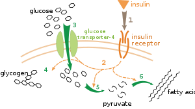
Absorptive and Postabsorptive States: Define these states and the roles of insulin and glucagon in regulating blood glucose.
Diabetes Mellitus: Describe the metabolic consequences of Type 1 and Type 2 diabetes mellitus.
Lipoproteins: List and describe the four major types of lipoproteins and their functions in lipid transport.
Thyroid Hormones: Explain the synthesis, regulation, and metabolic effects of thyroid hormones.
Basal and Total Metabolism: Define and identify factors influencing metabolic rate.
Appetite and Body Temperature Regulation: Discuss mechanisms controlling appetite and thermoregulation.
3. The Immune System
The immune system protects the body from pathogens through non-specific (innate) and specific (adaptive) mechanisms.
Non-Specific Defenses: Cellular and chemical barriers that provide immediate protection.
Specific Defenses: Humoral (antibody-mediated) and cell-mediated immune responses that target specific pathogens.
4. The Renal System
The renal system maintains homeostasis by regulating fluid, electrolyte, and acid-base balance, and by removing metabolic wastes.
Anatomy: Gross and microscopic anatomy of the kidneys, ureters, bladder, and urethra; blood and nerve supply to the kidneys.
Nephron Structure: Differentiate between cortical and juxtamedullary nephrons; describe the juxtaglomerular apparatus.
Renal Physiology: Define glomerular filtration, tubular reabsorption, and secretion; understand the filtration membrane and regulation of glomerular filtration rate (GFR).
Urine Concentration: Explain the countercurrent mechanism, osmolality, and the influence of antidiuretic hormone (ADH).
Fluid & Electrolyte Balance: Define fluid compartments, water balance, and the roles of sodium, potassium, calcium, and phosphate.
Acid-Base Balance: Describe the three mechanisms of acid-base regulation, with emphasis on renal compensation.
5. The Reproductive System
The reproductive system ensures the continuity of the species through the production of gametes, fertilization, and support of embryonic development.
Male Reproductive Anatomy: Structure of the testes, sperm pathway, accessory glands, and penis; composition of semen.
Male Reproductive Function: Roles of Sertoli and Leydig cells; hormonal regulation of spermatogenesis and steroidogenesis.
Female Reproductive Anatomy: Structure of the ovaries, oviducts, uterus, vagina, and external genitalia.
Female Reproductive Function: Ovarian steroidogenesis, follicular development, ovulation, corpus luteum, and menstrual cycle regulation.
Fertilization and Early Development: Sperm capacitation, acrosome reaction, prevention of polyspermy, and early embryonic stages (zygote, morula, blastocyst).
Pregnancy, Parturition, and Lactation: Placental functions, maternal physiological adaptations, stages of labor, and hormonal regulation of lactation.

Assessment and Course Logistics
Exams: Three exams covering digestive system, metabolism, immune system, renal system, and reproductive system. The final exam is cumulative.
Assignments: Regular assignments and crossword puzzles reinforce learning and contribute to the final grade.
Textbook: Marieb Human Anatomy & Physiology (12th edition or 11th edition with access code).
Office Hours: Synchronous sessions via Brightspace Zoom for practice and Q&A.
Additional Info
Students are expected to adhere to deadlines for assignments and exams. Deferred and supplemental exams are available under specific conditions.
Mastering A&P assignments and the Brightspace website are essential resources for course participation and study.
