 Back
BIO-226: Human Structure and Function - Introduction and Structural Organization
Study Guide - Smart Notes
 Tailored notes based on your materials, expanded with key definitions, examples, and context.
Introduction to Anatomy & Physiology
Course Overview
The study of human anatomy and physiology (A&P) explores the structure and function of the human body. This course introduces foundational concepts, including cellular organization, structural hierarchy, and homeostasis, which are essential for understanding health and disease.
Anatomy: The study of the structure and relationship between body parts.
Physiology: The study of the function of body parts and the body as a whole.
Health: Defined as a state of complete physical, mental, and social well-being (WHO).
Disease: Any physical or mental abnormality; understanding normal function is key to recognizing disease.
Structural Organization of the Human Body
Levels of Organization
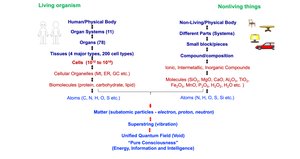
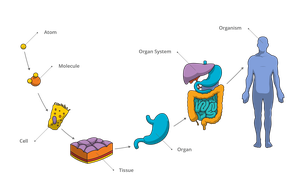
The human body is organized in a hierarchical manner, from the smallest chemical units to the complete organism. Each level builds upon the previous, contributing to the complexity and functionality of life.
Atoms: Basic units of matter (e.g., C, H, O, N, S).
Biomolecules: Include proteins, carbohydrates, lipids, nucleotides, amino acids, and sugars.
Cellular Organelles: Structures within cells such as mitochondria, endoplasmic reticulum, and Golgi complex.
Cells: Smallest living units; human body contains trillions.
Tissues: Groups of similar cells performing specific functions (e.g., muscle, nervous tissue).
Organs: Structures composed of multiple tissue types (e.g., heart, lungs).
Organ Systems: Groups of organs working together (e.g., respiratory, digestive systems).
Organism: The complete human being.
Biology: The Study of Life
Biotic vs Abiotic Factors
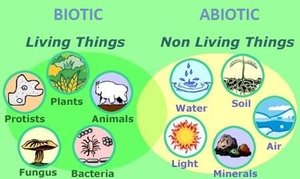
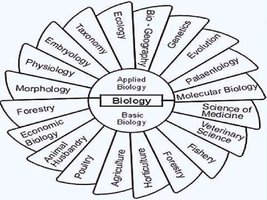
Biology is the scientific study of life and living organisms. It distinguishes between biotic (living) and abiotic (non-living) factors, which interact to shape the environment.
Biotic Factors: Living things such as plants, animals, fungi, bacteria, and protists.
Abiotic Factors: Non-living elements like water, soil, air, light, and minerals.
Characteristics of Living Things
Defining Life
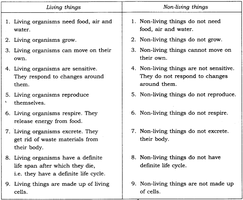
Living organisms exhibit distinct characteristics that differentiate them from non-living things. These include cellular organization, growth, responsiveness, metabolism, and reproduction.
Cellular Organization: All living things are composed of cells.
Ordered Complexity: Living systems are highly organized.
Sensitivity: Ability to respond to environmental changes.
Growth, Development, and Reproduction: Increase in size, maturation, and production of offspring.
Energy Utilization: Use of energy for development and maintenance.
Evolutionary Adaptation: Ability to adapt over generations.
Homeostasis: Maintenance of stable internal conditions.
Homeostasis
Maintaining Internal Balance
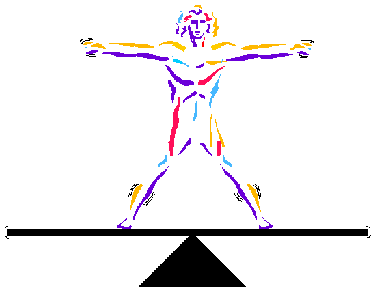
Homeostasis is the ability of the body to maintain a relatively stable internal environment despite external changes. It is essential for survival and proper functioning.
Dynamic Equilibrium: Internal environment fluctuates within narrow limits.
Controlled Variables: Temperature (36-38°C), fluid volume, glucose concentration (75-95 mg/dL), sodium concentration (138-145 mmol/L), pH (7.35-7.45), oxygen tension (95-105 mmHg), carbon dioxide tension (35-45 mmHg).
Control Centers: The brain and endocrine system regulate homeostasis.
Essential Nutrients and Food Choices
Nutrients and Their Importance
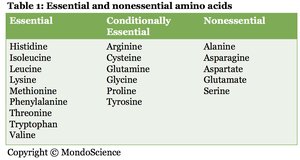
Nutrients are substances obtained from food that are vital for growth, maintenance, and energy production. Essential nutrients must be obtained from the diet because the body cannot synthesize them.
Essential Nutrients: Required for biological function; omission leads to decline, replenishing restores function.
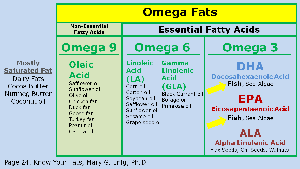
Types: Amino acids, vitamins, minerals, fatty acids.
Food Choices: Influenced by cost, availability, lifestyle, time, taste, and marketing.

Summary Table: Structural Organization
Comparison of Living and Non-Living Things
The following table summarizes the main differences between living and non-living things based on structural and functional characteristics.
Living Things | Non-Living Things |
|---|---|
Need food, air, and water | Do not need food, air, and water |
Grow and reproduce | Do not grow or reproduce |
Made up of cells | Not made up of cells |
Respond to environment | Do not respond to environment |
Excrete waste | Do not excrete waste |
Have definite life cycle | No definite life cycle |
Key Equations
Homeostasis Example
Blood glucose regulation is a classic example of homeostasis:
Conclusion
Understanding the structural organization and fundamental characteristics of living organisms is essential for studying human anatomy and physiology. These concepts provide the foundation for exploring more advanced topics in health, disease, and body function.
