 Back
BackBlood: Structure, Function, and Disorders
Study Guide - Smart Notes
 Tailored notes based on your materials, expanded with key definitions, examples, and context.
Blood: Structure, Function, and Disorders
Overview of Blood
Blood is a specialized connective tissue essential for transporting substances, regulating physiological processes, and protecting the body against disease. It consists of a liquid matrix called plasma and various formed elements, including red blood cells, white blood cells, and platelets.
Normal blood volume: 4–6 liters (7–9% of body weight)
pH: Slightly alkaline, ranging from 7.35 to 7.45
Functions: Transport of gases, nutrients, hormones, and waste; regulation of pH and temperature; protection against pathogens and blood loss
Composition of Blood
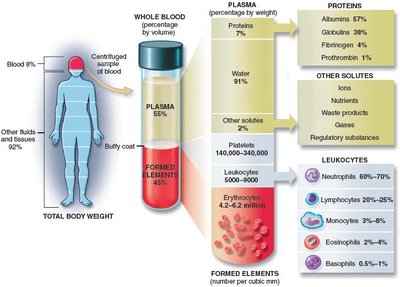
Blood is composed of plasma (the liquid portion) and formed elements (cells and cell fragments).
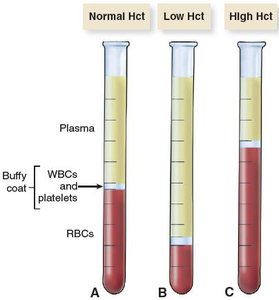
Plasma: 55% of blood volume; contains water, proteins (albumins, globulins, fibrinogen), nutrients, electrolytes, gases, and waste products
Formed elements: 45% of blood volume; includes erythrocytes (RBCs), leukocytes (WBCs), and platelets (thrombocytes)
Blood Plasma
Plasma is the liquid matrix of blood, primarily composed of water and dissolved substances.
Major plasma proteins:
Albumins: Maintain osmotic pressure and water balance
Globulins: Include antibodies for immune defense
Fibrinogen and Prothrombin: Essential for blood clotting
Serum: Plasma without clotting factors; contains antibodies
Formed Elements of Blood
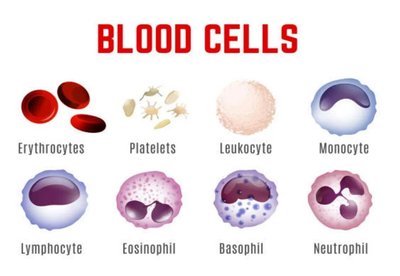
The formed elements are the cellular components of blood, each with specialized functions.
Red Blood Cells (Erythrocytes): Transport oxygen and carbon dioxide
White Blood Cells (Leukocytes): Defend against infection and disease
Platelets (Thrombocytes): Involved in blood clotting
Classes of Blood Cells
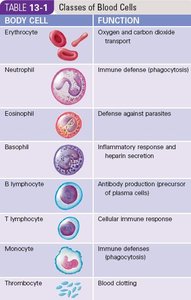
Body Cell | Function |
|---|---|
Erythrocyte | Oxygen and carbon dioxide transport |
Neutrophil | Immune defense (phagocytosis) |
Eosinophil | Defense against parasites |
Basophil | Inflammatory response and heparin secretion |
B lymphocyte | Antibody production (precursor of plasma cells) |
T lymphocyte | Cellular immune response |
Monocyte | Immune defense (phagocytosis) |
Thrombocyte | Blood clotting |
Hematopoiesis
Hematopoiesis is the process of blood cell formation, occurring primarily in red bone marrow (myeloid tissue) and lymphoid tissue.
Red bone marrow: Produces all blood cells except some lymphocytes and monocytes
Lymphoid tissue: Produces lymphocytes and monocytes; found in lymph nodes, thymus, and spleen
Red Blood Cells (Erythrocytes)
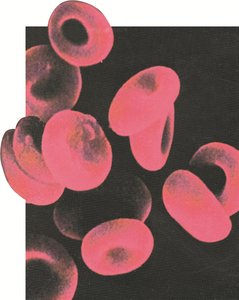
RBCs are biconcave, anucleate cells specialized for gas transport. Their structure maximizes surface area for gas exchange and flexibility for passage through capillaries.
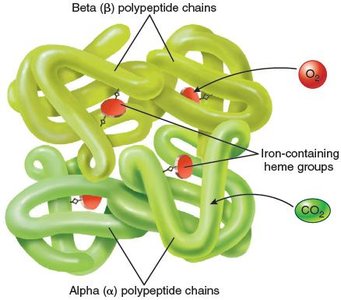
Hemoglobin (Hb): Iron-containing protein that binds oxygen and carbon dioxide
Normal RBC count: 4.2–6.2 million/mm3
Lifespan: ~120 days
Hemoglobin Structure
Hemoglobin consists of four polypeptide chains (two alpha, two beta) each with an iron-containing heme group that binds oxygen.
Blood Cell Counts and Clinical Tests
Blood cell counts and related tests are essential for diagnosing and monitoring health conditions.
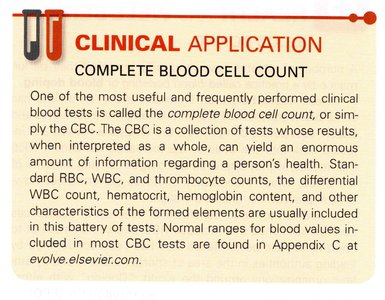
Complete Blood Cell Count (CBC): Measures RBCs, WBCs, platelets, hemoglobin, hematocrit, and differential WBC count
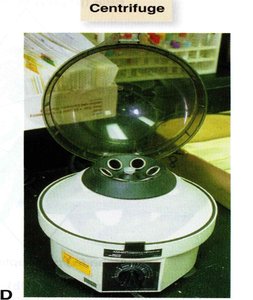
Hematocrit (Hct): Percentage of blood volume occupied by RBCs
Blood Types and Transfusion Compatibility
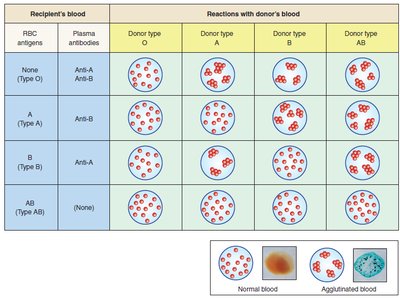
Blood types are determined by the presence or absence of specific antigens on RBCs. The ABO and Rh systems are the most clinically significant.
ABO System: Types A, B, AB, O based on A and B antigens
Rh System: Rh-positive (antigen present) or Rh-negative (antigen absent)
Universal donor: Type O-
Universal recipient: Type AB+
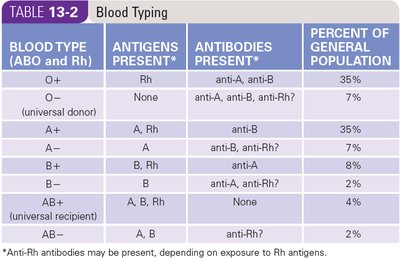
Blood Type (ABO and Rh) | Antigens Present | Antibodies Present | Percent of Population |
|---|---|---|---|
O+ | Rh | anti-A, anti-B | 35% |
O- | None | anti-A, anti-B, anti-Rh? | 7% |
A+ | A, Rh | anti-B | 35% |
A- | A | anti-B, anti-Rh? | 7% |
B+ | B, Rh | anti-A | 8% |
B- | B | anti-A, anti-Rh? | 2% |
AB+ | A, B, Rh | None | 4% |
AB- | A, B | anti-Rh? | 2% |
Red Blood Cell Disorders
Disorders of RBCs can affect oxygen transport and overall health.
Anemia: Reduced oxygen-carrying capacity due to low RBC count, abnormal RBCs, or low/defective hemoglobin
Polycythemia: Excessive RBC production, often due to bone marrow cancer
Types of Anemia
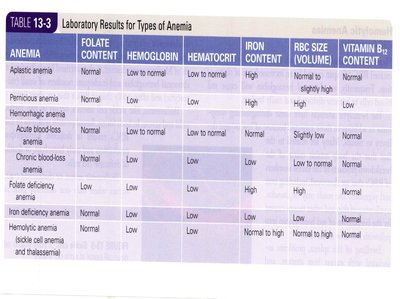
Anemia | Folate Content | Hemoglobin | Hematocrit | Iron Content | RBC Size | Vitamin B12 Content |
|---|---|---|---|---|---|---|
Aplastic | Normal | Low | Low | Normal | Low to normal | Normal |
Pernicious | Normal | Low | Low | Normal | High | Low |
Hemorrhagic | Normal | Low | Low | High | Normal | Normal |
Acute blood-loss | Normal | Low | Low | Normal | Slightly low | Normal |
Chronic blood-loss | Normal | Low | Low | Low | Low to normal | Normal |
Folate deficiency | Low | Low | Low | Normal | High | Normal |
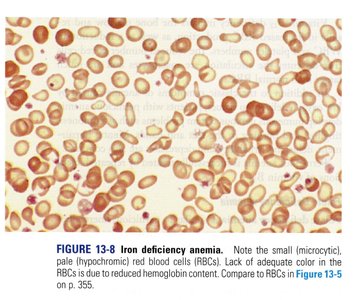
Iron deficiency | Normal | Low | Low | Low | Low | Normal |
Hemolytic (sickle cell, thalassemia) | Normal | Low | Low | Normal to high | Low | Normal |
Iron Deficiency Anemia
Characterized by microcytic (small), hypochromic (pale) RBCs due to inadequate hemoglobin synthesis.
Sickle Cell Anemia
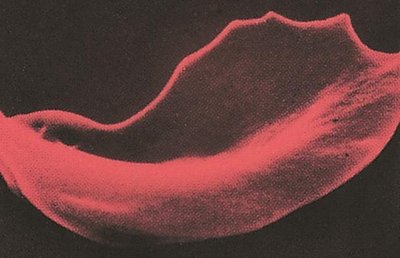
A genetic disorder resulting in abnormal hemoglobin (HbS), causing RBCs to assume a sickle shape under low oxygen conditions. This leads to hemolytic anemia, blood stasis, and painful crises.
Hemolytic Disease of the Newborn (Erythroblastosis Fetalis)
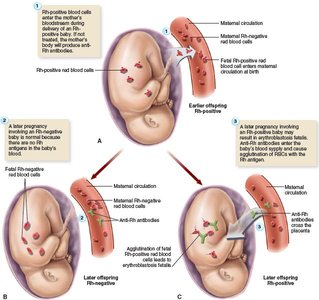
Occurs due to ABO or Rh incompatibility between mother and fetus, leading to maternal antibodies attacking fetal RBCs. Prevention is possible with RhoGAM administration to Rh-negative mothers.
White Blood Cells (Leukocytes)
WBCs are crucial for immune defense and are classified as granulocytes or agranulocytes based on the presence of cytoplasmic granules.
Granulocytes: Neutrophils, eosinophils, basophils
Agranulocytes: Lymphocytes (B and T cells), monocytes
Normal WBC count: 5,000–10,000/mm3
Phagocytosis
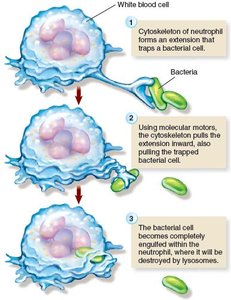
Neutrophils and monocytes are phagocytes, engulfing and destroying pathogens and debris.
White Blood Cell Disorders
Leukopenia: Abnormally low WBC count; may occur in immune disorders
Leukocytosis: Abnormally high WBC count; common in infections and leukemia
Leukemia: Cancers of WBCs, classified as acute/chronic and lymphoid/myeloid
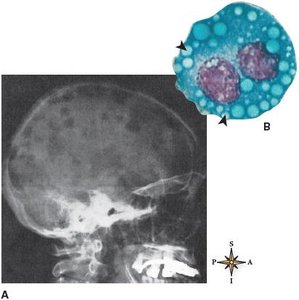
Multiple Myeloma: Cancer of plasma cells (B lymphocytes), causing bone lesions and anemia
Platelets and Blood Clotting
Platelets (thrombocytes) are cell fragments essential for hemostasis (stopping bleeding) by forming platelet plugs and releasing clotting factors.
Clotting mechanism:
Damaged tissue releases clotting factors
Prothrombin activator and calcium convert prothrombin to thrombin
Thrombin converts fibrinogen to fibrin, forming a clot
Disorders: Hemophilia (factor VIII deficiency), thrombocytopenia (low platelet count), vitamin K deficiency
Summary Table: Blood Cell Types and Functions
Cell Type | Main Function |
|---|---|
Erythrocyte | Oxygen and carbon dioxide transport |
Neutrophil | Phagocytosis of bacteria |
Eosinophil | Defense against parasites, allergic reactions |
Basophil | Release histamine and heparin (inflammation) |
Lymphocyte (B) | Antibody production |
Lymphocyte (T) | Cell-mediated immunity |
Monocyte | Phagocytosis, become macrophages |
Platelet | Blood clotting |
Key Equations
Hematocrit (Hct):
Oxygen Carrying Capacity:
Clinical Applications
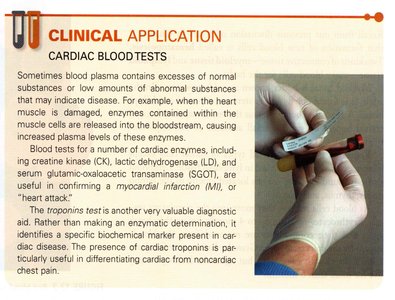
Cardiac blood tests: Enzyme levels (CK, LDH, SGOT, troponins) can indicate myocardial infarction
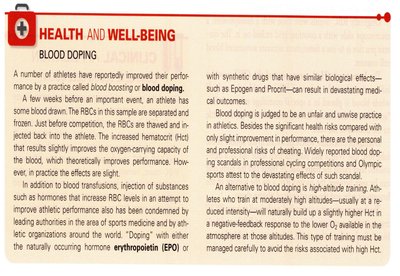
Blood doping: Artificially increasing RBC count to enhance athletic performance is dangerous and unethical
Review Questions
Blood pH is between 7.35 and 7.45. This makes the blood: Answer: B. Slightly alkaline
The formed element that functions in oxygen and carbon dioxide transport is the: Answer: A. Erythrocyte
During periods of chronic blood loss, the body helps maintain homeostasis by producing: Answer: C. Normocytic RBCs
If you have type A blood, type ____ antigen is on the RBC and the plasma contains _____ antibodies. Answer: C. A, anti-B
_____ anemia results from a deficiency of vitamin B12. Answer: D. Pernicious
_____ leukemia results from cancerous transformation of granulocytic precursor cells in the bone marrow. Answer: B. Chronic myeloid
A common type of clotting disorder resulting in a decrease in the platelet count is called: Answer: D. Thrombocytopenia
