 Back
Chapter 17: Blood – Structure, Function, and Disorders
Study Guide - Smart Notes
 Tailored notes based on your materials, expanded with key definitions, examples, and context.
Blood Composition and Overview
Main Components of Blood
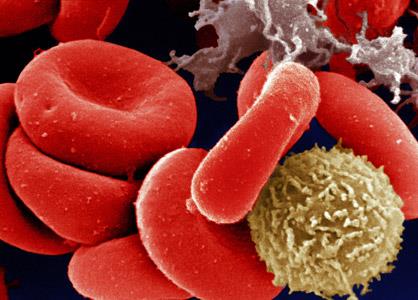
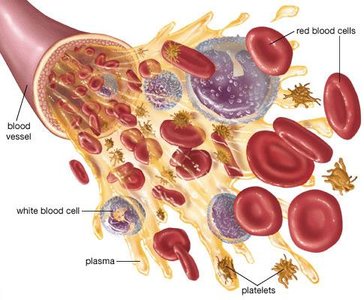
Blood is a specialized fluid connective tissue composed of plasma and formed elements. The formed elements include erythrocytes (red blood cells), leukocytes (white blood cells), and platelets. Each component plays a distinct role in maintaining homeostasis and supporting physiological functions.
Plasma: The liquid matrix, primarily water, containing proteins, nutrients, electrolytes, and waste products.
Erythrocytes (RBCs): Responsible for oxygen transport.
Leukocytes (WBCs): Key players in immune defense.
Platelets: Essential for blood clotting (coagulation).
Hematocrit and Blood Volume
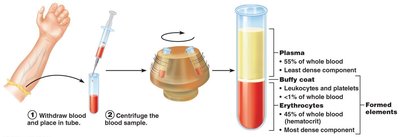
The hematocrit is the percentage of blood volume occupied by erythrocytes. Typical values are 47% ± 5% for males and 42% ± 5% for females. Leukocytes and platelets make up about 1%, with plasma constituting the remainder. Blood is a sticky, opaque fluid with a pH of 7.35–7.45 and accounts for approximately 8% of body weight.
Functions of Blood
Distribution
Blood transports oxygen and nutrients to cells, removes metabolic wastes, and delivers hormones from endocrine organs to target tissues.
Regulation
Body temperature: Blood absorbs and distributes heat.
pH balance: Maintained by buffers in plasma.
Fluid volume: Blood proteins help maintain osmotic pressure.
Protection
Against blood loss: Platelets and plasma proteins initiate clot formation.
Against infection: Antibodies, complement proteins, and WBCs defend against pathogens.
Blood Plasma
Composition
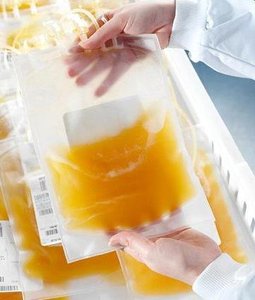
Plasma is 90% water and contains over 100 dissolved solutes, including plasma proteins (albumin, globulins, fibrinogen), metabolic by-products, nutrients, electrolytes, respiratory gases, and hormones.
Formed Elements
Cellular Components
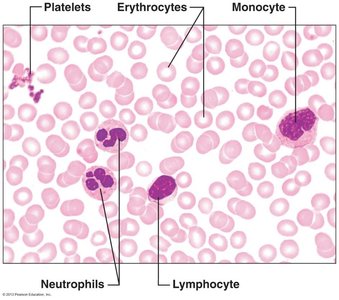
Only WBCs are complete cells; RBCs lack nuclei and organelles, and platelets are cell fragments. Most formed elements originate in bone marrow and have limited lifespans.
Erythrocytes (Red Blood Cells)
Structure and Function
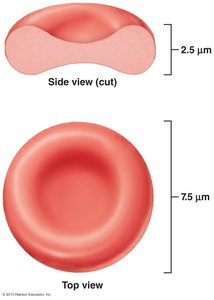
Erythrocytes are biconcave, anucleate discs filled with hemoglobin. Their shape increases surface area for gas exchange and allows flexibility. RBCs are the major contributors to blood viscosity.
Hemoglobin and Gas Transport
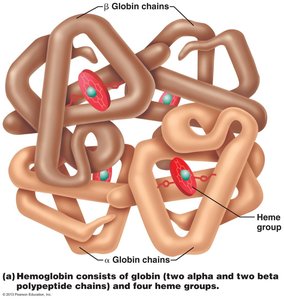
Hemoglobin (Hb) binds reversibly with oxygen. Each molecule consists of four globin chains (two alpha, two beta) and four heme groups, each containing an iron atom that binds one O2 molecule. Each RBC contains about 250 million Hb molecules.
O2 loading: Forms oxyhemoglobin (ruby red).
O2 unloading: Forms deoxyhemoglobin (dark red).
CO2 loading: Forms carbaminohemoglobin (carries 20% of CO2).
Hematopoiesis
Blood Cell Formation
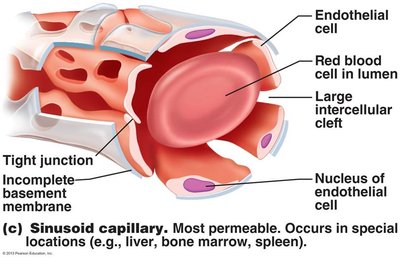
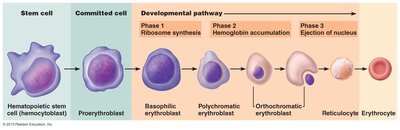
Hematopoiesis occurs in red bone marrow and produces all formed elements from hematopoietic stem cells (hemocytoblasts). Hormones and growth factors direct differentiation.
Erythropoiesis Regulation
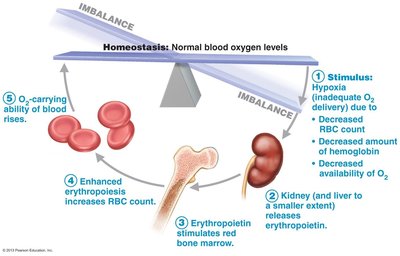
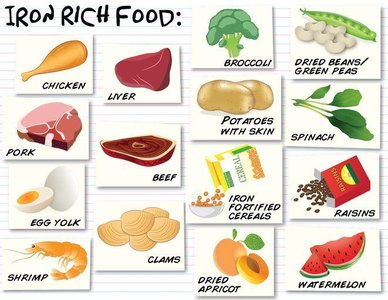
RBC production is regulated by erythropoietin (EPO), released by the kidneys in response to hypoxia. Adequate nutrients, iron, vitamin B12, and folic acid are required for erythropoiesis.
Fate and Destruction of Erythrocytes
Lifecycle and Breakdown
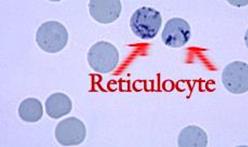
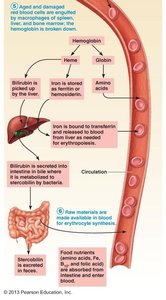
RBCs live 100–120 days. Old cells are engulfed by macrophages in the spleen, liver, and bone marrow. Hemoglobin is broken down: iron is salvaged, heme is degraded to bilirubin, and globin is metabolized to amino acids.
Erythrocyte Disorders
Anemia
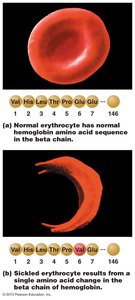
Anemia is a condition of abnormally low O2-carrying capacity, resulting in fatigue, paleness, shortness of breath, and chills. Causes include insufficient erythrocytes, low hemoglobin content, and abnormal hemoglobin.

Polycythemia
Polycythemia is an excess of RBCs, increasing blood viscosity. It may result from bone marrow cancer, high altitude, increased EPO production, or blood doping.
Leukocytes (White Blood Cells)
Types and Functions
Leukocytes make up less than 1% of blood volume and are crucial for immune defense. They can leave capillaries via diapedesis and move through tissues by amoeboid motion and chemotaxis.
Granulocytes
Neutrophils: Most numerous, phagocytic, "bacteria slayers."
Eosinophils: Digest parasitic worms, modulate immune response.
Basophils: Release histamine, functionally similar to mast cells.
Agranulocytes
Lymphocytes: Crucial to immunity; T cells attack infected cells, B cells produce antibodies.
Monocytes: Largest WBCs, differentiate into macrophages, phagocytic.
Leukocyte Disorders
Leukopenia and Leukemia
Leukopenia is a low WBC count, often drug-induced. Leukemia is a cancerous condition involving abnormal WBC clones, leading to impaired immune function and increased risk of infection.
Platelets and Hemostasis
Platelet Structure and Function
Platelets are fragments of megakaryocytes, regulated by thrombopoietin. They form temporary plugs to seal vessel breaks and contain granules with clotting factors.
Hemostasis
Hemostasis is the process of stopping bleeding, involving three steps: vascular spasm, platelet plug formation, and coagulation.
Vascular spasm: Vasoconstriction reduces blood loss.
Platelet plug formation: Platelets adhere to collagen, release chemicals to recruit more platelets.
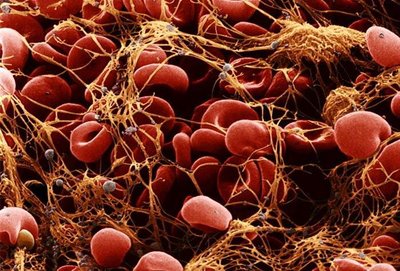
Coagulation: Clotting factors transform blood from liquid to gel, reinforcing the plug with fibrin threads.
Coagulation Cascade
The coagulation cascade involves three phases:
Formation of prothrombin activator (intrinsic and extrinsic pathways).
Conversion of prothrombin to thrombin.
Thrombin catalyzes the joining of fibrinogen to form a fibrin mesh.
Phase | Key Event |
|---|---|
1 | Prothrombin activator formation |
2 | Prothrombin → Thrombin |
3 | Fibrinogen → Fibrin mesh |
Blood Groups and Transfusions
ABO and Rh Blood Groups
Blood groups are determined by antigens (agglutinogens) on RBC membranes. The ABO system includes types A, B, AB, and O. The Rh system is based on the presence of Rh factors, especially the D antigen.
Transfusion reactions: Occur if mismatched blood is infused, leading to agglutination and hemolysis.
Hemolytic disease of the newborn: Rh– mother exposed to Rh+ blood may produce anti-Rh antibodies, affecting subsequent Rh+ pregnancies.
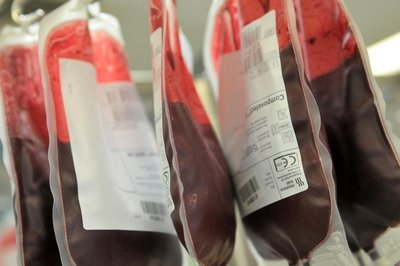
Summary Table: Blood Components
Component | Main Function | Key Features |
|---|---|---|
Plasma | Transport, regulation | 90% water, proteins, solutes |
Erythrocytes | Oxygen transport | Biconcave, hemoglobin-rich |
Leukocytes | Immune defense | Granulocytes & agranulocytes |
Platelets | Clotting | Cell fragments, clotting factors |
Additional info: These notes expand on the original content with academic context, definitions, and examples to provide a comprehensive, exam-ready study guide for college-level anatomy and physiology students.
