 Back
BackChapter 18: The Endocrine System – Structured Study Notes
Study Guide - Smart Notes
 Tailored notes based on your materials, expanded with key definitions, examples, and context.
The Endocrine System
Introduction to the Endocrine System
The endocrine system is a major regulatory system in the body, working alongside the nervous system to maintain homeostasis. It uses hormones as chemical messengers to coordinate cellular activities across various tissues and organs.
Mechanisms of Intercellular Communication
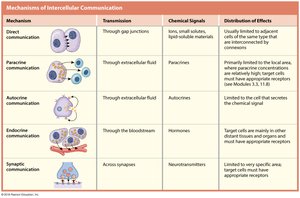
Cells communicate using several mechanisms, each involving different chemical messengers and transmission methods:
Direct Communication: Through gap junctions; uses ions and small molecules; limited to adjacent cells.
Paracrine Communication: Through extracellular fluid; uses paracrine factors; affects local cells.
Autocrine Communication: Through extracellular fluid; uses autocrines; affects the same cell that secreted the messenger.
Endocrine Communication: Through the bloodstream; uses hormones; affects distant target cells with appropriate receptors.
Synaptic Communication: Across synapses; uses neurotransmitters; limited to specific target cells.
Similarities Between Nervous and Endocrine Systems
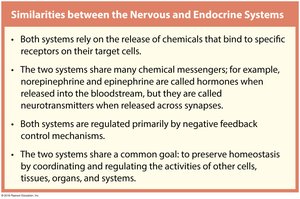
Both systems share several features:
Release chemicals that bind to specific receptors on target cells.
Share chemical messengers (e.g., norepinephrine and epinephrine).
Regulated primarily by negative feedback mechanisms.
Common goal: maintain homeostasis by coordinating activities of cells, tissues, and organs.
Hormone Classification and Functions
Classification of Hormones
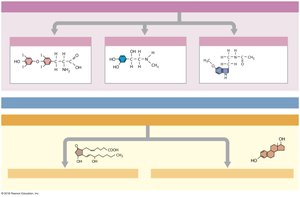
Hormones are classified based on their chemical structure:
Amino Acid Derivatives: Includes thyroid hormones (T3, T4), catecholamines (epinephrine, norepinephrine, dopamine), and tryptophan derivatives (melatonin).
Peptide Hormones: Synthesized as prohormones; includes short peptides (ADH, oxytocin), small proteins (hGH, prolactin), and glycoproteins (TSH, LH, FSH).
Lipid Derivatives: Built from fatty acids or cholesterol; includes eicosanoids (leukotrienes, prostaglandins) and steroid hormones (testosterone, estrogens, corticosteroids, calcitriol).
Endocrine Organs and Their Hormones
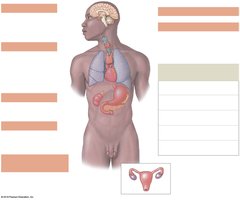
Major endocrine organs and their functions:
Hypothalamus: Regulates fluid balance, smooth muscle contraction, and controls hormone secretion by the pituitary.
Pituitary Gland: Regulates adrenal cortex, thyroid gland, reproductive organs, and melanin production.
Thyroid Gland: Controls metabolic rate and calcium levels.
Adrenal Glands: Regulate mineral balance, metabolism, stress resistance, and sympathetic activation.
Pancreas: Regulates glucose uptake and utilization.
Pineal Gland: Produces melatonin for circadian rhythms.
Parathyroid Glands: Regulate calcium ion concentration.
Mechanisms of Hormonal Action
Hormone-Receptor Interactions
Hormones exert effects by binding to specific receptors:
Receptors may be on the plasma membrane or inside the cell.
Cells respond only to hormones for which they have receptors.
Second Messenger Systems
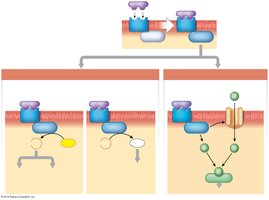
Hormones binding to membrane receptors use second messengers (e.g., cAMP, Ca2+) to relay signals inside the cell, affecting metabolic reactions.
Steroid and Thyroid Hormone Actions
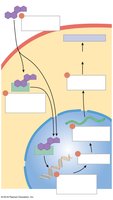
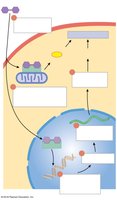
Steroid hormones diffuse through membranes and bind to cytoplasmic or nuclear receptors, altering gene transcription and protein synthesis. Thyroid hormones enter cells, bind to mitochondrial and nuclear receptors, and increase ATP production and enzyme synthesis.
Hypothalamic Control of Endocrine Organs
Hypothalamic Functions
The hypothalamus integrates nervous and endocrine systems:
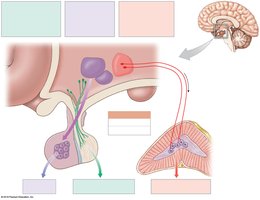
Synthesizes ADH and oxytocin, transported to the posterior pituitary.
Secretes regulatory hormones (releasing and inhibiting) for anterior pituitary control.
Direct neural control over adrenal medulla.
Uses the hypophyseal portal system for vascular connection to the anterior pituitary.
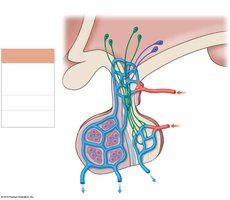
Pituitary Gland Structure and Hormones
Anterior Pituitary (Adenohypophysis)
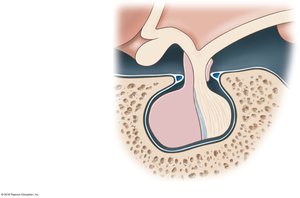
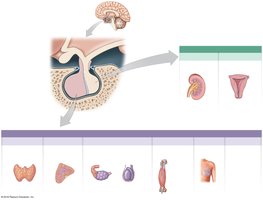
Located in the sella turcica, the anterior pituitary produces tropic hormones:
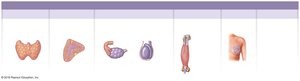
TSH: Stimulates thyroid hormone production.
ACTH: Stimulates adrenal cortex.
FSH & LH: Regulate reproductive organs.
hGH: Stimulates growth and metabolism.
PRL: Initiates and maintains milk secretion.
MSH: Increases skin pigmentation.
Posterior Pituitary (Neurohypophysis)
Stores and releases hormones synthesized by the hypothalamus:
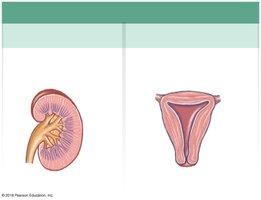
ADH: Promotes water reabsorption in kidneys.
OXT: Stimulates uterine contractions and milk ejection.
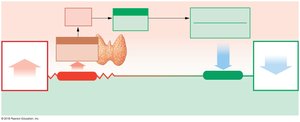
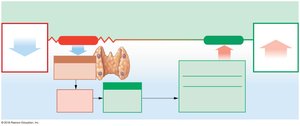
Negative Feedback in Endocrine Regulation
Negative Feedback Mechanisms
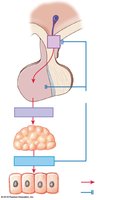
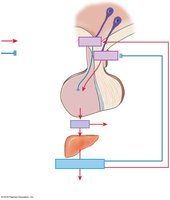
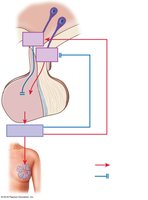
Hormone secretion is regulated by negative feedback:
Releasing hormone from hypothalamus triggers pituitary hormone release.
Pituitary hormone stimulates target organ.
Target organ hormone inhibits further secretion from both hypothalamus and pituitary.
Thyroid and Parathyroid Glands
Thyroid Gland
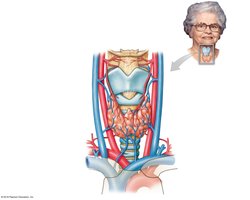
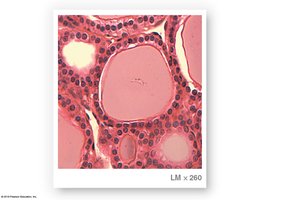
Located below the larynx, the thyroid produces T3, T4, and calcitonin:
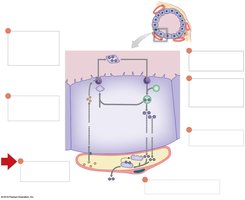
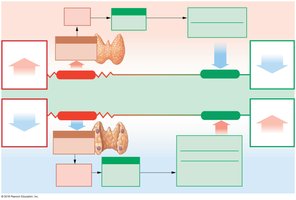
T3 & T4: Increase metabolic rate, oxygen use, heart rate, and sensitivity to sympathetic stimulation.
Calcitonin: Lowers blood calcium levels.
Parathyroid Glands
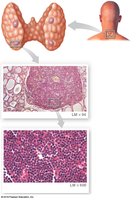
Located on the posterior thyroid, the parathyroid glands produce PTH:
PTH: Raises blood calcium by stimulating osteoclasts, increasing kidney reabsorption, and promoting calcitriol production.
Calcitonin and PTH have opposing effects on calcium homeostasis.
Adrenal Glands
Adrenal Cortex
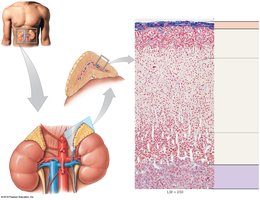
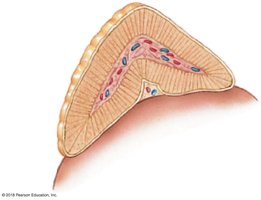
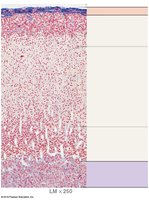
Located superior to the kidneys, the adrenal cortex has three zones:
Zona glomerulosa: Secretes mineralocorticoids (aldosterone) for sodium and water balance.
Zona fasciculata: Secretes glucocorticoids (cortisol) for metabolism and stress resistance.
Zona reticularis: Secretes androgens for pubic hair development.
Adrenal Medulla
Secretes epinephrine and norepinephrine, producing fight-or-flight responses:
Increases cardiac activity, blood pressure, and blood glucose.
Pancreas and Blood Glucose Regulation
Pancreatic Islets
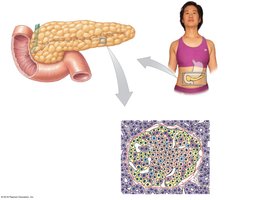
The pancreas is both an exocrine and endocrine organ:
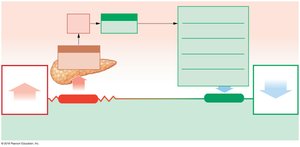
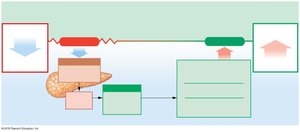
Alpha cells: Secrete glucagon to raise blood glucose.
Beta cells: Secrete insulin to lower blood glucose.
Delta cells: Secrete growth hormone-inhibiting hormone.
F-cells: Secrete pancreatic polypeptide.
Blood Glucose Homeostasis
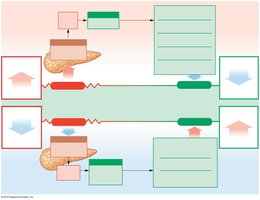
Insulin and glucagon regulate blood glucose levels:
Insulin increases glucose uptake and storage.
Glucagon increases glucose release from liver.
Pineal Gland
Structure and Function
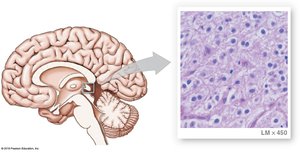
The pineal gland produces melatonin, which regulates circadian rhythms, acts as an antioxidant, and may influence reproductive functions.
Clinical Module: Diabetes Mellitus
Types and Manifestations
Diabetes Mellitus is characterized by hyperglycemia, glycosuria, and polyuria:
Type I: Insulin-dependent, caused by deficiency of insulin.
Type II: Insulin-independent, caused by insulin resistance.
Complications include nephropathy, neuropathy, retinopathy, and cardiovascular issues.

Hormone Interactions and System Integration
Types of Hormone Interactions
Cells respond to multiple hormones simultaneously, resulting in:
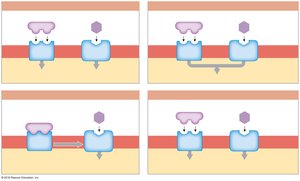
Antagonistic effects: Opposing actions (e.g., insulin vs. glucagon).
Additive effects: Synergistic actions for greater effect.
Permissive effects: One hormone enables another's action.
Integrative effects: Complementary actions (e.g., calcitriol and PTH).
Hormones of the Heart and Kidneys
Heart
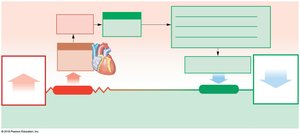
Endocrine cells in the heart secrete natriuretic peptides to reduce blood volume and pressure by promoting sodium and water loss, inhibiting renin and ADH, and suppressing thirst.
Kidneys
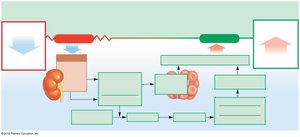
Kidneys release erythropoietin (EPO) to stimulate RBC production and renin to activate the renin-angiotensin-aldosterone system, increasing blood pressure and volume.
Hormonal Influences on Growth and Development
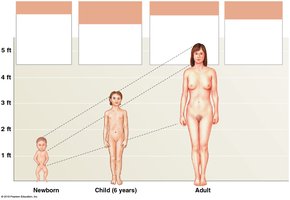
Normal growth requires cooperation among several hormones:
Growth hormone: Stimulates protein synthesis and cellular growth.
Insulin: Enables glucose and amino acid uptake.
Parathyroid hormone and calcitriol: Promote calcium absorption for bone growth.
Thyroid hormone: Essential for nervous system and skeletal development.
Reproductive hormones: Stimulate growth and differentiation in target tissues.
General Adaptation Syndrome and Stress Responses
Stages of Stress Response
Stress threatens homeostasis and triggers the general adaptation syndrome:
Alarm Phase: Fight or flight response; increased heart rate, breathing, glucose mobilization.
Resistance Phase: Long-term metabolic adjustments; hormone-driven responses.
Exhaustion Phase: Depletion of resources, weakened organs, potential death.
Key Endocrine Disorders
Pituitary Gland Disorders
Dwarfism: Hyposecretion of hGH.
Gigantism: Hypersecretion of hGH in childhood.
Acromegaly: Hypersecretion of hGH in adulthood.
Diabetes insipidus: Absent ADH, causing polyuria and thirst.
Thyroid Gland Disorders
Cretinism: Hyposecretion during fetal life or infancy.
Graves’ disease: Hypersecretion, high metabolic rate.
Goiter: Enlarged thyroid gland.
Adrenal Gland Disorders
Cushing’s syndrome: Hypersecretion of cortisol, muscle wasting, impaired glucose metabolism.
Addison’s disease: Hyposecretion of adrenal hormones.
Pancreatic Disorders
Diabetes Mellitus: Inability to produce or use insulin; Type I (genetic), Type II (weight-related).
