 Back
BackChapter 24: Nutrition, Metabolism, and Energy Balance – ANP College Study Notes
Study Guide - Smart Notes
 Tailored notes based on your materials, expanded with key definitions, examples, and context.
Nutrition and Metabolism
Body Weight Regulation
Body weight is maintained when energy intake equals energy output, reflecting a homeostatic set point. Heredity accounts for 30-50% of individual variation, while eating and exercise habits contribute to the rest.
Homeostatic Set Point: The body's tendency to maintain a stable weight.
Heredity vs. Lifestyle: Genetics and lifestyle both influence body weight.

Calories and Energy Content
Calories measure the energy content of food. One calorie is the heat required to raise 1 g of water by 1°C. Food energy is typically measured in kilocalories (kcal).
Fats: 9 kcal/g
Carbohydrates and Proteins: 4 kcal/g
Nutrients: Types and Functions
Nutrients are substances ingested for growth, repair, or maintenance. They are classified as macronutrients (needed in large amounts) and micronutrients (needed in small amounts).
Macronutrients: Carbohydrates, Fats, Proteins
Micronutrients: Minerals, Vitamins
Essential Nutrients: Cannot be synthesized by the body; must be obtained from diet (e.g., certain amino acids, fatty acids, minerals, vitamins)
RDA: Recommended Daily Allowances are safe estimates for daily intake.



Dietary Guidelines
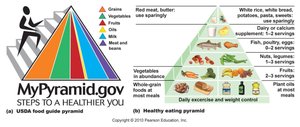
Balanced nutrition is essential for health. Dietary guidelines recommend a mix of macronutrients and micronutrients from various food groups.
Food Pyramid: Visual guide for healthy eating, emphasizing grains, vegetables, fruits, and moderate intake of meats and fats.
Carbohydrates
Structure and Function
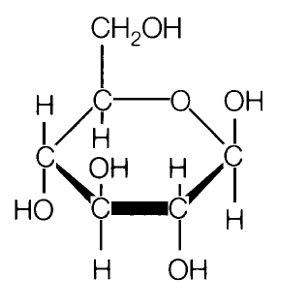
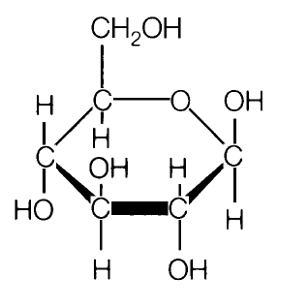
Carbohydrates, or saccharides, are organic compounds with the formula (CH2O). They serve as the body's primary energy source.
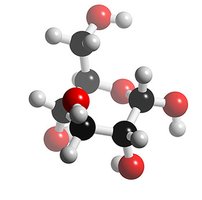
Blood Glucose: C6H12O6, regulated by insulin and glucagon.
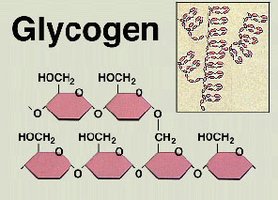
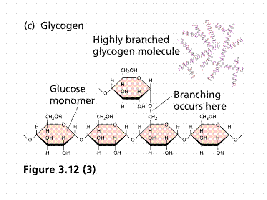
Glycogen: Polymer of glucose, stored in liver and muscles for energy.
Dietary Sources and RDA
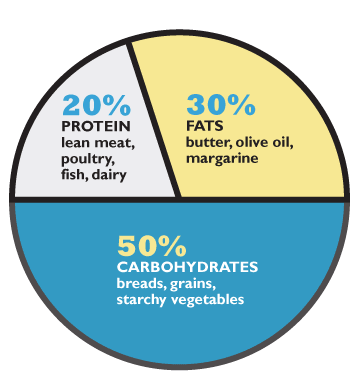
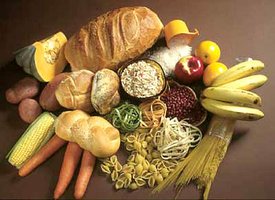
Most dietary carbohydrates come from plants. The RDA for carbohydrates is higher than for any other nutrient due to their rapid metabolism.
Sources: Grains, legumes, fruits, root vegetables
Types: Sucrose (table sugar), fructose (fruits), maltose (cereal), lactose (milk)
Recommendation: Prefer complex carbohydrates over simple sugars
Carbohydrate Metabolism
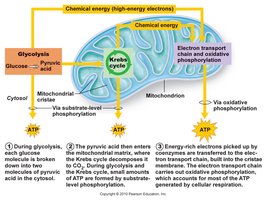
Carbohydrates are metabolized to produce ATP, the cell's energy currency. The process involves several steps:
Cellular Respiration:
Energy Transfer: Glucose is oxidized, and energy is transferred to ATP.
Cellular Respiration Pathways
Cellular respiration is a series of reactions that break down glucose to efficiently transfer energy to ATP. The three main stages are:
Glycolysis
Krebs Cycle
Electron Transport Chain
Glycogenesis, Glycogenolysis, and Gluconeogenesis
These processes regulate glucose storage and production:
Glycogenesis: Synthesis of glycogen from glucose, stimulated by insulin and epinephrine.
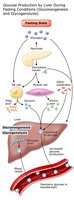
Glycogenolysis: Breakdown of glycogen to glucose, stimulated by glucagon during fasting.
Gluconeogenesis: Synthesis of glucose from non-carbohydrate sources when glycogen is depleted.
Dietary Fiber
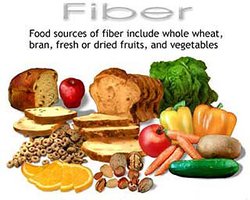
Dietary fiber is fibrous material that resists digestion. It is important for digestive health and cholesterol regulation.
Sources: Oats, beans, peas, carrots, brown rice, fruits
Functions: Absorbs water, softens stool, increases bulk, stimulates peristalsis, lowers blood cholesterol
Lipids
Types and Functions
Lipids include fats, phospholipids, and steroids. They are the body's main energy storage and have diverse structural and chemical functions.
Energy Storage: Lipids are hydrophobic and contain twice the energy per gram as carbohydrates.
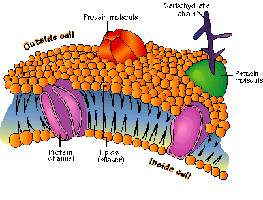
Structural: Phospholipids and cholesterol are components of plasma membranes.
Chemical Precursors: Cholesterol is a precursor for steroids, bile salts, and vitamin D; fatty acids are precursors for prostaglandins.
Fat Requirements and Sources
Most fatty acids are synthesized by the body, but essential fatty acids must be consumed. Saturated fats are mainly from animal sources, while unsaturated fats are found in plants.
Saturated Fats: Meat, egg yolks, dairy
Unsaturated Fats: Nuts, seeds, vegetable oils
Cholesterol: Egg yolks, cream, shellfish, organ meats
Recommendation: Less than 30% of daily calories from fat

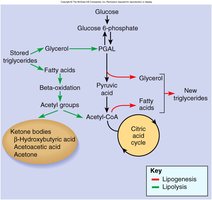
Lipid Metabolism: Lipolysis and Lipogenesis
Lipids are stored as triglycerides in adipocytes. Lipolysis breaks down fat for fuel, while lipogenesis synthesizes fat from other sources.
Lipolysis: Glycerol enters glycolysis; fatty acids are broken down for energy.
Lipogenesis: Amino acids and sugars are converted to fatty acids and glycerol.
Ketosis
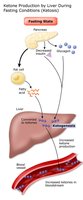
Ketosis occurs when fat is broken down for energy, producing ketone bodies. This is common in fasting or diabetes.
Ketone Bodies: Acetoacetic acid, beta-hydroxybutyric acid, acetone
Serum Lipoproteins
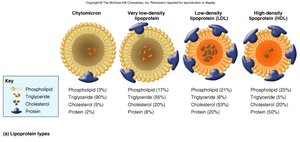
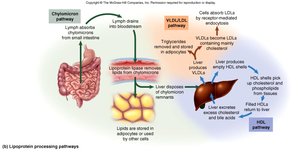
Lipids are transported in the blood as lipoproteins, which are categorized by density. More protein means higher density.
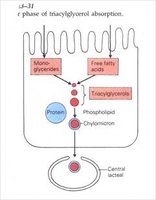
Chylomicrons: Form in small intestine, transport dietary fats
VLDL: Produced by liver, transport lipids to adipose tissue
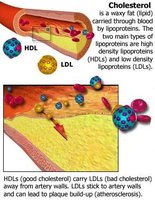
LDL: Deliver cholesterol to cells
HDL: Remove cholesterol from arteries, deliver to liver for elimination
Desirable Lipoprotein Levels
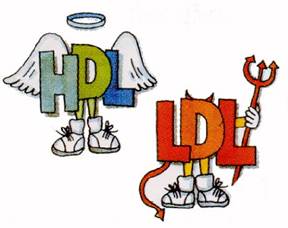
High HDL and low LDL are desirable for cardiovascular health. High LDL correlates with cholesterol deposition in arteries.
Total Cholesterol: < 200 mg/dL is desirable
Recommendations: Exercise, avoid smoking, saturated fats, coffee, and stress
Proteins
Structure and Functions
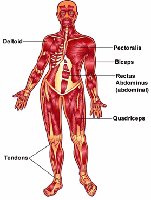
Proteins make up 12-15% of body mass, mostly in skeletal muscles. They serve structural, functional, and regulatory roles.
Functions: Muscle contraction, cell membranes, fibrous proteins (collagen, keratin), globular proteins (antibodies, myoglobin, enzymes), plasma proteins (osmolarity, viscosity)
Protein Requirements and Sources
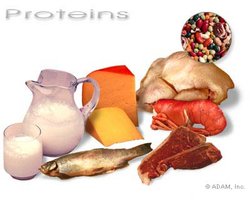
The RDA for protein is 44-60 g/day. Nutritional value depends on amino acid composition. Complete proteins supply all essential amino acids.
Animal Proteins: Meat, eggs, dairy (complete proteins)
Plant Proteins: Must be combined for completeness (e.g., beans and rice)
Protein Metabolism
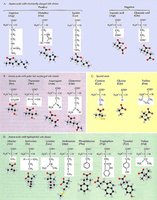
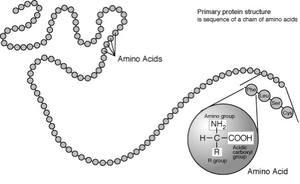
Amino acids are used to synthesize new proteins. For fuel, they must be deaminated, producing ammonia, which is converted to urea by the liver.
Deamination: Removal of NH2 group
Urea: Excreted in urine
Minerals
Functions and Sources
Minerals are essential for bone structure, enzyme function, and electrolyte balance.
Calcium and Phosphorus: Bones and teeth
Phosphorus: Phospholipids, ATP, nucleic acids
Iron: Hemoglobin and myoglobin
Chlorine: Stomach acid (HCl)
Electrolytes: Nerve and muscle function
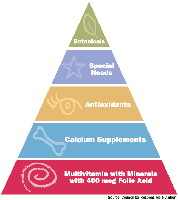
Dietary Sources and Recommendations
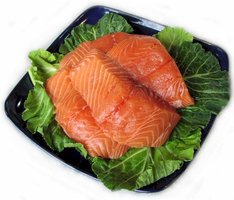
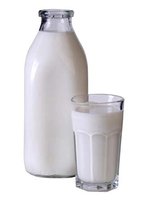
Minerals are found in vegetables, legumes, milk, eggs, fish, and shellfish. Animal tissues contain large amounts of salt; herbivores often supplement by ingesting soils.
Recommended Sodium Intake: 1.1 g/day
Typical American Intake: 4.5 g/day

Vitamins
Types and Functions
Vitamins are organic compounds required for various metabolic processes. Some are synthesized from precursors, while others must be obtained from diet.
Water-Soluble Vitamins: C, B (absorbed with water)
Fat-Soluble Vitamins: A, D, E, K (absorbed with dietary lipids)


Appetite Regulation
Hormonal Control
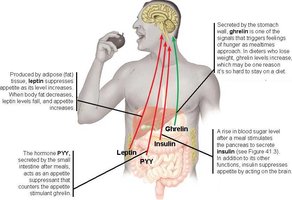
Appetite is regulated by hormones such as leptin, ghrelin, peptide YY (PYY), and insulin.
Leptin: Secreted by adipocytes; decreases appetite
Ghrelin: Secreted by stomach; increases hunger
PYY: Secreted by ileum; induces satiety
Insulin: Secreted by pancreas; weak appetite suppressant

Obesity and Appetite Hormones
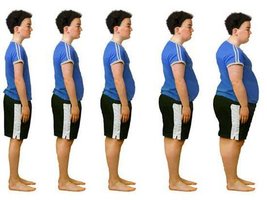
Obesity is often associated with leptin receptor defects, making the body unresponsive to leptin. Ghrelin is a key hunger hormone, and controlling it may help manage obesity.
Obesity: BMI > 30; influenced by heredity and childhood adipocyte proliferation
Ghrelin: Target for potential obesity treatments

Metabolic States
Absorptive State
The absorptive state lasts about 4 hours after a meal, during which nutrients are absorbed and used for energy.
Carbohydrates: Glucose used for ATP synthesis; excess stored as glycogen or fat
Fats: Taken up by fat cells
Amino Acids: Used for protein synthesis
Regulation of Absorptive State
Insulin is secreted in response to elevated blood glucose, increasing cellular uptake and stimulating glycolysis, glycogenesis, lipogenesis, and protein synthesis.
Postabsorptive State
In the postabsorptive state, stored fuels are used to maintain blood glucose, especially critical for brain function.
Carbohydrates: Glucose from glycogen reserves, then synthesized from other compounds
Fat: Glucose from adipocytes
Protein: Used as fuel when glycogen and fat reserves are depleted
Regulation of Postabsorptive State
Glucagon is secreted when blood glucose drops, stimulating glycogenolysis and gluconeogenesis to raise glucose levels.
Metabolic Rate
Basal and Total Metabolic Rate
Metabolic rate is the amount of energy used in a given period. Basal metabolic rate (BMR) is measured under relaxed, awake, fasting conditions.
Adult Male BMR: 2000 kcal/day
Factors Affecting Total MR: Size, gender, age, pregnancy, anxiety, fever, eating, thyroid hormones, depression, exercise, muscle/fat mass, activity level, body temperature
