 Back
BackChemistry Comes Alive: Biochemistry and Organic Molecules in Human Physiology
Study Guide - Smart Notes
 Tailored notes based on your materials, expanded with key definitions, examples, and context.
Chemistry Comes Alive: Biochemistry and Organic Molecules in Human Physiology
Introduction to Biochemistry
Biochemistry is the study of the chemical composition and reactions of living matter. It links biology and chemistry, providing foundational knowledge for medicine, genetics, and nutrition. Understanding biochemistry is essential for comprehending health and disease at the molecular level.
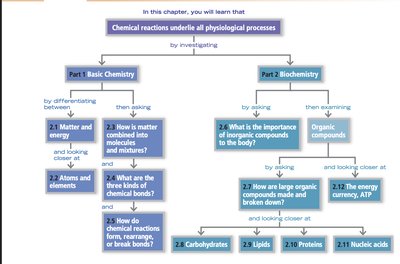
Organic Compounds: Contain carbon-hydrogen bonds, are made by living things, and are covalently bonded.
Inorganic Compounds: Typically lack carbon (except CO2 and CO), include water, salts, acids, and bases.
Water and Salts in Homeostasis
Water is crucial for maintaining homeostasis in the body.
High Heat Capacity: Absorbs and releases large amounts of heat before changing temperature.
High Heat of Vaporization: Requires significant heat to break hydrogen bonds.
Polar Solvent Properties: Dissolves many substances, facilitating reactions and forming hydration layers around charged molecules.
Chemical Reactions: Participates directly in metabolic processes as a reactant (hydrolysis and dehydration).
Salts (Electrolytes)
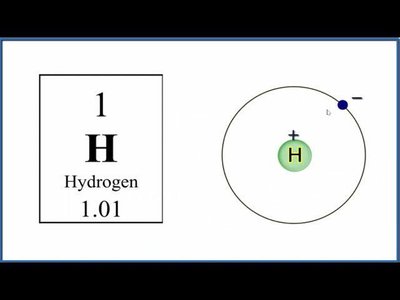
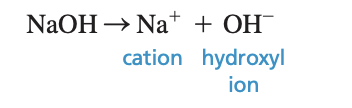
Salts are ionic compounds containing cations other than H+ and anions other than OH-.
Electrolytes: Substances that conduct electrical current in solution.
Nerve Transmission: Sodium and potassium ions are crucial.
Muscle Contraction: Calcium ions are essential.
Acids, Bases, and pH
Acids and bases are defined by their behavior in aqueous solutions.
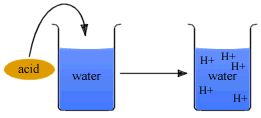
Acids: Donate hydrogen ions (H+) in water, increasing proton concentration and acidity.
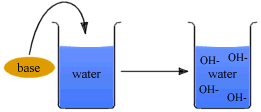
Bases: Accept hydrogen ions or donate hydroxide ions (OH-), decreasing proton concentration and increasing alkalinity.
Understanding pH
The pH scale measures the acidity or alkalinity of a solution, ranging from 0 (acidic) to 14 (basic), with 7 being neutral.
Biological Importance: Enzymes and cellular processes are sensitive to pH.
Buffers: Chemical systems, kidneys, and lungs regulate acid-base balance.
Strong Acids/Bases: Dissociate easily; weak acids/bases do not.
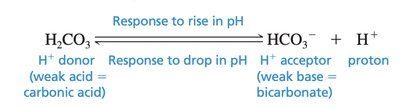
Bicarbonate-Carbonic Acid Buffer System
This buffer system maintains blood pH within the normal range (7.35–7.45).
As blood pH rises, carbonic acid dissociates, releasing H+ ions and lowering pH.
As pH drops, bicarbonate ions bind protons, raising pH.
Organic Compounds: Synthesis and Hydrolysis
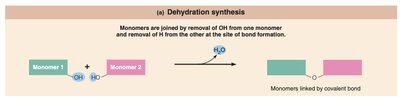
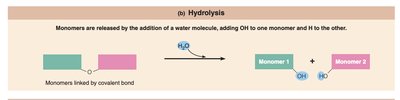
Organic molecules contain carbon and are often polymers made of monomers.
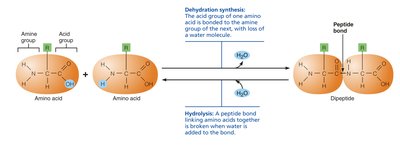
Dehydration Synthesis: Forms complex molecules by removing water, joining monomers into polymers.
Hydrolysis: Breaks down polymers into monomers by adding water.
Carbohydrates: Structure and Function
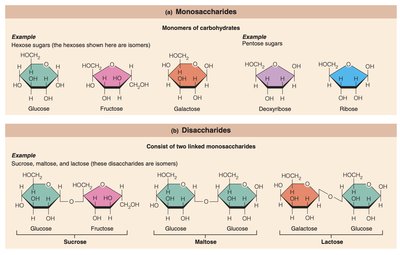
Carbohydrates are molecules containing carbon, hydrogen, and oxygen, serving as sugars and starches.
Monosaccharides: Simple sugars (glucose, fructose, galactose).
Disaccharides: Two monosaccharides joined (sucrose, lactose).
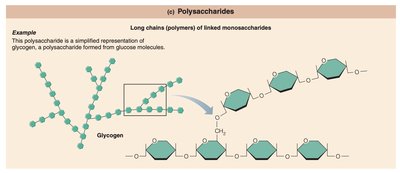
Polysaccharides: Many monosaccharides linked (starch, glycogen, cellulose).
Biological Functions
Energy Storage: Starch (plants) and glycogen (animals) store glucose.
Structural Support: Cellulose provides structure in plant cell walls.
Cellular Communication: Glycoproteins and glycolipids are involved in cell signaling.

Lipids: Structure and Function
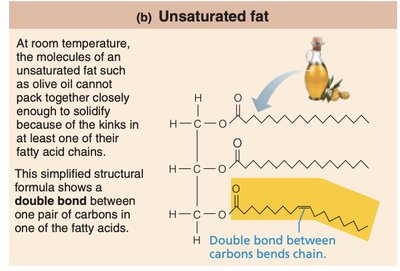
Lipids are hydrophobic molecules, insoluble in water, with diverse structures.
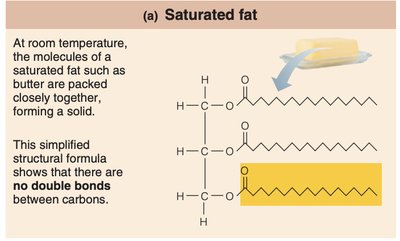
Fatty Acids: Long hydrocarbon chains with a carboxyl group.
Glycerol: Three-carbon alcohol.
Triglycerides: Glycerol + three fatty acids (energy storage).
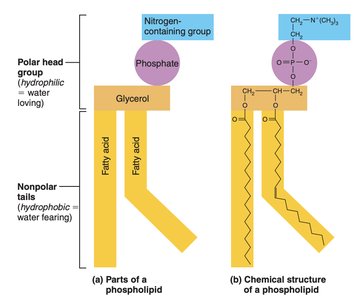
Phospholipids: Glycerol + two fatty acids + phosphate group (cell membranes).
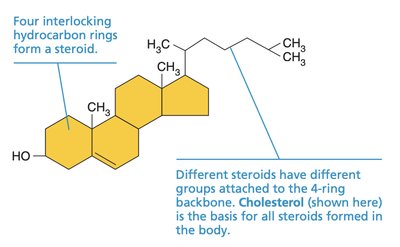
Steroids: Four fused carbon rings (cholesterol, hormones).
Biological Functions
Energy Storage: Triglycerides store energy.
Membrane Formation: Phospholipids form cell membranes.
Signaling: Steroid hormones regulate physiological processes.
Proteins: Structure and Function
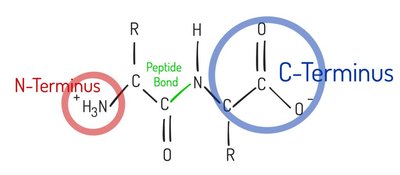
Proteins are polymers of amino acids, joined by peptide bonds.
Amino Acids: Organic molecules with an amino group, carboxyl group, and variable R-group.
Peptide Bond: Links amino acids together.
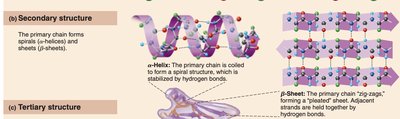
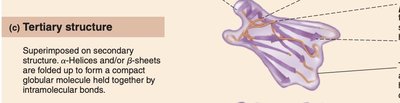
Four Levels of Structure: Primary (sequence), Secondary (alpha helices, beta sheets), Tertiary (3D folding), Quaternary (multi-subunit arrangement).
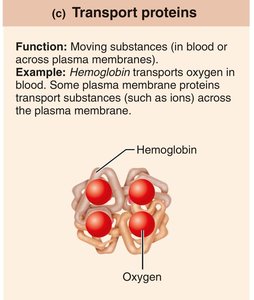
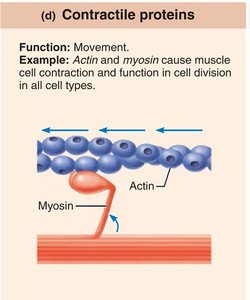
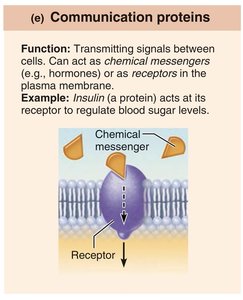
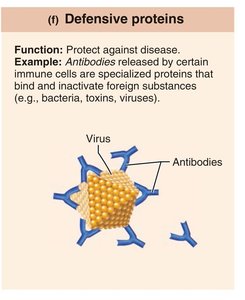
Protein Folding and Disease
Proper protein folding is essential for function; misfolded proteins can cause diseases such as Alzheimer's and Parkinson's.
Chaperone Proteins: Assist in folding.
Proteasomes: Destroy misfolded proteins.
Enzymes: Biological Catalysts
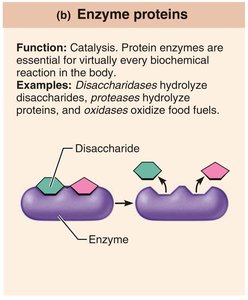
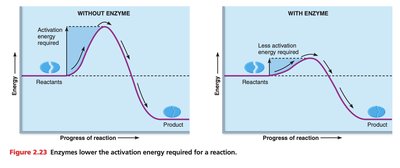
Enzymes are proteins that speed up biochemical reactions by lowering activation energy.
Specificity: Each enzyme catalyzes specific reactions.
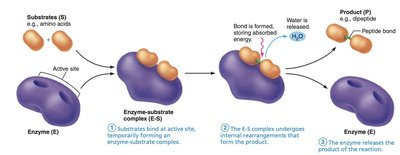
Mechanism: Substrates bind to the active site, forming an enzyme-substrate complex, which undergoes rearrangements to form products.
Protein Denaturation
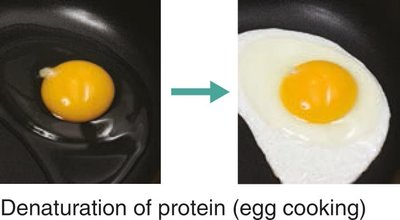
Denaturation occurs when proteins lose their functional shape due to changes in pH or temperature.
Example: Cooking an egg irreversibly denatures proteins.
Fibrous vs. Globular Proteins
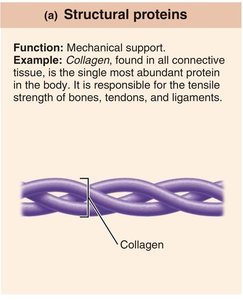
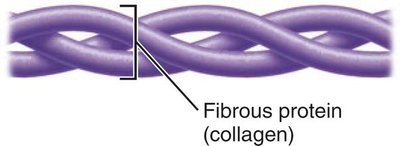
Fibrous Proteins: Strandlike, water-insoluble, stable (e.g., collagen).
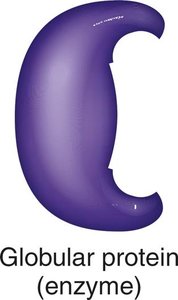
Globular Proteins: Compact, spherical, water-soluble, sensitive to environmental changes (e.g., enzymes).
Factors Affecting Enzyme Activity
Temperature: High temperatures denature enzymes; low temperatures slow reactions.
pH: Each enzyme has an optimal pH range.
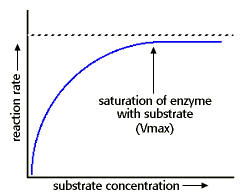
Substrate Concentration: Increasing substrate increases reaction rate up to saturation (Vmax).
Nucleic Acids: DNA and RNA
Nucleic acids store and transmit genetic information.
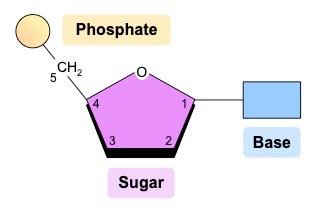
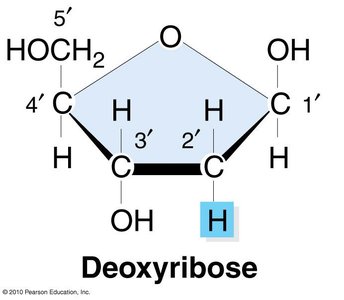
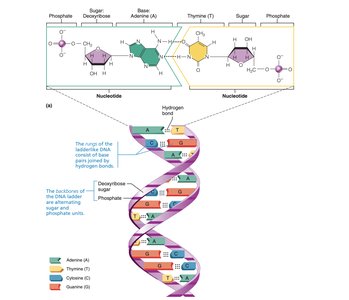
DNA: Double helix, composed of deoxyribose sugar, phosphate group, and nitrogenous bases (A, T, G, C).
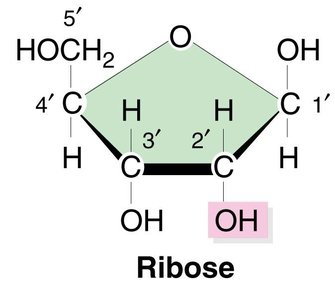
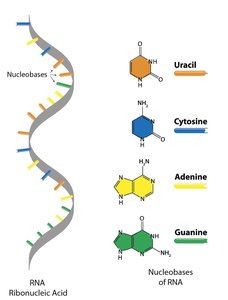
RNA: Single-stranded, composed of ribose sugar, phosphate group, and nitrogenous bases (A, U, G, C).
DNA vs. RNA: Structural and Functional Differences
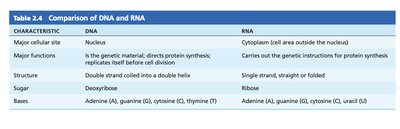
Characteristic | DNA | RNA |
|---|---|---|
Major cellular site | Nucleus | Cytoplasm |
Major functions | Genetic material; directs protein synthesis; replicates before cell division | Genetic instructions for protein synthesis |
Structure | Double strand, double helix | Single strand, straight or folded |
Sugar | Deoxyribose | Ribose |
Bases | A, G, C, T | A, G, C, U |
Metabolism: An Overview
Metabolism is the sum of all chemical reactions in a living organism, including catabolic and anabolic pathways.
Catabolism: Breaks down complex molecules, releasing energy.
Anabolism: Builds up complex molecules, consuming energy.
ATP: The Energy Currency
ATP (adenosine triphosphate) stores and transfers energy during metabolic reactions.
ATP releases energy when hydrolyzed to ADP and phosphate.
Powers cellular activities.
Genetics and Biochemistry
Genetics determines the structure and function of proteins and enzymes, influencing biochemical processes and diseases.
Genetic Diseases: Result from mutations in genes involved in biochemical pathways.
Enzyme Inhibitors and Drug Action
Enzyme inhibitors regulate biochemical reactions and are used as drugs to treat diseases.
Types: Competitive, non-competitive, uncompetitive inhibitors.
Drug Action: Drugs interact with specific molecules to exert effects.
Biochemical Pathways in Disease
Biochemical pathways are implicated in metabolic disorders and cancer. Understanding these pathways aids drug development.
Pharmacokinetics and Pharmacodynamics
Pharmacokinetics: Describes how the body processes a drug.
Pharmacodynamics: Describes how a drug affects the body.
The Future of Biochemistry
Biochemistry advances understanding of life at the molecular level, with new technologies impacting medicine, biotechnology, and agriculture.
Example: Bioengineering and artificial wombs.
