 Back
BackChemistry Comes Alive: Biochemistry and Organic Molecules in Human Physiology
Study Guide - Smart Notes
 Tailored notes based on your materials, expanded with key definitions, examples, and context.
Chemistry Comes Alive: Biochemistry Foundations
Introduction to Biochemistry
Biochemistry is the study of the chemical composition and reactions of living matter. It bridges biology and chemistry, providing foundational knowledge for medicine, genetics, and nutrition. Understanding biochemistry is essential for comprehending health and disease at the molecular level.
Organic Compounds: Contain carbon-hydrogen bonds, are covalently bonded, and are produced by living organisms.
Inorganic Compounds: Typically lack carbon (exceptions: CO2 and CO); include water, salts, acids, and bases.
Water and Salts in Homeostasis
Water's Role in Homeostasis
Water is vital for maintaining homeostasis due to its unique physical and chemical properties.
High Heat Capacity: Absorbs and releases large amounts of heat with minimal temperature change.
High Heat of Vaporization: Requires significant energy to break hydrogen bonds, aiding in cooling mechanisms like sweating.
Polar Solvent Properties: Dissolves many substances, facilitating metabolic reactions and forming hydration layers around charged molecules.
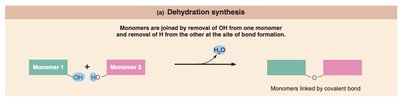
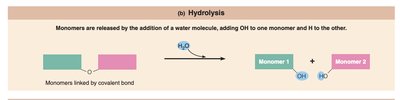
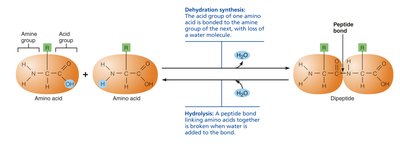
Chemical Reactivity: Participates directly in hydrolysis (breaking bonds with water) and dehydration synthesis (forming bonds by removing water).
Salts (Electrolytes) and Homeostasis
Salts are ionic compounds that dissociate in water to form electrolytes, which are essential for physiological processes.
Electrolytes: Substances that conduct electrical currents in solution (e.g., Na+, K+, Ca2+).
Nerve Transmission: Sodium and potassium ions are crucial for action potentials.
Muscle Contraction: Calcium ions are essential for muscle function.
Acids, Bases, and pH
Definitions and Properties
Acids and bases are defined by their behavior in aqueous solutions.
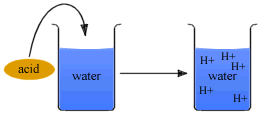
Acids: Donate hydrogen ions (H+) in water, increasing the solution's acidity.
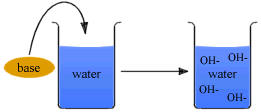
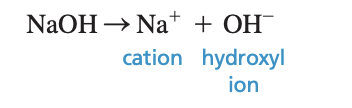
Bases: Accept hydrogen ions or donate hydroxide ions (OH-), increasing alkalinity.
Understanding pH
The pH scale measures the concentration of hydrogen ions in a solution, ranging from 0 (acidic) to 14 (basic), with 7 being neutral.
pH < 7: Acidic (high [H+])
pH > 7: Basic (high [OH-])
Neutralization: Occurs when acids and bases react to form water and a salt.
Biological Importance: Enzyme activity and cellular processes are highly sensitive to pH changes.
Buffers: Chemical systems (e.g., bicarbonate buffer), kidneys, and lungs regulate acid-base balance by resisting pH swings.
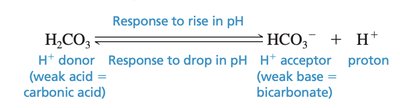
Bicarbonate-Carbonic Acid Buffer System
This buffer system maintains blood pH within the narrow range of 7.35–7.45.
When blood pH rises (becomes basic), carbonic acid dissociates to release H+, lowering pH.
When blood pH drops (becomes acidic), bicarbonate binds H+, raising pH.
Organic Compounds: Synthesis and Hydrolysis
Monomers and Polymers
Many organic molecules are polymers, chains of similar units called monomers. They are synthesized by dehydration synthesis and broken down by hydrolysis.
Class of Organic Molecule | Monomers (Building Blocks) | Polymer |
|---|---|---|
Carbohydrates | Monosaccharides (e.g., glucose) | Polysaccharides |
Proteins | Amino acids | Polypeptides or proteins |
Nucleic acids | Nucleotides | DNA or RNA |
Additional info: Lipids do not form true polymers but are assembled from fatty acids and glycerol.
Dehydration Synthesis and Hydrolysis
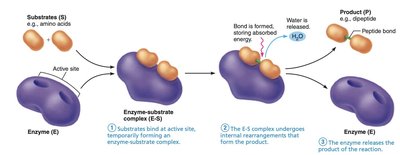
Dehydration Synthesis: Forms complex molecules by removing water; crucial for building polymers like proteins and polysaccharides.
Hydrolysis: Breaks down complex molecules by adding water; important in digestion and catabolic processes.
Carbohydrates
Structure and Classification
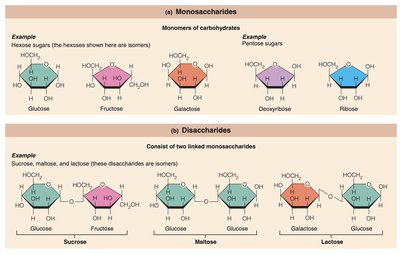
Carbohydrates are organic molecules containing carbon, hydrogen, and oxygen in a 1:2:1 ratio. They include sugars and starches, classified by size and solubility.
Monosaccharides: Simple sugars (e.g., glucose, fructose, galactose).
Disaccharides: Two monosaccharides joined (e.g., sucrose, lactose).
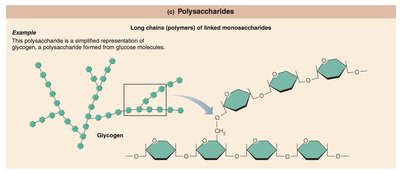
Polysaccharides: Long chains of monosaccharides (e.g., starch, glycogen, cellulose).
Biological Functions
Energy Storage: Starch (plants) and glycogen (animals) store glucose for energy.
Structural Support: Cellulose provides structure in plant cell walls.
Cellular Communication: Glycoproteins and glycolipids are involved in cell signaling.
Lipids
Building Blocks and Structure
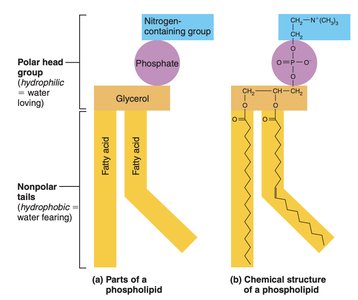
Lipids are hydrophobic molecules composed mainly of fatty acids and glycerol. They are insoluble in water but dissolve in organic solvents.
Fatty Acids: Long hydrocarbon chains with a carboxyl group.
Glycerol: A three-carbon alcohol.
Major Classes: Triglycerides, phospholipids, steroids.
Saturated vs. Unsaturated Fats
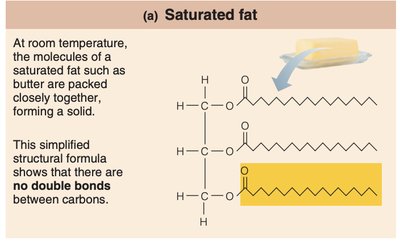
Saturated Fats: No double bonds; pack tightly; solid at room temperature (e.g., butter).
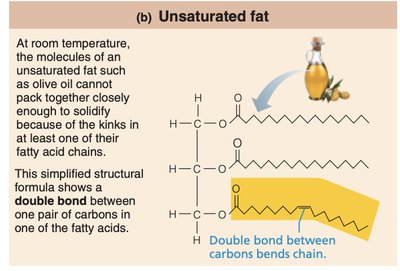
Unsaturated Fats: One or more double bonds; kinked chains; liquid at room temperature (e.g., olive oil).
Steroids
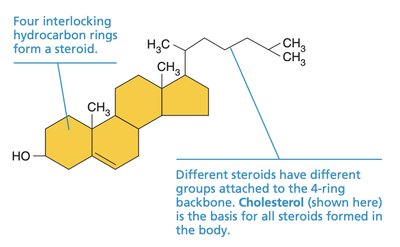
Steroids are lipids with four interlocking hydrocarbon rings. Cholesterol is the most important steroid, serving as a precursor for vitamin D, steroid hormones, and bile salts.
Biological Functions of Lipids
Energy Storage: Triglycerides store energy efficiently.
Membrane Formation: Phospholipids form the lipid bilayer of cell membranes.
Signaling: Steroid hormones regulate gene expression and physiological processes.
Proteins
Amino Acid Building Blocks
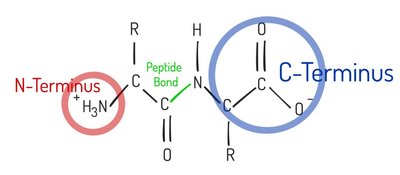
Proteins are polymers of amino acids, joined by peptide bonds. Each amino acid contains an amino group, a carboxyl group, and a variable R-group.
Peptide Bond: Links the acid end of one amino acid to the amine end of the next.
20 Common Amino Acids: Each with unique R-groups determining their properties.
Levels of Protein Structure
Primary: Linear sequence of amino acids.
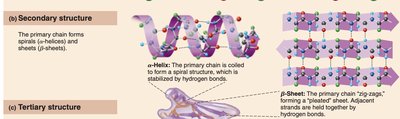
Secondary: Local folding into alpha helices and beta sheets, stabilized by hydrogen bonds.
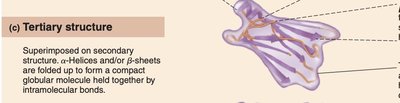
Tertiary: Overall 3D shape formed by interactions between R-groups.
Quaternary: Arrangement of multiple polypeptide chains (subunits).
Protein Functions
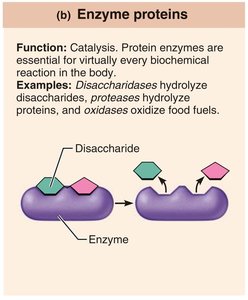
Enzymes: Catalyze biochemical reactions.
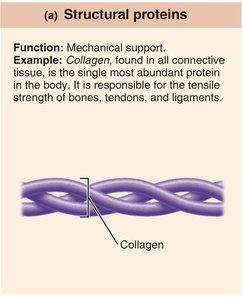
Structural: Provide support (e.g., collagen).
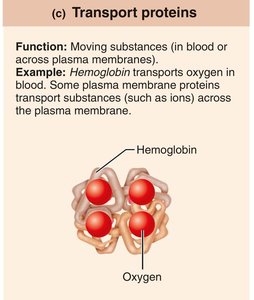
Transport: Move substances (e.g., hemoglobin).
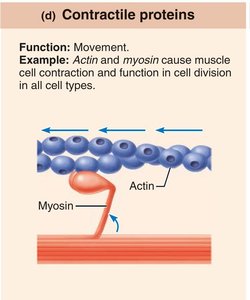
Contractile: Enable movement (e.g., actin, myosin).
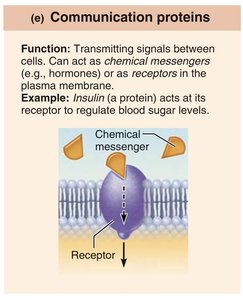
Communication: Transmit signals (e.g., hormones, receptors).
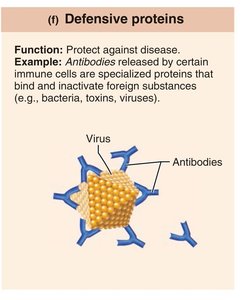
Defensive: Protect against disease (e.g., antibodies).
Protein Folding and Disease
Proper protein folding is essential for function. Misfolded proteins can aggregate and cause diseases such as Alzheimer's and Parkinson's. Chaperone proteins assist in folding, while proteasomes degrade misfolded proteins.
Enzymes: Biological Catalysts
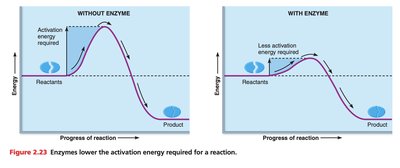
Enzymes lower the activation energy required for biochemical reactions, increasing reaction rates. They are highly specific for their substrates and are essential for nearly all physiological processes.
Protein Denaturation
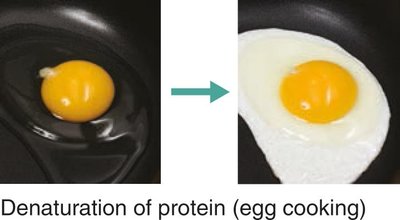
Denaturation is the loss of a protein's functional 3D shape, often caused by extreme pH or temperature. This process is usually reversible unless the changes are severe (e.g., cooking an egg).
Fibrous vs. Globular Proteins
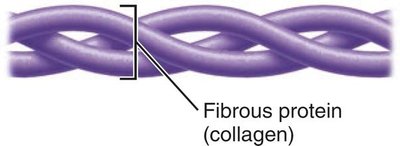
Fibrous Proteins: Strandlike, water-insoluble, provide mechanical support (e.g., collagen).
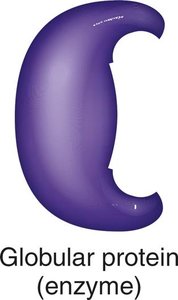
Globular Proteins: Compact, spherical, water-soluble, functionally diverse (e.g., enzymes, antibodies).
Factors Affecting Enzyme Activity
Temperature: High temperatures denature enzymes; low temperatures slow reactions.
pH: Each enzyme has an optimal pH range.
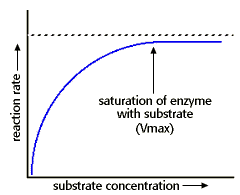
Substrate Concentration: Reaction rate increases with substrate concentration until saturation (Vmax).
Nucleic Acids: DNA and RNA
DNA: Structure and Function
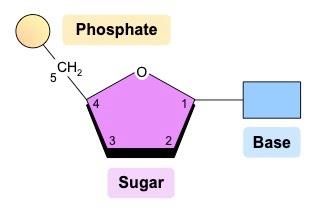
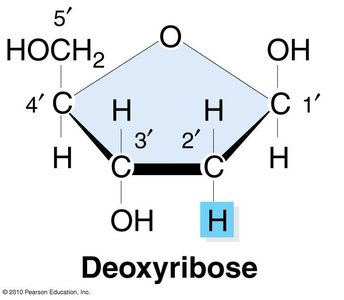
DNA (deoxyribonucleic acid) is the hereditary molecule, storing genetic information in the sequence of its bases. It consists of two strands forming a double helix, with complementary base pairing (A-T, G-C).
RNA: Structure and Function
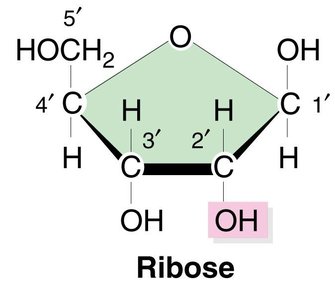
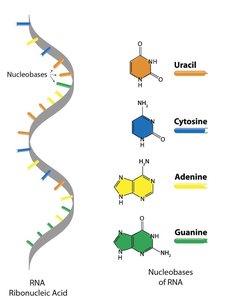
RNA (ribonucleic acid) is usually single-stranded and contains ribose sugar. It plays key roles in protein synthesis and gene regulation. Uracil (U) replaces thymine (T) in RNA.
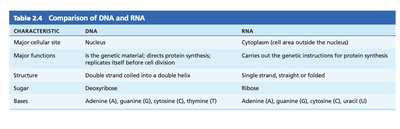
DNA vs. RNA: Structural and Functional Differences
Characteristic | DNA | RNA |
|---|---|---|
Major cellular site | Nucleus | Cytoplasm |
Major functions | Genetic material; directs protein synthesis; replicates before cell division | Carries out genetic instructions for protein synthesis |
Structure | Double strand, coiled into a double helix | Single strand, straight or folded |
Sugar | Deoxyribose | Ribose |
Bases | A, G, C, T | A, G, C, U |
Metabolism and ATP
Overview of Metabolism
Metabolism is the sum of all chemical reactions in a living organism, including catabolic (breakdown) and anabolic (synthesis) pathways.
Catabolism: Breaks down complex molecules, releasing energy.
Anabolism: Builds complex molecules, consuming energy.
ATP: The Energy Currency
ATP (adenosine triphosphate) stores and transfers energy for cellular activities. Hydrolysis of ATP to ADP and phosphate releases energy for cellular work.
ATP → ADP + Pi + energy
ATP powers muscle contraction, active transport, and biosynthesis.
Genetics, Biochemistry, and Disease
Genetics and Biochemistry
Genetic information determines the structure and function of proteins and enzymes. Mutations in genes can lead to biochemical disorders and diseases.
Enzyme Inhibitors and Drug Action
Enzyme inhibitors regulate biochemical pathways and are used as drugs (e.g., ACE inhibitors). Understanding pharmacokinetics (how the body processes drugs) and pharmacodynamics (how drugs affect the body) is essential for drug development.
Biochemical Pathways in Disease
Disruptions in biochemical pathways can cause metabolic disorders and cancer. Understanding these pathways enables the development of targeted therapies.
The Future of Biochemistry
Advances in biochemistry are driving progress in medicine, biotechnology, and agriculture, with innovations such as bioengineering and artificial organs.
