 Back
BackChemistry Comes Alive: Foundations for Anatomy & Physiology
Study Guide - Smart Notes
 Tailored notes based on your materials, expanded with key definitions, examples, and context.
Chemistry Comes Alive
Introduction to Chemistry in Physiology
Chemistry is fundamental to understanding physiological processes in the human body. All body functions depend on chemical reactions, from movement and digestion to nerve impulses and cellular respiration.
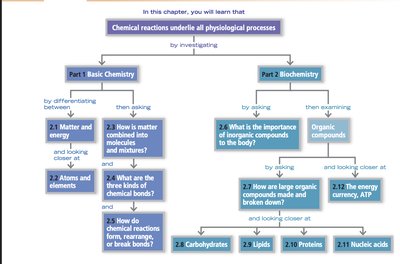
Matter and Energy
Definitions and Properties
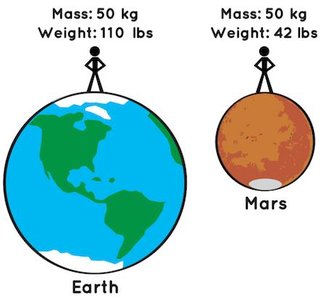
Matter: Anything that occupies space and has mass. Mass is the amount of matter in an object and remains constant, while weight varies with gravity.
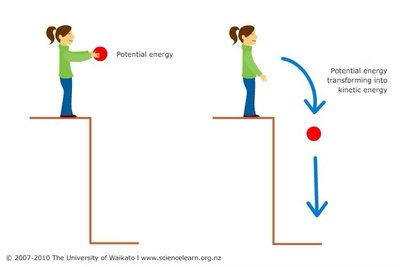
Energy: The capacity to do work or put matter into motion. Energy exists in two main forms: kinetic (energy in action) and potential (stored energy).
Kinetic vs Potential Energy
Kinetic Energy: Energy of motion; increases with mass or velocity.
Potential Energy: Stored energy due to position or structure; can be converted to kinetic energy.
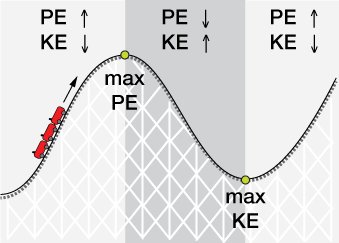
Forms of Energy
Major Types
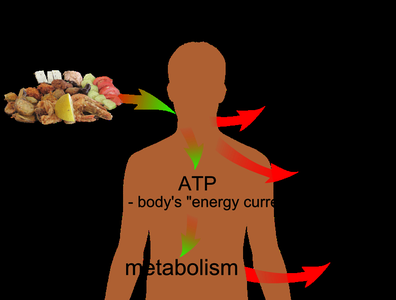
Chemical Energy: Stored in the bonds of chemical substances; released during chemical reactions (e.g., ATP hydrolysis).
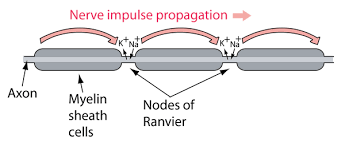
Electrical Energy: Results from the movement of charged particles (ions); essential for nerve impulses and muscle contraction.
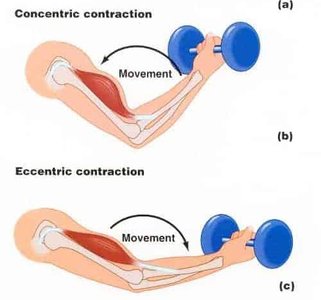
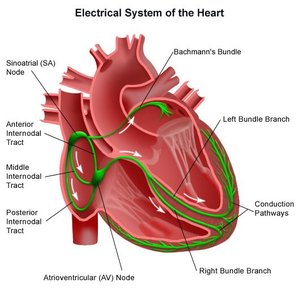
Mechanical Energy: Directly involved in moving matter (e.g., muscle contraction, heart beating).
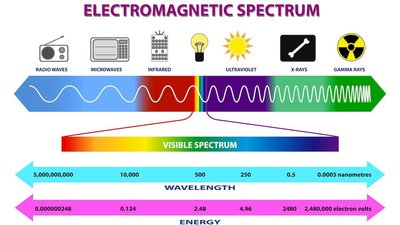
Radiant (Electromagnetic) Energy: Energy that travels in waves (e.g., light, X-rays, ultraviolet rays).
Elements and Atoms
Chemical Elements
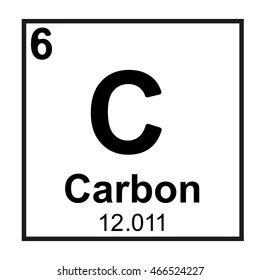
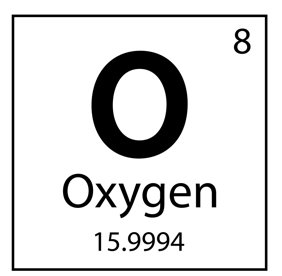
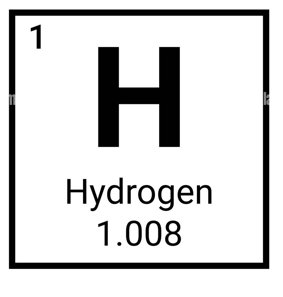
Elements are unique substances that cannot be broken down by ordinary chemical means. The four major elements forming the bulk of body matter are:
Oxygen (O)
Carbon (C)
Hydrogen (H)
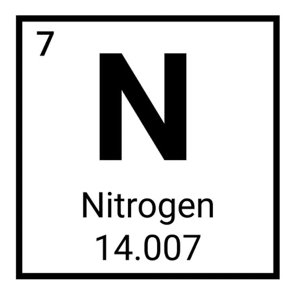
Nitrogen (N)
Atomic Structure
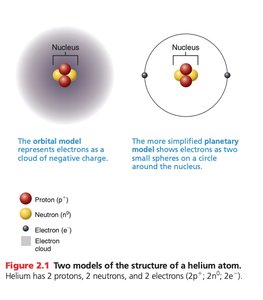
Atoms: Smallest units of elements, composed of subatomic particles:
Protons: Positive charge, mass = 1 amu, located in nucleus
Neutrons: No charge, mass = 1 amu, located in nucleus
Electrons: Negative charge, negligible mass, orbit nucleus in electron cloud
Atomic Number, Mass, and Isotopes
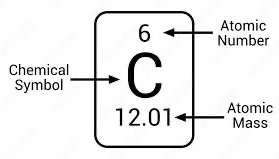
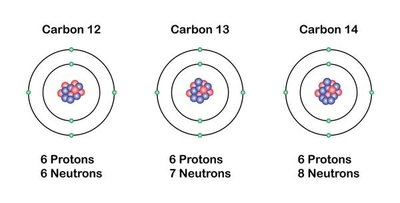
Atomic Number: Number of protons in the nucleus
Atomic Mass: Number of protons plus neutrons
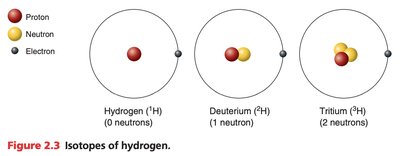
Isotopes: Atoms of the same element with different numbers of neutrons
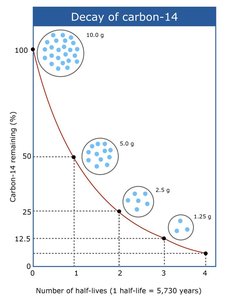
Radioisotopes: Unstable isotopes that decay, emitting radiation (radioactivity)
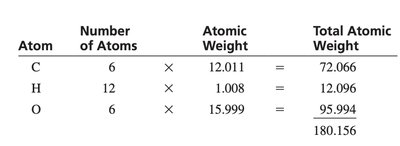
Atomic Weight: Average of the mass numbers of all isotopes
Molecules, Compounds, and Mixtures
Definitions
Molecule: Two or more atoms held together by chemical bonds
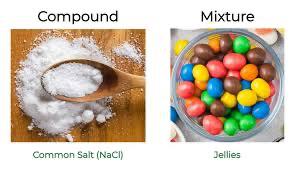
Compound: Molecule containing two or more different elements
Mixture: Physical combination of two or more substances; no chemical bonding
Types of Mixtures
Solutions: Homogeneous mixtures; solute particles are very small
Colloids: Heterogeneous mixtures; solute particles are larger and do not settle out
Suspensions: Heterogeneous mixtures with large, visible solutes that settle out
Concentration of Solutions
Percent (%): Parts per 100 parts of solution
mg/dL: Milligrams per deciliter
Molarity (M): Moles of solute per liter of solution
Mole: Equal to the molecular weight in grams; contains molecules (Avogadro's number)
Chemical Bonds
Role of Electrons and the Octet Rule
Electrons occupy energy levels (shells) around the nucleus.
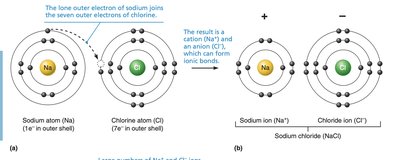
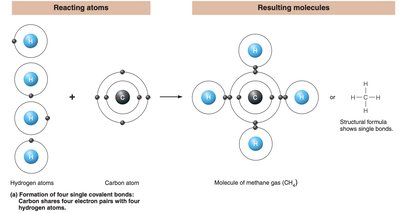
The octet rule states that atoms tend to gain, lose, or share electrons to achieve 8 electrons in their valence shell (except H and He, which require 2).
Types of Chemical Bonds
Ionic Bonds: Formed by the transfer of electrons from one atom to another, creating ions (cations and anions).
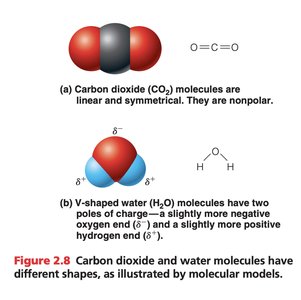
Covalent Bonds: Formed by sharing pairs of electrons between atoms; can be polar (unequal sharing) or nonpolar (equal sharing).
Hydrogen Bonds: Weak attractions between a hydrogen atom (covalently bonded to an electronegative atom) and another electronegative atom.
Chemical Reactions
Types of Chemical Reactions
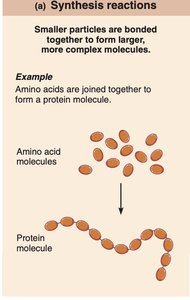
Synthesis (Combination): Atoms or molecules combine to form a larger, more complex molecule.
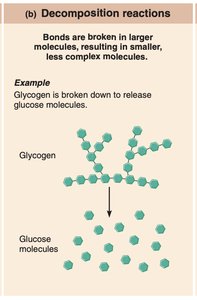
Decomposition: Molecule is broken down into smaller molecules or atoms.
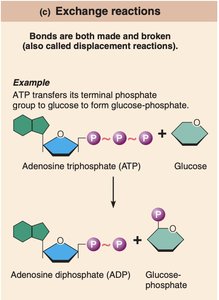
Exchange (Displacement): Bonds are both made and broken; atoms are rearranged.
Oxidation-Reduction (Redox) Reactions
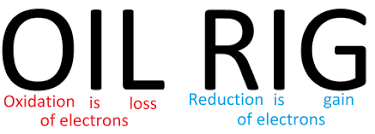
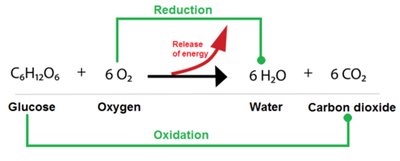
Oxidation: Loss of electrons (electron donor is oxidized)
Reduction: Gain of electrons (electron acceptor is reduced)
Redox reactions are essential for energy transfer in metabolism (e.g., cellular respiration)
Energy Flow in Chemical Reactions
Exergonic Reactions: Release energy; products have less potential energy than reactants (catabolic, oxidative reactions)
Endergonic Reactions: Absorb energy; products have more potential energy than reactants (anabolic reactions)
Irreversibility of Reactions in the Body
Many biological reactions are irreversible due to large energy release or removal of products.
Metabolism is driven forward to sustain life (e.g., glucose oxidation to CO2 and H2O).
Factors Affecting Reaction Rates
Temperature: Higher temperature increases reaction rate (up to a point).
Concentration: Higher concentration of reactants increases rate.
Particle Size: Smaller particles react faster.
Catalysts/Enzymes: Speed up reactions without being consumed.
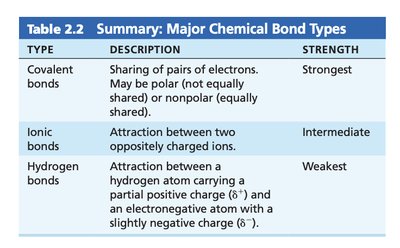
Summary Table: Major Chemical Bond Types
Type | Description | Strength |
|---|---|---|
Covalent bonds | Sharing of pairs of electrons. May be polar (not equally shared) or nonpolar (equally shared). | Strongest |
Ionic bonds | Attraction between two oppositely charged ions. | Intermediate |
Hydrogen bonds | Attraction between a hydrogen atom carrying a partial positive charge (δ+) and an electronegative atom with a slightly negative charge (δ-). | Weakest |
Additional info: For further reading, see Marieb & Hoehn, Human Anatomy & Physiology, 11th ed., Pearson, 2018.
