 Back
BackComprehensive Study Notes for Basic Anatomy & Physiology (Biology 112)
Study Guide - Smart Notes
 Tailored notes based on your materials, expanded with key definitions, examples, and context.
Introduction to Anatomy & Physiology
Definitions and Scope
Anatomy: The study of the structure and shape of the body and its parts, and their relationships to one another.
Physiology: The study of how the body and its parts function.
Relationship: Anatomy and physiology are closely related; structure determines function, and function influences structure.
Levels of Organization (from simplest to most complex):
Atoms
Organelles
Cells
Tissues
Organs
Organ Systems
Organism
Organ Systems Overview
There are 11 major organ systems in the human body, each with specific functions (e.g., integumentary, skeletal, muscular, nervous, endocrine, cardiovascular, lymphatic, respiratory, digestive, urinary, reproductive).
Homeostasis and Control Mechanisms
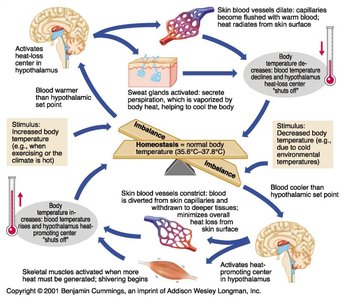
Homeostasis: Maintenance of a stable internal environment necessary for optimal functioning.
Requirements: Nutrients, oxygen, water, normal body temperature, and appropriate atmospheric pressure.
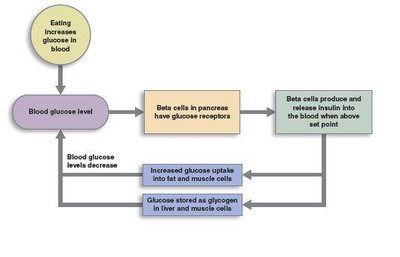
Negative Feedback Loop: The effector inhibits the original stimulus to restore homeostasis (e.g., body temperature regulation, blood glucose regulation).
Positive Feedback Loop: The effector enhances the original stimulus, amplifying the response until a specific outcome is achieved (e.g., labor contractions, blood clotting).
Cell Chemistry & Cell Components
Elements and Atoms
Elements: Pure substances composed of one type of atom; cannot be broken down further.
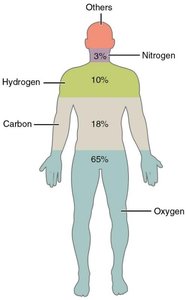
Major elements in the human body: Oxygen, Carbon, Hydrogen, Nitrogen.
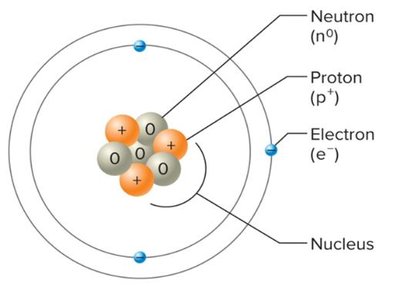
Atoms: The smallest units of matter, composed of protons (positive, nucleus), neutrons (neutral, nucleus), and electrons (negative, electron shells).
Chemical Bonds
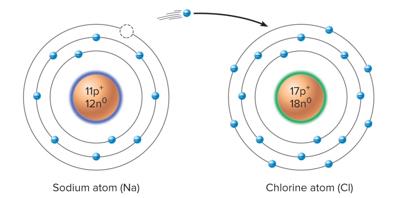
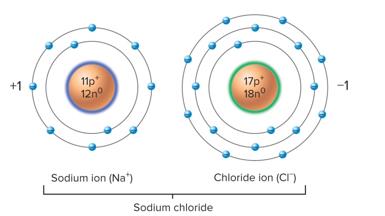
Ionic Bonds: Formed by the transfer of electrons from one atom to another, resulting in charged ions (e.g., Na+ and Cl-).
Covalent Bonds: Formed by the sharing of electrons between atoms. Can be polar (unequal sharing) or nonpolar (equal sharing).
Metabolism and Chemical Reactions
Metabolism: The sum of all chemical reactions in the body.
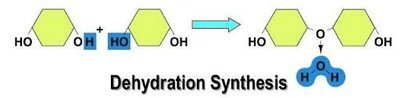
Synthesis (Anabolism): Building larger molecules from smaller ones (e.g., dehydration synthesis).
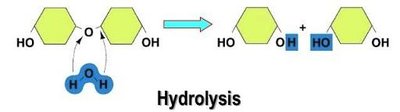
Decomposition (Catabolism): Breaking down larger molecules into smaller ones (e.g., hydrolysis).
Inorganic and Organic Compounds
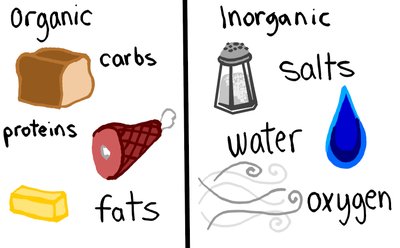
Inorganic Compounds: Usually lack carbon; include water, salts, acids, and bases.
Organic Compounds: Contain carbon and hydrogen; include carbohydrates, lipids, proteins, and nucleic acids.
pH Scale and Buffers
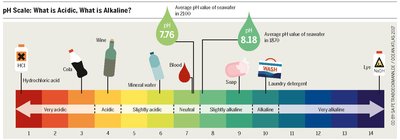
pH: Measures hydrogen ion concentration; scale ranges from 0 (acidic) to 14 (basic), with 7 as neutral.
Buffers help maintain stable pH in body fluids.
Organic Molecules
Carbohydrates: Main energy source; monomers are monosaccharides (e.g., glucose).
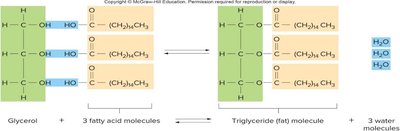
Lipids: Energy storage, insulation; monomers are fatty acids and glycerol.
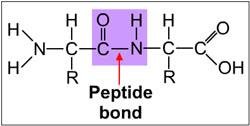
Proteins: Structural and functional roles; monomers are amino acids, joined by peptide bonds.
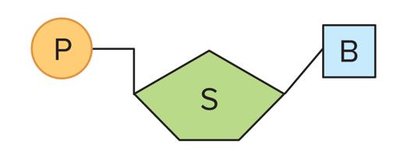
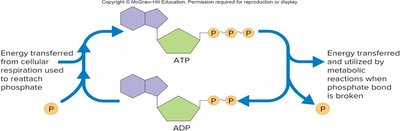
Nucleic Acids: Store and transmit genetic information; monomers are nucleotides (DNA, RNA, ATP).
Cells and Tissues
Cell Structure
All cells have a nucleus, cytoplasm, and plasma membrane.
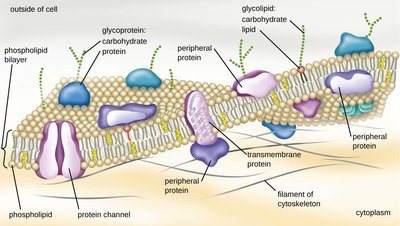
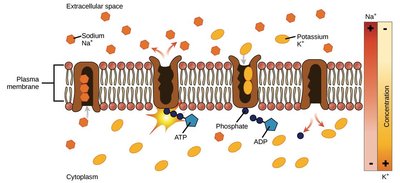
Plasma Membrane: Composed of a phospholipid bilayer with embedded proteins; selectively permeable.
Membrane Transport
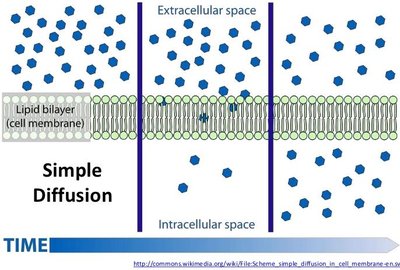
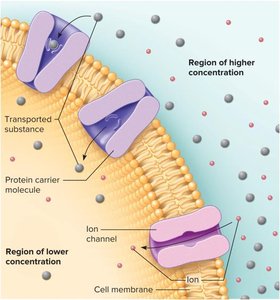
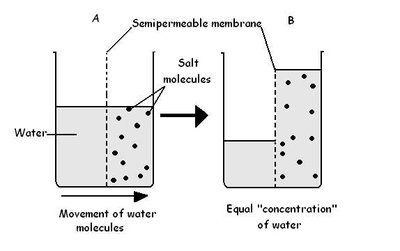
Passive Transport: Does not require energy (e.g., diffusion, facilitated diffusion, osmosis).
Active Transport: Requires energy (ATP) to move substances against their concentration gradient.
Tissues and Histology
Histology: The study of tissues.
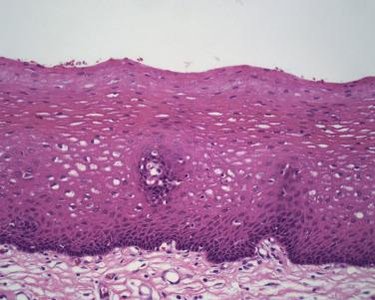
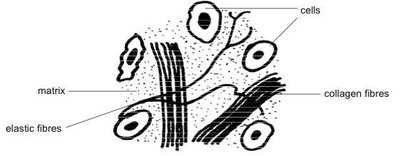
Four basic tissue types: Epithelial, Connective, Muscle, Nervous.
Integumentary System
Skin Structure and Function
Composed of epidermis (stratified squamous epithelium) and dermis (connective tissue).
Functions: Protection, vitamin D synthesis, sensory reception, temperature regulation.
Bones & Skeletal Tissue
Bone Structure and Function
Functions: Support, protection, movement, mineral storage, blood cell formation (hematopoiesis).
Types of bone tissue: Compact (dense) and spongy (cancellous).
Bone cells: Osteocytes (mature), osteoblasts (form bone), osteoclasts (break down bone).
Muscle Tissue
Types and Functions
Three types: Skeletal (voluntary), cardiac (involuntary, heart), smooth (involuntary, walls of organs).
Functions: Movement, posture, joint stabilization, heat production.
Nervous Tissue and Nervous System
Organization and Function
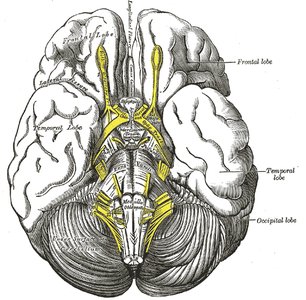
Central Nervous System (CNS): Brain and spinal cord; processes information and coordinates response.
Peripheral Nervous System (PNS): Cranial and spinal nerves; transmits sensory and motor signals.
Neurons: Conduct nerve impulses; neuroglia support and protect neurons.
The Endocrine System
Hormonal Regulation
Endocrine glands secrete hormones directly into the bloodstream to regulate body functions.
Examples: Pituitary, thyroid, adrenal glands, pancreas (insulin and glucagon for blood glucose regulation).
The Blood
Functions and Components
Functions: Transport, protection, regulation.
Components: Plasma (liquid), formed elements (erythrocytes, leukocytes, platelets).
The Cardiovascular System
Heart and Blood Vessels
Heart: Pumps blood through pulmonary and systemic circuits.
Blood vessels: Arteries (away from heart), veins (toward heart), capillaries (exchange).
The Respiratory System
Gas Exchange and Organs
Major organs: Nose, pharynx, larynx, trachea, bronchi, lungs, alveoli.
Functions: Gas exchange (O2 in, CO2 out), regulation of blood pH, voice production.
The Digestive System
Functions and Major Organs
Functions: Digestion, absorption, elimination.
Major organs: Mouth, pharynx, esophagus, stomach, small intestine, large intestine, accessory organs (liver, pancreas, gallbladder).
The Urinary System
Functions and Organs
Functions: Removal of wastes, regulation of fluid/electrolyte and acid-base balance, blood pressure regulation.
Organs: Kidneys, ureters, urinary bladder, urethra.
The Reproductive System
Male and Female Structures
Male: Testes, duct system, accessory glands, penis.
Female: Ovaries, uterine tubes, uterus, vagina, external genitalia.
Additional info:
This summary covers the foundational chapters of a typical Anatomy & Physiology course, integrating definitions, examples, and diagrams for effective exam preparation.
