 Back
BackMetabolism and Nutrition: Overview and Cellular Energy Pathways
Study Guide - Smart Notes
 Tailored notes based on your materials, expanded with key definitions, examples, and context.
Metabolism and Nutrition
Overview of Metabolism and Nutrition
Metabolism encompasses all chemical reactions occurring within the body, enabling cells to extract energy from nutrients and synthesize essential molecules. Nutrition provides the raw materials for these processes, including macronutrients and micronutrients.
Metabolism: The sum of all chemical reactions in the body, divided into catabolic (breakdown) and anabolic (synthesis) pathways.
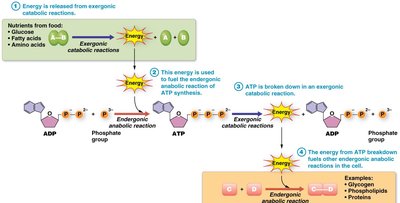
Catabolic reactions: Break down complex molecules into simpler ones, releasing energy.
Anabolic reactions: Build complex molecules from simpler ones, requiring energy input.
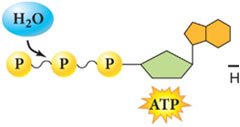
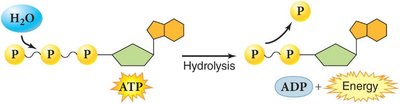
ATP (Adenosine Triphosphate): The cell’s main energy currency, produced during catabolic reactions and used in anabolic reactions.
Key Nutrients and Their Digestion
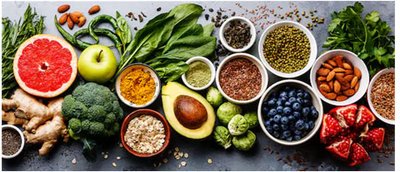
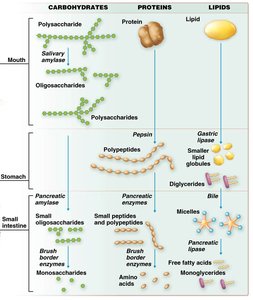
Nutrients are digested and absorbed through the gastrointestinal tract, providing fuel for metabolic processes. The three main macronutrients are carbohydrates, proteins, and lipids.
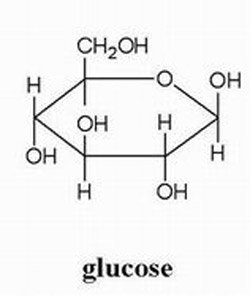
Carbohydrates: Digested into monosaccharides (e.g., glucose, galactose).
Proteins: Digested into amino acids.
Lipids: Digested into fatty acids and monoglycerides.
Metabolic Pathways and Energy Transfer
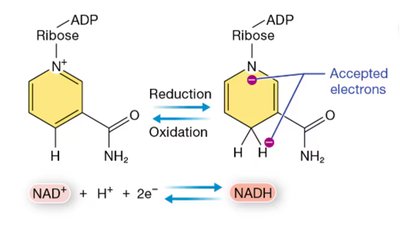
Metabolic reactions are classified as exergonic (energy-releasing) or endergonic (energy-consuming). Energy transfer often involves oxidation-reduction (redox) reactions, where electrons are transferred between molecules.
Exergonic reactions: Release energy, typically catabolic.
Endergonic reactions: Require energy input, typically anabolic.
Oxidation: Loss of electrons, decreases energy content.
Reduction: Gain of electrons, increases energy content.
OIL RIG: "Oxidation Is Loss, Reduction Is Gain" (of electrons).
ATP Generation and Phosphorylation
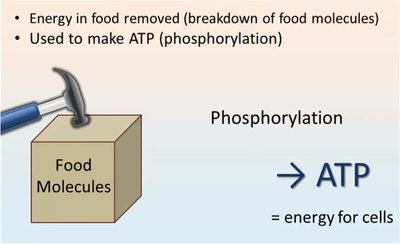
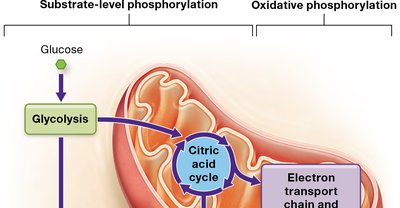
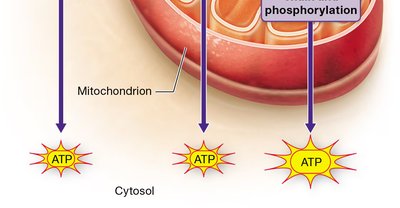
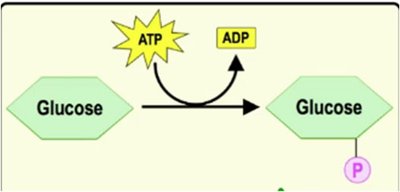
ATP is generated through phosphorylation, the addition of a phosphate group to ADP. There are two main methods: substrate-level phosphorylation and oxidative phosphorylation.
Substrate-level phosphorylation: Direct transfer of a phosphate group to ADP, occurs in glycolysis and the citric acid cycle.
Oxidative phosphorylation: Involves electron transport chain and transfer of electrons to oxygen, producing ATP.

Cellular Respiration: Glucose Catabolism
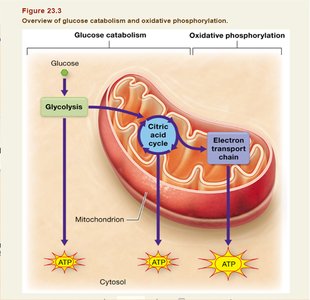
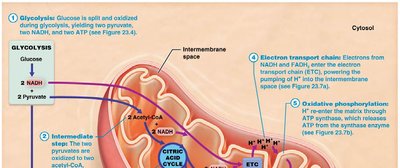
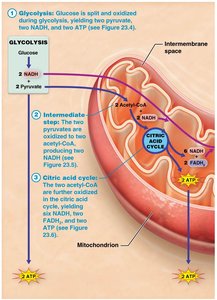
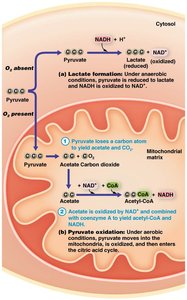
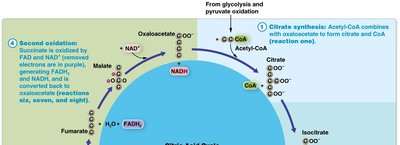
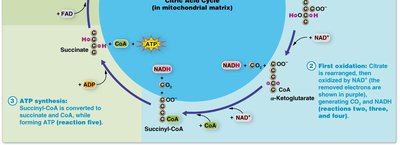
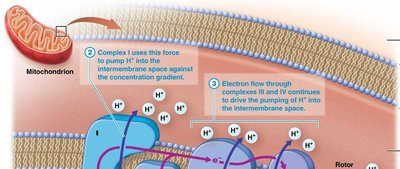
Cellular respiration is the process by which cells extract energy from glucose, producing ATP. It occurs in four stages: glycolysis, acetyl coenzyme A formation, citric acid cycle, and electron transport chain.
Glycolysis: Splits glucose into two pyruvic acid molecules, net gain of 2 ATP.
Acetyl CoA Formation: Pyruvic acid is converted to acetyl CoA under aerobic conditions.
Citric Acid Cycle: Acetyl CoA enters the cycle, producing CO2, NADH, FADH2, and ATP.
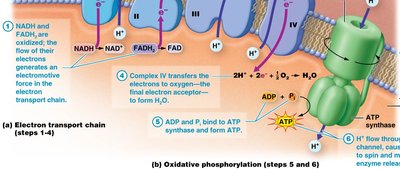
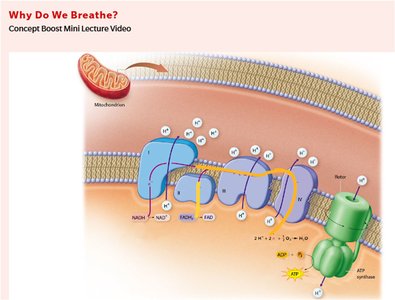
Electron Transport Chain (ETC): Electrons from NADH and FADH2 are transferred to oxygen, generating ATP and water.

Summary of Cellular Respiration
The overall equation for cellular respiration is:
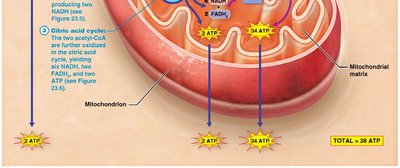
2 ATP from glycolysis
2 ATP from citric acid cycle
Remaining ATP from electron transport chain
Catabolism of Other Nutrients
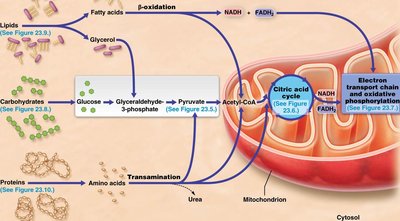
Besides glucose, amino acids and fatty acids can also be catabolized for energy.
Amino acid catabolism: Amino acids are deaminated and enter the citric acid cycle.
Fatty acid catabolism: Fatty acids undergo beta-oxidation to form acetyl CoA, which enters the citric acid cycle.
Anabolic Pathways
Anabolism is essential for nutrient storage, synthesis of structural elements, and production of special molecules like FAD and NAD+.
Glycogenesis: Formation of glycogen from glucose, stimulated by insulin.
Gluconeogenesis: Formation of new glucose from non-carbohydrate sources, stimulated by glucagon and cortisol.
Lipogenesis: Storage of lipids when ATP is not needed, stimulated by insulin.
Protein synthesis: Amino acids are used to build proteins; excess can be converted to other molecules for storage.
Metabolic States and Regulation
The body alternates between absorptive and post-absorptive states to regulate nutrient use and storage.
Absorptive state: Nutrients are absorbed and used for ATP production; excess is stored.
Post-absorptive state: Energy needs are met by mobilizing stored nutrients; blood glucose is maintained by glycogenolysis.
Metabolic Rate and Thermoregulation
Metabolic rate is the overall rate of heat production, measured as basal metabolic rate (BMR) at rest. Body temperature is maintained by balancing heat production and loss, regulated by negative feedback mechanisms.
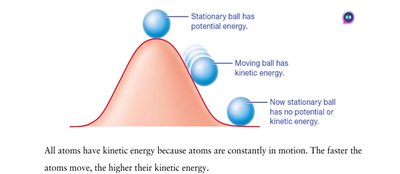
Heat: Kinetic energy measured as temperature.
Impaired thermoregulation: Can lead to hypothermia or hyperthermia.
Nutrition: Macronutrients and Micronutrients
Nutrients are essential for growth, maintenance, and repair. Macronutrients provide energy and structural molecules, while micronutrients act as catalysts or cofactors.
Macronutrients: Proteins, lipids, carbohydrates.
Micronutrients: Vitamins (fat-soluble: A, D, E, K; water-soluble: B group, C) and minerals (major: Ca, Mg, K, Na; trace: iodine, iron).
Water: Required for metabolic reactions.
Fiber: Needed for GI tract motility; does not provide nutrients.
Lipoproteins and Cholesterol
Lipids are transported in the blood as lipoproteins. Cholesterol is produced by the liver and consumed in food. Normal cholesterol levels are below 200 mg/dl; LDLs should be under 130 mg/dl, and HDLs above 40 mg/dl.
Lipoproteins: VLDLs, LDLs, HDLs.
Cholesterol: Essential for cell membranes and hormone synthesis.
Summary Table: Digestion and Absorption of Macronutrients
Macronutrient | Digestive Enzymes | End Products |
|---|---|---|
Carbohydrates | Salivary amylase, pancreatic amylase, brush border enzymes | Monosaccharides (glucose, galactose, fructose) |
Proteins | Pepsin, pancreatic enzymes, brush border enzymes | Amino acids |
Lipids | Gastric lipase, pancreatic lipase, bile | Fatty acids, monoglycerides |
Additional info: The notes expand on brief points with academic context, definitions, and examples to ensure completeness and clarity for exam preparation.
